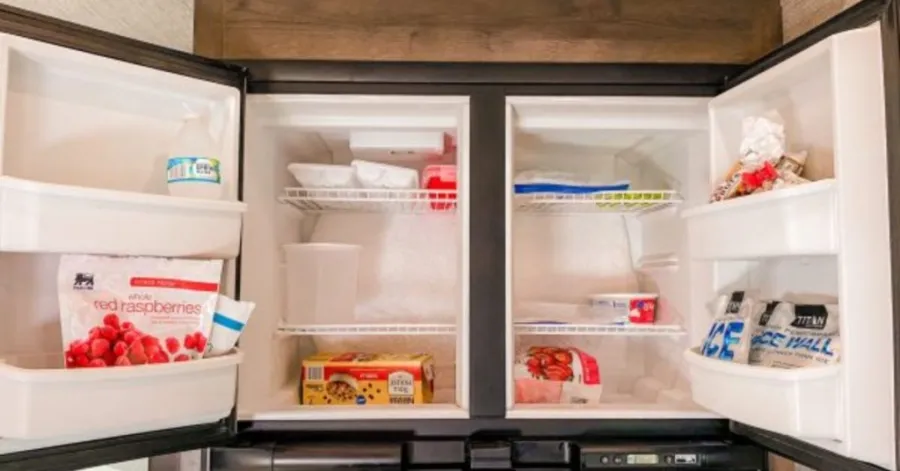
Not cooling your RV refrigerator? It’s easy to get frustrated, but don’t fret. First, perform some basic troubleshooting for the travel trailer refrigerator. Check for power, check the settings, ensure proper ventilation, and check the tightness of the door seals. These few procedures are vital in effective travel trailer refrigerator troubleshooting. Most problems can be fixed with these simple tests, so take your checklist and walk through each step before you consider calling a service technician.
This article discusses travel trailer refrigerator troubleshooting and how to troubleshoot common cooling problems step by step. You’ll learn how to check the power supply, temperature settings, ventilation, and door seals before hiring a technician to maintain your RV refrigerator running properly.
- Travel Trailer Refrigerator Not Cooling (Top Causes & Fixes)
- RV Refrigerator Not Working on Electric
- RV Refrigerator Not Working on Propane
- Travel Trailer Fridge Freezing Food (Too Cold)
- RV Refrigerator Making Noise: What It Means
- Refrigerator Leaking Water Inside or Outside
- RV Refrigerator Error Codes and What They Mean
- Preventive Maintenance Tips for RV Refrigerators
Travel Trailer Refrigerator Not Cooling (Top Causes & Fixes)
Check Power Supply and Electrical Connections
Why is my travel trailer refrigerator not getting cold? When repairing your travel trailer refrigerator, the Electrical Supply is the first place you want to look. Be sure your RV is connected and that the outlet is working. Shut the fridge off and on. 2. Examine the power cord for damage. Replace the blown fuse or reset the tripped circuit breaker. 3. Loose Wires Loose wiring could be the reason for your refrigerator not cooling problem sometimes. Check for loose connections and tighten as necessary.
Inspect Propane Supply and Burner Operation
How to fix RV refrigerator not cooling on propane? If your fridge is propane, check the tank first. Is it loaded? Open the valve completely. If you switch the fridge to gas mode, listen for a click. So the igniter is working. Turn everything off and get help if you smell gas or see a yellow flame. If you observe a clean blue flame, your burner is working properly.
Verify Proper Ventilation and Airflow
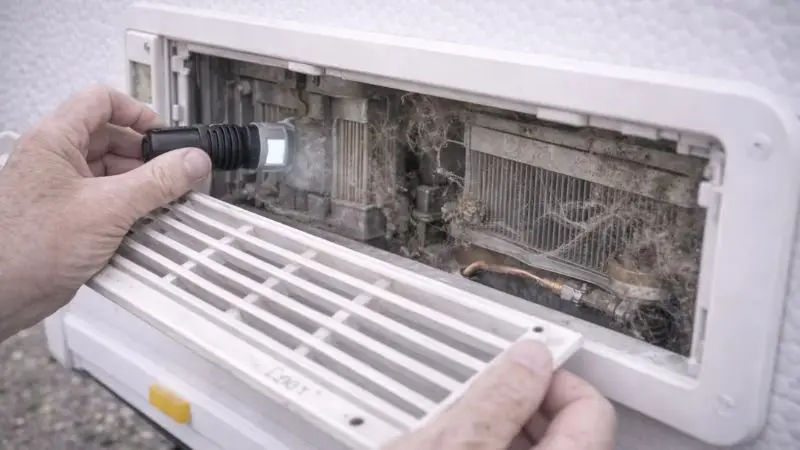
Proper air circulation is key to keeping your RV refrigerator cool. Check behind the refrigerator. Make sure the vents are not blocked. Dust and grime can easily accumulate. You can use a vacuum or a little brush to clean the area. If you block the vents, you will not get proper cooling.
Leveling Issues and Why They Matter
For your refrigerator to function properly, it needs to be level. Travel trailer fridge not working, but freezer is. Put a bubble leveling tool to use. If your recreational vehicle is tilted, the cooling unit will not function. Choose to park on level ground or make use of leveling blocks. This easy procedure might quickly fix a device that isn’t cooling down.
Faulty Thermostat or Temperature Sensor
A damaged thermostat or sensor might cause problems with the cooling system. Set the thermostat on medium. If the meal is freezing or staying hot, the sensor might be defective. You can test using a multimeter or get a specialist to help. Troubleshooting a travel trailer refrigerator might help you identify problems early. This should help you handle most RV fridge cooling issues troubleshooting guide.
RV Refrigerator Not Working on Electric
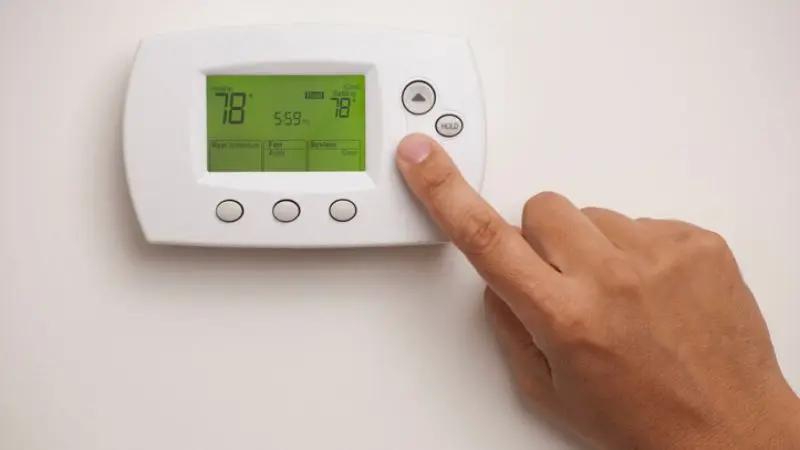
Is your RV fridge refusing to cool when you switch to electric mode? You can fix many electrical problems yourself. Let’s walk through the steps together.
Testing the Heating Element
Why is my travel trailer refrigerator not getting cold? When you use electricity to power your RV fridge, the heating element produces cold air. Your fridge is warm inside, and the heating element may be bad. Use a multimeter to check it. First, turn off the RV refrigerator. Look for the heating element on the back. Set your multimeter to the ohms (resistance) setting. Touch the probes to the heating element’s terminals. If you see a number between 30 and 50 ohms, the element is good. If you see 0 or infinity,e you need a new element.
Checking Circuit Breakers and Fuses
Sometimes your RV fridge stops working because a breaker has tripped or a fuse has blown. Go to the electrical panel of your RV. Check for any tripped breakers. “Switch them back on.” Examine the fuse box for any burnt fuses that need to be replaced. This fast check will save you a ton of headaches.
Inspecting Wiring and Control Board Issues
A faulty control board or loose wiring can cause your RV fridge to stop working when plugged in. Check behind your refrigerator for any loose or damaged cables. Unplug and plug back in or replace. If your RV fridge still isn’t working, the control board may be bad. You can try resetting it by unplugging your RV fridge cooling issues troubleshooting guide for a few minutes. Plug it back in and see if it starts to cool. If not, you may need a new main control board.
RV Refrigerator Not Working on Propane
Cleaning the Burner and Orifice
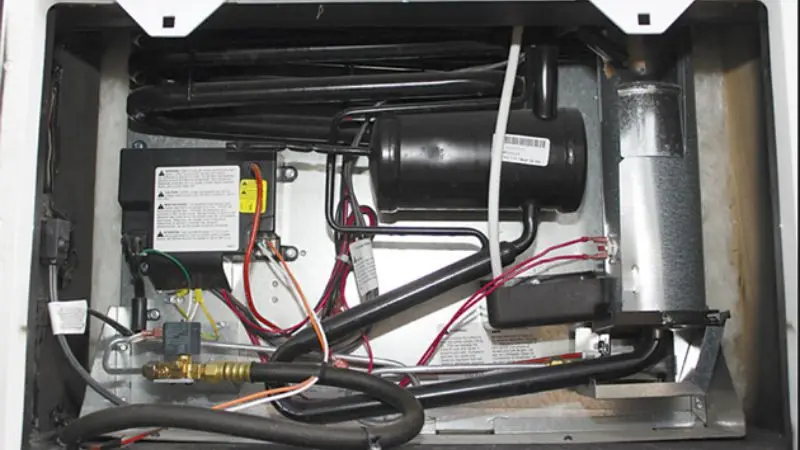
How to fix RV refrigerator not cooling on propane? If your RV refrigerator is no longer running on propane, it may be dirty. The burner and orifice might become blocked with dust or spider webs. To operate safely, you must clean these parts. First, turn off the propane to your RV. Remove the access panel on the outside. Locate the burner assembly. Clean the burner with a tiny brush or with compressed air. For the orifice, you can use a needle or an air can. Be careful not to break the little hole. Put everything back together and switch on the propane. A clean burner helps your RV fridge run better.
Checking the Gas Valve and Igniter
Travel trailer fridge not working but freezer is: The gas valve and igniter help start the flame in your RV fridge. If you hear clicking but see no flame, the igniter might be dirty or broken. Look for a small spark when you turn your RV fridge to gas mode. If you see no spark, clean the igniter tip with a soft cloth. Check the wires for damage. The gas valve should open with a “click” sound. If it does not, you may need a new valve. Always turn off your RV’s propane before you check these parts.
Diagnosing Flame Issues and Error Codes
A healthy flame is blue and constant. A yellow or flickering flame indicates an issue with your RV fridge. Check for obstructions or low propane. Some RV fridges will display error codes for a flame problem. Look in your RV fridge handbook for what the code indicates. You can reset the fridge by turning it off, then back on. If the mistake reappears, call a professional. A fantastic flame is great for cooling your RV on trips.
Travel Trailer Fridge Freezing Food (Too Cold)
RV fridge cooling issues troubleshooting guide? This problem can be as annoying as a warm fridge. Let’s take a look at why your RV fridge is too chilly and how to fix it.
Incorrect Thermostat Settings
Sometimes you can inadvertently set the thermostat too low. Optimal performance of your RV fridge occurs when the thermostat is set to the intermediate range. The coldest setting can cause milk and other dairy products to freeze. You might also try turning the dial up a notch and checking the temperature after a few hours.
Faulty Thermistor Problems
The thermistor informs your RV fridge when to turn on/off. Travel trailer fridge not working but freezer is: If it breaks, your fridge may run too long, freezing everything. The thermistor is hooked to one of the fridge’s fins. If you turn it up, the fridge will be warmer.’ It gets colder if you slide it down. If altering the position does not help, then you may need a new thermistor.
Airflow Blockage Inside the Fridge
Good air circulation is essential to maintaining the proper temperature in your RV fridge. Pack food loosely so that cold air can circulate. This can chill some things and freeze others. Leave space between the goods and do not obstruct the vents in your RV fridge.
RV Refrigerator Making Noise: What It Means
Is your RV fridge producing weird noises? You might be wondering whether this is normal or if something is wrong. Here’s what those sounds are telling you, and how to remedy them.
Normal vs Unusual Sounds
Some noise is normal when your RV fridge is functioning properly. You may hear a quiet buzzing, clicking, or a soft whoosh. The compressor, fans, or gas igniter are mainly responsible for the noise. Don’t worry when you hear them. They mean your RV refrigerator is working.
How to fix RV refrigerator not cooling on propane? Strange noises spell trouble. Listen for loud buzzing, rattling, or hammering. If you hear these noises, check for loose parts or things within the fridge. Sometimes, it builds up and breaks. If the sound returns, look deeper.
Fan Motor Issues
The fan motor circulates air within your RV fridge. If the fan is dusty or stuck, you will hear squeaking or grinding. Open the access panel and check the fan. Remove any dust or grime. If the noise continues, you will need to change the fan motor.
Cooling Unit Problems
This cooling device cools your RV fridge cooling issues troubleshooting guide. If you hear gurgling, hissing, or bubbling, the cooling unit may have a leak or a clog. These noises indicate a problem with refrigerant flow. You can’t repair this yourself.” If you suspect trouble with the cooling unit, call a pro.
| Noise Type | Possible Cause | What To Do |
| Humming | Normal operation | No action needed |
| Squeaking | Fan motor | Clean or replace |
| Gurgling | Cooling unit | Call a technician |
Refrigerator Leaking Water Inside or Outside
Is your fridge leaving puddles inside or outside? Water leaks can make a mess and cause damage fast. Let’s look at the most common reasons and how you can fix them.
Blocked Drain Tube
Travel trailer fridge not working but freezer is: One of the main reasons why you will get water into your fridge is a blocked drain tube. The drain tube lets water from the defrosting drain out. Water backs up and flows inside if crumbs or ice clog the tube. The drain tube is located at the bottom rear of the refrigerator. Use a little brush or a pipe cleaner to clear it out.
Condensation Problems
Condensation occurs when heated air comes into contact with cold surfaces. Your condensation is too high, and water drips into your fridge. Water may be visible under food or on shelves. This occurs when the fridge door is opened too far or left open too long.
RV Refrigerator Error Codes and What They Mean
Your fridge flashing a diagnostic signal can be confusing. No problem. You can troubleshoot the problem and get back to your trip. So what do those codes mean, and what do we do next? Let’s decode.
Resetting Your Travel Trailer Refrigerator
This can occasionally be fixed with a quick reset, and everything will be back to normal. Turn off the fridge from the control panel, then disconnect the battery or unplug it. Wait about 5 minutes before plugging the power cord back in and turning the fridge back on. If the error code reappears, see the user manual for further troubleshooting, or press the reset button (if your fridge has one).
When to Seek Professional Help
There are plenty of RV refrigerator problems you can solve yourself, but there are some situations when you need professional help. If you smell gas or see a yellow flame, call a professional if resetting the fridge does not clear the error code. Travel trailer fridge not working but freezer is: if the refrigerator stops cooling altogether or starts making loud popping or hissing noises, call for service. Such problems may indicate larger issues affecting safety and efficiency. Never play the odds on gas or electrical parts. Having a qualified technician can help you properly diagnose and safely repair the issue, so your RV refrigerator performs efficiently and consistently on the road.
Preventive Maintenance Tips for RV Refrigerators
Regular Cleaning and Inspection Checklist
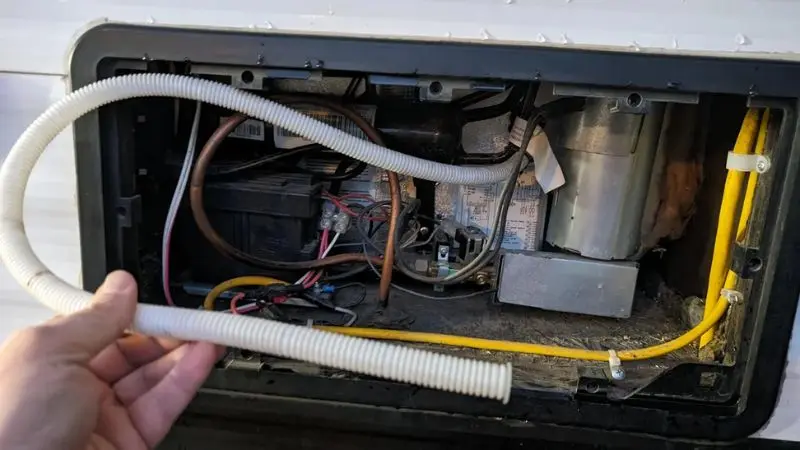
Why is my travel trailer refrigerator not getting cold? You want your refrigerator to last a lifetime. Cleaning is, of course, quite useful. First, clean out the fridge. Wash all shelves and containers in warm, soapy water. Dry everything before you store it. Check for filth and cracks in the door locks. Wipe them off with a damp cloth. Look beneath your refrigerator for cobwebs or dust. Use a cleaner or brush to clean vents.
Best Practices for Long-Term Storage
If you are going to put your RV fridge cooling issues troubleshooting guide away for a bit, you need to get your fridge ready. Switch it off and leave the doors open slightly. This prevents mold and odors. Take away food and ice. To keep everything fresh, put a package of baking soda inside. If possible, unplug the fridge. Before locking up, check for pests in the vicinity.
Conclusion
If you are having problems with your travel trailer refrigerator troubleshooting, there are a few simple things you can try. First, check the power supply, air filter, oil, and door locks. The major things that can go wrong with cooling are. It’s helpful to have a manual to refer to, so if you’re out on the road, you can easily find and fix problems. Regular cleaning and monitoring of your fridge will also help it perform well and prevent future problems. Be on the lookout for warning lights, unusual noises, the smell of gas, or recurring error codes. In this situation, you should hire a skilled specialist to ensure your RV fridge is repaired securely and correctly, and continues to perform effectively.
FAQ
How often should you clean your RV refrigerator?
You should clean your RV fridge once a month. Wipe shelves and bins with warm, soapy water. Check the door seals for dirt or cracks. Clean the vents with a vacuum or brush.
Why does your RV fridge need to be level?
Your fridge needs to be level so the cooling unit works properly. If your RV leans, the fridge can’t cool properly. Use a bubble level tool to check and adjust your RV’s position.
What should you do if your RV fridge smells bad?
Remove all food. Clean the inside with warm, soapy water. Place an open box of baking soda inside. Leave the door open for a few hours. This helps remove odors.
Can you run your RV refrigerator while driving?
Yes, you can run your RV fridge while driving. Use propane or battery power. Make sure the fridge door stays closed. Check local laws about using propane on the road.
What temperature should your RV refrigerator be set to?
Set your RV fridge between 34°F and 40°F. Use a fridge thermometer to check. This keeps your food safe and fresh.