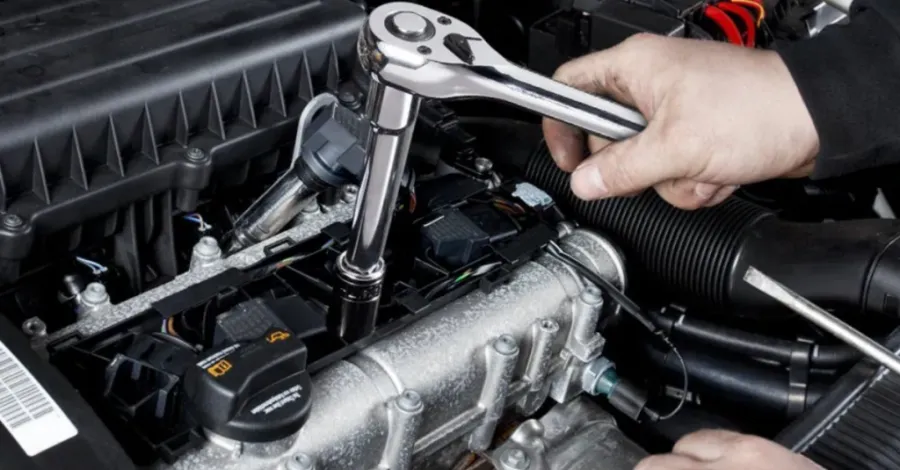
To ensure that your work is safe and reliable, you need to use accurate tools. For tightening bolts correctly, torque wrench calibration is essential. You can cause damage to your tools or even harm people if you don’t check them often. By checking your tools regularly, you can find and fix problems earlier.
By following the correct calibration steps, you can protect yourself and others from making torque mistakes. In this article, we will discuss how to calibrate your torque wrench to get better results.
- What is Torque Wrench Calibration?
- How Often Should You Calibrate a Torque Wrench?
- Step-by-Step Guide to Torque Wrench Calibration
- Benefits of Regular Torque Wrench Calibration
- Common Torque Wrench Calibration Mistakes to Avoid
- Where to Get Your Torque Wrench Calibrated
- Maintaining Your Torque Wrench Between Calibrations
What is Torque Wrench Calibration?
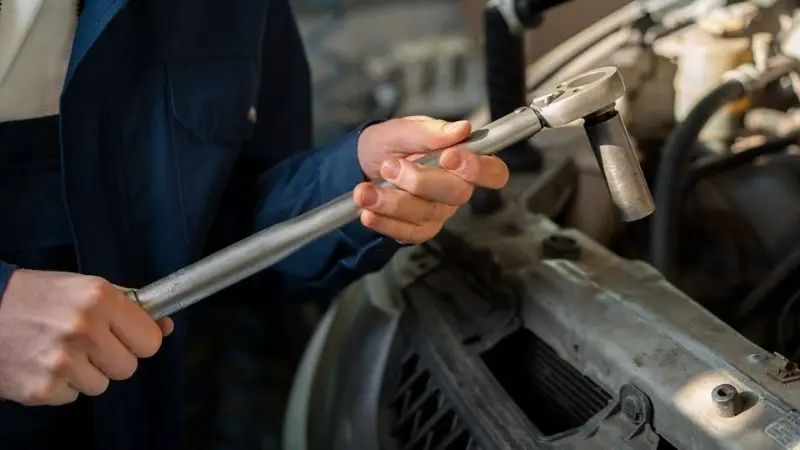
Before you use a Torque wrench, it is important to understand what calibration means. Calibration involves checking and adjusting the tool to ensure it delivers the right amount of force. You want to ensure that you always apply the correct amount of torque when you use a wrench. It will keep your work safe, and you can avoid making mistakes.
Torque is a force that causes something to turn or twist. A torque wrench is used to tighten bolts or nuts to a certain level. You could use too much torque or not enough torque if you don’t check the tool. It can lead to parts breaking or becoming loose. Calibration ensures that your torque wrench is working accurately.
Always check the accuracy of your torque wrench before you start any important work.
This is how a torque wrench calibration procedure works
- Compare the torque wrench reading to a standard.
- You can adjust the tool to get the readings to match.
- Record the results and track your wrench’s accuracy over time.
There are different methods of calibration. In a laboratory, some people use special machines. Some people use simple levers or weights. Whatever the method used, it is important to ensure that your torque wrench produces the correct result.
Remember that accuracy is important. You cannot trust the accuracy of your torque tool. Regular calibration will help you to avoid problems and keep your tools in top condition.
You can use your torque tool with confidence once you have mastered the calibration. You can be confident that you will always tighten bolts at the correct level.
How Often Should You Calibrate a Torque Wrench?

Manufacturer Recommendations
Always check the instructions that came with your torque wrench. The majority of manufacturers will tell you how often should you calibrate a torque wrench. Others say that you should calibrate your wrench after every 5,000 rotations. Some say you should calibrate your wrench once a year. You may have to check your torque wrench more frequently if you use it a lot. This information can be found in the user’s manual or on the company’s website.
If you’ve lost your manual, look up the calibration intervals for your torque wrench online.
Factors That Affect Calibration Frequency (Usage, Storage, Type of Torque Wrench)
The frequency of calibrating your torque wrench is dependent on several factors. Consider the following factors.
- Use: If you check your torque wrench more frequently, it is because you use it every day. You can wait longer if you only use it a few times per year.
- Store your torque wrench in an area that is dry and clean. You may need to test it sooner if you keep it in an area that is damp or dirty.
- Different torque wrenches require different care. Follow the instructions that come with your tool.
You can use a table to see how these factors affect how often you should check your tool.
| Factor | Calibrate More Often | Calibrate Less Often |
| Heavy Usage | Yes | No |
| Poor Storage | Yes | No |
| Digital Type | Sometimes | Sometimes |
Industry Standards and Compliance
It is important to know that certain jobs have torque rules. Many industries, such as aviation and automotive, have strict standards. These rules are designed to keep everyone safe. It is possible that you will need to adhere to guidelines set by groups such as ISO or ASME. These groups have rules regarding calibration and torque tool accuracy. Check if there are any special rules for your job. These standards will help you to stay safe while doing your job.
Step-by-Step Guide to Torque Wrench Calibration
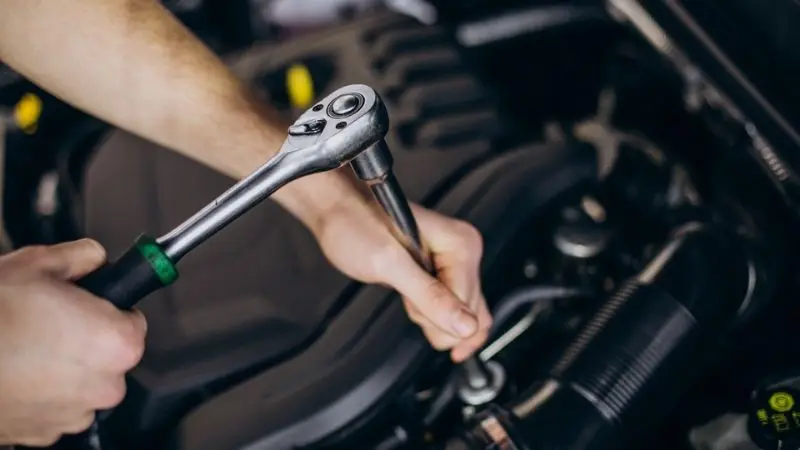
Here is the step-by-step guide on how to calibrate the Torque Wrench at home for better results and avoid any kind of damage.
Tools and Equipment Needed
To check the torque wrench, you need to use the correct tools. Start by using a known mass or a tester. A sturdy table or bench is also required. You should always have the manual handy if you are using a torque wrench that clicks. Using the best torque wrench calibration tools helps ensure reliable readings and reduces errors during work.
Here’s a list of the things you will need:
- Torque Wrench (mechanical and digital)
- Calibration Device or Tester
- User manual for your wrench
- Notepad with a pen
- Safety gloves
Properly wear gloves when testing your tools to protect your hands.
Calibration Methods: Mechanical vs Digital Torque Wrenches
You can use different methods for each type of torque wrench. Compare the reading to your tester. You can read the digital wrench screen to see if the reading matches your tester.
Here is the table that will help how to Check Each Type
| Wrench Type | What You Do |
| Click-type torque wrench | Listen for the click at set torque |
| Digital torque wrench | Read the number on the display |
Repeat the test three times on each setting. You can then check if the tool consistently gives you the same results.
DIY Calibration vs Professional Calibration Services
Test your torque wrench yourself. It works well for simple tasks. You should not use your wrench to do important work. Instead, hire a professional. Special machines are used by experts to give accurate results. The experts will also provide you with a safety report for your tool.
Always have a professional check your click torque wrench if you are using it for a job that has strict rules.
Benefits of Regular Torque Wrench Calibration
When you properly calibrate your torque wrench, it will reduce your costs and make performance more efficient. Below are the benefits of Torque Wrench Calibration
Ensures Accurate Torque Application
Every bolt should be tight and secure. Regular checking helps you to apply just the right amount each time. You can avoid over-tightened or loose bolts by using a wrench with the right torque. It keeps cars, bikes, and machines in good working order. When you use accurate tools, you can be confident in your work.
Test your wrenches before performing important tasks. You can catch problems earlier if you have this habit.
Extends the Life of Your Torque Wrench
With proper care, you can extend the life of your socket wrench. You can find minor issues by checking your tool frequently. Avoid using a damaged or worn-out wrench. You will not have to replace your tool as frequently. This will save you money while keeping your tools in good condition.
Here’s a quick overview of how regular care can help:
| Action | Result |
| Check the torque often | Longer tool life |
| Store wrench safely | Fewer repairs needed |
| Clean after use | Better performance |
Reduces Risk of Equipment Damage and Safety Hazards
When you use the correct torque, you protect yourself and other people. You can damage bolts and parts if you apply too much force. If you use too much force, parts can become loose and cause accidents. You can avoid these dangers by performing regular calibration. Your workspace is safe, and you keep your equipment in good working order.
Safety is always a priority. Working with a calibrated tool can help you feel confident.
Common Torque Wrench Calibration Mistakes to Avoid
When calibrating your torque wrench, you should avoid making mistakes. These errors can lead to unsafe work and poor results. Knowing the most common issues and how to solve them is helpful.
Ignoring Manufacturer Guidelines
You may think that you are familiar with how to calibrate a torque wrench. If you ignore the instructions of the manufacturer, you could have serious problems. Each tool has different rules regarding torque settings and calibration. You could use the wrong torque if you don’t follow these rules or even break your wrench.
Before you start, always read the instructions. Manufacturers are the best people to ask for advice on your particular tool.
Calibrating Too Frequently or Infrequently
Some people believe that calibrating more frequently is always better. If you calibrate your wrench too often, it can wear out, and you will waste time. Waiting too long can cause your torque readings to be incorrect. Find the right balance.
Here’s a table that will help you decide:
| Calibration Frequency | Possible Result |
| Too often | Unnecessary wear |
| Too little | Inaccurate torque |
| Just right | Safe and reliable work |
Follow the schedule provided by your torque wrench. You will avoid mistakes and keep your torque wrench in good working order.
Using the Wrong Tools or Methods
To calibrate your torque wrench, you need to use the correct equipment. You can get incorrect torque readings if you use the wrong tester or method. You can be unsafe if you use homemade devices or skip steps.
- Use a certified calibration device.
- Test your torque tool on a flat surface.
- Note down all your results.
Torque can be unsafe if you make mistakes with your tools or your methods. Use the right tools and follow the correct procedures.
By learning the best practices and adhering to them, you can avoid making these mistakes. It will ensure that your torque wrench is accurate and that you are working safely.
Where to Get Your Torque Wrench Calibrated
Torque wrench calibration can be done through multiple methods. Below is the list of the most common and trusted methods.
Professional Calibration Services
Professional calibration services can be trusted to test your torque wrench. They use specialized machines to test the tool. To ensure that your wrench is working properly, you follow strict rules. The certificate shows that your wrench passed the test. This certificate helps you comply with safety regulations at work. Many shops will also provide you with tips on storage and care. When you visit, ask about storage. It is important to store your wrench properly between inspections.
On-Site vs Laboratory Calibration
You can decide where you want to have your torque wrench calibrated. Some companies offer calibration on-site. Some companies offer on-site calibration. You can learn more about storage and save time by having the experts come to your garage or shop. You can see them test your tool, and you can ask immediately about storage. Some companies use laboratories. Send them your wrench. They have advanced machines and a clean environment. You receive your tool with a detailed report. If you use good storage practices after calibration, both methods work.
Ask the service how to store your torque wrench. Proper storage prevents rust and damage.
Cost and Turnaround Time Considerations
You need to know the cost and time of calibration. You may pay more for on-site calibration, but your tool is returned quickly. The laboratory calibration may take longer if you send your wrench. Prices vary depending on how many tools and services you need. You may get a discount if you have more than one wrench. Ask if the shop will check your case for storage or offer advice on storage. By storing your wrench correctly, you can save money.
| Calibration Type | Cost | Turnaround Time | Storage Advice |
| On-Site | Higher | Fast | Yes |
| Laboratory | Lower | Slower | Yes |
When planning calibration, you should always consider storage. To ensure that your torque wrench is accurate and durable, it’s important to store it safely.
Maintaining Your Torque Wrench Between Calibrations
Use these maintenance tips to ensure consistent performance, protect your torque wrench, and extend its life.
Proper Storage and Handling
Maintaining your torque wrench is a matter of good maintenance. After each job, always store torque wrenches in the correct way. Never leave your tool in an unclean or damp place. Moisture is a cause of rusting and other damage. Store torque tools in a dry, clean case. It keeps water and dust away from the wrench.
Store your wrench in the lowest position. This will protect the spring. Hang your wrench not by the handle. It can be placed flat on a shelf or in your toolbox. A good torque tool storage will prevent bumps and drops. Check your storage area regularly. Make sure that it is kept dry and secure.
Label the area where you store your torque tools. Label your torque tool storage area. This will help you quickly find the wrench and remind you to return it when you are done.
Handle your wrench with caution. Use it only as a wrench. The tool can be damaged by rough use, which makes maintenance more difficult. Check your wrench before you use it again if it has been dropped.
Cleaning and Lubrication Tips
Cleaning is an important part of maintenance. Wipe your torque wrench down with a soft rag after each use. Remove dirt and grease. Never soak your wrenches in water or harsh chemicals. The tool can be damaged if you do this.
Lubrication is essential to the smooth operation of your wrench. Consult your manual for lubrication instructions. Only use the oil or grease that the manufacturer recommends. A lubricant that is too thick can attract dirt. If you use too little lubricant, parts can wear out. Apply lubricant to moving parts such as the head or ratchet. As part of your regular maintenance schedule, do this.
Here is a table that will help you plan your maintenance:
| Task | How Often |
| Clean after use | Every time |
| Lubrication | Every month |
| Check calibration | As scheduled |
| Inspect for damage | Every use |
Always read the lubrication instructions before starting. You can avoid making mistakes. Your torque wrench will last for many years with proper maintenance and storage.
Conclusion
Regular torque wrench calibration and checks keep your work safe. Before you begin any job, it is important to check the torque specifications. Use the right torque for each bolt. Care for your wrench to make it last longer. By following best practices, both you and your tool are kept safe. Ask an expert for help if there are any changes to torque specifications. Keep in mind that good tools will help you avoid mistakes and stay safe.
FAQ
How do you know when your torque wrench needs calibration?
Your torque wrench may slip or not work the same each time. You might see damage or worn spots on it. It may have damage or worn areas. You may want to check your torque wrench if you use it a lot. Plan for calibration if you need torque wrenches that are very precise.
Can you calibrate torque wrenches at home?
Yes, you can check torque wrenches at home with simple tools. To work, you will need a torque tester and a level surface. Professionals can calibrate torque wrenches for the best results. Although home checks can be helpful, experts will ensure that your tool is compliant.
Why is torque wrench calibration important for safety?
The torque wrench calibration is important it ensures that your tool is working correctly. This helps to ensure that bolts are not too tight or loose. It reduces the chances of something breaking.
How often should you perform torque wrench calibration?
You should follow the calibration schedule provided by the manufacturer. The majority recommend that torque wrenches be checked once a year, or after 5,000 usages. Check it more frequently if you use the torque wrench daily or in difficult places.
What happens if you skip torque wrench calibration?
Your torque wrench could give you the wrong number if you don’t calibrate it. You may cause an accident or break parts. Your torque wrenches might not last as long. Safety rules may not be followed. By regularly checking your torque wrench, you can keep your tools and work safe.