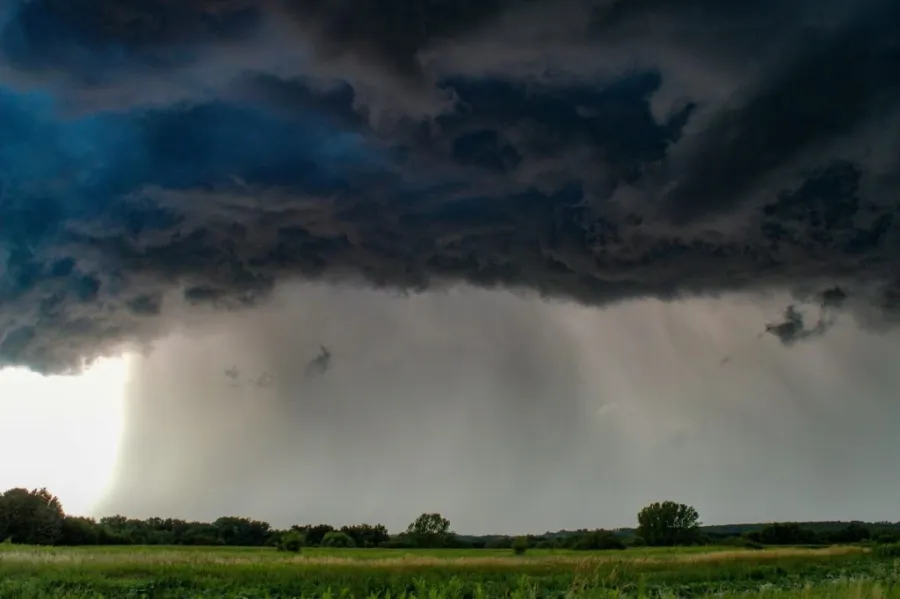
You come out your back door after a long night of howling winds and cracking tree limbs, only to find that your peaceful sanctuary has been turned into a mess. This can be a very frustrating experience for any homeowner, and it can leave anyone feeling downtrodden. Perhaps with a good storm damage recovery guide, it can be turned into a new beginning for your landscape.
Getting your landscape back into order means having the right muscle on your side to get the job done, and that means having a high-capacity metal snow and garden shovel that can get the job done without wearing you out. This guide will show you how to restore your garden better and stronger than it was before the storm clouds came rolling in.
How to assess damage after a storm
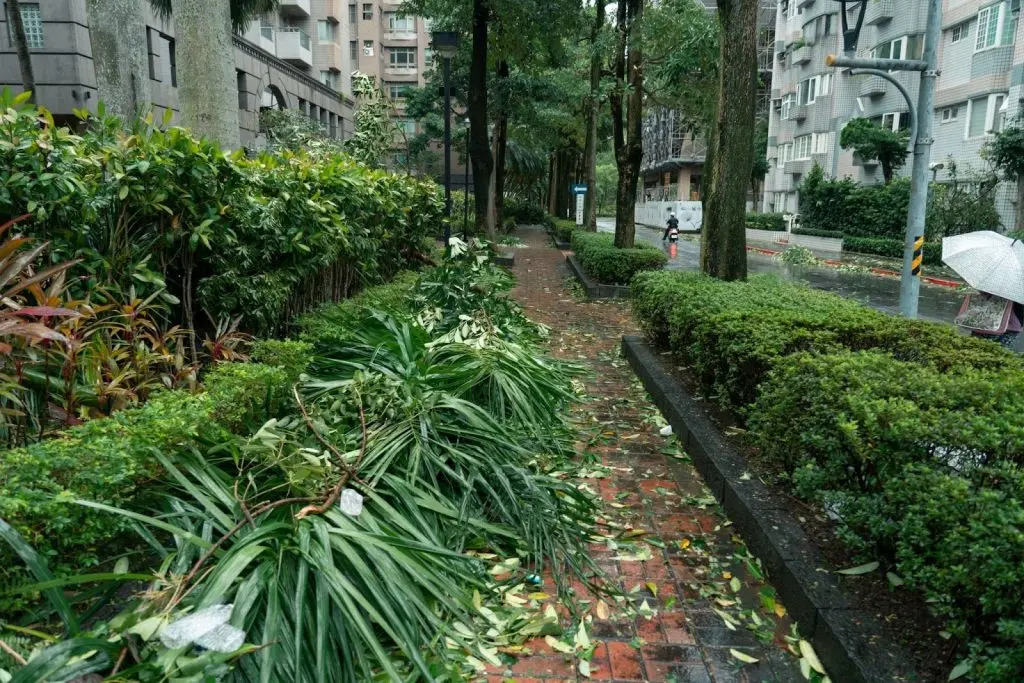
Before you start swinging an axe or ripping out plants, you should get a good bird’s-eye view of the issue. A focused assessment is the foundation of any storm damage recovery guide because it keeps you from making rash decisions.
Check for fallen branches
The first thing you should do is glance above. Large branches stuck in the upper canopy, also known as “widow-makers,” can fall at any time. If you have delicate ornamentals, learning how to properly trim an acer tree after a break will help ensure the plant’s long-term survival.
Identify which branches are entirely severed and which are only cracked. Cracked branches may be salvaged using grafting tape, but severed ones require a clean cut. Clearing these dangers beforehand assures that your garden recovery does not lead to injury.
Search for an uprooted plant
High winds operate as a big lever, lifting root balls straight out of the moist ground. Small shrubs and young trees are most vulnerable to high-velocity gusts. If you find a valuable plant on its side, act quickly to protect its roots.
If exposed roots are left in the wind for a few hours, they will dry out and die. Cover them with a damp tarp or a layer of loose mulch right away. Assessing whether the primary taproot has snapped will reveal whether a garden rescue after a year of growth is feasible.
Inspect the fencing and structures
Storms have a habit of exposing concealed decay in wooden structures. Walk the full perimeter and push on each fence post to ensure solidity. If you come across an unstable part, understanding how to repair a fence post fast will prevent your entire fence line from collapsing in the next breeze.
Do not forget to inspect your garden shelters, gazebos, and raised beds. Look for displaced foundations or damaged supports that could cause a collapse later. Small structural repairs are far less expensive than a full rebuild following the next storm.
Identify the wet regions
Standing water for more than 24 hours is a serious concern for your root systems. Use a garden stake to define the boundaries of these death zones while the water is still there. This allows you to plan your drainage strategy once the sun is out.
Waterlogged earth is extremely heavy and susceptible to compaction. Mark these spots as no-walk zones to avoid crushing the fragile air pockets in the soil. This is an essential stage in understanding how to rescue a garden from drowning.
How to begin recovery safely

Cleanup is the most risky part of the operation, especially if you’re working with slick mud or ice. The first rule for every do-it-yourself homeowner is to understand how to handle storm damage cleanup safely.
Remove debris carefully
Begin by creating a clear pathway from your tool shed to the damaged regions. If you’re coping with a harsh winter, an extending snow brush and scraper will assist you in clearing delicate garden glass or cold frames without damaging them.
Pick up little twigs and rubbish by hand before using big machines. This keeps debris from being trapped in mower blades or blowers later. Clear the heavy items first to reveal the underlying damage beneath the mess.
Prune damaged plants
Never leave a sharp, splintered tear on a branch; this invites pests. Using a pair of sharp bypass pruners, make a clean cut back to the closest healthy node. This permits the plant to close the wound and promotes new growth.
Proper pruning is the most efficient technique to begin a garden rescue after a year of neglect. By removing the dead weight, the plant may direct its limited energy toward root healing. Clean your instruments with alcohol between plants to avoid spreading storm-borne fungus.
Stabilize leaning trees or shrubs.
Preparing gear for small, leaning trees requires a steady hand and a warm workplace. You can use a small diesel air heater in your shed to keep warm as you build your bracing kits.
Drive three stakes into the earth to form a triangle around the leaning tree. To gently pull the trunk back into a vertical posture, use soft, wide nylon straps rather than bare wires. This stabilization is an essential component of any storm damage recovery guide for young landscapes.
Clear blocked drainage paths
If your yard is flooded, inspect your catch basins and French drains for silt accumulation. If the mess was caused by a winter storm, knowing how to clear snow from a driveway and walks ensures that the melting water has a clear departure.
Use a powerful electric snow thrower to clear off frozen drifts that are clogging your drainage grates. Following a hard rain, your main concern should be to move the water away from your foundation and plant beds.
How to restore your garden
After the mess is cleared, the actual restoration can begin. This is where you’ll use clever, step-by-step approaches to restore your battered yard to a thriving refuge.
Improve soil aeration
Compacted, moist soil kills good lawns by choking off the roots. Using a core aerator, pull dirt plugs, allowing oxygen to reach subsurface bacteria. This is a critical component of garden recovery following a flood.
If you work in a sensitive greenhouse environment, a thermostat-controlled greenhouse heater can assist in drying up the humid air. Reducing excess moisture in enclosed spaces helps to prevent damping off of young plants that survived the storm.
Re-seed damaged grass areas.
Heavy foot traffic throughout the cleanup procedure can make your lawn look like a mud pit. When the soil has dried sufficiently, rake out the dead places to expose new earth. Spread a high-quality seed mixture that matches your current lawn.
To prevent the seed from washing away, top-dress with a thin coating of peat moss or compost. The answer to a full garden rescue after a year is consistent moisture, so set your timers to water softly twice a day. This gives the new grass the best chance to establish roots.
Fix broken fences, garden beds, and borders
Replace any damaged wood in your raised beds or garden borders as soon as possible. Using long-lasting diesel heaters in your garage makes it much easier to spend time maintaining these wooden components throughout the colder months.
When replacing fence pickets or rails, make sure to measure twice and cut once. A heated shop results in greater craftsmanship and speedier repairs than shivering in the wind. Putting your borders back in place helps to define your garden spaces and keeps mulch where it belongs.
Reinforce supports for plants
Don’t wait till the next storm to learn how weak your old trellises were. Replace thin plastic stakes with durable steel or treated wood supports. Using a high-output 5KW diesel heater in your workshop can keep you warm while you construct tailored, durable frames.
Tie your plants loosely to the new supports with soft “figure-eight” loops. This permits the stems to thicken without becoming suffocated by the knots. Proactive help is an important aspect of understanding how to rescue a garden for the long run.
Mastering the Cleanup Mindset
Recovery is more than just moving dirt; it’s about being efficient with your energy. If you try to do everything in one day, you’ll be weary and likely to make mistakes.
- Break the task into zones: Divide your yard into four quadrants and focus on completing each one at a time. This provides you with a sense of accomplishment while keeping the mess contained. Zone-based garden recovery is far more manageable for the ordinary homeowner.
- Protect your physical health: Working in the damp and cold is physically demanding. Take regular breaks to warm up and hydrate. If you have a portable heating device handy, use it to dry your gloves and boots in between sessions.
FAQs
Should I remove damaged plants immediately?
Not necessarily. Many plants experience shock after a storm and may appear to be dead when they are actually dormant. Allow them a few weeks of “TLC” before deciding to take them out. This patience is a trademark of an efficient storm damage recovery guide.
Can flooded soil be saved?
Yes, but you must avoid walking on it while it is saturated, as this causes severe compaction. Once it dries, use an aerator and add organic compost to rebuild the soil structure. Healthy soil is the foundation of any garden recovery project.
How long does garden recovery take?
Cosmetic cleanup can be completed in a few days, but a true garden rescue after a year is a more realistic schedule for the plants’ full recovery. Trees and huge bushes may require several seasons to restore their former vitality and shape.
When should I call a professional?
If a branch is entangled in power cables or a tree is leaning over your roof, put the tools down. These are high-risk scenarios that necessitate specialist equipment. Safety is the most critical aspect of understanding how to rescue a garden.
Conclusion
As we previously discussed, a storm-ravaged yard may appear to be a total loss, but it is actually a blank canvas for something better. Following this storm damage recovery guide will provide you with a blueprint for restoring your refuge.
Your garden will be growing again in no time if you have the appropriate tools and a little determination. Take it one branch at a time, keep warm while working, and enjoy the process of restoring your green space.