
It’s fine to sprinkle plants with liquid fertilizer, and they will grow faster and be healthier than if not sprayed. The consequence is called “accelerated growth.” The first and most crucial thing you need to do is to make sure you are using the proper fertilizer for your plants. Please make sure that you have read the label and followed the directions correctly before you begin. When spraying all the different kinds of leaves and debris, make sure you use strokes that spread the water out. Before applying the liquid fertilizer to the soil, weather conditions should be properly assessed.
In this article, we will discuss how to spraying liquid fertilizer correctly to promote healthier, faster plant growth. You will learn how to choose the right fertilizer, apply it evenly, follow safety guidelines, and avoid common mistakes that can harm your garden.
When to Spray Liquid Fertilizer for Best Results
@chris_lynn_guads #VEVOR #vevorblackfriday #TikTokShopBlackFriday #vevorsprayer #vevortools
♬ original sound – chris_lynn_guads
Ideal Growth Stages for Application
How to spray liquid fertilizer on crops? When applying liquid fertilizer to your plants, you want to get the most out of every drop. The best time to apply liquid fertilizer is when the plant is growing rapidly. Other nutrients are particularly needed for very young seedlings and plants that have just begun to grow new leaves. You should give liquid fertilizer when you see new branches or flowers. This encourages your plants to produce healthy leaves and strong roots. If you are growing vegetables, use liquid fertilizer when the plants start to flower or set fruit. Liquid fertilizer can be administered to lawns when the grass begins to green up and grow quickly.
Tip: Apply liquid fertilizer early in the morning or late in the afternoon. This helps your plants absorb nutrients before the sun gets too hot.
Seasonal Timing Considerations
Liquid fertilizer application and the current season. How often should you spray liquid fertilizer? You need to consider the current season before applying liquid fertilizer. Most plants are best planted in the spring. As plants break out of winter slumber, they need a boost. Summer is also a good time, but then you have to watch out for heat waves. In autumn, feed plants with liquid fertilizer to help them build up energy reserves for winter. Don’t fertilize plants with liquid fertilizer in winter unless they are cultivated indoors. Cold weather stunts their growth, and the plants cannot take up the nutrients effectively.
- Spring: Apply liquid fertilizer to kickstart growth.
- Summer: Apply liquid fertilizer to support flowering and fruiting.
- Fall: Apply liquid fertilizer to prepare plants for dormancy.
Weather Conditions That Affect Spraying Efficiency
Weather plays a very important role in the application of liquid fertilizer. Wind can knock spray off your plants. Rain may wash away fertilizer before your plants can take it up. The best time to apply liquid fertilizer spray dries too fast in the hot sun. You should check the weather before you use liquid fertilizer. Best results are obtained on a peaceful, cloudy day. If the weather is going to be rainy, wait for good weather. Follow these steps to apply liquid fertilizer with confidence. Your plants will grow faster and be healthier.
Note: Timing your liquid fertilizer application helps you avoid waste and gives your plants the nutrients they need.
How to Spray Liquid Fertilizer Correctly
Step-by-Step Application Process
Here are easy steps to liquid fertilizer spraying for wheat/rice/maize the right way:
- Look at the instructions on the fertilizer label.
- Use the right amount of fertilizer for your plants.
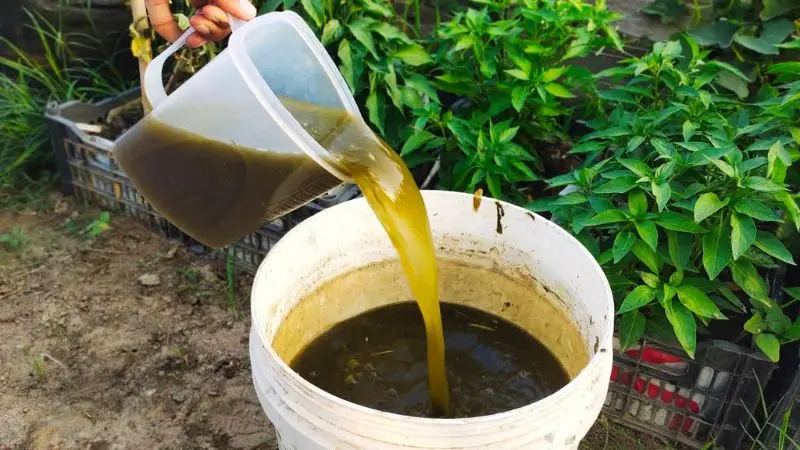
- Mix the fertilizer with water in a clean container.
- Put the mix into your sprayer.
- Spray the leaves and soil so everything gets covered. Move the sprayer side to side for even spraying.
- Wash your tools when you are done.
Tip: Begin spraying at the bottom of the plant. Move up to cover all the leaves and stems.
Recommended Equipment for Spraying Liquid Fertilizer
It is possible to select from a variety of sprayers. Can you spray liquid fertilizer on leaves? Using handheld spray bottles or pump sprayers is an effective way to water small gardens. Backpack sprayers or sprayers with hose ends are preferred for use in larger areas. A sprayer with a fine nozzle produces a uniform, gentle mist. You must examine the functionality of your sprayer before you begin using it.
Proper Mixing Ratios and Dilution Guidelines
How to mix liquid fertilizer for spraying? Always use the mixing ratios listed on the fertilizer label. An excessive amount of fertilizer might be detrimental to your plants. Most liquid fertilizers must be mixed with water. For example, you could use 1 tablespoon of fertilizer per gallon of water. Give the mixture a thorough stir before spraying it. If you do this, your plants will benefit tost from the fertilizer.
Safety Precautions During Application
Be careful with the fertilizer; protect your hands and eyes. How to spray liquid fertilizer on crops? When you are spraying, keep children and animals a safe distance from you. Wash your hands as soon as you are done with everything. It is crucial to preserve any leftover fertilizer in a safe place. If you take the proper precautions, you will protect not just yourself but your plants too.
Note: Use the right spraying method to keep yourself and your plants safe.
Types of Liquid Fertilizers Used in Spraying

Nitrogen-Based Liquid Fertilizers
You can promote the growth of greenery with a nitrogen-based liquid lawn fertilizer. Your grass and plants will grow more quickly and look lusher if you use this variety. It is not uncommon to observe results within days. Using a nitrogen-based liquid lawn fertilizer is effective for lawns that appear thinner or paler. How often should you spray liquid fertilizer? For optimal results, use it throughout the growing season rather than at any other time. When using the product, always follow the label.
Tip: Use nitrogen-based liquid lawn fertilizer when your lawn starts to green up in spring.
Phosphorus and Potassium Solutions
Phosphorus and potassium are good for roots and flowers. Use a liquid fertilizer spraying for wheat/rice/maize containing these nutrients to promote strong roots and bright flowers. Phosphorus is important for root growth, and potassium helps plants resist disease and stress. A variety of liquid lawn fertilizer solutions combine these elements to give a balanced feeding. Use these treatments every time you plant fresh grass or if you wish to increase the number of flowers.
Micronutrient Foliar Sprays
In addition to the main nutrients, your plants sometimes need extra ones. You can add magnesium, zinc, or iron to the soil with micronutrient sprays. These can be sprayed on the leaves to get immediate results. If you see yellow patches or poor growth on your grass, consider a liquid lawn fertilizer with micronutrients. The best time to apply liquid fertilizer spray is when it is effective in addressing small problems fast.
Organic Liquid Fertilizer Options
You may use organic liquid lawn fertilizer for a natural method. They have fish emulsion, seaweed, or compost tea. Organic liquid lawn fertilizer supports soil life and boosts plant health. Safe to use around children and pets. Good for gardens, lawns, and even indoor plants. When you decide on a liquid lawn fertilizer, you have lots of alternatives. Each kind nourishes your plants in a particular way. Experiment with several alternatives to determine what is best for your yard.
Note: Organic liquid lawn fertilizer may smell strong, but it gives steady, gentle nutrition.
Common Mistakes to Avoid When Spraying Liquid Fertilizer
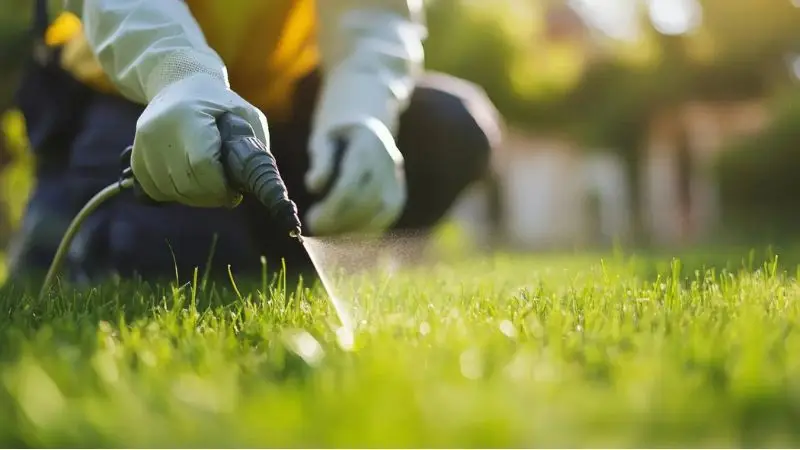
Spraying plants with liquid fertilizer can promote growth, but you can wind up making mistakes if you do not follow the necessary directions. If you want your plants to be strong and healthy, you need to know the common mistakes to avoid. The following are some application tips and spraying strategies to help you achieve the best potential outcomes.
Over-Application and Plant Burn Risks
How to mix liquid fertilizer for spraying? You may believe that increasing the amount of fertilizer will result in faster development; however, an excessive amount will cause your plants to get charred. Excessive application causes the leaves to turn brown or yellow. Always remember to measure the fertilizer and follow the instructions on the label. To ensure precision, you should use a measuring cup or spoon. To help your plants recover from the effects of burning, stop spraying them and water them instead.
Tip: Less is often better. Start with a small amount and increase only if your plants need more.
Incorrect Timing of Application
Use liquid fertilizer at the right moment. Can you spray liquid fertilizer on leaves? Applying fertilizer during the hottest part of the day may cause it to dry up before it reaches the plant’s roots. This is most effective in the early hours or late afternoon. You want to avoid spraying right before it rains so the nutrients don’t get washed away. Check the weather and prepare your spraying strategy for calm, overcast days. Both of these are good recommendations for applications.
Poor Mixing or Dilution Errors
Mixing errors can be detrimental to your plants. How to spray liquid fertilizer on crops? The leaves may burn if the fertilizer is not diluted properly. Read the directions carefully and make sure that the fertilizer is combined with the appropriate amount of water. To ensure the nutrients are evenly distributed, give the mixture a thorough stir. To keep track of your mixing ratios, you can utilize a table:
| Fertilizer Type | Water Needed | Mixing Ratio |
| Concentrate | 1 gallon | 1 tbsp |
| Ready-to-use | None | N/A |
Ignoring Weather Conditions
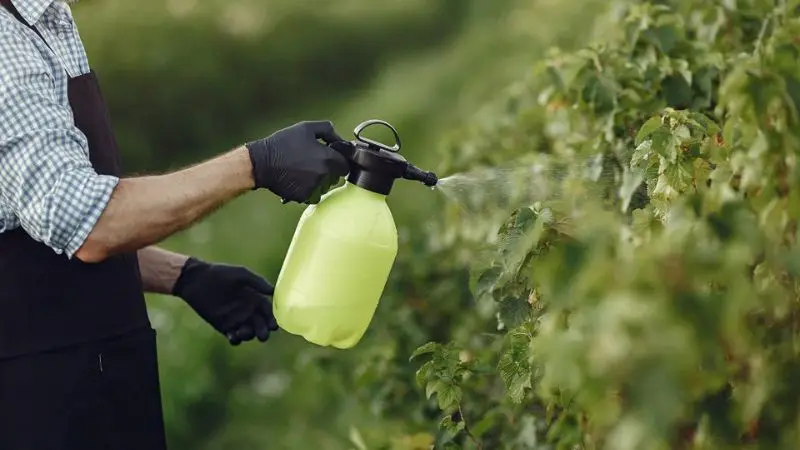
How often should you spray liquid fertilizer? There is a correlation between the kind of weather and the efficiency of your fertilizer. The wind can blow the spray away, and rain can remove it as well. When exposed to the sun, the spray dries up far more quickly than it should. It is important to check the weather forecast before proceeding with the spray application. Be patient and wait till the weather is calm and gloomy before you start using your spraying techniques. This makes it easier for your plants to take in nutrients, ultimately leading to more robust growth.
Note: Careful planning prevents waste and keeps your garden healthy.
Conclusion
It is possible to encourage your plants to grow more quickly, develop stronger roots, and produce healthier foliage by spraying liquid fertilizer correctly. To begin, choose a fertilizer suitable for your plants’ needs, and then carefully follow the mixing directions printed on the label. It is important to avoid over-fertilizing the plant by applying the solution evenly to the soil or leaves, as recommended by the manufacturer. Always check the weather before spraying, as the spray’s effectiveness can be diminished by factors such as intense heat, high wind, or rain. Whenever you are working with fertilizers, it is important to take the necessary measures and wear the right protective gear.
FAQ
How much liquid fertilizer to spray?
You should spray most plants every two to four weeks during the growing season. Always check the label for the best schedule. Over-fertilizing can harm your plants.
Can you mix different liquid fertilizers?
You should not mix different fertilizers unless the label says it is safe. Mixing can cause chemical reactions that harm plants or reduce effectiveness.
Is it safe to spray liquid fertilizer on all plants?
Most plants can handle liquid fertilizer, but some sensitive species may react badly. Test on a small area first. Watch for leaf burn or color changes.
What should you do if it rains after spraying?
If rain falls within two hours, nutrients may wash away. You should wait for dry weather next time. You can reapply after the leaves dry.