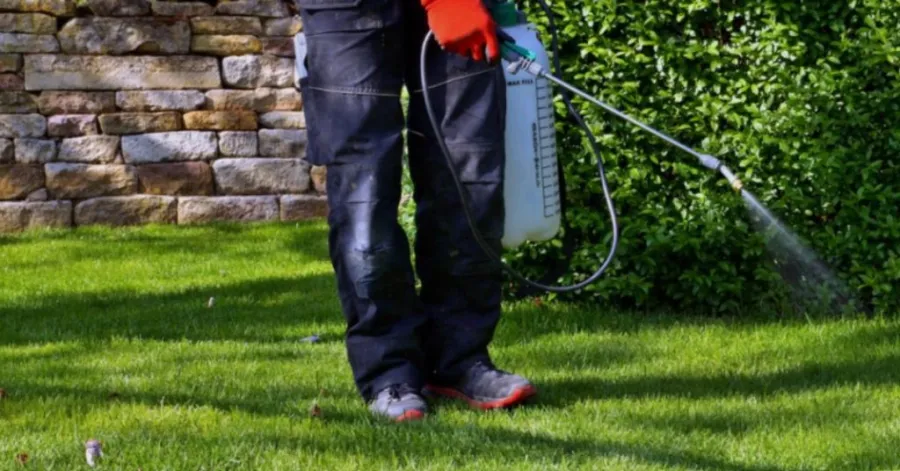
Choosing the right sprayer can make it easier and more efficient to monitor weeds regularly. From small garden beds to large grass areas and gravel paths, different sprayers for weeds offer different coverage levels, portability, and comfort. Battery-powered models are particularly useful because they reduce manual pumping, letting you focus on precise application. Choosing the right equipment requires comparing battery life, tank capacity, spray pressure, nozzle options, and maintenance requirements. This guide explores the main sprayer types, explains the advantages of battery-powered models, and offers practical tips to help you choose the right option for your garden.
Types of Sprayers for Weeds
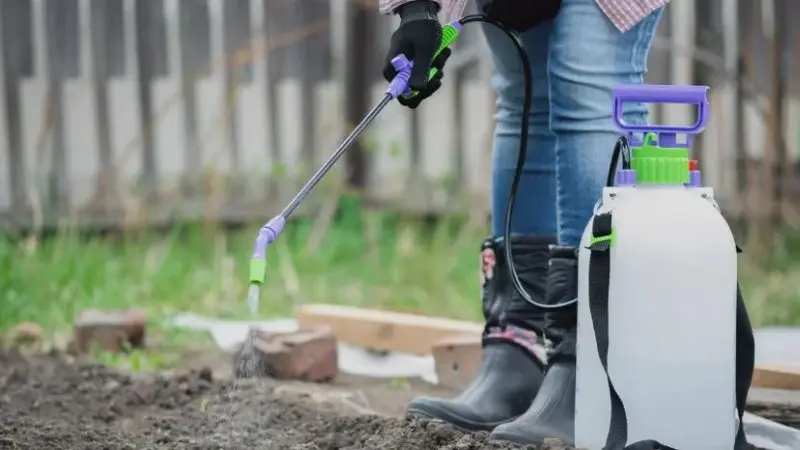
The right choice depends on your garden size, the types of weeds you need to control, and how often you spray. Different sprayers for weeds offer different levels of portability, capacity, and comfort, from compact handheld models to bigger driven units. Understanding these options can help you identify the most appropriate design for your property. Whether you need the best sprayers for weeds in a large garden or an easy solution for occasional spot treatments, consider how much soil you want to cover and how much effort you would like to spend during every spray session.
Manual Pump Sprayers
Manual pump sprayers use a hand-operated pump to create pressure inside the tank to push the fluid through the nozzle when pressing the trigger. These weed sprayers are useful for the treatment of small garden beds, paths, and isolated weed spots without batteries or electricity. If you’re looking for the best pump sprayer for weed killer, think of tank capacity, nozzle settings, and the ease of pumping. Manual models are typically easy to use and maintain, but require multiple pumps to maintain the pressure. This can be tiring during longer spray sessions or when treating a large garden.
Recommended For Your Project
Battery-Powered Sprayers
Battery-powered sprayers use rechargeable batteries to control the pump and thus reduce the need for repetitive manual pumping. As you can focus on directing the spray rather than building pressure by hand, these weed sprayers are useful for regular garden maintenance. When comparing the best battery-powered sprayers for weeds, check the lifespan of the battery, tank capacity, charging time, and available nozzle settings. While others have shoulder straps or backpack-style tanks, some models are designed for handheld use. Performance varies by model, so before choosing a unit, consider the size of your estate and the amount of spray you need.
Backpack Sprayers
Backpack sprayers feature a tank that is worn on the back, allowing users to move around a dwelling while their hands are available for the control of the spray wand. The weed sprayers are useful for covering large gardens, long borders, and areas of scattered weed growth. If you need the best backpack sprayer to kill weeds, look for adjustable belts, convenient padding, a manageable fill weight, and enough tank capacity. Backpack designs can be manual or battery-powered, so the operation depends on the model that you choose. Before buying one, consider how long you will carry it and whether the weight will stay comfortable when the tank is full.
Tow-Behind Sprayers
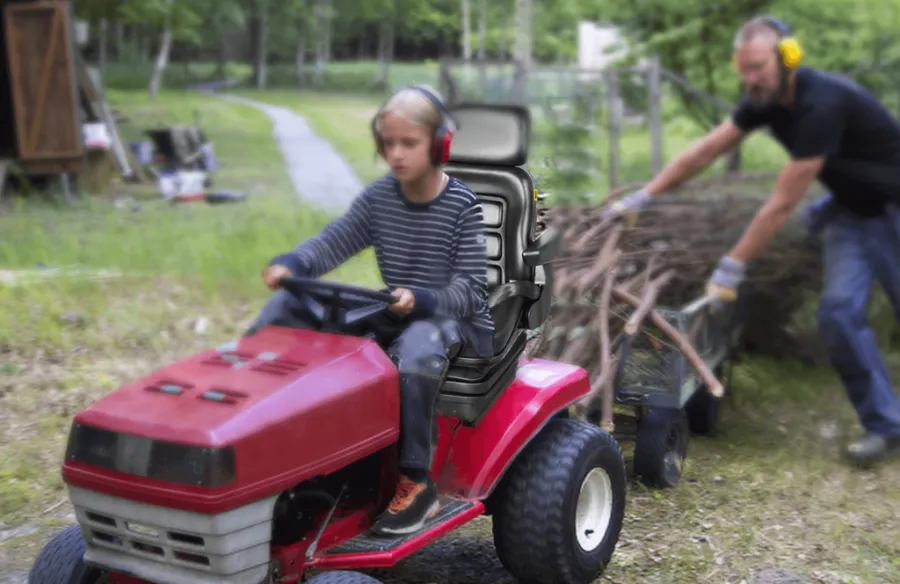
Tow-behind sprayers are designed to connect to compatible lawn tractors, mowers, or other appropriate garden equipment. These weed sprayers can help to cover large lawns, fields, and large properties without having to carry a tank on your back. If you are looking for the best sprayer for weeds in a lawn, take a look at tank capacity, the nozzle width, tow compatibility, and available storage space. Some models use a boom to provide broader coverage; others use a handheld wand for targeted applications. While tow-behind sprayers may save time on large properties, their size, the cost, and the need for equipment may make them unnecessary for small-scale gardens.
Why Choose a Battery-Powered Sprayer for Weeds?
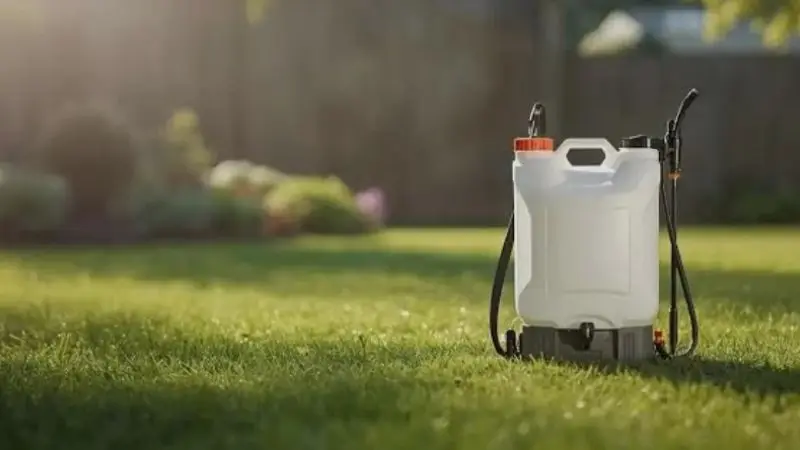
The Battery-powered models offer practical options to people who often treat garden beds, lawns, trails, and other areas of the open air. These sprayers for weeds reduce the amount of effort necessary to build and maintain the spray pressure, compared to manual machines. The choice of the best electric sprayer for weed management also depends on battery life, tank size, and how the device can fulfill your usual duties comfortably. The advantages below explain why rechargeable sprayers can contribute to everyday weed management.
Reduce Manual Pumping
Pumping a manual sprayer can often be exhausting, particularly during treatment of multiple garden beds or work on large land. Battery-powered sprayers for weeds use a motorized pump to put pressure on the liquid so that you can concentrate on moving the wand and controlling the spray. If you’re comparing the best hand sprayer for garden weeds, think about whether its powered operation makes spot treatments easier and more convenient. While battery-powered models reduce pumping, you may need to refill the tank, charge the battery, and clean the equipment after use. Choosing a manageable tank size can reduce physical stress further during regular spraying.
Cover Larger Areas More Conveniently
Battery-powered sprayers can facilitate movement between various parts of the garden without manual stopping. The area that you can cover in a single session depends on the capacity of the tank, the operating time of the battery, the discharge of the nozzle, and the delivery speed that is required for the product you use. Well-chosen weed sprayers can help you to plan larger jobs more effectively. If you’re looking for the best weed sprayers in a big garden, compare your expected runtime with the liquid that you need for your home. A bigger tank may reduce refills, but remember that it also increases the weight of the unit when it is full.
Maintain Convenient Spray Performance
A battery-powered pump can help to keep the operating pressure without having to use repeated hand pumps. This makes it easier to focus on spray direction and coverage, as weeds are handled around garden borders, paths, and other exteriors. However, pressure and flow vary between weed sprayers, so check the manufacturer’s specifications instead of assuming that each powered model performs the same output. If you need the best pump sprayer weed killer, compare the available pressure settings, spray nozzle compatibility, and the capability to provide the recommended application speed on the herbicide label. Correct calibration and correct spraying methods remain essential for effective weed control.
Simplify Routine Spraying Tasks
Regular weed control often includes treatment of different areas at different times, and convenient equipment allows easier control of the work. Rechargeable weed sprayers eliminate the need to build pressure manually, making them useful for repeated spot treatments and routine maintenance. For those looking for the best battery sprayer for weeds, practical features include a comfortable handle, a sufficiently long spray tank, easy-to-clean filters, and a battery that lasts through a typical session. A removable battery can also help if you need a replacement for longer jobs. Always follow the herbicide label and clean the sprayer according to the manufacturer’s instructions to avoid adverse chemical exposure or cross-contamination.
How to Choose the Best Battery-Powered Sprayer for Weeds

Before purchasing a sprayer, compare the battery, tank size, spray controller, and maintenance needs. These features determine how comfortable you will be when carrying out daily tasks of controlling weeds and how often you will have to stop for refuelling or recharging. The correct weed sprayers should match the size of your garden and the kind of treatment you want to use. When comparing the best weed control electric sprayers, focus on practical specifications instead of choosing a model on the basis of capacity or power alone.
Check Battery Runtime and Charging Time
Battery life determines how long you can spray before recharging, while charge time affects how quickly the equipment is ready for the next session. When comparing weed sprayers, verify battery capacity, anticipated time, and the possibility of replacement. Some models include removable batteries that provide you with a spare for longer jobs. If you want the best battery-powered sprayer for weeds, think about how much area you normally manage in one session. The longer term may be useful for extensive gardens. But actual performance will also depend on the pump operating conditions, spray settings, battery conditions, and the amount of work necessary.
Compare Tank Capacity and Weight
Tank capacity determines how much liquid can be maintained by a sprayer before refilling. Larger tanks can lower interruptions in large-area treatment. But they also increase the total weight of equipment when they are being filled. When assessing sprayers for weeds, balance capacity with your ability to carry the unit comfortably, lifting and maneuvering. The best weed sprayers in the large garden should provide sufficient capacity for practical coverage without excessively complicated handling. Check the empty weight, tank capacity, the handlebar designs, and shoulder straps as they are set. A smaller, lighter model could be best suited for short sessions or targeted garden bed applications.
Consider Spray Pressure and Flow Rate
The spray pressure affects the way the liquid leaves the nozzle, whereas flow rate determines the quantity of solution that is supplied by the sprayer over time. Both specifications affect the coverage, droplet formation, and amount of liquid applied in a given area. Appropriate weed sprayers should provide output that matches target handling and manufacturer instructions. When selecting the best pump sprayer, the pressure range, flow rate, and compatibility with the selected product shall be compared for the weeds. Higher pressure is not always better since it may raise fine drops and spray drift. Follow the herbicide label for proper application rate and use settings that help to keep the spray on target.
Choose the Right Nozzle and Wand
While the wand helps you push liquid into the area you are using, the nozzle determines the spray pattern. Adjustable nozzles can be helpful for switching between targeted treatment and broader coverage, although the corresponding setting will depend on the use of the product. When comparing weed sprayers, you search for comfortable triggers, adequate rod length, and nozzle options to support a controlled application. The best hand sprayer for garden weeds should make it easy to reach single weeds without having to wet plants at close proximity. Avoid spraying in windy conditions, keep the nozzle close enough for precise treatment, and choose a spray pattern that minimizes drift outside the target area.
Look for Easy Maintenance Features
Regular cleaning helps to make a sprayer work correctly, reducing the risk of blocking or undesirable chemical mixtures. Before selecting weed sprayers, check whether filters are accessible, the nozzle can be cleaned easily, and the seals are long enough for routine use. Clear maintenance instructions are also useful, particularly if you want to use various garden treatments. The best sprayer, which is activated by the weeds, should have a battery that is easy to discharge, empty, verify, and store in accordance with the manufacturer’s specifications. Replace seals and filters and check whether nozzles are available. Always close and remove the battery before cleanup, and process the remaining herbicide according to the label.
Where Can You Use a Battery-Powered Weed Sprayer?
Battery-powered sprayers can be useful in different outdoor environments, ranging from small landscapes to large areas with widespread weed growth. The correct equipment, however, will depend on the surface, the weeds you should treat, and the application of the solution. With the right weed sprayers, you can reach unwanted growth, whilst limiting the presence of surrounding plants and surfaces. When you choose the best weed sprayer for the lawn, think about where weeds are growing and whether the chosen herbicide for grass or other vegetation in the surroundings is suitable.
Gardens and Landscaped Areas
Garden beds, landscaped borders and areas with appropriate decorative characteristics often require careful, targeted weed treatment. Battery-powered sprayers for weeds can help you guide the solution towards unwanted growth without the tank being pumped repeatedly manually. When choosing the best hand sprayer for garden weeds, look for a comfortable grip, a controllable tank, and a wand that will enable precise application around plants. For spraying, identify the weeds and confirm safe treatment for nearby flowers, shrubs, and other desirable vegetation. Shield sensitive plants, if necessary, prevent spraying during windy conditions,s and follow the label of the product to limit the risk of accidental damage.
Driveways, Paths, and Fence Lines
Weeds often grow due to slope cracks, between paving stones, and along fence lines where they can become hard to remove manually. Battery-powered weed sprayers can help to treat those narrow areas by directly providing solutions for unwanted growth. When looking for the best weed sprayer in gravel, look for a wand and nozzle that allow controlled use without spreading liquid over a wide range. To verify that the product is suitable for the surface and location, please check the herbicide label. Avoid getting sprayed close to sewage, wells, or desirable plants, and ensure that runoff does not leave the soil or other unintended areas.
Larger Properties and Outdoor Areas
Big gardens, fence lines, and other outdoor areas can need more time and liquid to treat than small living beds. Tank capacity, battery runtime, and portability are particularly important in selecting sprayers for weeds in these situations. The best backpack sprayer to kill weeds can be suitable for those who must be on foot covering a significant area, especially when a comfortable harness distributes the filled tank weight. Compare your expected runtime with the area you want to handle, and consider if it would be useful to have a spare battery. A tow model may be more convenient for very large properties if it’s compatible with your equipment and the intended application.
Wrap-Up
The proper sprayer depends on your garden’s size, the need for weed control, and the level of convenience that you prefer. Manual models can work well for small jobs, while backpack and drag-behind options can fit larger properties. Battery-powered sprayers, in the case of weeds, provide a practical balance between carrying capacity and reduced physical effort, so they are useful for day-to-day servicing in the open air. Before you buy, compare battery runtime, tank capacity, spray pressure, nozzle design, and cleaning requirements. Choose a model that feels good and is suitable for your use. Follow the herbicide label, protect all plants you want to keep, and keep your equipment clean by following the manufacturer’s instructions.
FAQs
1. Compare handheld vs backpack pump sprayers for use on small French allotments — which is better?
Handheld pump sprayers suit small French allotments, flower beds, and spot treatments because they are lightweight and easy to store. Backpack sprayers offer larger tanks for treating bigger plots with fewer refills.
2. Compare pump sprayers with battery-powered sprayers for garden use — pros, cons, and price ranges in €?
Manual pump sprayers cost less and require no charging, but need repeated pumping. Battery-powered models reduce physical effort and maintain consistent pressure. Compare tank capacity, battery runtime, maintenance, and current prices in euros.
3. Which pump sprayers are easiest to clean and maintain — list recommendations available in France?
Pump sprayers with wide tank openings, removable filters, accessible nozzles, and replaceable seals are easier to maintain. Compare French-available models by spare-parts access, rinsing instructions, and compatibility with intended garden treatments.
4. Compare pressure capacity and durability of popular pump sprayers sold in France — which hold up best?
Durable pump sprayers combine suitable operating pressure, chemical-resistant seals, sturdy tanks, and replaceable components. Compare manufacturer pressure ratings, materials, warranty coverage, and spare-parts availability to identify models suited to regular garden use.
5. Compare pump sprayers with different nozzle types — which are best for French garden tasks?
Adjustable nozzles suit general watering and spot treatments, fan nozzles cover broader areas, and cone nozzles target foliage. Choose compatible nozzles based on spray pattern, droplet size, treatment label, and garden needs.