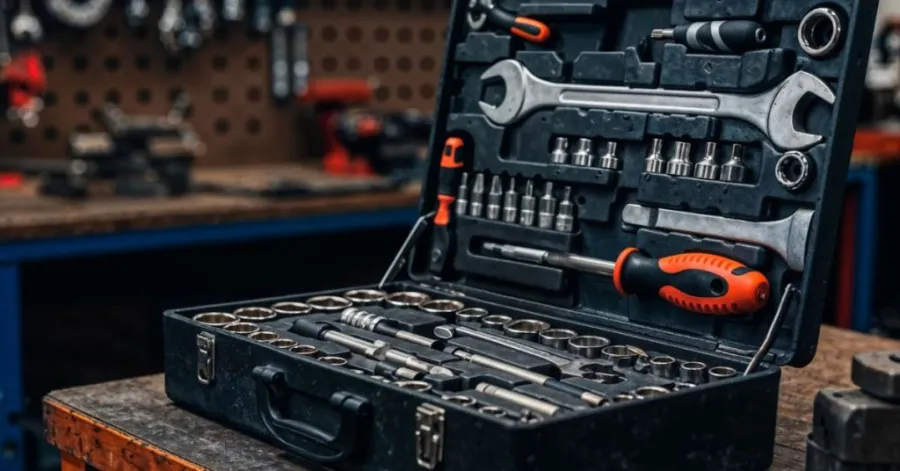
Choosing the right socket size is the first step to getting repair jobs done smoothly. A socket that fits snugly on the nut or bolt makes your work easier and prevents damage. To do this, measure the fastener and match it with the correct socket. It is also important to check the drive size and socket type before you begin. Using the right size not only makes your task faster but also safer. With a clear socket size guide, you can understand torque, measurement systems, and socket types, helping you finish your projects with confidence.
Socket Size Guide
When you start learning about socket sets, knowing the right socket size is important. A good socket size guide for beginners helps you understand how to choose the right tool for each fastener. Sockets come in different systems, drive sizes, and types. Each plays a role in making your work faster, safer, and easier.
Difference Between Metric and SAE Socket Sizes
In every socket size guide, you will find two main systems: metric and SAE. Metric sockets are measured in millimeters, while SAE sockets use inches or fractions of an inch. If you are working on cars made outside the United States, you will most likely use metric sockets.
For American-made vehicles and equipment, SAE sockets are more common. Knowing the difference between metric and SAE socket sizes helps you avoid mistakes. Using the wrong system can cause slipping or damage. The best option is to keep both types in your toolbox so you can handle any project with ease.
Drive Sizes and Their Uses
The drive size shows how the socket connects to the ratchet or wrench. Common sizes include 1/4″, 3/8″, and 1/2″. A 1/4″ drive is useful for small fasteners or working in tight spaces. A 3/8″ drive is often used for general repairs in the garage or at home.
A 1/2″ drive is stronger and handles larger bolts that need more torque. Understanding how to read socket sizes and drive types helps you choose the right tool for your project. Matching the drive size with the correct socket ensures you get the job done smoothly and safely.
Standard and Deep Socket Types
When learning what socket size I need, it is important to know socket types as well. Most nuts and bolts work in standard sockets that are shorter. Deep sockets are longer and assist you in accessing bolts embedded well into a hole or long threads. There are standard and deep metric and SAE sizes.
A standard socket is typically good when doing a manual house job. You may have to use a deep socket frequently when maintaining the car. Understanding deep socket sets is one of the things that would enable you to choose the appropriate tool to use when doing various tasks.
Choose the Right Socket Size
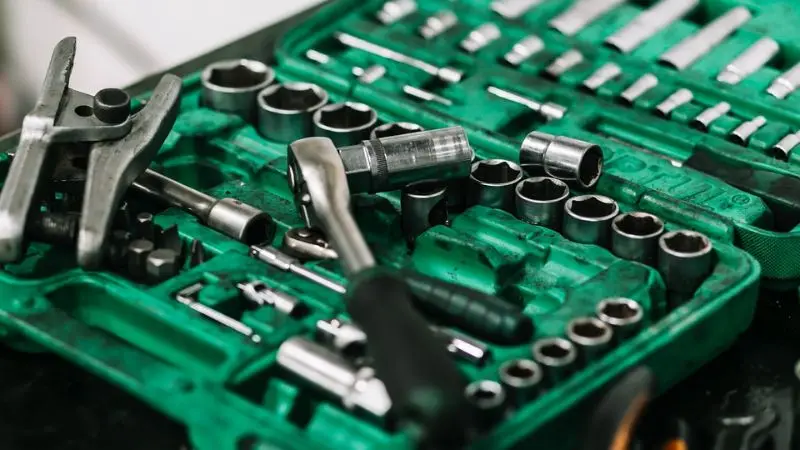
Picking the right socket size makes your work faster, easier, and safer. A proper socket set buying guide helps you avoid mistakes and keeps your bolts in good condition. By learning to measure, match, and select the correct tools, you will save time and finish your projects with confidence.
Identify the Fastener Size
The first step in knowing what socket size do I need is checking the fastener itself. Look at the nut or bolt and measure it across the flats. You can use a ruler, caliper, or socket gauge to do this. The number you get tells you which socket sizes to test first.
If you do not have measuring tools, you can try different sockets until one fits snugly. Avoid using a socket that feels loose, as it may slip and damage the fastener. Measuring correctly makes it easier to choose the right tool and get the job done smoothly.
Match the Measurement System
After knowing the size, you now have to choose between metric and SAE. Knowing how to compare a metric and SAE socket size can save you from mistakes. Metric sockets are also measured in millimeters; SAE sockets are measured in inches or fractions. You will see many car manuals or project guides telling you which system you should use.
Otherwise, just match the measurement that you made with the socket type. With the appropriate system, the socket will have a strong grip and will not be sloppy. With either of them in your toolbox, you are prepared to tackle any repair.
Select the Right Drive Size
The drive size is the square opening that attaches to your ratchet. Understanding how to read socket sizes also means knowing drive sizes. The most common are 1/4″, 3/8″, and 1/2″. A 1/4″ drive is best for light jobs like bicycle repairs.
A 3/8″ drive works for most household and car tasks. A 1/2″ drive is for heavy-duty projects, such as working on trucks. Choosing the right drive size makes your work easier and prevents damage to your tools. Always match the drive size to your ratchet so the socket locks firmly in place.
Think About Torque and Material
Torque is the force you use to turn a nut or bolt. Knowing how torque works is an important part of a socket size guide for beginners. Small sockets are not built for high torque, while larger sockets can handle more force. Using the wrong match can damage your tool or the fastener.
Keep these points in mind:
- Small sockets have less torque and are better for light tasks.
- Large sockets provide more torque, making them ideal for heavy-duty jobs.
- Hard metals can handle more turning force.
- Soft metals need gentle handling to avoid damage.
By choosing the right socket size, drive, and torque level, you keep your tools safe and your work reliable.
Common Socket Sizes
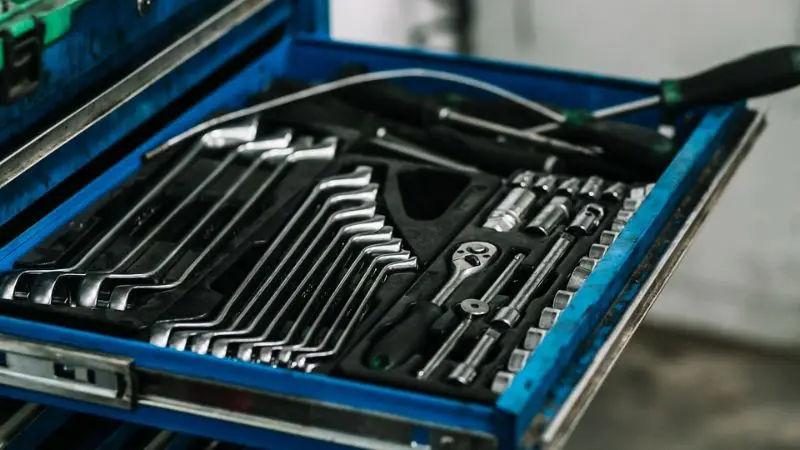
When you check any socket size guide for beginners, you will notice that some socket sizes are used more than others. These popular sizes are worth keeping ready in your toolbox because they fit many bolts and nuts in cars, bikes, furniture, and home repairs.
Most-Used Metric Socket Sizes
Metric sockets measure in millimeters and are common in cars, bikes, and imported equipment. Some of the most commonly used socket sizes for cars and machines include:
- 8mm – works well for small bolts in electronics and light bike repairs.
- 10mm – one of the most used sockets, often found on car batteries, brakes, and engine parts.
- 12mm – useful for medium bolts in motorcycles and general repairs.
- 13mm – fits many bolts on bikes and smaller machinery.
- 14mm – often needed for suspension and brake parts.
- 17mm – works well for wheel nuts and larger fasteners.
- 19mm – common in heavy-duty bolts on vehicles and machinery.
Most-Used SAE Socket Sizes
SAE sockets are measured in inches or fractions of an inch. You will see them most often in American-made vehicles, trucks, and home repairs. The most common SAE socket sizes include:
- 1/4″ – best for very small fasteners in electronics or appliances.
- 5/16″ – used for small auto parts and light machinery.
- 3/8″ – a very popular size for engine work and car maintenance.
- 7/16″ – common in home repairs and some auto fittings.
- 1/2″ – widely used for furniture assembly and larger car bolts.
- 9/16″ – needed for medium to heavy-duty auto repairs.
- 5/8″ – useful for spark plugs and other car engine parts.
Where These Sizes Are Used
If you are asking yourself, “What socket size do I need?” it usually depends on the project. Here are some simple examples to guide you:
- A 10mm socket is almost always needed in car repairs, especially for batteries and brakes.
- A 13mm socket is handy for bike maintenance and small machinery.
- A 3/8″ socket is perfect for engine work and general auto repairs.
- A 1/2″ socket is great for building or fixing furniture.
- A 17mm socket is commonly used for tightening or loosening wheel nuts.
By learning how to read socket sizes and keeping these common sizes ready, you can avoid delays, protect your tools, and finish your projects with confidence.
How to Choose the Right Socket Set
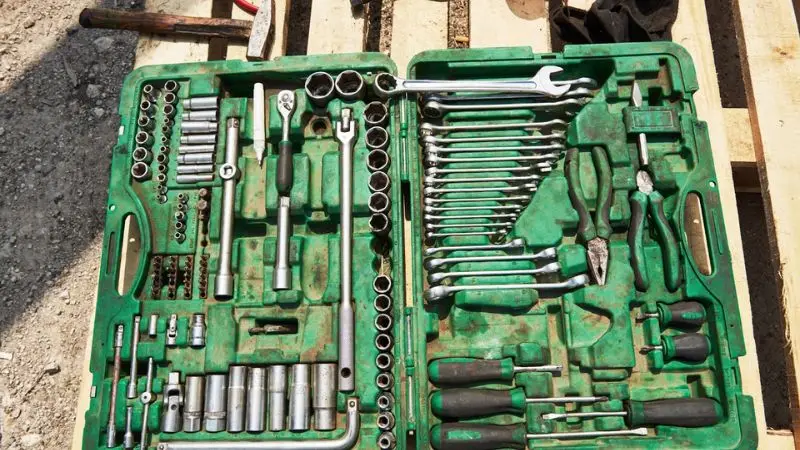
Picking the right socket set can feel confusing, but it becomes simple when you know what to look for. The right set depends on your skill level, your most common projects, and the quality of tools you want in your toolbox. Below, let’s explore what socket set features matter for beginners, advanced users, and anyone who wants lasting quality.
Essentials for Beginners
If you are just starting, you may ask, what is the best socket set for beginners? The answer is a set that covers the basics. A good starter set includes both metric and SAE socket sizes so you can handle different projects. It should also give you a mix of standard and deep sockets, since each works for different situations.
Look for the three common drive sizes—1/4″, 3/8″, and 1/2″—along with a durable ratchet and some extensions. Choosing a set with clear size markings will save time and prevent mistakes. For beginners, variety and simplicity are key.
Upgrades for Pros
As you gain experience, your needs change. Professionals often want more than just the basics. They may add impact sockets for heavy-duty jobs, spark plug sockets for engines, or extra-long extensions for hard-to-reach places. Choosing the right socket set depends on your work.
If you repair cars, you will use more metric socket sizes. If you work on heavy machines, you will need sockets that handle high torque without breaking. Many advanced users even keep several sets for different tasks. The best choice comes from matching your tools to your projects.
Material and Quality
Quality matters as much as quantity when buying tools. The best socket sets are made of chrome vanadium steel, which is strong and resists rust. This material keeps your sockets reliable, even under pressure.
A good storage case also makes a difference, since it keeps everything organized and easy to find. When asking, “what socket size do I need, or what set is best?” always think about durability. Check if the brand offers a solid warranty, as that shows trust in their product. Strong, well-made tools last longer and protect your fasteners from damage.
How to Care for and Fix Your Socket Set
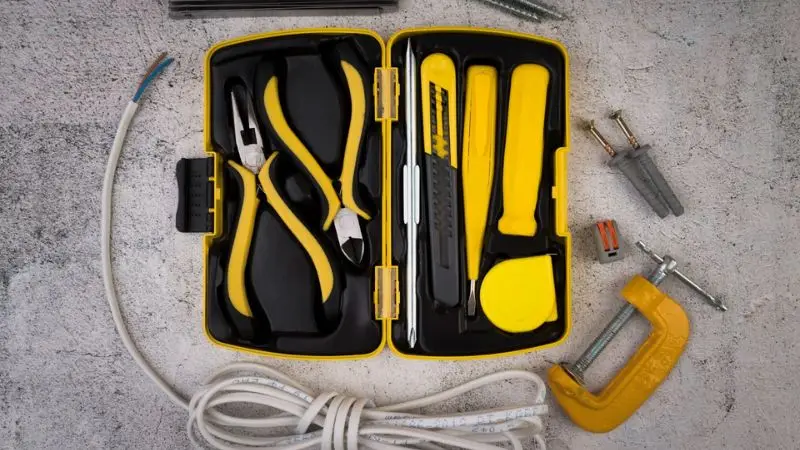
Keeping your socket set in good condition makes your work easier and your tools last longer. Proper care prevents damage to sockets, ratchets, and fasteners. By cleaning, storing, and checking your tools regularly, you can avoid many common problems and ensure your socket set works every time.
Cleaning and Storage
Cleaning and storing your tools is important to keep them in top shape. After each use, wipe off dirt, grease, or dust with a clean cloth. If you see rust or sticky spots, use a small brush and a drop of oil. Store your sockets and ratchets in a dry place, like a toolbox or a case with slots for each size. Organized storage helps you find the socket size you need quickly. Proper cleaning and storage also prevent rust and keep your set ready for any project.
Preventing Wear
Keep your tools in the right place to avoid breaking. Select the right size socket wrench for the nut or bolt. Do not push the tool on tight fittings, as it may strip the bolts or break the sockets. To smooth the ratchet, put a small dab of oil on the ratchet and the moving parts. You should not make cracks on any of your tools by banging them on surfaces like rocks, etc. Regular maintenance can help your sockets to be safer with increased torque and can maintain your job.
Important steps include:
- Install the right socket size – avoids tool and fastener damage.
- Hub grease, ratchet, and moving parts – Provide ease in the operation.
- Store correctly – less rust, and tools are tidy.
Fixing Common Issues
Even perfectly well-maintained machines can get a few little hitch problems. When a ratchet drops, there might be dirt within the ratchet. Wipe it and put one drop of oil. Unless a socket fits, be sure you have the correct size. A small amount of oil can be rubbed into the stuck socks to loosen them. When you see that there are cracks, chips, or worn parts, replace the socket immediately. Common inspections avoid accidents and also maintain the operational safety of your socket set when doing any kind of work.
Wrap Up
A right socket size guide is an essential tool for anyone who works on cars, bikes, furniture, or home projects. Knowing what socket size I need, how to read metric and SAE sizes, and which sockets are most common helps you work faster and safer. Choose a set that fits your needs, with quality materials, standard and deep sockets, and the right drive sizes. Keep your tools clean, lubricated, and organized to last longer. With the right socket set and proper care, even beginners can tackle repairs confidently and complete projects with less effort.
FAQ
What if a socket feels loose on a bolt?
A loose socket can slip and damage the bolt. Try the next smaller size. Always use a socket that fits snugly. If you cannot find a perfect fit, check if you need a metric or SAE socket.
Can I use metric sockets on SAE bolts?
You can sometimes use metric sockets on SAE bolts, but it is not safe. The fit will not be exact. This can round off the bolt head. Always match the socket system to the bolt for best results.
How do I know if I need a deep socket?
You need a deep socket when the bolt or nut sits below the surface or has a long thread. Deep sockets reach fasteners that standard sockets cannot. Check your project before you start.
What is the best way to organize my socket set?
Use a socket organizer tray or a case with labeled slots. Group sockets by size and type. This helps you find the right tool quickly and keeps your set complete.