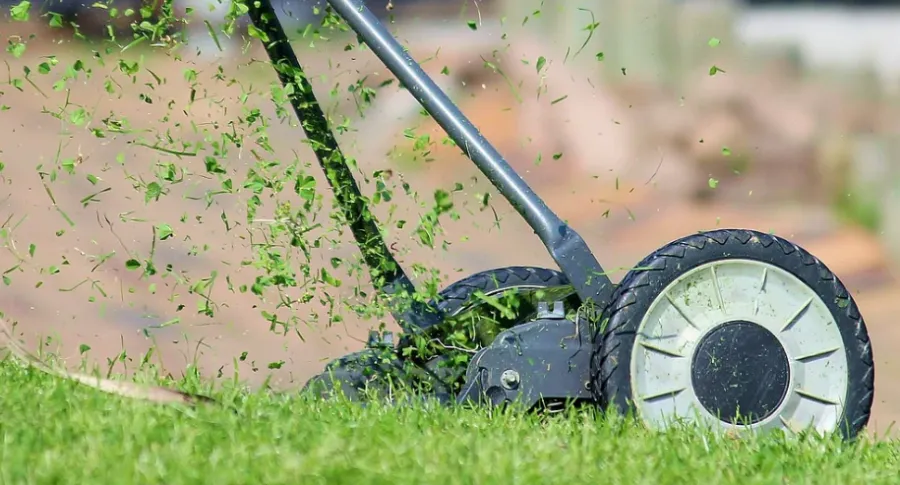
Most homeowners are mostly confused about what to do with the grass clippings after mowing their lawn. Some choose to bag them to make them look clean, while others drop them on the lawn. The fact is that both alternatives may be effective in various circumstances. In many cases, the question of should you leave grass clippings on the lawn depends on how the grass is cut and the condition of the yard. A lawn sweeper can also be used to quickly collect clippings when you prefer a cleaner finish
When properly applied, grass clippings can make the soil healthier and enable more robust, healthier grass to grow. Nevertheless, it is also possible to take them away on certain occasions. This guide will help you understand the advantages, disadvantages, and best practices so you can make informed decisions about what to do in your yard.
When to Leave Grass Clippings on the Lawn
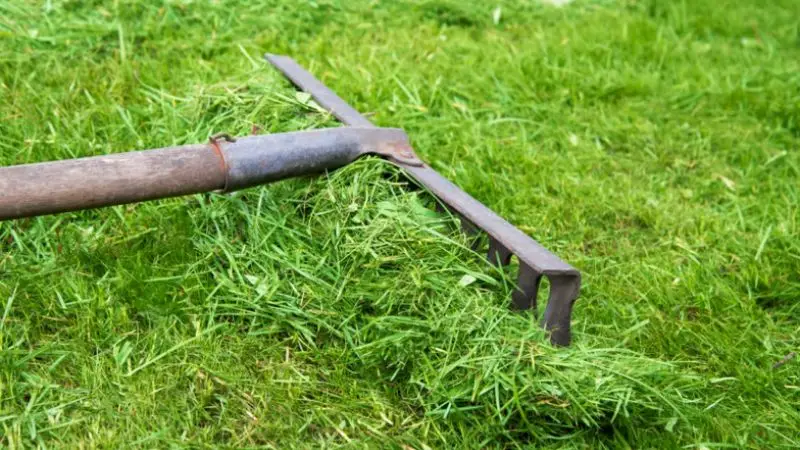
It is also important to know when to leave grass clippings on the lawn after mowing to ensure that your lawn is healthy and green. Grass clippings may improve soil quality, reduce waste, and encourage natural lawn growth when applied correctly. They serve as a free source of nutrients when the circumstances are appropriate. Nevertheless, the technique is effective only in cases of proper mowing and a well-kept lawn. Learning when to remove clippings will ensure you have a clean, healthy, and more balanced lawn all year round.
When Grass Is Cut Short and Even
When you regularly cut the lawn and trim the grass in small, even quantities, you should leave the grass clippings. The clippings in this case are short and were easily scattered across the grass without forming piles. This enables them to decompose easily and nourish the soil. This process justifies should you leave grass clippings on the lawn after mowing since it is a natural way of enhancing soil fertility and encouraging the growth of greener and stronger grass. It also minimizes the use of additional fertilizers and makes lawn care easy and efficient in the long-term.
When Clippings Are Dry and Light
Grass clippings should be left dry and light when it is dry since they do not stick and form clumps. Dry clippings are evenly dispersed and break down more quickly, so nutrients can be taken back into the soil more easily. This promotes healthier grass and enhances the lawn’s health in a natural way. Here, the use of grass clippings left on the lawn to fertilize it is more efficient, since decomposition occurs without issues. It also helps maintain soil moisture balance and prevents overgrown, uncontrollable lawns without additional work.
When the Lawn Is Healthy and Free from Disease
The grass clippings should be left when the lawn is healthy, without weeds, pests, or disease. Under these circumstances, clippings serve as a natural fertilizer, recycling valuable nutrients back into the soil. This enhances grass strength and promotes lawn health in the long run. It also eliminates yard waste and simplifies lawn maintenance. However, one should not use the technique when the lawn is unhealthy, as this is associated with not leaving grass clippings on the lawn after mowing. Natural grass recycling is most beneficial to a healthy lawn.
Benefits of Leaving Grass Clippings on the Lawn
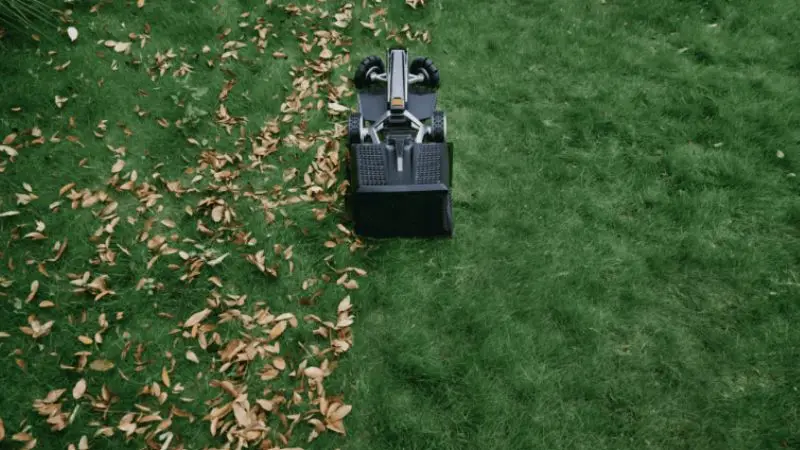
Knowing the benefits of leaving grass clippings on the lawn to fertilize the soil can help you maintain your lawn more effectively at no extra cost or effort. You can reuse the clippings instead of disposing of them to naturally enhance soil health. This is an easy practice that can help ensure your grass gets greener over time.
When properly done, grass clippings decay quickly and replenish beneficial nutrients in the soil. But it is also good to know when not to leave grass clippings in front of the lawn after cutting, to prevent issues such as clumping or poor grass growth.
Helps Feed Your Grass Naturally
When left on the lawn, grass clippings act as natural fertilizer. They are decomposed easily and return nutrients such as nitrogen to the soil. This aids the grass to grow thicker, greener, and healthier with minimal use of chemical fertilizers. It is a simple method for enhancing soil quality and maintaining lawn care. The advantage of leaving grass clippings on your lawn to fertilize it is that it is a natural way of feeding your lawn, and over time, it will grow stronger and look better with very little additional effort.
Saves Time While Mowing
Leaving grass clippings on the lawn makes mowing much easier and quicker. You need not go out and rake up the grass or take time to bag it after cutting it. This will save time and reduce the overall work of maintaining the lawn. It comes in particularly handy when one has a large yard or is busy. One of the greatest benefits when considering whether to leave grass clippings on the lawn after mowing or not is the saving of time. Your lawn work can be completed in a very short time and still maintain your grass well-kept and healthy.
Keeps Soil Moist and Healthy
Grass mowing helps keep the soil moist for an extended period, as the clippings form a light blanket over the soil. This minimizes the rate at which water evaporates, particularly when it is hot. This keeps your lawn moist longer, allowing the roots to absorb more water. This assists the grass to remain strong and green even during dry seasons. The moisture protection is most effective when the clippings are not piled up in large amounts, which can cover the grass and prevent sunlight and air from passing freely.
Good for the Environment
It is also beneficial to the environment, as it helps reduce yard waste by allowing grass clippings to remain on the lawn. You do not dispose of the natural material but recycle it back into the soil, where it can be reused. This will reduce the quantity of waste in landfills and encourage environmentally friendly lawn mowing. It also minimizes the use of chemical fertilizers, which at times damage the environment. This makes it an easy and sustainable gardening technique when coupled with appropriate mowing and awareness not to leave grass cuttings on lawns after mowing.
When You Should NOT Leave Grass Clippings on the Lawn
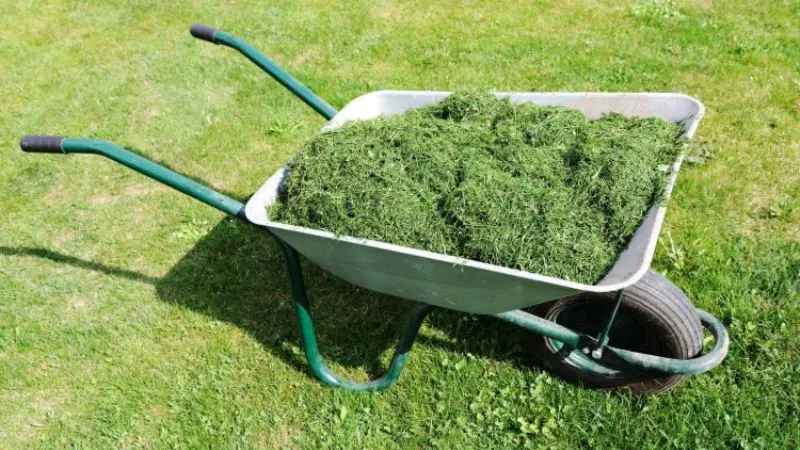
Although the advantages of retaining grass clippings on the lawn as fertilizer are useful in most cases, there are situations where it would be prudent to remove them. The incorrect conditions under which you keep the clippings might be damaging your lawn rather than benefiting it. Being aware of these conditions will help you maintain your grass healthy, clean, and balanced.
Another consideration is when to avoid leaving grass clippings on the grass after mowing to prevent such problems as mold, poor growth, or spots.
When Grass Is Too Long
When the grass is long to be cut, the clippings will be long and bulky. Long clipping is not easy to break down and can create clumps on the grass. Such clumps can block sunlight and air circulation, which can weaken the grass below. This may lead to uneven growth and patchy areas with time. Where this happens, it is advisable to gather and rake up the clippings rather than letting them decompose on the lawn. Using a lawn sweeper can make the cleanup process faster and more efficient, especially when dealing with thick or overgrown grass after mowing.
When the Lawn Is Wet
Clippings of wet grasses are also likely to adhere together in dense and bulky masses. This can trap moisture in these piles and lead to mold or fungus. The wet conditions also reduce the rate of decomposition, so the clippings remain on the grass longer than they should. This may end up destroying the good grass beneath and leaving the lawn untidy. Under such circumstances, it is a less risky option to eliminate clippings in order to have a clean and healthy lawn surface.
When the Lawn Has Disease
When your lawn is diseased, it is not good to leave clippings behind, as this may worsen the situation. Sick grass can harbor fungi, bacteria, and other dangerous factors, which can be transmitted when the grass is not swept away. Eradicating them is also a way of avoiding the spread of the disease to other regions of the lawn. This measure will be significant in safeguarding healthy grass and curbing the vice at an early stage. When this happens, it is preferable to clean up rather than dump clippings into the soil.
When Thick Clumping Happens
In some cases, mowing leaves large piles of grass clippings in parts of the lawn. These heavy clumps can block sunlight, slow airflow, and suffocate the grass below. This not only inhibits healthy growth but may even form dead patches in the long run. Where clumping occurs, the surplus clipping should be dispersed or eliminated rather than piling it up in a single location. This helps keep the lawn surface even, healthy, and well-aerated.
Best Practices for Leaving Grass Clippings
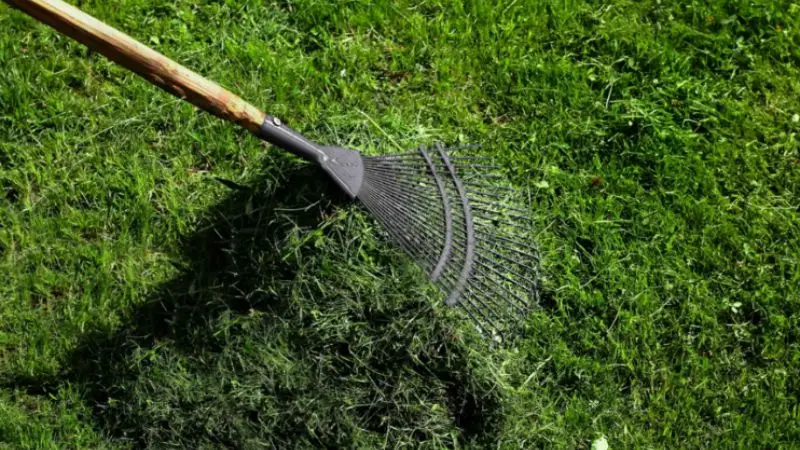
After considering the advantages of leaving grass clippings on the lawn to fertilize, the best alternative is the application of the appropriate mowing habits. Best practices enable clippings to decompose in a healthy manner rather than forming clumps or damaging the soil. A proper routine keeps your lawn clean, green, and easy to manage.
You should also know that it depends on how well you take care of your lawn as to whether you should leave grass clippings on the lawn after mowing. Minor changes in mowing can have a significant impact on outcomes.
Mow Regularly and Use a Lawn Sweeper to Prevent Clippings Build-Up
Regular mowing of your lawn is one of the best ways to ensure the grass produces small, manageable clippings. With regular grass cutting, it remains healthy in height, and the clippings are fine and decompose easily in the soil. Mowing also helps eliminate long, heavy grasses that tend to form clumps and destroy healthy turf in the long run. Once the mowing process is complete, we can use a lawn sweeper to remove any unwanted clippings that may begin to accumulate soon and keep the lawn clean, smooth, and in excellent condition.
@tada.greenhouse VEVOR tow behind lawn sweeper. Easiest was to keep your yard clean and looking great. Easy to use and pulls great. #tiktoksummerturnup #vevorsummerlife #vevor_us #lawnsweeper #yardcleanup
♬ original sound – TaDa Greenhouse
Use a Mulching Mower for Better Cutting
A mulching mower cuts the grass into very small pieces and disperses them across the lawn. This aids in the faster breakdown of clippings and enhances natural soil quality. It also minimizes the risk of clumping, which can damage the grass beneath. This is the method to use if you leave grass clippings on the lawn after mowing, as it is a much safer and more effective way to do so. Finer clippings improve the recycling of nutrients in your lawn and give it a neat look with no additional effort.
Spread Grass Clippings Evenly on the Lawn
It is also necessary to ensure that clippings are distributed evenly after mowing, rather than left in piles. Even distribution assists grass clippings to break down effectively and avoids sunlight obstruction. In areas where the clippings are too dense, they may suffocate grass and inhibit healthy growth. This is a crucial advantage of keeping grass clippings on the lawn to fertilize it, since balanced application ensures nutrients are deposited evenly in the soil. It also maintains your lawn in a clean and well-maintained state.
Do Not Cut Too Much Grass at Once
It is advisable not to mow a lot of grass in one mowing session, as this produces long and thick clippings that cannot be broken down easily. It is a good rule never to cut off more than one-third of the grass at a time. This is beneficial in keeping the lawn healthy and avoiding stress. Clumping is related to overcutting and to not leaving grass clippings on the lawn after a cut; heavy clumps will block sunlight and kill grass in the shade. Mowing leaves your lawn healthy and even.
Common Mistakes to Avoid When Handling Grass Clippings
Although the advantages of leaving grass clippings on the lawn to fertilize it are obvious, many people make simple mistakes that reduce the benefits or even damage the lawn. Lawn care involves not only mowing but also how you handle the cut-out. Preventing common mistakes will help keep your grass healthy, green, and in balance.
Another thing to keep in mind is when not to leave grass clippings on the lawn after mowing, since in some circumstances, the otherwise helpful clippings may become a problem.
Leaving Thick Clumps of Grass on the Lawn
A common mistake is leaving thick piles of grass after mowing the lawn. These mounds are an obstacle to sunlight and airflow, which may dilute the grass below. They may cause patches of death and uneven growth rather than contributing to it. To fully benefit from using grass clippings to fertilize the lawn, the clippings must be dispersed evenly across the lawn so they break down naturally and are incorporated into the soil. A lawn sweeper is a practical tool that helps quickly clear thick clumps and keep the lawn surface smooth, clean, and well-maintained.
Mowing Wet Grass and Leaving Clippings
Another error that can cause problems is mowing wet grass. Wet clippings clump together and create thick piles, which are difficult to decompose. It may result in fungus, mold, and lawn destruction. Where this is done, it is preferable to take away the clippings rather than leave them there. This is directly connected to the fact that, when not to leave grass clippings on the lawn after mowing, wet grass is among the chief conditions to be avoided.
Cutting Grass Too Short at One Time
Excessive grass cutting during one mowing would overwork the grass and leave long and heavy cuttings. Such clippings are more difficult to decompose, and they tend to clump. The best mowing practice is to not cut more than one-third of the grass height at a time. This helps ensure constant growth and avoids destruction. Incorrect cutting will mean that the advantages of retaining grass clippings on a lawn to fertilize it will not be reaped to the advantage of the lawn itself.
Ignoring Lawn Condition Before Mowing
The second error is to fail to check the condition of the lawn before mowing. Variables such as moisture and grass height, as well as disease, should not be overlooked. By not taking these into consideration, one may end up with poor outcomes and unhealthy grass. For example, when the lawn is sick or excessively moist, it is inadvisable to leave clippings, as they would worsen the situation. That is why it is essential to know when not to leave grass clippings on the lawn after mowing to maintain healthy lawns over the long term.
Wrap Up
Grass clippings are not a waste but a valuable aspect of yard work when used properly. The advantages of leaving grass clippings on the lawn to fertilize the soil are as follows: recycling of natural nutrients, enhanced soil moisture, and reduced lawn work. But it is also essential to understand when not to leave grass clippings on the lawn after mowing, such as in wet weather, when there is disease, or when the clippings are heavily clumped. Maintaining a greener, easier-to-care-for lawn by knowing when to take off or add clippings can help you keep it healthy. Mowing properly affects the strength of the lawn and its overall look in the long run.
FAQs
Is it always advisable to leave grass clippings on the lawn?
No, you ought to leave little, dry clipping. They do not recommend the use of synthetic fertilizers, but wet, long, or clumped clipping must be removed to prevent damage to the lawns.
Do grass clippings ever fertilize the soil?
Yes, grass clippings decompose fast and replenish nutrients such as nitrogen to the soil, enhancing the health of the grass and enabling it to grow strong and green naturally with time.
What are the times that you should not leave grass clippings?
Cut away grass that is wet, long, and diseased. The result of these conditions may be clumping, molding or propagation of problems in the lawn rather than benefit.
Is bagging better than mulching grass clipping?
The answer is yes, the healthy lawns are generally better mulched since they recycle nutrients. The only time that bagging is superior is when the lawn is overgrown, wet, or diseased.