For the purpose of achieving success in the task that you do, it is essential to possess exact instruments. When you use a self-leveling rotary laser level, you can collect accurate measurements and set up in a relatively short amount of time. Because the level automatically adjusts itself, this is it. This is always the case, regardless of the circumstances. Using a self-leveling rotary laser level properly reduces the probability of mistakes and helps you complete your work on the site more quickly. This is because the level automatically levels itself.
In this article, we will explain how to use a self leveling rotary laser level for accurate and efficient measurements. You’ll learn the setup process, essential operating tips, and best practices to improve precision and reduce errors on construction and DIY projects.
Table of Contents
What Is a Self Leveling Rotary Laser Level?
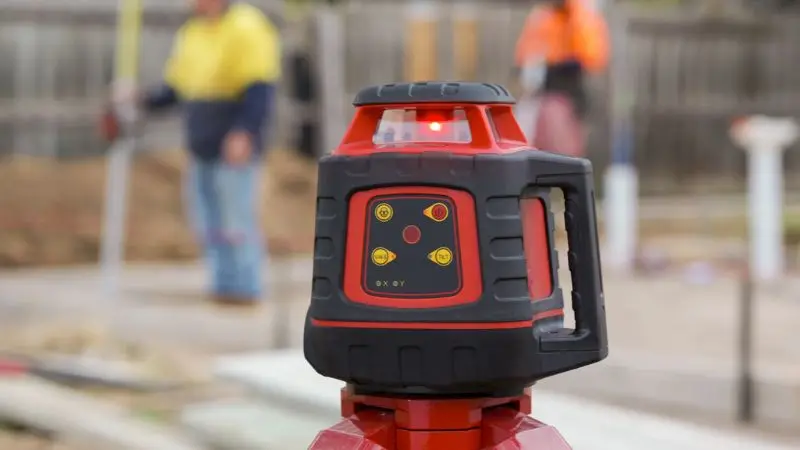
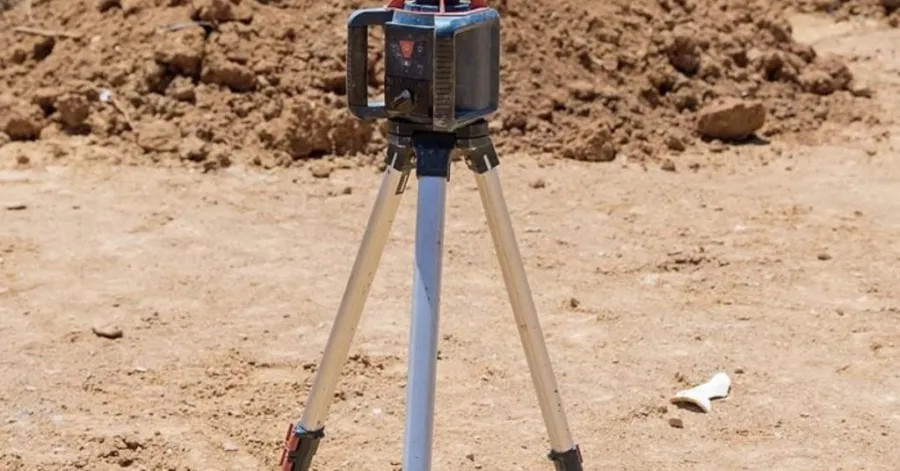
A self leveling rotary laser level for grading is a device that enables you to establish straight and level lines around a job site. It’s used to keep floors, walls, and other surfaces flat. It is a handy tool and will save you a lot of time. Place the laser level on a tripod or flat surface. The instrument levels itself using an inbuilt mechanism. You don’t need to modify it manually. The laser fan out in a complete circle and produces a visible line or beam. You can see this line on walls, floors, or any other surface.
Recommended For Your Project
Main features of a self leveling rotary laser level:
-
- Self-leveling mechanism: The tool finds level automatically.
-
- Rotating laser beam: The laser spins 360 degrees to cover large areas.
-
- Laser receiver: You use this accessory to detect the laser line, even in bright light or outdoors.
-
- Tripod mount: You can set the tool on a tripod for stability.
You employ this tool for a variety of purposes. You can lay out pipes, install drop ceilings, or lay foundations. You can work more quickly and with greater assurance when you use the laser level. If something is straight or level, you do not need to make an educated guess.
Here is a quick comparison:
| Feature | Benefit |
| Self-leveling | Saves time and reduces errors |
| 360-degree rotation | Covers large work areas |
| Laser receiver | Works in bright conditions |
| Tripod compatibility | Increases stability |
When you use a self-leveling rotary laser level, you get better results on every job. You can trust your measurements and finish your work with less stress.
Top Tips for Using a Self Leveling Rotary Laser Level on Job
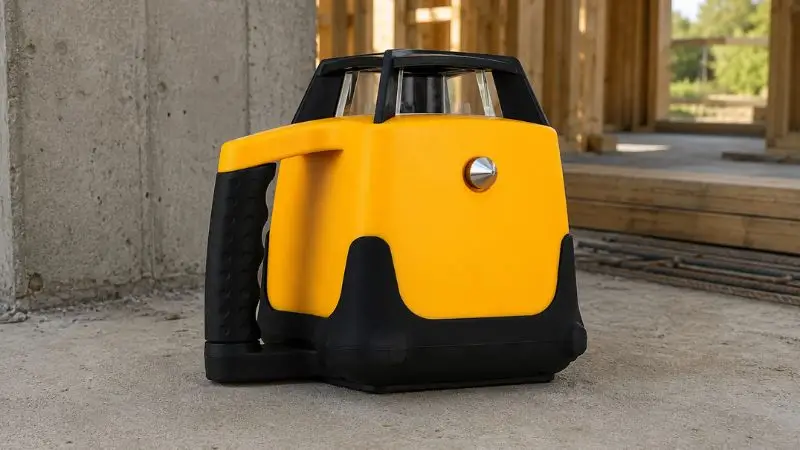
Properly using a self leveling rotary laser level for construction can improve accuracy, increase productivity, and help reduce costly mistakes on the job site. Following a few practical best practices will allow you to get reliable measurements from the tool for your project. The tips below will help you get the most accurate results, while extending the life of your laser level.
Set Up the Laser Level on a Flat and Stable Surface
You will also need a steady, flat surface to operate your self leveling rotary laser level for contractors. Place the instrument on a tripod or a stable surface. This procedure helps ensure accurate measurements. If the base moves, then the level line you have drawn will not remain straight. Always inspect the ground before you begin to set up. Uneven surfaces can make horizontal and vertical lines confusing.
Check the Laser Level Before Starting Work
Before you start, you should carry out a full check of the levels on your self leveling rotary laser level for excavation. Check the lens for debris or cracks. Ensure that the batteries have enough charge. Turn on the instrument and look at the beam it makes. The idea behind this check is to help you avoid mistakes and keep your measurements precise. Whatever building project you are working on, you definitely want your self-leveling rotary laser levels to be in the best condition possible.
Let the Tool Level Itself Before Taking Measurements
After you have finished setting up your self leveling rotary laser level for concrete work, you should allow it some time to level itself. Hold your breath until the tool stops moving and the light is entirely still. This step is necessary for the sake of accuracy. If you’re in a rush, you risk getting the dimensions wrong. The best results for both horizontal and vertical lines are obtained when you let the tool finish its job.
Tip: Always wait for the self-leveling light to stop blinking before you measure.
Keep the Laser Receiver Clean
For accurate measurements, a perfectly spotless laser receiver is essential. Before you begin, make sure that you have swept away any dust and grime. If the beam is unclean, then it may not be able to pick up the signal, and the receiver will not let it. This can affect your accuracy and range. Not only does clean equipment produce better results, but it also lasts longer.
Use the Right Settings for Your Project
Set your self leveling rotary laser level for landscaping to the proper settings for each job. Some tools let you adjust the speed or brightness of the beam. Use the slower speed for indoor work and the faster speed for outdoor jobs. Adjust the range to suit your space. Understanding how to use a rotary laser level and how rotary laser levels are utilized helps you get the most from your tool. These ideas will help you enhance the accuracy of your laser level and speed up your job.
-
- For large areas, use a wide range setting.
-
- For small rooms, use a narrow range.
Follow these tips to get accurate measurements and better results on every job.
How to Get More Accurate Results with a Rotary Laser Level
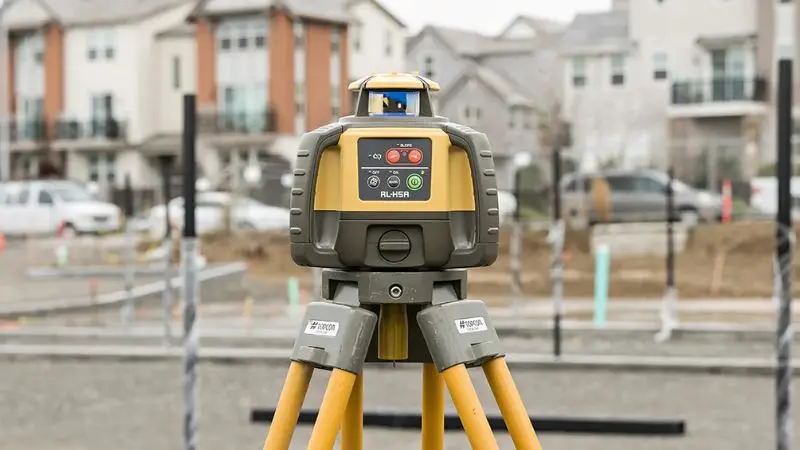
It takes more than a good self leveling rotary laser level for grading to get accurate measurements. With a few easy procedures in set-up and operation, precision can be improved and costly mistakes avoided. If you’re working on a construction site or a DIY project, the tips below will help you achieve consistent, reliable results.
Use a Good Reference Point
You need a good reference point for maximum accuracy. Find somewhere that won’t move while you work. Mark this place so you can see it well. Use this location to check your measurements as you move along. If you have moved the self leveling rotary laser level for contractors, go back to your reference point. This way you will maintain your level lines straight and your measurements accurate. Check your reference point regularly on large construction sites.
Tip: Use bright tape or a marker so your reference point stands out.
Protect Your Laser Level on the Job Site
Self leveling rotary laser level for construction are quite strong, but you have to protect them from damage. When not in use, keep your level in a safe location. Keep away from heavy tools and busy walkways. Dust and water can affect the accuracy of your rotary laser level. If you carry your level, carry it in a case. After each use, clean the lens and body. This care makes your rotary laser levels last longer and keeps your measurements right. You should also check the functional range of your laser level before each assignment. This check prevents you from making a measuring error.
-
- Keep your rotary laser levels in a dry spot.
-
- Wipe off dust and dirt after every use.
-
- Check the laser level working range before you start.
Calibrate Your Laser Level Regularly
Calibration is sensitive to accuracy. You should calibrate your self leveling rotary laser level for excavation periodically, especially if you use it in many construction projects. Learn how to calibrate a rotary laser level by reading your manual. Most rotary laser levels are straightforward to calibrate. To ensure your level provides accurate measurements, follow these procedures. Your rotary laser levels can give you wrong results if you don’t calibrate them. If you notice any faults, you’ll need to know how to calibrate a rotating laser level. Routine calibration keeps your rotary laser levels ready for any job.
| Calibration Step | Why It Matters |
| Check level accuracy | Keeps measurements right |
| Adjust as needed | Fixes small mistakes |
| Test after calibration | Confirms correct setup |
Note: Calibration helps you trust your rotary laser levels on every construction site.
Common Mistakes When Using Rotary Laser Levels
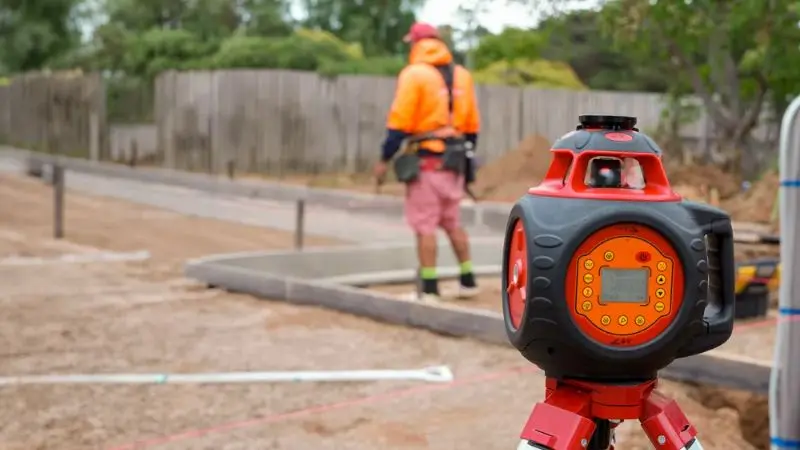
Even the best self leveling rotary laser level for concrete work will give you inaccurate results if it is not used correctly. Knowing the most common faults will help you prevent measuring errors, save your time, and improve the quality of your job. The sections below show common mistakes made during setup and operation, along with simple ways to avoid them.
Using the Tool on an Uneven Surface
You must always place rotary laser levels on a flat and stable surface. If you set the tool on an uneven spot, the level will not work as it should. Your measurements will not be correct. You may see the laser line drift or tilt. This mistake can ruin the accuracy of your work. Always check the ground before you set up a self leveling rotary laser level for grading. Use a tripod if you can. A stable base helps you keep the level steady and your measurements true.
Tip: Mark the spot where you set up rotary laser levels. This helps you return to the same place if you need to check your work later.
Not Checking the Calibration
Calibration is how rotating laser levels stay accurate. Don’t omit this step and risk poor measurements. Check calibration before each job. Many rotary laser levels feature a simple way to test the level. Read your manual and follow the instructions. Before you start, fix any errors you see. Good calibration implies more accurate readings and fewer errors. You want your self leveling rotary laser level for excavation to provide you the right level every time.
| Calibration Check | Why It Matters |
| Before each job | Keeps accuracy strong |
| After a drop | Fixes hidden errors |
Moving the Laser Level During Work
You mustn’t change rotational laser levels while you are measuring. Whenever you move or bump the tool, the level line will be adjusted accordingly. This can cause a mismatch between your measurements. Your project may experience difficulties in terms of its accuracy and scope as a result of this mistake. When moving rotary laser levels, you should always finish your measurements before moving them. If you need to move the tool, reset the level and check your reference point. This routine ensures that your work is clean and that your measurements are accurate.
Using a self leveling rotary laser level for construction the right way helps you get the best accuracy and results. Avoid these common mistakes to keep your level lines straight and your measurements on target.
Conclusion
By following a few best practices, you will be able to achieve results with your self leveling rotary laser level that are accurate and trustworthy. Always set the laser level on a tripod or other stable, level platform to keep it from shifting while in use. Before each use, perform a thorough inspection and cleaning of the tool to remove any dust or debris that may affect its functionality. Before you make any measurements, wait until the laser has completed its self-leveling process. It is necessary to periodically calibrate for long-term accuracy, particularly when the instrument is transferred. Handle the laser level with care to prevent damage.
FAQ
How do you know if your rotary laser level is self-leveling?
You can check the product label or manual. Self-leveling models have an automatic leveling feature. You will see a light or hear a beep when the tool finds level.
Can you use a rotary laser level outdoors?
Yes, you can use it outdoors. Use a laser receiver for bright sunlight. This accessory helps you see the laser line even when the sun is strong.
How often should you calibrate your rotary laser level?
You should calibrate your tool before each big project. If you drop the tool or notice errors, calibrate right away. Regular checks keep your measurements accurate.
What should you do if the laser line is hard to see?
Try increasing the brightness setting. Use a laser receiver for better visibility. Clean the lens to remove dust. Work in lower light if possible.
Tip: Wear laser enhancement glasses to see the line more clearly.