You should always choose a gasoline can that meets OSHA rules. These cans are designed with special features, like spring-closing lids and flame arresters, that reduce fire risks and keep you protected. Using the right safety measures can not only keep your fuel secure but also ensure your workplace stays compliant with safety standards.
OSHA-approved safety gasoline cans and jerry cans lower the chances of spills, accidents, and fines while making storage much safer. By following the proper guidelines, you protect yourself and others. Safe fuel handling isn’t just about rules—it’s about making every environment safer for everyone.
Safety Can Compliance and Why It Matters
Before handling or storing gasoline, it’s important to understand the rules that keep you safe. Safety gasoline cans are designed to reduce fire risks, control spills, and meet official safety standards. Many people ask, What is a safety gasoline can? Simply put, it’s a container made to store fuel in a way that protects both people and property. By learning these rules, you can make better choices at work or at home.
OSHA Requirements for Gasoline Storage
The Occupational Safety and Health Administration (OSHA) sets strict rules about how fuel should be stored. According to OSHA requirements for gasoline storage, a safety can or a jerry can must hold no more than five gallons of fuel. It must have a spring-closing lid to prevent spills and keep vapors inside. Most cans also come with a controlled spout that makes pouring safer.
These features reduce fire hazards and improve handling. Using the right can is not only about safety—it also helps you avoid costly fines. Workplaces that store fuel are required by OSHA to follow these standards for everyone’s protection.
UL and FM-Approved Safety Gas Cans
When shopping for safety gas cans, you will often see approval marks like UL or FM. UL stands for Underwriters Laboratories, while FM means Factory Mutual. These groups test cans under strict conditions to ensure they perform safely. If a can carries one of these marks, it means it has passed important safety checks.
Choosing UL or FM-approved cans gives you peace of mind because you know they are reliable. Beyond that, they help you meet OSHA’s safety rules. When comparing safety gas cans vs regular gas cans, UL and FM-certified ones always offer more dependable protection.
Understanding Type I vs. Type II Safety Gas Cans
Not all safety gas cans are built the same. The two main types are Type I and Type II. A Type I safety can has one spout that you use for both filling and pouring. It’s simple, easy to use, and good for basic storage needs. A Type II safety can, on the other hand, comes with two spouts—one for filling and another for pouring.
Many Type II cans include a flexible hose, making it easier to pour gasoline into small or tight openings without spills. Both types must follow OSHA requirements, but the best choice depends on your needs. If you often refill small equipment, Type II offers more control. If you prefer simplicity, Type I works just fine.
Key Features of Safety Gasoline Cans

When choosing a safety gasoline can, it’s important to look beyond just the price. These cans are built with special features that make fuel handling safer and easier. The right design helps reduce fire risks, prevents leaks, and ensures compliance with workplace rules. From the material to the labeling, every part of a safety can plays a role in keeping you safe while storing or moving gasoline.
Metal vs. Plastic Safety Gas Cans
Safety gas cans are usually made of either metal or plastic, and each type has its own strengths. Metal cans, often built with steel, are very durable and resist punctures, which makes them ideal for busy workshops or industrial sites. Plastic cans are much lighter, making them easier to carry for outdoor tasks or personal use.
Both metal and plastic cans must pass strict safety tests to meet OSHA requirements for gasoline storage. The choice depends on your needs—metal provides toughness in high-use areas, while plastic offers convenience for lighter tasks. In either case, safety and compliance come first.
Choosing the Right Capacity for Safety Gas Cans
The size of your safety gasoline can or a jerry can is another important feature to consider. These cans are usually one- to five-gallon cans. A smaller fuel tank is ideal when you need to do some quick jobs or fill small tools, whereas larger tanks are more appropriate when using equipment with higher fuel consumption.
According to the OSHA requirements, the maximum amount of a safety can should not exceed five gallons because exceeding this value can be impractical. When comparing the ability of this can to your daily fuel consumption, you can prevent waste, remain regulatory, and simplify fuel management at home or the workplace.
Built-In Safety Mechanisms That Protect You
The main reason to use a safety gasoline can is the protection it provides. These cans come with built-in features designed to lower risks. A spring-closing lid automatically seals after use, helping to control spills and stop vapors from escaping. Many cans also include flame arresters, which prevent fire from traveling into the container.
Some models feature locking lids for added security, especially in workplaces with strict safety policies. When you compare safety gas cans vs regular gas cans, these mechanisms are what set them apart. They make handling fuel safer and give you confidence every time you use them.
The Importance of Labels and Color Codes on Safety Gas Cans
Another important quality of safety gasoline cans is proper labeling. Gasoline storage red cans are necessary as well as required by OSHA and NFPA, and the label needs to label the word gasoline with a hazard warning. And the usage of clear labels and standard color code enables the workers to receive the correct canvas in a short time, decreasing the number of mistakes that may result in accidents.
This labeling is also useful at home so that family members can know what is contained in the can and how to dispose of it safely. To find out how to keep gasoline safely at home, one of the most useful and fastest ways is to use an appropriately labeled safety can.
How to Choose an OSHA-Compliant Safety Gasoline Can
You should not only choose the appropriate safety gasoline can, but also stay safe, and meeting the official standards is really convenient. The requirements of gasoline storage, which are found in OSHA, are clear: only approved safety cans are to be used at home or in the workplace. You have to think of how, where, and with what frequency you are going to use the can to make the best choice. Considering these things will lead you to the safest choice that will also suit your everyday activities.
Assessing Your Fuel Storage and Usage Needs
Before buying a safety gasoline can, take a moment to think about your routine. Ask yourself:
- Where will you use it? Indoors, outdoors, or both?
- How often will you transport gasoline? Daily, weekly, or occasionally?
- What kind of environment do you work in? A busy shop or an open field?
- Will you carry cans over long distances or rough ground?
By answering these questions, you can match the can to your situation. For instance, a sturdy metal safety can works well in a crowded shop, while a lighter plastic can is easier to carry outdoors. Extra features like a flexible spout or locking lid may also be worth considering if they make your work safer.
Matching Features to Your Daily Tasks
Once you know your needs, it’s time to connect them with the right safety features. OSHA-compliant safety cans usually include:
- Spring-closing lids to control spills and stop vapors.
- Flame arresters are used to block fire from traveling inside the can.
- Clear labels and color coding for quick identification.
- Lightweight or durable designs, depending on your worksite.
If you often fill small engines, a Type II safety can with a flexible spout gives you better control. For overnight storage, locking lids provide peace of mind. Metal cans are stronger for busy workplaces, while plastic is easier to handle by hand. Each feature plays a role in keeping you safe and compliant.
Considering Budget and Longevity
Price is always a factor, but with safety cans, the cheapest option isn’t always the smartest one. Metal cans usually cost more upfront but resist dents and last for years. Plastic cans are less expensive and lighter, though they may need replacement sooner. When making your choice, think about:
- How often do you use the can (daily use requires durability)?
- Your budget versus long-term value (investing in quality saves money later).
- The importance of OSHA compliance (non-compliant companies risk fines and accidents).
Whether at home or on the job, the benefits of using safety gas cans outweigh the risks of going with a regular container. A reliable, OSHA-approved safety can keep you protected, save money in the long run, and ensure you always follow the law.
How to Verify the Compliance of Safety Gasoline Cans
Not every container that looks like a safety can is truly compliant. That’s why checking for proper approval and information is so important. OSHA requirements for gasoline storage state that only approved safety cans should be used at home or in workplaces. By learning how to identify labels, review manufacturer details, and spot unsafe imitations, you can avoid risks and choose cans that protect you every time.
Checking Labels for Compliance
The first step in knowing what a safety gasoline can is to check the label. A true safety can will show approval marks such as UL, FM, or NFPA. These marks mean the product has passed strict tests for safety and performance. A clear label also ensures the can meets OSHA rules.
When comparing safety gas cans vs regular gas cans, this is one of the biggest differences: certified cans always have labels, while unsafe imitations often don’t. If a label looks fake, is missing, or is hard to read, the can should not be trusted for gasoline storage.
Reviewing Manufacturer Information
Another way to verify compliance is by checking the manufacturer’s details. A reliable company will always display its name, logo, and contact information on the safety can. Many trusted brands also provide a website with instructions, safety guidelines, and customer support for their products.
These resources help you understand how to use and care for your can properly. If you find a container with no manufacturer details, it’s a warning sign. Using products without clear origins increases the risk of failure and makes it impossible to confirm if they meet OSHA requirements for gasoline storage.
Avoiding Unsafe or Non-Compliant Products
Unfortunately, not every can on the market is safe. Some cheap imitations are sold without proper approvals or safety features. These products may look like real safety cans, but they can fail during an emergency. To protect yourself, always:
- Avoid cans without UL, FM, or OSHA approval.
- Stay away from products with missing or fake labels.
- Don’t buy from sellers who provide no maker information.
Remember, the benefits of using safety gas cans only apply when the can is compliant. A real OSHA-approved safety gasoline can help you avoid accidents, follow safety laws, and gain peace of mind, whether you’re storing fuel at work or learning how to store gasoline safely at home.
Proper Use and Maintenance of Safety Gasoline Cans
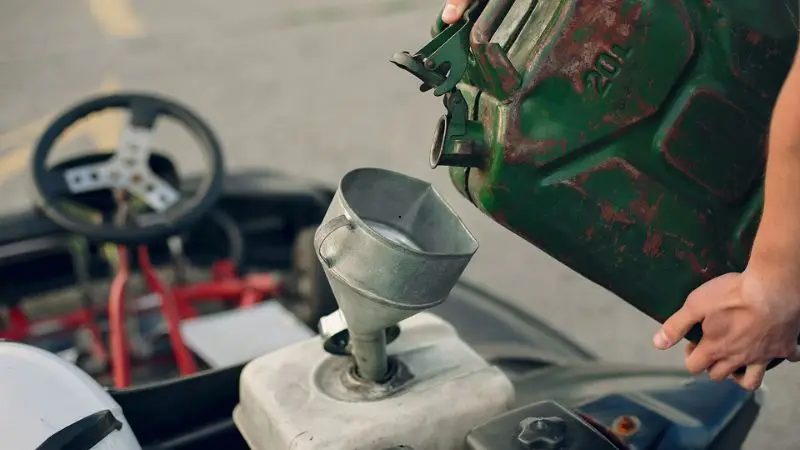
Owning a safety gasoline can is only the first step—you must also use and maintain it correctly. Safe handling, regular inspections, and timely replacement all play a role in protecting you from spills and fire hazards. Whether you’re following OSHA requirements for gasoline storage at work or learning how to store gasoline safely at home, consistent care will keep your can reliable for years.
Safe Handling and Storage Practices
Always take care when you use a safety gasoline can. When holding the can, ensure that you hold it on the handle straight to avoid leaks. Keep it in a dry place free of exposure to direct sunlight, heat sources, or any sort of open flame.
Better safety is guaranteed by a separate storage area, not mixed with food and water supplies. In order to prevent accidents, ensure that the can is placed on a strong surface that will not tip it over. All those are just such simple habits, which not only guard your workplace or home but also enable you to use the safety gas cans without any feeling of insecurity.
Regular Inspection and Cleaning
Safety gas cans vs regular gas cans stand apart because they are built for long-term use, but they still need regular care. Before each use, check for dents, rust, cracks, or leaks. Inspect the lid and spout to make sure they close tightly and function properly.
Cleaning is just as important—wash the can with mild soap and water, rinse thoroughly, and let it dry completely before refilling. Regular inspection and cleaning help you spot problems early, prevent accidents, and extend the life of your safety can. With proper upkeep, you can continue to meet OSHA standards over time.
When and Why to Replace Safety Gas Cans
Even the best safety gasoline cans eventually wear out. If the spout leaks, the lid doesn’t close properly, or the body shows signs of damage, it’s time for a replacement. Using a damaged can is dangerous, as it may fail during storage or transport.
To stay compliant, always follow the manufacturer’s instructions for safe disposal and replacement. Remember: a worn-out can loses its protective features and no longer meets OSHA requirements for gasoline storage. Replacing old cans on time ensures you keep your environment safe and continue storing gasoline responsibly, whether at home or at work.
Wrap Up
Safety gasoline cans are more than just containers—they are essential tools for protecting people, property, and the environment. By choosing OSHA-compliant cans, you reduce the risks of fire, spills, and costly mistakes. From proper labeling and durable materials to safe handling and timely replacement, every step matters.
The benefits of using safety gas cans far outweigh the risks of relying on regular containers. Whether you need to know how to store gasoline safely at home or ensure workplace compliance, the right safety measures can give you peace of mind and keep everyone around you protected.
FAQ
What will I make a gasoline safety comply with OSHA?
You should get a spring-closing top-mounted safety can, which has a spout and holds up to 5 gallons of content. Look for UL or FM approval. These will assist you in complying with OSHA regulations and maintaining a safe place of work.
What is a DOT-compliant safety can?
Ensure that the label is DOT-compliant. You are supposed to find some clear signs that indicate that the can is meeting the requirements of the Department of Transportation. A DOT compliance implies that you are allowed to carry gasoline on public roads.
Is it also possible to use a plastic safety can to store gasoline?
Yes, plastic safety cans may be used, provided they are of the UL or FM approval. Always place a label on the can with gasoline on it. Plastic can be easily carried and used in outdoor jobs.
When do you inspect your safety gasoline can?
Check your safety can and check it prior to using. Search for leaks, dents, or broken parts. Periodical checks assist in identifying the issues at an early stage and in ensuring the safety of people.
What is the colour of a gasoline can?
Gasoline should be put in a red safety can. The color will put you on speed when trying to recognize the contents. NFPA and OSHA insist on the use of red cans for the storage of gasoline.