You’ll find rock breaking in construction, excavation, mining, roadwork, and landscaping. A big or hard rock sitting where a trench, foundation, road, or work area is supposed to be can stall the whole job. You can break and remove them without much trouble if you use the right tools and methods. Rock type, size, location, and hardness determine whether you grab a demolition hammer, hydraulic breaker, rock drill, splitter, expanding material, or another piece of specialized equipment. Here we go over the rock-breaking methods, tools, and hands-on techniques for different jobs. It also explains how to pick the right gear and what safety issues to look at before the job begins.
How Does Rock Breaking Work?
Rock breaks when the force on it exceeds its natural strength. Impact, pressure, vibration, or controlled expansion are the main ways to create cracks and separate the material. What you choose depends on the rock’s type, size, location, and the tools you’ve got. When you know the general process, it’s easier to settle on a safe approach that works for your job.
Recommended For Your Project
How Force and Impact Break Rock
Most rock breaking comes down to either direct force or repeated impact. Tools like hammers, breakers, or drills focus all that energy straight into one tiny point on the rock face. Once the blow lands hard enough, internal stress builds up, and hairline fractures begin to form. Every new hit drives those fractures deeper until chunks finally split away. A lot of demolition and building work relies on this approach. If you’re learning how to break stone, check how thick and how large the rock is before choosing tools. You might only need hand tools if the rocks are small, but larger pieces tend to require hydraulic breakers, splitting tools, or drilling equipment so the rock breaks under control.
How Pressure Creates Cracks in Rock
Pressure can break rock even without repeated heavy impacts. When force is applied to a drilled hole or a specific point, stress spreads through the surrounding material. Once the pressure becomes greater than the rock’s natural strength, cracks begin to form and move outward. Hydraulic splitters and expanding materials can use this principle to break large sections with less vibration than impact tools. This approach can be useful when learning how to break large rocks in areas where noise, dust, or vibration needs to be controlled. The number and position of drilled holes also affect how the cracks develop and how cleanly the rock separates.
How Rock Hardness Affects the Breaking Process
The properties of stone determine which tools can be used for the job and how much effort is required. Simple tools can be used to break softer stone, but harder stone like granite requires heavy tools and thoughtful preparation. Other considerations that influence the success of breaking rock include the stone’s internal structure and moisture content, natural fractures and bedding planes, and the thickness of the stone. In general, the harder the stone, the more effort is required to break it. Breaking stone is often an arbitrary process. Breaking larger, thicker stones may require breaking it down into smaller pieces using a series of tools or a systematic approach. For very large stone excavation, breaking the stone using heavy equipment may be easier than using a single tool to break the large piece of stone.
What Are the Main Methods of Rock Breaking?
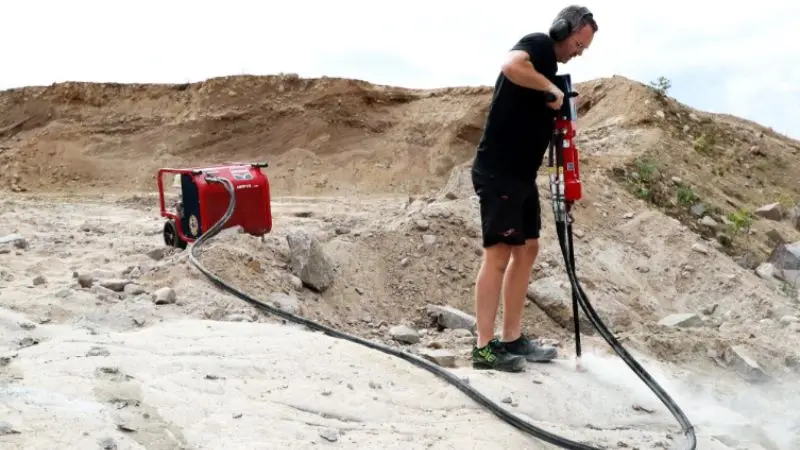
Rock and site conditions dictate which breaking method you need. Some projects call for fast mechanical force; others need controlled cracking with less vibration and noise. Rock hardness, size, location, access, and the volume to be removed all steer the best method.
Mechanical Rock Breaking
Cracking rocks can also be achieved by the application of great physical force using heavy machinery. Rocks can also be broken using hydraulic or pneumatic equipment attached to an excavator. A series of powerful blows by the machinery opens up cracks which eventually cause the rock to break. This method is often employed in construction and other activities that require excavation and road building. Cracking rocks also aids in the removal of obstacles in an excavation site, especially when large, thick formations of rocks need to be broken. Small equipment is used to break smaller formations, while heavy breaker is used to break larger, thicker rock formations.
Hydraulic Rock Breaking
In hydraulic rock breaking, pressurized fluid drives heavy, high-force strikes into dense material. These breaker hammers usually attach to excavators or similar heavy machinery, fitting right into major excavation and construction jobs. Pounding steadily on the boulder, the breaker forces fractures through the stone until it yields manageable fragments. Because hydraulics hit with so much force, they make a dependable option for tackling especially hard rock. You can size the breaker to fit both your excavator and the specific rock you are dealing with. Set the breaker up correctly, since working at the wrong angle or with too much power can wreck the machine and shake up anything close by.
Drilling and Rock Splitting
This technique breaks rock by making deliberate, controlled fractures instead of just pounding away at it. Holes get drilled into the rock first, then wedges or hydraulic splitters go in and start pushing outward. That pressure steers the cracks along the lines you want, so the rock ends up splitting into smaller pieces. When you need to keep large stones from shattering unpredictably, this method gives you the control you need. You also get a lot less vibration than you would from heavy impact equipment. Everything about the break depends on hole spacing, depth, the rock’s structure, and which way you split it, so you cannot skip the planning stage.
Chemical Rock Breaking
Chemical breaking works by packing expanding material into drilled holes so it builds up pressure inside the rock. As that stuff expands, it presses against the rock around it and cracks start to appear. Once the cracks have grown enough, the rock is split apart and can be taken away. This approach fits in tight spots where heavy vibration, loud hammering, or explosives would cause trouble. It can work when you are excavating close to buildings, walls, or anything that cannot take a beating. Chemical approaches usually work slower than mechanical breaking, so you need to plan ahead and be patient. Follow the product instructions carefully and wear proper protective gear during preparation and application.
Controlled Blasting
Controlled blasting breaks large volumes of rock fast by using explosives placed according to a careful plan. It’s mainly for major excavation, mining, quarrying, tunneling, and large construction jobs where slower methods won’t do. Before any blast, engineers work out the drilling pattern, where charges go, the timing, and the safety measures around the site. Blasting isn’t simple mechanical breaking; it calls for specialized knowledge, trained crews, permits, and strict safety protocols. Blasting can be an option for breaking rock underground when large underground formations need to be removed. Blasting produces vibration, noise, dust, and flying debris, so the surrounding area has to be assessed and controlled beforehand.
What Tools Are Used for Rock Breaking?
Picking the right tool keeps rock breaking under control and efficient. Equipment runs from handheld drills and hammers all the way to large attachments built for heavy excavation. The best choice depends on rock hardness, size, the work area, and how much material has to be removed.
Hydraulic Rock Breakers
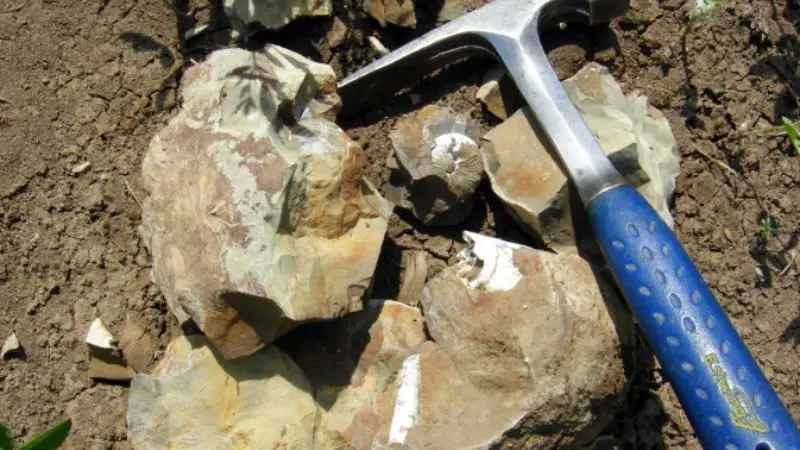
Hydraulic rock breakers are strong attachments you’ll often see mounted on excavators and other heavy machinery. Hydraulic pressure drives a piston that hammers a tool against the rock over and over. Each repeated blow creates cracks, and the rock slowly breaks into smaller pieces. Size the breaker to both the machine and the rock you’re taking out. Moderate construction jobs fall within the capacity of smaller breakers, whereas thick, difficult formations call for larger models. They’re especially useful when you need to remove large rocks from excavation sites, road projects, or foundations. Keeping the right operating pressure, positioning it correctly, and sticking to maintenance helps the breaker stay effective and cuts down on unnecessary wear.
Hammer Drill vs. Regular Drill: Which One Should You Use?
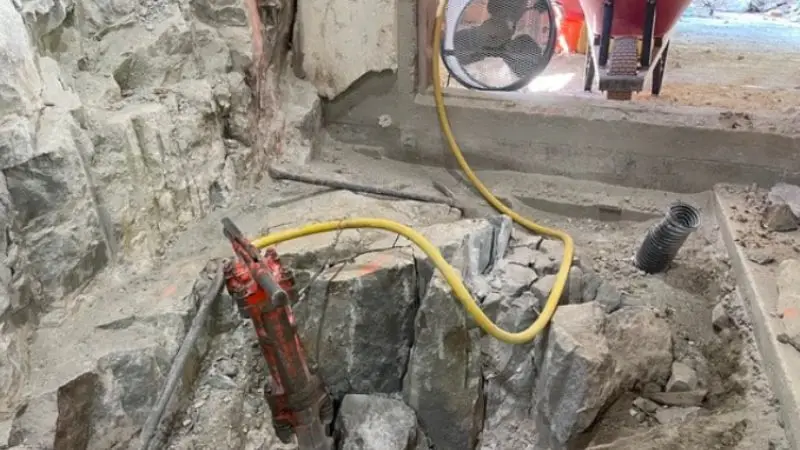
A hammer drill adds a hammering motion to its rotation, so it can bore into masonry, concrete, and some kinds of rock. A regular drill mostly just rotates, and it’s meant for softer materials like wood, plastic, and metal. For light rock work, a hammer drill bores holes more effectively than a standard drill. Very hard or thick rock, however, may call for a rotary hammer or a dedicated rock drill with more impact energy. Knowing how rock breaking works helps you pick the right tool, because drilling may be only the first step before you use wedges, splitters, or other equipment to separate the rock.
Rock Drills and Rotary Hammers
Rock drills and rotary hammers make holes in hard materials by combining rotation with impact. Rotary hammers are typical for masonry and concrete, while specialized rock drills can take on demanding drilling conditions. These tools come in handy when a project needs holes for wedges, splitters, anchors, or controlled cracking. The right bit matters just as much, because different rock types demand different drilling approaches. When you’re planning how to break hard rock, drilling several properly positioned holes can produce a controlled fracture pattern. Before starting, always consider hole depth, spacing, tool power, and the condition of the rock.
Demolition Hammers
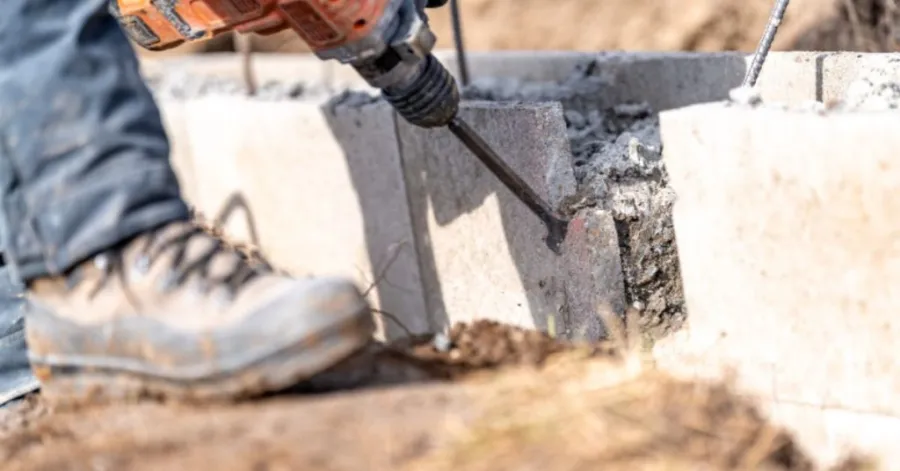
Demolition hammers are heavy-duty tools built to pound a chisel or pointed bit into the rock over and over. Many demolition hammers are all about impact, not the rotating action you get with a rotary hammer. They’re handy for cracking smaller rocks, trimming edges, and busting up material that’s already fractured. Different bit shapes are better for different jobs, like splitting, chipping, or general breaking. A demolition hammer can be the right call on small projects where an excavator or hydraulic breaker would be overkill. Pick a hammer with enough impact energy for the rock, but don’t go bigger than the job calls for.
Rock Splitters and Wedges
Rock splitters and wedges crack rock apart with controlled pressure, following existing cracks or drilled lines. Usually you drill holes first, then wedge a splitter or pair of wedges into each hole. You keep applying force until the rock around the holes gives way and cracks. This approach lets you steer the break more precisely, and it shakes the ground less than repeated hammer blows. That makes it a good option for splitting big rocks close to buildings, walls, or anything that shouldn’t be rattled. Wedges work fine for smaller rocks, but for big pieces, hydraulic splitters bring a lot more force. If your holes are spaced and lined up right, the rock should split the way you expect.
Excavator Rock-Breaking Attachments
Excavators can take different attachments for rock work, including hydraulic breakers, rippers, rock grinders, and specialized splitting tools. The attachment you choose should fit the excavator’s hydraulic capacity and the type of rock you’re dealing with. Hydraulic breakers deliver repeated impact, while rippers work better for loosening fractured or weathered material ahead of removal. These attachments show their value on construction sites, in trenches, on road projects, and during larger excavation work. They can also make it easier to remove large rocks that handheld equipment would struggle with. Operators should follow the attachment manufacturer’s specifications and never use an attachment beyond its recommended operating capacity.
How to Choose the Right Rock Breaking Method
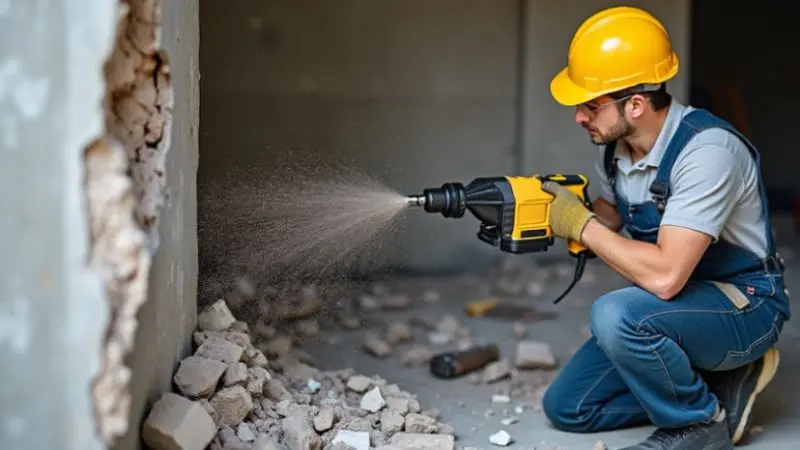
Choosing a rock breaking method depends on more than just the rock’s size. The decision is affected by the material, work area, available equipment, project timeline, and safety requirements. With a simple inspection, you can avoid equipment that is too weak, too powerful, or unsuitable for the location.
How Do I Choose Between Corded and Cordless Hammer Drills for Home Use?
Both corded and cordless hammer drills work for light drilling, yet each has its own advantages. With continuous power, a corded model works well for longer jobs close to a suitable outlet. Cordless drills give you more mobility and are easier to use where power access is inconvenient. During extended work, battery capacity and charging time matter a lot. When matched to the material and bit, either option can handle occasional home projects. That said, neither is a substitute for heavy rock-breaking equipment. A rotary hammer or specialized rock drill may perform better on harder rock or deeper holes.
Consider Rock Type and Hardness
What kind of rock you are dealing with and how hard it is will point you toward the proper method and gear. Hand tools might be enough to crack softer stone. Dense stone like basalt or granite generally demands heavier impact or a controlled split. Existing fractures and natural bedding planes can make even tough rock split with less effort.
Inspect the rock face for any fissures or structural flaws before settling on a breaking method. Picking a suitable breaker attachment or drill bit is just as critical. Use the wrong match, and you risk wearing it down fast while dragging out the job. Matching your gear directly to the stone saves effort on the job. It cuts down on unnecessary strain, tool wear, and shaking as well.
Consider Rock Size and Thickness
The size and thickness of the rock help you decide whether to use a handheld tool, splitter, breaker, or heavy excavator attachment. A demolition hammer or similar compact equipment can often reduce small rocks. Thick, large formations usually require drilling, hydraulic splitting, or a powerful breaker. If you’re looking into how to break large rocks, think about whether the whole piece must come out or if smaller sections will do. Transport and disposal get easier once you break a large rock into manageable pieces. Measure the rock before picking equipment, so the tool you choose has enough capacity for the job.
Check the Work Area and Accessibility
The work area may restrict which rock-breaking equipment you can use safely. Large machinery often won’t fit in narrow trenches, indoor spaces, steep areas, or spots right next to buildings. Walk the entry route prior to getting started. Confirm that you have adequate clearance both overhead and around the perimeter of the work zone. Watch for buried utility runs and nearby structures as well. Ensure you have adequate space to stage the machinery and maneuver it around.
When working in confined quarters, you might get better results from rock splitters, demolition hammers, or handheld drills than from an excavator. If you are excavating rock, map out clear routes for both the crew and the machinery to enter and exit. Just because a tool performs well out in the open does not mean it will suit a tight or sensitive location.
Compare the Best Breaker Hammers for Concrete Foundations
Impact energy, weight, handling, and what the tool is meant for all differ from one breaker hammer to the next. For concrete foundations, base your choice on the slab’s thickness and reinforcement, not just the advertised power of the tool. Thick foundation sections generally call for heavy electric or hydraulic breakers, whereas lighter demolition hammers are enough for small repairs and thin areas. A pointed bit starts the cracks, and a chisel then clears away the loosened material. Before choosing a breaker, check its impact energy, duty rating, mounting requirements, and whether it’s actually compatible with the job. The table below is a simple way to see which breaker type fits common uses.
| Breaker Type | Typical Use | Recommended For |
| Light demolition hammer | Small concrete and masonry work | Thin slabs and minor repairs |
| Medium breaker hammer | General demolition | Moderate foundation sections |
| Heavy hydraulic breaker | Large-scale breaking | Thick concrete foundations and heavy rock |
| Excavator-mounted breaker | Major excavation | Large foundations, trenches, and construction sites |
Comparing Equipment Power and Breaking Speed
How fast you get through rock largely depends on how much power the breaker puts out. If the rock is fractured already or relatively small, a lower-powered tool can do the job fine. Dense or massive stone, though, can easily stall it out.
Bigger breakers hit with substantially more force per blow. That extra force lets them take on tougher material. Still, that extra power demands an appropriate carrier, plenty of room to swing, and a steady hand.
How fast the rock cracks does not come down to striking power alone. The dimensions of the tool, how worn the steel is, the geology you are hitting, and operator technique all play a role. Natural seams and fractures running through the stone will also shift your production rates.
Size the breaker so its energy output actually matches the demands of the rock. The heaviest hammer on the yard is not required for every cut. Picking the proper tool cuts down on repeat passes and keeps the job moving without hitches.
Consider Cost and Safety Requirements
The cost goes beyond the purchase or rental price of the equipment. You also need to factor in drill bits, breaker attachments, fuel or electricity, maintenance, transportation, labor, and disposal. Safety requirements can change the method too, especially near buildings, utilities, roads, or other people. Impact tools create noise, dust, vibration, and flying fragments, so proper protective equipment and site controls matter. For projects that involve removing large rocks, compare the total project cost rather than just the equipment price. A slower method may need more labor, while a powerful machine can cost more to run but finish demanding work faster.
Wrap-Up
Breaking rock well takes the right method, the right equipment, and some preparation for what you’re actually dealing with. Handheld tools take care of small rocks, but big or hard stuff calls for hydraulic breakers, drilling, splitting, or specialized equipment. Before you start, think about hardness, size, thickness, how easy it is to reach, plus noise, vibration, cost, and safety. On excavation and construction jobs, busting rock into chunks you can manage makes it easier to haul out and gives you better control. Wear proper protective gear every time, and do what the tool’s manual says. Plan ahead and use the right technique, and rock breaking goes faster, wears your equipment less, damages the surrounding area less, and keeps everyone safer.
FAQ
What factors should guide my choice of a homeowner jackhammer?
Take into account the bit style, impact force, weight, power type, vibration levels, and whatever material you plan on tackling. If you only tackle occasional tasks, pick something that feels manageable and comfortable to grip. Don’t waste money paying for performance you won’t actually use.
What is the right way to run and look after a jackhammer so it lasts?
Put on safety gear for your eyes, ears, hands, and feet. Keep a solid hold on the tool and verify that your workspace is safe. Wipe the tool down frequently and inspect the bits for any signs of wear or damage. Lubricate components as required and stick to the manufacturer’s maintenance guide.
How do pneumatic, electric, and hydraulic jackhammers differ, and what determines which one to pick?
Compressed air runs pneumatic units. Electrical power runs the electric units. A separate machine provides the hydraulic power that drives these breakers. If you have access to a compressor, pneumatic equipment is a solid option. For work within reach of an outlet or generator, electric units are well suited. You will typically see hydraulic breakers mounted on excavators.
What jackhammer works best for tearing out heavy material compared to light chiseling?
Breaking up heavy material calls for a high-impact breaker powered by hydraulics or air. Big workloads and long stretches of continuous run time are what these breakers are built for. A smaller electric demolition hammer usually does the trick for lighter chiseling tasks. You get better handling out of it, making it a solid pick for smaller bits of concrete or masonry.
List the top demolition hammers suited for masonry and contrast the chisels each one takes.
Weight, impact strength, and the chuck mechanism are the key specs to look at when sizing up masonry demolition hammers. Hex, SDS-Max, and SDS-Plus fittings each call for their own distinct chisels. Confirm that the chisel actually seats in the hammer before you commit to buying or running it.
Which Rock-Breaking Method Works Best?
No one rock-breaking technique applies to every single job. What works best turns on the stone’s hardness and volume, where it sits, and the job requirements. Provided you can get the equipment in place, mechanical breakers are an effective choice. If the stone is tougher or tucked away in tight spots, drilling, splitting, expanding chemicals, or controlled blasting can be better alternatives.