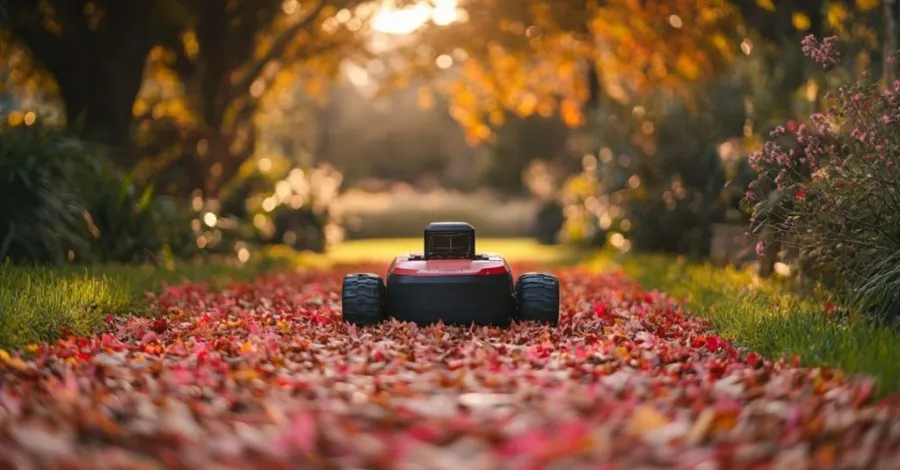
If you want a simple and fast way to clean up your yard, a push lawn sweeper can make a big difference. It picks up leaves, grass clippings, and small debris with ease—no bending, no raking, just smooth, effortless sweeping. With this tool, you simply pull it across your lawn, collecting mess with a single pull, helping your yard to look tidy and in order. It fits small and medium yards, and it is ideal for owners who do not want to put much effort into attending to their grass. In the following blog, you will get information about choosing the appropriate push lawn sweeper and using it effectively.
Understanding Push Lawn Sweepers
Do you get bored with spending the whole day in the yard doing the raking job? With a push lawn sweeper, this problem can easily be solved. It is an easy, environmentally friendly option that makes your lawn clean without gas, noise, and a complicated process. Whether you are new to taking care of a yard or you seek a less difficult means of managing garbage, learning to use a push lawn sweeper helps you to save time and labor.
Let’s explore the basics of how it works and why it’s a smart addition to your outdoor equipment.
What Is a Push Lawn Sweeper?
A push lawn sweeper looks like a lightweight cart with spinning brushes underneath. As you push it forward, the brushes rotate and sweep leaves, grass clippings, pine needles, and other debris into a rear collection bag or hopper. There are no fuels or cords/ batteries to be used, just walking and pushing.
This not only makes it convenient but also friendly to the environment. Most homeowners say it collects more than a regular rake, and that makes it excellent when you are cleaning the yard in a short period. When you seek the best push lawn sweeper as an instrument to carry out regular maintenance, you must begin by checking the lawn sweeper that will work in your yard, depending on the size and the type of lawn surface.
Key Benefits of Using a Push Lawn Sweeper
A push grass sweeper has numerous benefits that one gains in making yard work less hectic and more fun. It is particularly useful to do after you have mowed your lawn or in the autumn when your lawn is covered in leaves. The principal advantages are some of the following:
- Conserves Time – It saves considerable amounts of time in clearing your yard compared to the use of a rake.
- User Friendly – It is easy to operate, does not need any special skills, simply push at an even rate.
- Less physical stress – No need to bend or lift, and reduces backache.
- Universal Utility – Picks up leaves, grass clippings, twigs, etc.
- Consistently Clean Lawn – Leaves your yard looking neat and fresh.
For homeowners with limited space, the best manual lawn sweeper for small yards offers just the right balance of size and performance without taking up much storage room.
How to Use a Push Lawn Sweeper the Right Way
Using a lawn sweeper correctly makes all the difference in how fast and clean your yard turns out. You will deal with yard waste expertly after taking a few easy steps. Be it in the fall leaves raking or after mowing clutter, understanding how to use a push lawn sweeper is important to give your lawn a clean-up without much work.
Let us examine the steps and see how we can get the best results on time.
Step 1: Prepare Your Yard
Prior to commencing, cut the lawn in case it is too long-the short grass will result in efficient results during sweeping. Go through your yard to clear anything like big sticks, rocks, or toys around your yard that will either block the sweeper or damage it. This assists in making an easy way of run.
You should also wait until it is dry. The brushes could be clogged with wet leaves or even damp grass, and the task could be made hard. Whenever you can, plan your sweeping session to be done on a sunny day that can give you a good result and save your equipment.
Step 2: Adjust the Brush Height
Brush height matters when using a push leaf sweeper. Check for the height adjustment knob or lever—usually located near the wheels. Set the brushes so they lightly touch the top of your grass. Too high, and they’ll miss debris.
Too low, and they may dig into the soil. Test on a small patch of your yard first. If the sweeper is collecting leaves and clippings well, you’ve got the right height. If not, make slight adjustments until the brushes sweep smoothly without resistance or gaps.
Step 3: Sweep the Lawn
Now it’s time to sweep! Stand behind the push lawn sweeper and move forward at a steady walking pace. Don’t pull it backward. As you walk, the brushes spin and sweep leaves, grass, and debris into the hopper. Keep your pace consistent—going too fast might miss debris, while going too slow could cause clogs.
A quality push lawn sweeper also does well on sloppy land. Monitor the hopper regularly and make sure that it is not filled too much. This makes the sweeper more functional, and jams are averted. At the appropriate slow pace and with the necessary care, you will maintain your yard in a clean and tidy look.
Step 4: Empty the Hopper
When the hopper becomes full, we should stop sweeping and remove the collection bag. Take it to your compost pile or yard waste container and dump it out. First, make it nice and clear, and then let it be reattached. The whole hopper can result in the sweeper missing more waste and even throwing the waste back on the lawn. In case you have a big yard, you might be required to empty the bag relatively soon to maintain the process effectively. Regular disposal maintains your push grass sweeper in top working condition.
Push Lawn Sweeper Maintenance Made Easy
It is important to take care of your lawn sweeper in order to make it last longer and serve you properly all through the year. Cleaning, inspection, and storing your tool regularly can help to wear and tear, and you have your tool at all times when you need it in the yard. Even the most effective lawn sweeper (be it the one that is designed to cope in small yards or in the larger ones) requires care in order to work well.
This is step-by-step maintenance of your sweeper.
Clean Your Sweeper After Every Use
As soon as you have used your push lawn sweeper, wash it thoroughly. Clear any grass or leaves, or other bits and pieces that have become entangled in the hopper or attached to the brushes. Removal of tangled bits is also possible using a small hand brush. Clean the frame with a wet cloth and ensure that the wheels are free to rotate.
Give special care to brushes and corners where the buildup can form. Immediate removal of debris will avoid rust and maintain the sweeper in the best condition. It will also help the next time you clean up your yard, as it will increase the simplicity and speed of your cleanup.
Lubricate Moving Parts
The trick is to have good lubrication to allow a smooth and quiet sweeping experience. This means applying a little oil that is not harmful to garden tools to all moving parts, and particularly to the wheels and the axles. This helps prevent squeaking and reduces wear over time.
It also makes the sweeper easier to push—especially helpful if you’re using a push leaf sweeper on larger yards. Make sure that after oiling, you remove the excess, or you will have dirt sticking. This will be a fast measure that will prolong the life of your sweeper and enhance its performance on a daily basis.
Inspect for Wear and Tear
Spare some time once in a while, you are using the sweeper to make sure you are on the safe side by examining the sweeper to ensure that it has not been damaged. Inspect the brushes, tires, axles, and frame to determine whether there are any cracks or wear and tear, or any parts missing. When a brush sheds bristles or a tire appears misshapen, do not wait to find out more problems.
An efficient push grass sweeper will work when all the components are well-maintained. Staying on top of these checkups prevents larger fixing problems in the futureappyhdate feels good to know that your lawn will not be asymmetrically cleaned, or the cleaning tools will not break down over time.
Store Your Sweeper Properly
Store your lawn sweeper in a dry location with no moisture, such as a shed or a garage. Avoid getting in the range of water and dampness since they can rust or destroy the brushes. The hopper and the wheels should always be cleaned before storage.
The sweeper should be hung up, or rested on a shelf, where more wear with the ground can be avoided. The added protection can be made using a cover. Even the most efficient push lawn sweeper could be degraded swiftly when it is not appropriately stored, thus providing it with a secure place between deployments.
Safety Tips for Using Your Lawn Sweeper
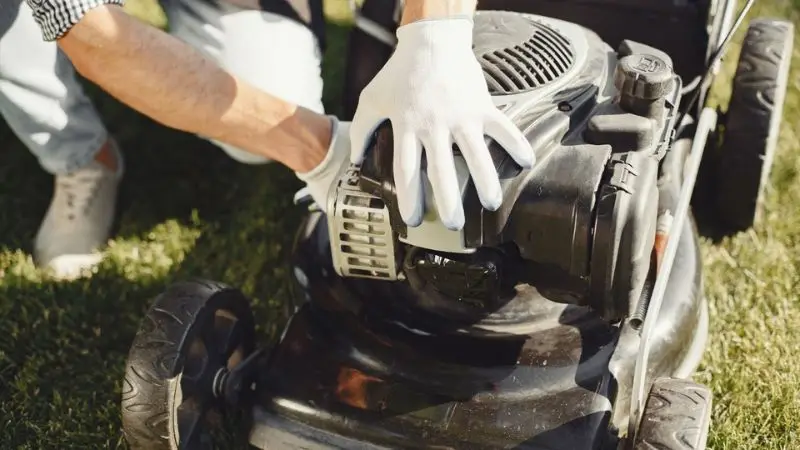
A push lawn sweeper is a fantastic device to clean up the yard, but safety has to be considered the primary concern. With gloves to smart judgement, a couple of easy actions will protect you against accidents and keep your gears in optimal condition. No matter which of the best manual lawn sweepers you are operating, whether you or a larger one, all these are applicable to all users.
Let’s explore how to stay safe and avoid common mistakes while sweeping your yard.
Practice Safe Sweeper Operation
Always give your yard a clear path before powering up a lawn sweeper because sticks, rocks, or toys could get in the way. It is always important to wear sturdy gloves so that the hands are not injured by sharp debris or moving parts. The most important decision is to follow the instructions of the manufacturer, who can tell how best to push, maintain, and empty the hopper without risking the machine.
When induction sweeping, it does not contain the amount of speed; it is to push at a slow and consistent pace. Provided that the sweeper may become stuck or tricky to push, be sure to stop and investigate in case of any impediments. Avoid using it on wet leaves or slippery grass to prevent slipping and tool damage.
Avoid These Common Sweeping Mistakes
A few common habits can turn a simple sweep into a safety issue. One of the biggest mistakes is using your push grass sweeper on wet or matted leaves. This can clog the brushes and make the sweeper difficult to push. Another mistake is skipping the manual.
Even the best push lawn sweeper may have special instructions for proper use, emptying the hopper, and keeping the parts clean. Not wearing gloves is also risky—you can easily scratch or pinch your fingers. By understanding these common errors, you’ll work smarter, avoid injury, and extend the life of your tool.
Wrap Up
A push lawn sweeper is a smart, simple tool that makes yard cleanup faster and easier. Whether you’re dealing with leaves, grass, or small twigs, it helps keep your lawn neat without the hard work of raking. By learning how to use and maintain a push lawn sweeper, you can save time, reduce effort, and protect your equipment.
Just follow the steps, care for your sweeper after each use, and store it properly. With regular use and a little upkeep, your yard will always look clean and well-kept, making your outdoor space more enjoyable all year round.
FAQ
How often should you use a push lawn sweeper?
You can use your lawn sweeper once a week during the growing season. If you have lots of trees, you might need to sweep more often in the fall. Regular use keeps your yard looking neat.
Can you use a lawn sweeper on wet grass?
No, you should not use a lawn sweeper on wet grass or leaves. Wet debris can clog the brushes and make the sweeper hard to push. Wait until your yard dries for the best results.
What can you pick up with a push lawn sweeper?
You can pick up leaves, grass clippings, pine needles, and small twigs. > Tip: Remove large sticks or rocks before you start. This helps protect your sweeper and keeps it working well.
Do you need to assemble a push lawn sweeper?
Most push lawn sweepers need some assembly when you first get them. You usually attach the handle and hopper. The instructions are simple, and you can finish in less than 30 minutes.
How do you store a lawn sweeper in winter?
Clean your sweeper and let it dry. Store it in a dry place like a garage or shed. > Cover it if you can. This keeps dust and moisture away and helps your sweeper last longer.