In the selection of a gas chainsaw to work with professionally, each detail counts – the engine power, the length of the bar, the balance, safety systems, and long-term maintenance all contribute to performance. The appropriate tool must be in line with the level of your skills and the kind of job you deal with, be it logging, forestry or heavy cutting. Safety is not a luxury but a necessity. The importance of the right choice is evidenced by 36,000 chainsaw-related injuries annually treated in U.S. hospitals. The professional gas chainsaw selection guide will assist you in eliminating the risk and choosing a machine that is powerful, reliable and comfortable enough to work in the demanding conditions.
Key Features to Look for in a Professional Chainsaw
A professional chainsaw is constructed to handle work that is strenuous, such as forestry, logging and heavy cutting. The right features are important in determining how powerful, safe, and comfortable the tool is when working long hours.
The section belongs to a professional gas chainsaw selection guide since it clarifies what is really important when purchasing a high-performance tool. It also promotes a professional chainsaw purchasing guide to the professionals, in which reliability, safety, and efficiency are primary concerns.
Strong Engine and Clean Air System for Better Performance
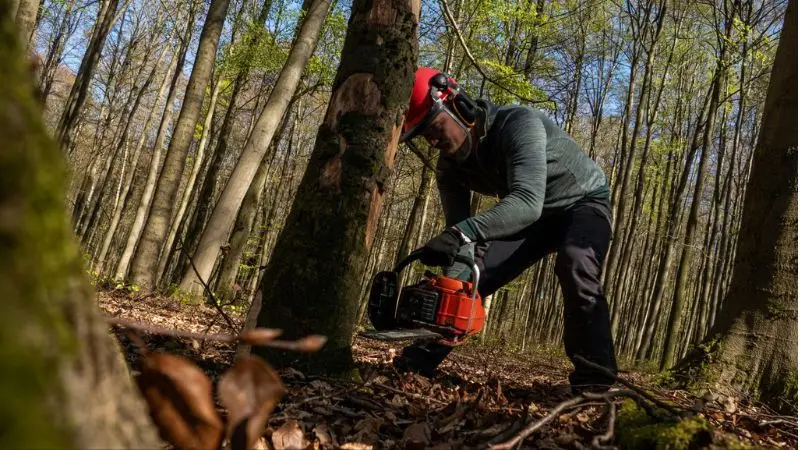
A professional chainsaw should have a powerful engine which can cut hardwood without decelerating. The models that use gas are particularly convenient due to the possibility of rapid refuelling and working in the field all the time. There are models such as the Husqvarna 450R, which can run a period of about 23 minutes,s and others such as the Echo CS 590, which can run a period of about 29 minutes. These machines also have the capability to attain top speed in a very short tim,e so that you can begin cutting immediately.
A clean air filter system is also necessary as it will guard the engine against dust and dirt. The long-life air filter will ensure that the chainsaw remains powerful and has a longer life, even in harsh outdoor conditions. Other features,s such as a self-returning stop lever, ensure that there are no accidental shutdowns during work. These points are often included in top-rated gas chainsaws for professional use, where performance and durability are key factors.
Balanced Weight and Safe Cutting Speed
A chainsaw with a good balance is less hard to handle and can be used for long hours. The majority of professional models are between 5 kg and 10 kg in weight, depending on the size and purpose of the model. The lighter chainsaws can be used in pruning and cutting finer parts of a tree, whereas the heavier ones are utilized in cutting down trees and clearing large spaces. A proper balance will minimize strain and aid in cutting precision.
Performance and safety are also influenced by cutting speed and rotation. The chainsaw can achieve speeds of approximately 20 m/s at high engine RPM, and this enables the cutting to be fast and effective. Nevertheless, the speed varies depending on the wood being cut,t e.g. pine, spruce or beech. Adequate speed and control can minimize the risk of kickback. All these play a role in any professional chainsaw buying guide to experts, in which safety and control are as significant as power.
Warranty Coverage and After-Sales Support
Warranty and support are significant as they safeguard your investment and guarantee long-term reliability. A typical warranty on most professional chainsaws is approximately two years long, although some brands do provide extended warranty coverage of up to five years to some users. Extensive usage by commercial users tends to give them shorter warranty periods.
Authorized service centers with trained technicians repairing and maintaining their products with original parts are also available in reliable brands. This will ensure the chainsaw remains in good working condition and will minimize the chances of long-term damage. A professional gas chainsaw selection guide would often include good warranty service, as good warranty service is a guarantee that the tool will last and be useful and reliable in the long run.
Comfort and Anti-Vibration Safety Features
The role of comfort in the professional use of the chainsaw is significant since the operators have to work many hours. Contemporary chainsaws have anti-vibration features that minimize vibration and enable the tool to be handled easily. This assists in reducing the chances of fatigue and permanent injuries to hands or arms.
Grip and control are also enhanced by ergonomic handles, resulting in more stable and precise cutting. Noise-cancelling features bring additional comfort, making the tool less stressful when used during longer sessions. These comfort-oriented specifications play a crucial role in the best-rated gas chainsaws used professionally, whereby safety, durability and comfort to the user have a direct impact on the performance of work in the field.
@truckintoby This Vevor chainsaw is absolutely awesome! I love it! No joke! Cuts fast and has lots of power.. #chainsaw #vevor #woodcutting #fallingtrees #lumberjack #TikTokShopCreatorPicks #ttslevelup #truckintoby #TikTokShopSummerTurnUp #tiktokshoprestock @Vevor_US @Vevor Tools
♬ original sound – TruckinToby✅
Step-by-Step Guide to Choosing a Professional Gas Chainsaw
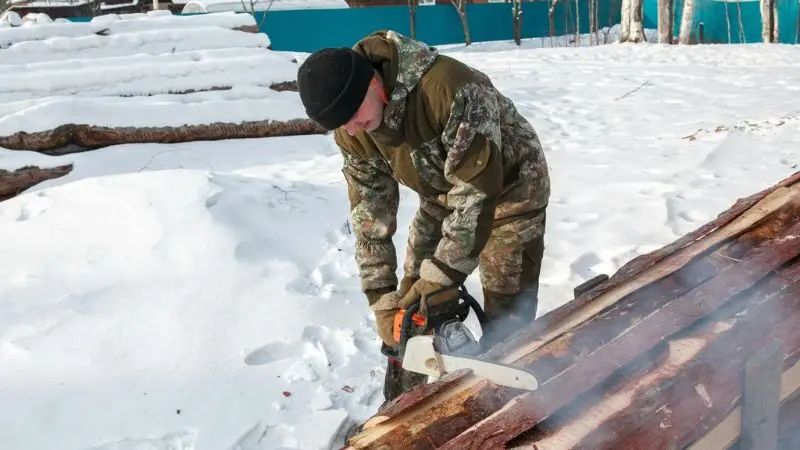
When you have a step-by-step process to follow when choosing the right chainsaw, it is easier to do. You must align the tool to your type of work, level of experience and safety requirements. A good decision can make you work more easily and more safely without additional work or danger.
This section of a professional gas chainsaw selection guide will make you comprehend the purchasing process in a straightforward manner. It also relates to a professional chainsaw purchasing guide to the expert audience, where functionality and durability are paramount.
Know What Kind of Work You Will Do
Consider what you need to do every day before purchasing a chainsaw. You might have to cut trees, split logs or clear heavy vegetation. Every job requires varying power and control of your tool.
When you are new, a small and light chainsaw is less cumbersome and helps to minimize fatigue. It also provides superior control during learning. When you already possess experience, then you can select a more powerful chainsaw to work with heavy cutting. This is one of the most important steps when it comes to the features to look for in a professional gas chainsaw, since the correct combination of your expertise and equipment will help make work safer and easier.
Pick the Right Bar Size and Engine Power
It is highly important to select the right bar length and engine size to make the cutting safe and smooth. Small jobs such as trimming are done with a short bar, whereas big trees and heavy work of cutting are done using a long bar. As an illustration, the pruning process typically requires 10-14 inches, and trees of larger size might require 18-20 or even more.
Power also influences the performance of an engine. Small engines (30cc-45cc) are suited to light work, medium engines (50cc-60cc) are used to do general cutting and large engines (62cc-110cc) are used in professional heavy-duty jobs. These characteristics are commonly found in the highest-rated gas chainsaws for professional use, where a lot of power and quick cutting are essential in the forest.
Choose a Chainsaw That Feels Comfortable to Use
A chainsaw must be comfortable to hold when using it. Balance will help to decrease the pressure on your hands and arms, particularly when you have to work long hours. Anti-vibration systems are also significant as they lessen shaking and allow cutting to be more comfortable.
Well-designed handles and a good grip assist in controlling the tool and lessen fatigue. These features are necessary to make long use comfortable or strain-free. It is why comfort becomes a significant element of any professional chainsaw purchasing guide for specialists to enable users to work safely and efficiently longer.
Check Safety Features Before You Buy
One of the most crucial considerations when selecting a chainsaw is safety. The new models are equipped with convenient options such as automatic oiling systems, easy-starting engines and clean-air systems that enhance safety and performance.
A chain brake is one of the main characteristics that halt the chain in case of kickback. Anti-vibration systems are also used to enhance control and minimize risk when using them. These precautions are a significant addition to the professional gas chainsaw selection guide, as they contribute to the prevention of accidents and make the tool safer to use in harsh working conditions.
Take Care of Your Chainsaw Regularly
The chainsaw should be maintained to perform optimally. Basic daily maintenance involves cleaning the air filter, checking chain tension, and ensuring the oil levels are at the right level. Spark plugs and cleaning of key parts should be done weekly. Monthly servicing provides a more thorough cleaning and safety.
The tool is in good condition when serviced regularly, every 20-30 hours of usage. Proper mixing of fuel is also of great importance to the engine’s health. Such practices are typical of the highest-rated gas chainsaws used by professionals, since a well-maintained tool outlives longer, has better performance, and is safer in heavy use.
Gas Chainsaws vs Battery Chainsaws: Which One Is Better for You?
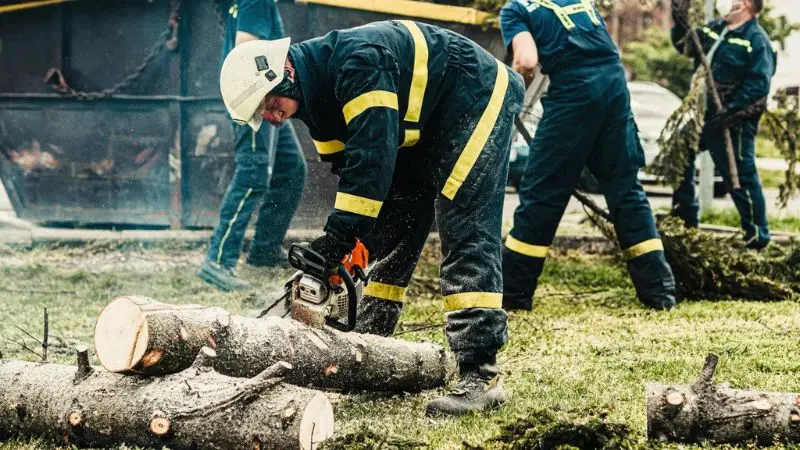
The decision of using a gas or battery chainsaw relies on how intense your job is, the duration of your job and how much maintenance you wish to deal with. The types are tailored to various working needs, hence knowing the differences will enable you to make a more intelligent decision.
This theme is appropriate in a professional gas chainsaw selection guide as it details when gas tools are superior and when battery tools will suffice. It also promotes a professional chainsaw purchasing guide to professionals, where performance and long-term durability are most important.
Which Chainsaw Gives More Cutting Power?
Chainsaws that run on gas are the most powerful for heavy cutting. They normally have engines with a range of 60cc to 110cc, which provides them with sufficient power to cut big trees and hardwood without decelerating. This renders them the best option in forestry and logging, where power is of great significance.
Electric chainsaws powered by batteries have also become much better and are able to cope with medium tasks and certain difficult wood. Nevertheless, they are not yet as high in cutting strength as gas models. This is the reason top-rated gas chainsaws frequently use gas tools, particularly when working outdoors on challenging jobs that require high power levels and continuous power.
Which Chainsaw Lasts Longer While Working?
A full tank typically gives the gas chainsaw a lifespan of 19 to 29 minutes, although refilling it quickly and going back to work without wasting too much time. This ensures that they come in handy when doing long jobs in remote locations where stopping is not feasible.
Battery chainsaws have longer run times of 40 to 60 minutes, which are useful in less strenuous work. But after the battery is over, you have to charge or carry spares. When you have to work continuously without waiting, gas models are preferable. This is a significant fact in a professional chainsaw purchasing guide among professionals, particularly outdoor workers who cannot afford to use charging stations.
Which Chainsaw Is Easier to Maintain?
Gas chainsaws require frequent maintenance to be in good condition. This involves cleaning air filters, inspecting the spark plugs, and fuel mixtures. These are time-consuming activities that make the machine powerful and durable in heavy work.
Battery chainsaws are much easier to maintain. The only thing you have to do is to maintain the chain sharp and to care about the battery, e.g. store it in a proper place and keep the terminals clean. They do not require fuel mixing and engine servicing. This distinction is significant in a professional gas chainsaw selection guide, where maintenance effort is a significant factor in the selection of the appropriate tool.
Final Tips for Choosing the Right Chainsaw
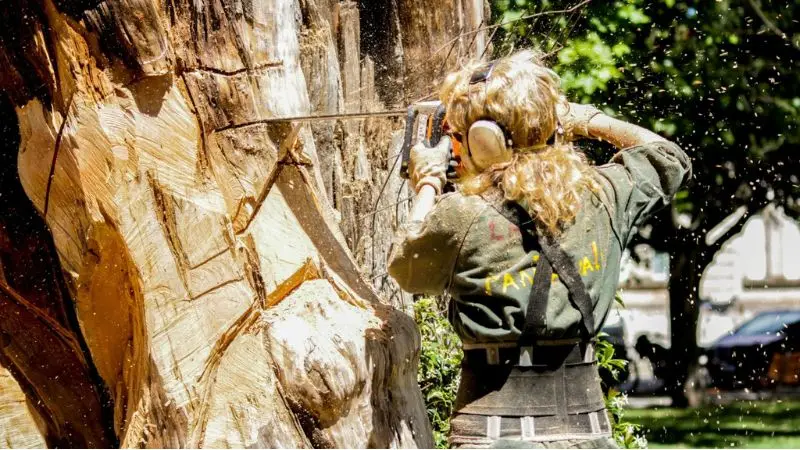
It is much easier to compare models and learn the real user experience, and prioritize safety when choosing the right chainsaw. The chainsaw must fit your work requirements, fit your hands and last long.
This area is the final part of your professional gas chainsaw selection guide that will assist you in making a final choice with certainty. It also links to a professional chainsaw purchasing guide for professionals, in which real-life testing and safety are the most significant aspects of the selection.
How to Test Chainsaws Before Buying
It is always advisable to test the various models before purchasing a chainsaw. This will assist you in knowing how each tool feels when working on it in reality. An effective chainsaw must be comfortable to hold and maneuver, as well as not be too heavy to use after some time. When it is uncomfortable, it can result in fatigue at work.
Other significant performance areas to test include cutting speed, handling control, and vibration. Maintenance is also a factor, such as the ease with which you can vary chain tension or put a sharp edge on the chain. The safety features of a chain brake, reduced-kickback chain and trigger lockout must also be examined closely. This is an important step in choosing the best-rated gas chainsaws for professional use, where actual performance counts more than specifications.
How Reviews and Expert Advice Help You Decide
You can find out the information about various chainsaw models based on the user reviews and by asking experienced workers. Individuals with daily experience with the usage of chainsaws can provide honest feedback regarding the performance, durability, and long-term reliability. This will assist you in not making errors and selecting a superior tool.
There are various brands with varying strengths. There are more maintainable ones and more powerful or cheaper ones. An example of this is that some brands are suited to general work, whereas others are suited to heavy forestry work. These comparisons can teach you to be smarter when you make a purchase decision on a professional chainsaw buying guide used by professionals, where the practical experience is as important as the technical features.
Why Safety and Long-Term Value Matter Most
The first factor to consider when selecting a chainsaw should be safety. An effective model should have the necessary safety measures, such as a chain brake, inertia brake, throttle lockout, and chain catch pin. These characteristics can be used to avoid accidents and enhance control in cutting work. Another aspect to be considered is whether the tool is of accepted safety standards.
Value is also an issue, along with safety. The chainsaw must suit your requirements in the following aspects: engine power, bar length, and balance. A good warranty also brings the value of long-term peace of mind. By concentrating on these issues, you will have a good tool that will last long. This is the last step in the professional gas chainsaw selection guide and will assist you in selecting a safe, powerful and reliable chainsaw to use in a professional setting.
Wrap Up
The selection of the correct chainsaw is based on the type of work, experience, and needs over time. The professional model ought to have good engine power, balance, and safety features that are reliable in the case of a demanding task such as forestry and logging. Battery chainsaws are suitable for light tasks, and gas-powered chainsaws are suitable for heavy work and frequent use. Comfort, maintenance needs, and durability should always be considered before making a final decision. The right chainsaw will enhance efficiency, minimize exhaustion, and ensure that you work safely. The insights into the main characteristics and comparison of the desired features allow you to choose the tool that would provide a stable output and a long-term benefit.
FAQ
What is the size of the chainsaw bar you need to use when working professionally?
The bar length should be equal to your job. In the case of large trees, a 20-inch-long or longer bar should be used. A 10- to 14-inch bar is most effective when it comes to pruning. Always use the guide of the manufacturer.
What is the frequency of servicing your gas chainsaw?
After each use, you ought to check and clean your chainsaw. Carry out a comprehensive service in the course of every 20-30 work hours. Regular maintenance maintains your tool in a good state.
What safety equipment is required when using a gas chainsaw?
You need:
- Chainsaw chaps or pants.
- Face shield and safety helmet.
- Hearing protection
- Gloves with grip
- Steel-toe boots
Always use safety equipment. It secures you against severe injuries.
Is it possible to use ordinary gas in a professional gas chainsaw?
You should not use regular gasoline; use a gasoline-oil mixture. See your chainsaw manual to get the right ratio. The engine can be harmed by using the incorrect fuel.