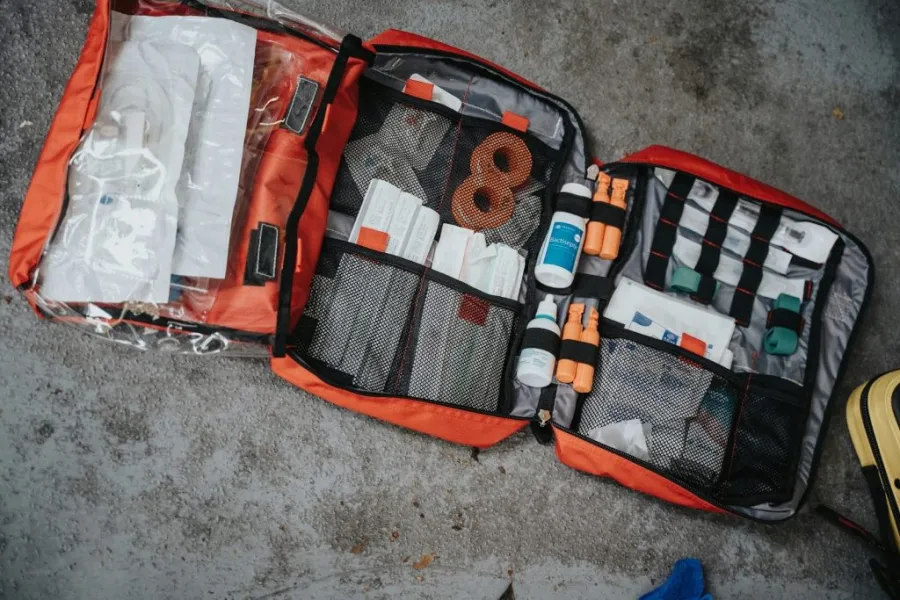
It’s time to get ready for the 2026 winter, which will bring its lowest temperatures and erratic storms. What would you need in the event of an unexpected power outage during a snowfall or if you were stranded on a snowy road and there was no one nearby to assist you? A DIY emergency kit made at home.
In addition to ensuring that you already have the essentials, having your own DIY emergency kit gives you the assurance that you can handle any unexpected cold-weather situations. You will learn what to put in a kit and how to assemble a dependable winter kit from this article.
Why do you need a winter emergency kit
So here the question comes: why do you need a winter emergency kit?. Basically, a winter emergency kit is necessary for your safety if you are living in or travelling through cold climates.
Extreme and harsh winter weather brings heavy snowfall, freezing temperatures, and icy roads, all of which can lead to unexpected, dangerous situations such as getting stuck in a vehicle or losing power at home.
Having a DIY emergency kit that is stocked with warm blankets, hand warmers, a multi-tool, and a portable phone charger can give comfort and functionality instantly and make you feel safe.
Essential items to include
Having a survival kit can prevent and protect you from so much unnecessary chaos and tension while encountering an unexpected harsh condition in a cold climate. In a homemade survival kit, you can add the following things listed below:
Warm blankets
You can add warm blankets to your DIY Emergency Kit, as blankets provide insulation to prevent hypothermia. Blankets help in staying warm in cold conditions.
Thermal clothing
Thermal clothes like thermal socks and underwear give a base layer of insulation which helps you in keeping warm than regular clothing. Your DIY emergency kit should have thermal clothing to help you in case of an emergency.
Hand warmers
Hand warmers are a must for your DIY emergency kit as they are a quick source of heat for hands and feet, improving dexterity and preventing frostbite. Add at least one or two hand warmers to your kit.
Flashlight
A flashlight gives light for signalling, navigation, and tasks in the dark. During winter storms and power outages, darkness can make navigation and important tasks dangerous and challenging. At that time, a flashlight was a crucial source of light, helping you to move safely and signal for help when needed.
Extra batteries
Extra batteries should be present in your DIY emergency kit as they make sure that all your all battery powered devices and flashlight continue to work when needed. They can save you with so much stress and chaos at the moment, as having them in your kit, you will feel peace that anytime the battery of your mobile and flashlight gets low, you have a backup.
Battery-powered lantern
They give a longer-lasting and broader light source than a flashlight, which is useful for illuminating a larger area or camp. Battery-powered lanterns can also help in signalling as their light reaches vast areas. So, you must also add a battery-powered lantern in your emergency kit.
Portable phone charger
A fully charged power bank, which is essential for communication, can be a lifeline to contact family, emergency services or roadside assistance if you get stuck or your car battery dies. Make sure to pre-charge and test before travelling.
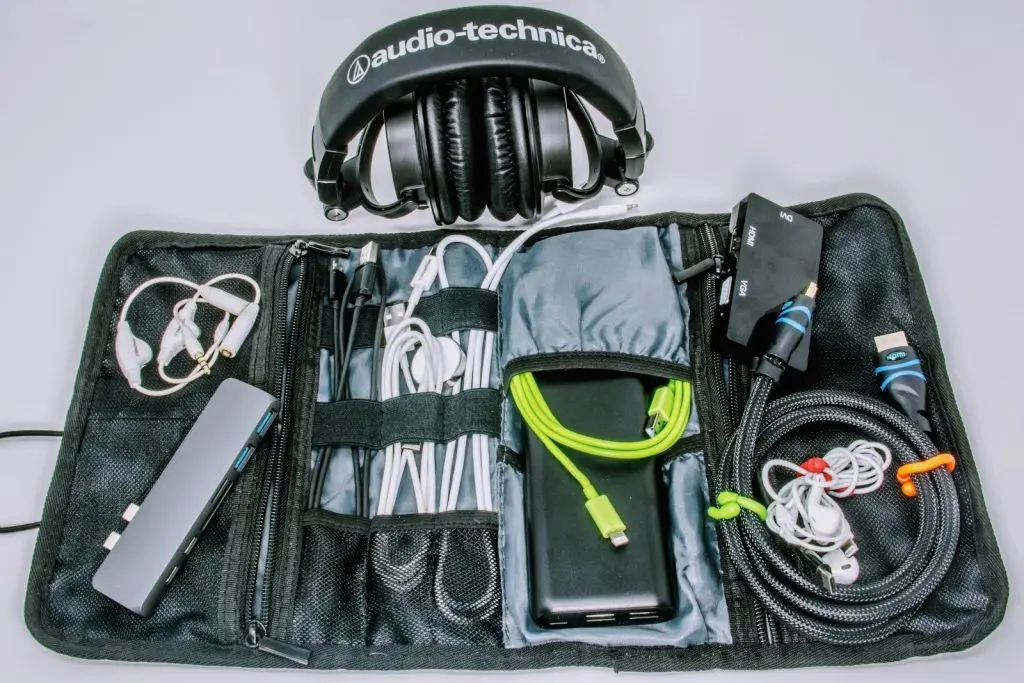
First aid supplies
Pack your DIY emergency kit with antiseptic wipes, bandages, pain relievers, gauze pads, medical tape and any personal medications. Harsh Winter conditions increase the chances and risks of falls, slips, and exposure-related injuries.
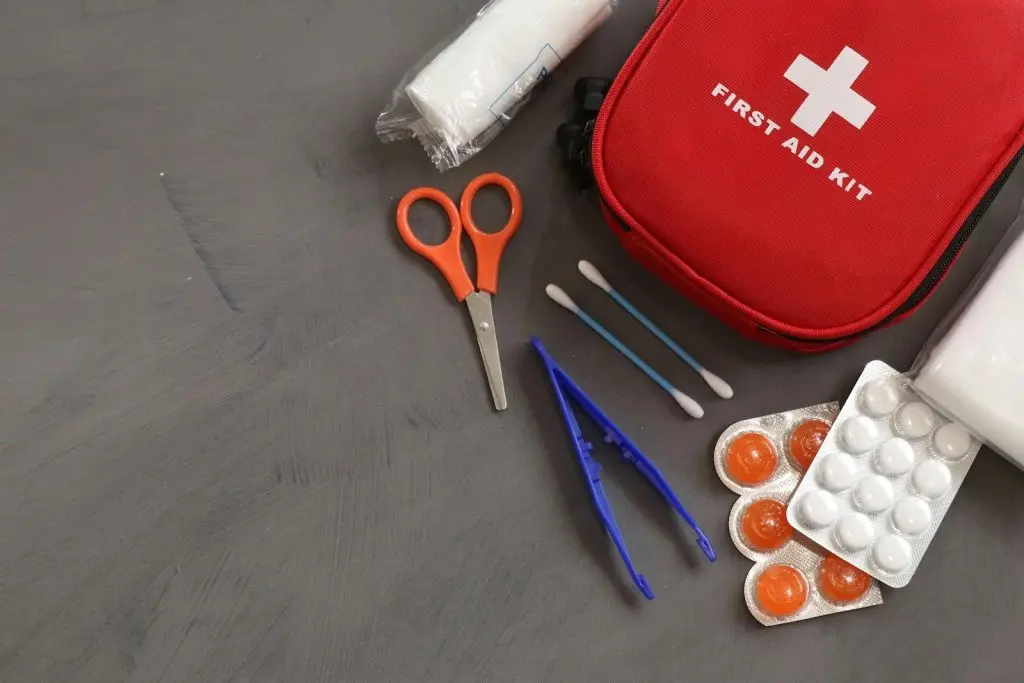
Ice scraper
Ice scraper helps in maintaining visibility and it is important in cleaning your windshield, mirrors and windows for safe driving. Frozen windows blur your view and make it dangerous for yourself and others.
Traction aids
Sand, kitty litter, or traction mats should also be included in your DIY emergency kit as they help your tires in gaining grip if you get stuck on ice or snow. Even adding a small amount of these items in your kit can be helpful and make a big difference.
Snow shovel
If your car gets stuck in a snowdrift, a foldable, small snow shovel can help dig your car out of it. Exhausting pipes and clearing around your tyres is also crucial.
Emergency whistle
If you become stranded and out of sight, a whistle can be heard much farther than your own voice, which can’t be heard in an emergency situation. You can use a whistle to signal for help in a remote area.
Reflective safety vest
In low-light conditions like snowstorms, dusk/dawn, a reflective safety vest can make you visible to other drivers if there is a need to get out of your car. It helps in preventing accidents while walking around the vehicle.
Multi-tool
A multi-tool with pliers, knives, a screwdriver, and other functions can be helpful for minor repairs, cutting seatbelts, or other emergency tasks.
Waterproof matches
In a survival situation, when you want to start a fire, a reliable lighter or waterproof matches can help you start a fire for warmth and signalling. Make sure to store them in a waterproof container.
Tips for building a reliable winter kit
If you want to build a blizzard kit, there are some tips and tricks which will assist in making your best DIY emergency kit suitable for harsh winter conditions. Let’s look at these one by one:
Keep everything in one portable container
Choose a waterproof, sturdy container like a durable backpack or a plastic bin. This ensures that all your supplies are easy to grab and organised in an emergency.
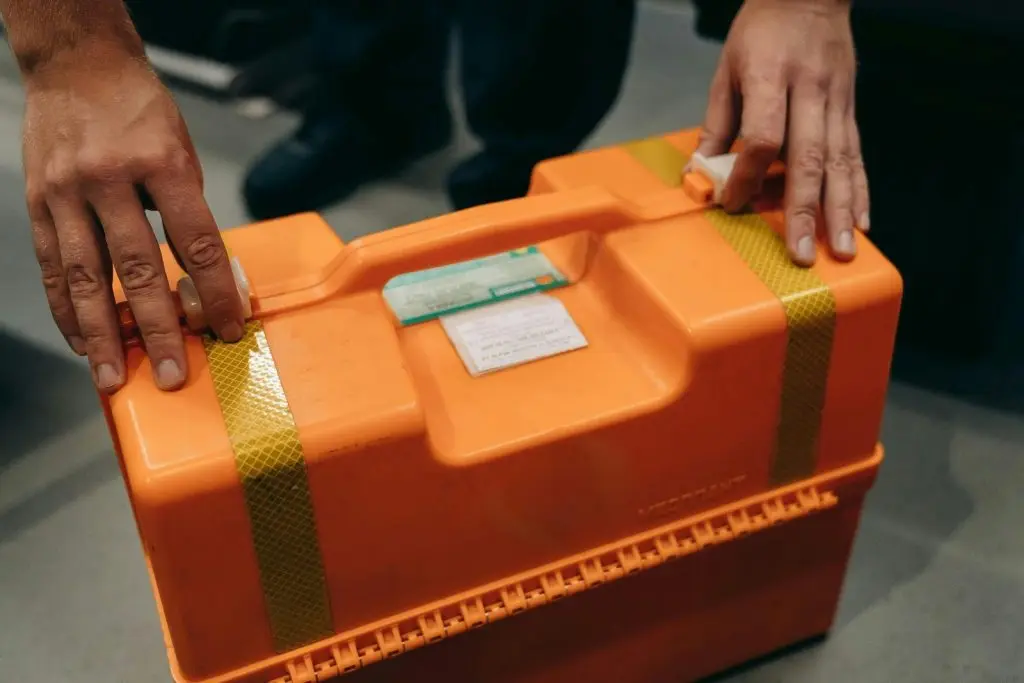
Check items before winter begins
Check on all equipment at the beginning of the season. change and test flashlights and weak batteries. You should check your diy emergency kit regularly to make sure that it is ready.
Replace expired supplies
Make sure to check expiry dates on water, medications, food and hand warmers. Dispose of expired items and replace them with new ones. Battles and medical supplies are subject to expiry. Revise expiration dates once every year.
Store in an accessible location
Put a DIY emergency kit in a place you have easy access to, like a hallway closet, near your front door or your car trunk. Make sure that everyone in the house knows where the kit is placed. An emergency kit is not a complex task to prepare. Actually, it is a routine undertaken by families as a seasonal task just like home maintenance.
Other house owners also opt to develop a blizzard kit in the vehicles along with the domestic installation. There are those who make a homemade survival kit depending on the rural settings. The preparation is the priority, irrespective of the type.
FAQs
Where should I keep my emergency kit?
Your DIY emergency kit should be placed in an area where you can easily reach, like a closet in your hallway, near your front door or your car trunk. Make sure that it is easily accessible to you.
How often should I check it?
You should check your winter kit twice a year, once before winter begins, and then again in mid-winter. This ensures that items in the kit haven’t expired, batteries are still working, and snow shovels are in good condition.
Should I keep one in my car, too?
Yes, you should have a winter emergency kit in your car too, as winter weather can be unpredictable, and the kit is the safest option to overcome the challenges that come with harsh winter conditions. If you live in cold areas, you can anytime be faced with harsh weather, so it’s better to take precautions than to feel overwhelmed in an emergency situation.
What is the most important item in a winter kit?
A source of heat, like waterproof matches and a lighter are the most important item in a winter kit. The ability to start a fire in a situation where you are struck can give you warmth instantly, and it can also work as a signal and can be life-saving in harsh, cold conditions.
Conclusion
It’s good to be prepared as the winter of 2026 approaches, and preparing a DIY emergency kit is a necessary precaution. You are investing in your comfort, safety, and peace of mind by assembling the important supplies in the winter kit that can be helpful during potential winter emergencies.
Don’t wait for the first snowfall; just make yourself prepared, as preparation is the key to facing and tackling any winter storm with resilience and confidence. Prepare your emergency winter kit, as who knows that this kit is going to be your lifeline. It provides sustenance and warmth, and communication options when outside sources are limited.