Cold weather is challenging to predict as it changes without warning. Snowfall, freezing temperatures, and strong winds can affect daily life and traveling. Exploring the prediction weather winter conditions helps people get ready in time and stay safe.
There are many tools for predicting weather, but one of the most useful tools is home weather stations. This device tells about temperature, precipitation, wind, and pressure. If you know how to use them properly, it will help you understand the prediction weather winter patterns. This guide walks you through how to predict winter weather with a home weather station and how to use it effectively. Let’s start!
How winter weather patterns are predicted
Prediction weather winter is one of the most difficult things, but weather experts rely on several indicators to forecast winter storms and cold conditions.
- Dropping temperature and cold fronts: When cold air enters an area, the temperature falls quickly, and often snowfall starts.
- Barometric pressure changes: When atmospheric pressure drops, it signals approaching storm systems. This falling barometer is one of the earliest signs used in predicting winter.
- Snowfall probability and accumulation: It helps in predicting the amount of snowfall and where it is going to accumulate. It helps in snow removal and restoring transportation
- Wind-chill and storm systems: When strong winds combine with low temperatures, it creates wind-chill levels.
These indicators help you improve the accuracy of prediction weather winter forecasting.
Why a home weather station gives you an advantage
The benefit of a home weather station is that it allows you to monitor local weather conditions directly from your space, so you are prepared what to do before storm. They provide you with hyper-local data that improves predicting winter weather. Here are the benefits:
- It gives you real-time temperature tracking. You can see exact temperature fluctuations at your location.
- It gives accurate outdoor humidity readings. Humidity influences snowfall and formation of ice. Tracking these changes can help predict rain or heavy snow.
- It helps monitor barometric pressure. Predicting pressure changes allows homeowners to notice approaching storms and improving in prediction weather winter
- It also tracks wind speed and direction data. Strong winds signal incoming storm systems, and observing wind shifts can help you predict severe winter weather
- Modern stations measure snowfall and precipitation that helps determine whether conditions are worsening or improving during winter storms
Key features to look for in a winter-ready weather station
Selecting the right weather station is critical for reliable winter monitoring. There are certain features that make a station more effective for prediction weather winter conditions. Look at these key features:
Wireless outdoor sensors
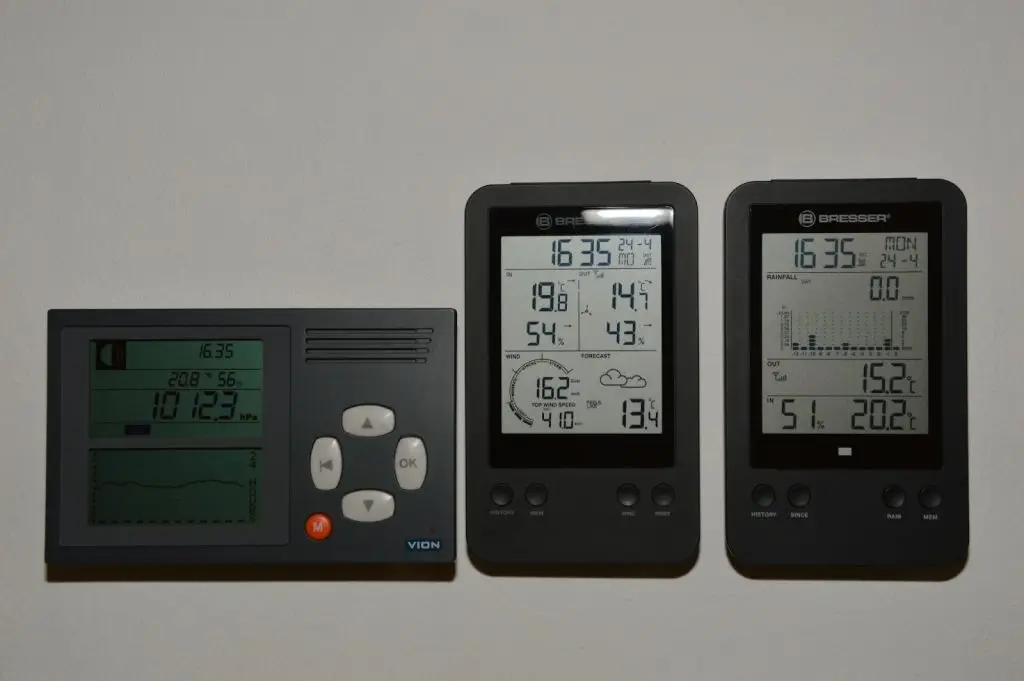
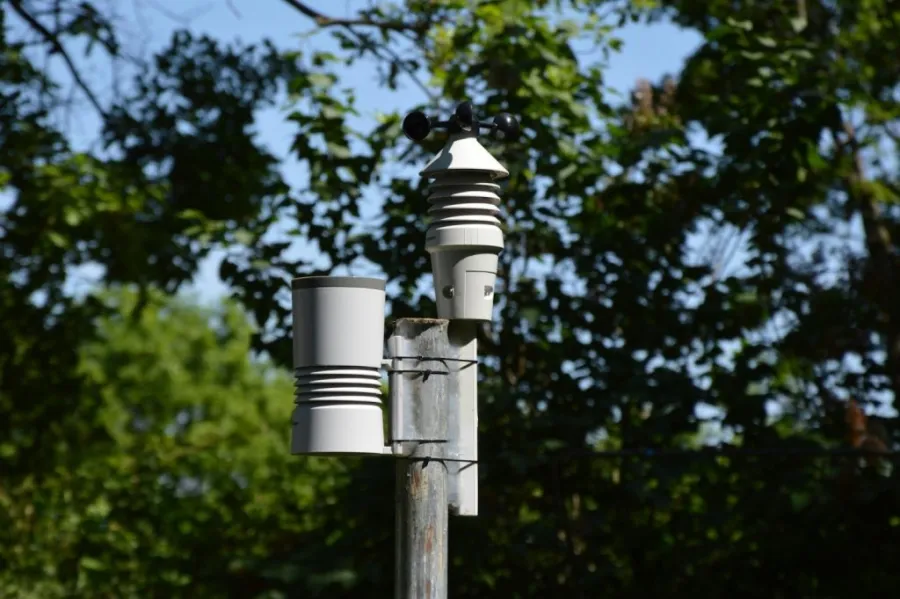
They allow you to check outdoor conditions without a wiring system. These sensors transmit humidity, temperature, and wind data directly to your indoor monitor.
They can be placed outside in ideal locations, therefore can give accurate measurements for prediction weather winter inspection.
Freeze-resistant components
A perfect winter weather station should have freeze-resistant materials that function properly in very low temperatures.
A durable component gives you continuous data collection even if the weather is extreme.
Remote monitoring via app
A lot of advanced stations can be connected to mobile phones. This feature gives you information even if you are away from your home.
Remote monitoring can track predicting weather winter changes in changing temperatures and emergency situations.
Historical data tracking
Many stations provide past data that gives valuable insights into the local area. With the past data, you can tackle current situations, and it also helps identify repeating winter patterns.
Historic data gives you a long-term understanding of prediction weather winter conditions in your area.
High-accuracy barometer
An accurate barometer is a valuable tool in a weather station. It predicts pressure changes that indicate coming storms. If these tools are accurate, they will show correct predictions.
How to use a weather station to predict winter conditions
For understanding home weather stations, you must know how to operate them. Learning these patterns helps you identify predicting weather winter situations.
Watch falling barometric pressure
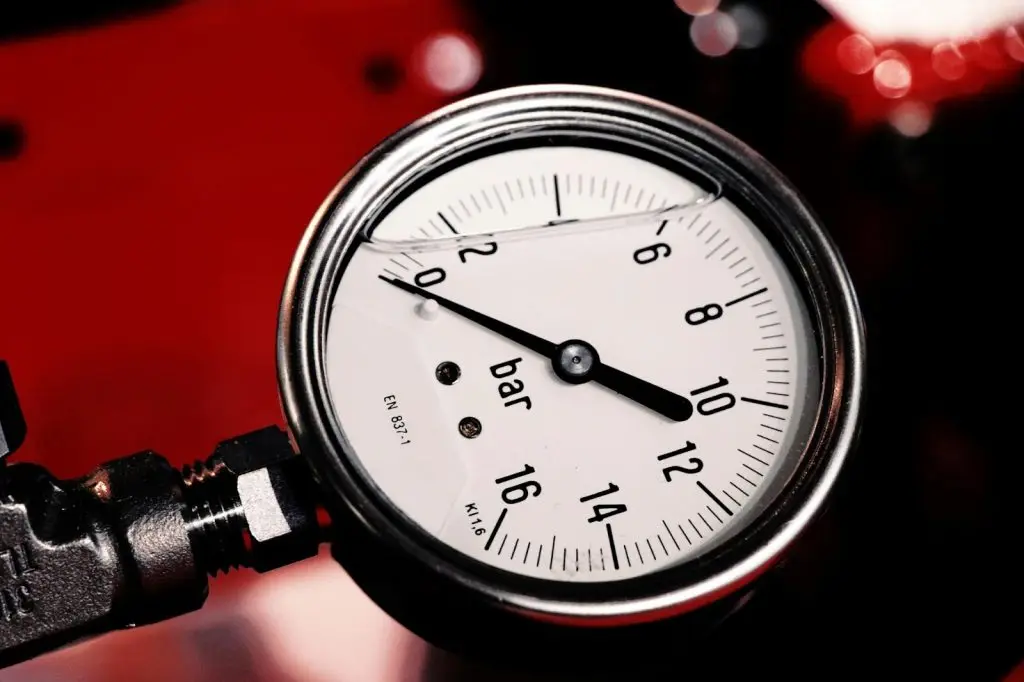
If there is a rapid drop in barometric measurements, it means there is an approaching storm system. When the pressure drops rapidly in hours, winter storms are coming.
Monitoring barometers is one of the simplest ways for identifying prediction weather winter patterns.
Monitor rapid temperature changes
If the temperature drops suddenly, it shows a cold front is moving into your area. This predicts weather winterrain or snowfall.
Checking these patterns improves the prediction of winter alerts.
Track wind shifts before storms
The direction of wind can detect approaching weather systems. If the winds are shifting from West to North, it may signal colder air coming. Analysing these patterns improves early predicting weather winter awareness.
Analyze snowfall trends
Advanced stations measuring snowfall allow you to predict how fast snow is accumulating in your area. A rise in snowfall indicates intense storms.
Analysing snowfall trends helps plan storm prep steps like preparing emergency kits and clearing pathways.
Best placement for winter accuracy
One of the main things to predict correct readings is choosing the perfect placement of your weather station. Poor placement can give incorrect readings. It can reduce the applications of prediction weather winter monitoring generally. Keep in mind these things when placing the weather station:
- Mount the sensors away from direct windblocks. Congested areas like buildings, fences, or trees can interfere with wind readings, and clear exposure helps in accurate readings.
- Keep units clear of snow buildup because snow covering can block measurements and cause incorrect measurements.
- Place the sensors away from heat sources because heat can cause it to give higher temperatures than outdoors.
- Make stable mounting before a storm hits. If the weather stations are placed firmly, they don’t shift or break during strong winds.
Proper positioning is necessary to ensure the data supports correct prediction weather winter readings.
FAQs
Can a home weather station predict snow?
A home weather station can not give professional forecasts. It helps to identify conditions that indicate snowfall. Analysing pressure, temperature, wind, and humidity improves prediction weather winter forecasts.
How accurate are personal weather stations?
Good quality home weather stations are highly accurate if installed properly. Their readings match the local official stations.
Do weather stations work in extreme cold?
Yes, many of the weather stations are designed to operate in severe weather conditions. Advanced models with freeze-resistant components give accurate readings in winter conditions.
Where should I install outdoor sensors?
They should be placed outside in open areas far from buildings, heat sources, and hurdles. Proper positioning enhances data accuracy and helps in predicting weather conditions.
Conclusion
Living in a region where winter can be extremely unpredictable is challenging but with the help of accurate tools, you stay prepared. Home weather stations help you analyse temperature, humidity, snowfall, and wind change so you can prepare yourself for safety.Proper understanding of its information can help homeowners improve their prediction weather winter awareness. Recognizing warning signs, monitoring weather changes, and following an emergency timeline for preparation can help your home and family during extreme weather.