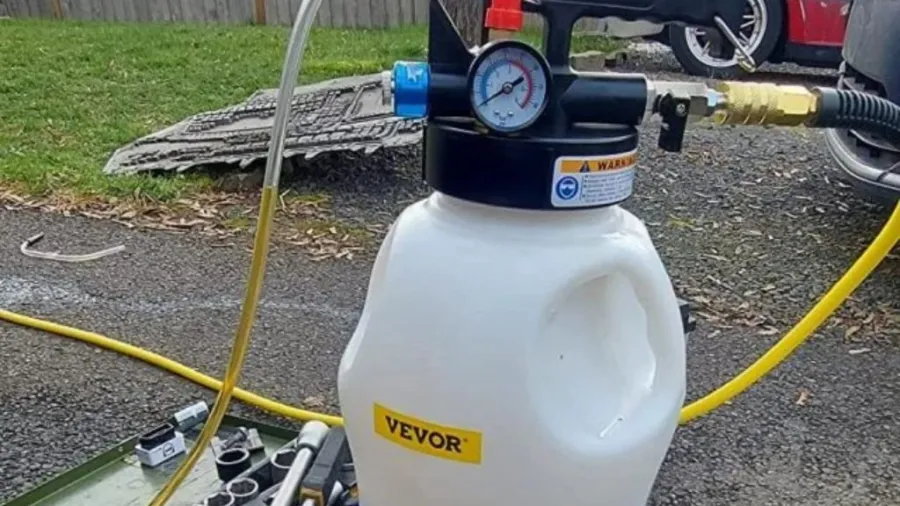
Cold engine oil is thick as syrup, and that’s exactly when you end up on the garage floor fighting a stuck drain plug while a gritty stream runs down your wrist. A pneumatic oil extractor skips all of that. This air oil extractor pulls old oil straight up through the dipstick tube using shop air, so there’s no jack, no plug, and no puddle to mop up. This guide covers how an air-powered oil extractor works, the types you should know, and how to change oil with the right oil extractor.
What Is A Pneumatic Oil Extractor And How It Works
A pneumatic oil extractor is a sealed tank that uses compressed air to build a vacuum and pull fluid out of an engine or gearbox. As an air operated pump, it needs only your compressor to run. Hook it up, let the vacuum form, and the oil climbs the hose on its own. Here’s what happens inside, and how this compressed air extractor stacks up against other tools.
How Compressed Air Builds The Vacuum
Shop air does the lifting. When compressed air rushes past a small internal port, it drags air out of the tank and leaves a partial vacuum behind, the same venturi trick a paint gun uses. That low pressure runs down a thin tube pushed into the dipstick channel, drawing the oil upward.
A good air operated pump reaches full vacuum in a minute or two and holds it with the air line unhooked, so one charge often empties a whole sump. Because a pneumatic suction pump keeps the draw steady instead of pulsing, the compressed air extractor pulls warm oil cleanly without foaming it. Transfer tools like diaphragm pumps work the opposite way, pushing fluid rather than drawing a vacuum.
Pneumatic Vs Manual Vs Electric Extractors
Three power sources pull oil the same way but suit different budgets.
- A hand-pumped model costs the least and needs no power, yet your arm builds the vacuum, and it fades as the tank fills. An electric unit runs off a battery or outlet and helps when no compressor is around.
- A pneumatic oil pump gives the strongest, hands-free draw, as long as you already own a compressor to feed it, which is why most pro bays keep a pneumatic fluid pump in their fluid transfer equipment. The table helps you choose the right air-powered extractor, from a basic hand model to a full air-powered oil pump.
| Power Source | How Vacuum Is Made | Best For | What It Needs |
| Manual hand pump | Hand plunger | Home air-operated extractor | Only your arm |
| Electric 12V / 110V | Built-in motor | Mobile work, no compressor | A power source |
| Pneumatic air pump | Shop compressed air | Frequent shop air-powered extractor | An air compressor |
| Dual air/manual | Air or hand plunger | Flexible air-operated extractor | Compressor optional |
| Example to consider | VEVOR 9.5 L dual pneumatic/manual extractor | Mixed garage duty | Air or hand power |
Choosing A Pneumatic Oil Extractor By Workload
The right tank size and build depend on how hard you’ll run the air-operated extractor. A weekend oil change asks for far less than a bay that drains twenty cars a day. A compact dual-mode extractor covers the lighter end, while heavy bays need a bigger pneumatic fluid pump. Below are the picks readers ask about, by shop type.
What are the top oil extractors for shops that need heavy daily use?
For heavy daily use, the top pick is a large-tank, air-powered oil pump in the 9 to 15 liter range with a metal or thick HDPE body and fast vacuum recovery. High volume means fewer trips to the waste drum, and a vacuum that rebuilds quickly between cars keeps the bay moving, which is why busy shops stock the heavier oil extractors. A high-duty pneumatic oil extractor earns its spot fast there. The table matches a setup to each shop.
| Shop Situation | Tank Size To Look For | Priority Feature | Why |
| Heavy daily shop | 12 – 15 L | Fast vacuum recovery | Back-to-back air-powered oil pump |
| Fleet maintenance | 15 L and up | Wheeled pneumatic fluid extractor | Fewer empties on big sumps |
| Mobile mechanic | 6 – 7 L | Light air-operated extractor | Travels between jobs |
| Light/home use | 6 L | Low-cost pneumatic oil pump | A few changes a year |
| VEVOR example | 15 L pneumatic/manual extractor | 4-gallon tank for long runs | Full shop-day volume |
Fleets change the math, because you’re emptying big diesel sumps one after another. This is the question that comes up whenever a service manager is kitting out a bay: Which oil extractors are most highly recommended for fleet maintenance? The most commonly recommended ones are 15-liter-plus pneumatic fluid extractors with wheels and a sight gauge, so a tech can drain several trucks before dumping the tank. If your fleet runs mixed vehicles, a dual air-and-manual pneumatic suction pump.
A pneumatic pump keeps you working even when a bay has no free air line, which is why a pneumatic fluid extractor suits fleet duty.
Mobile work flips the priority to weight and bulk. A question van-based techs ask all the time is this: Which oil extractors are most portable for mobile mechanics? The most portable are compact 6- to 7-liter units that run in both air and manual modes, so you’re not tied to hauling a compressor to every driveway. A small air-powered oil pump like that fits in a van, handles a car or two per stop, and doubles as a hand pump when no power is nearby. For a mobile mechanic, a light air oil extractor beats a heavy one.
Recommended For Your Project
Durability And Suction Features To Check Before Buying
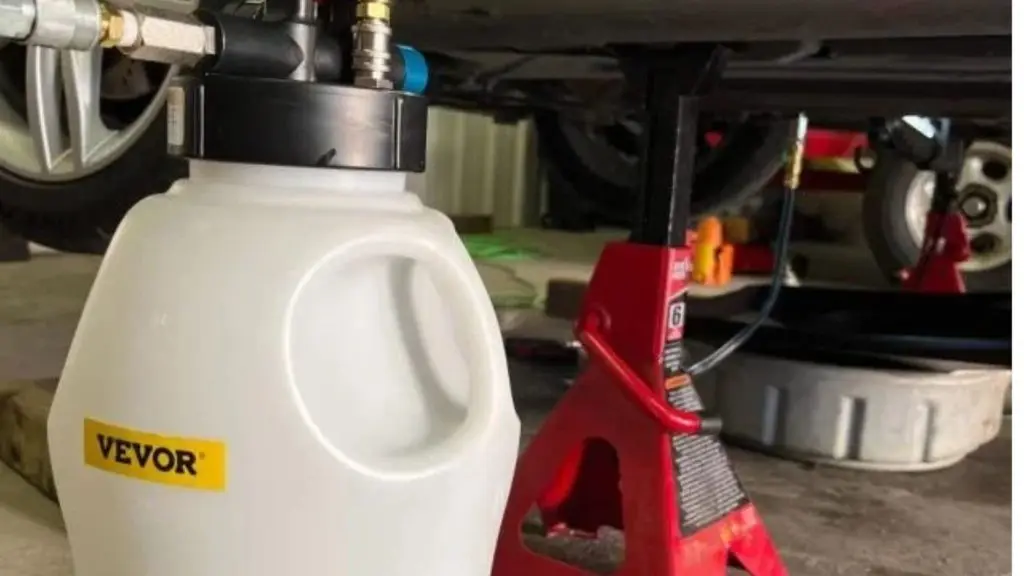
Two things separate a tool that lasts from one that quits in a year: how it’s built, and how well it holds suction on thick oil. Both show up fast on a busy pneumatic suction pump. Here’s what readers ask, and what to look for in a pneumatic oil extractor.
Which oil extractors are most durable for rough workshop conditions?
The most durable are metal-tank or heavy-gauge HDPE extractors with reinforced hose fittings and a protected pressure gauge. A dropped tool on a concrete floor is routine in a shop, so a thin plastic tank that cracks at the seam won’t last. Check the fittings first, since that’s usually where a cheap air-powered extractor fails, and it’s a spec worth comparing across the automotive tools you already trust. A well-built air operated pump shrugs off the knocks that break the cheap ones. The table shows weak and durable builds side by side.
| Part | Weak Build | Durable Build | Why It Matters |
| Tank | Thin brittle plastic | Metal or thick HDPE | Survives knocks and drops |
| Hose | Stiff, cracks cold | Flexible, oil-resistant | Won’t split in winter |
| Fittings | Loose push-on | Threaded, reinforced | Holds vacuum under load |
| Gauge | Exposed | Recessed or guarded | Reads true after bumps |
| VEVOR example | – | 6.5 L pneumatic fluid extractor, heat-resistant | Everyday shop knocks |
Which oil extractors are rated best for consistent suction with thick oils?
For thick oils like gear lube or cold engine oil, the best-rated are extractors that let you pre-warm the fluid and hold a strong, steady vacuum through a wide pickup tube. Thin tubes and weak draw are what stall on heavy fluid.
A pneumatic fluid pump fed by a constant compressor keeps the suction level where a tiring hand pump drops off. A pneumatic oil pump with a wide bore clears cold gear oil that a thin straw would choke on, so match the air oil extractor to the thickest fluid you handle. The table shows what builds strong suction.
| Factor | Weak Suction | Strong Suction | Effect On Thick Oil |
| Warm-up | Cold fluid | Run engine 5 min | Oil flows far faster |
| Vacuum source | Fading hand pump | Steady compressed air extractor | Constant pull, no stall |
| Pickup tube | Narrow bore | Wider bore | Moves heavy oil quicker |
| Tank seal | Leaky lid | Airtight gasket | Longer pneumatic fluid pump vacuum |
| VEVOR example | – | 9.5 L air operated pump with three tubes | Reaches and clears thick fluid |
Where A Pneumatic Oil Extractor Fits In The Shop
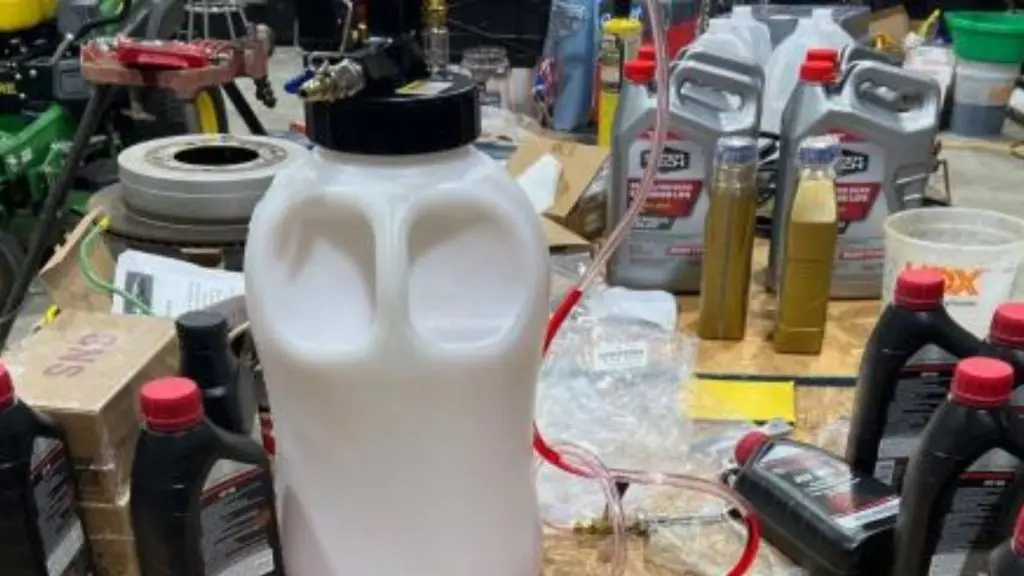
An extractor isn’t only for engine oil. It earns its keep across the bay, and a little care keeps the draw strong for years. Two things are worth knowing before this air-powered extractor joins your tool wall.
4 Fluids A Pneumatic Oil Extractor Can Pull
It handles far more than motor oil. Through the dipstick or a filler port, the same air operated pump pulls engine oil, gear and transmission fluid, power steering fluid, and brake or coolant with the right tube.
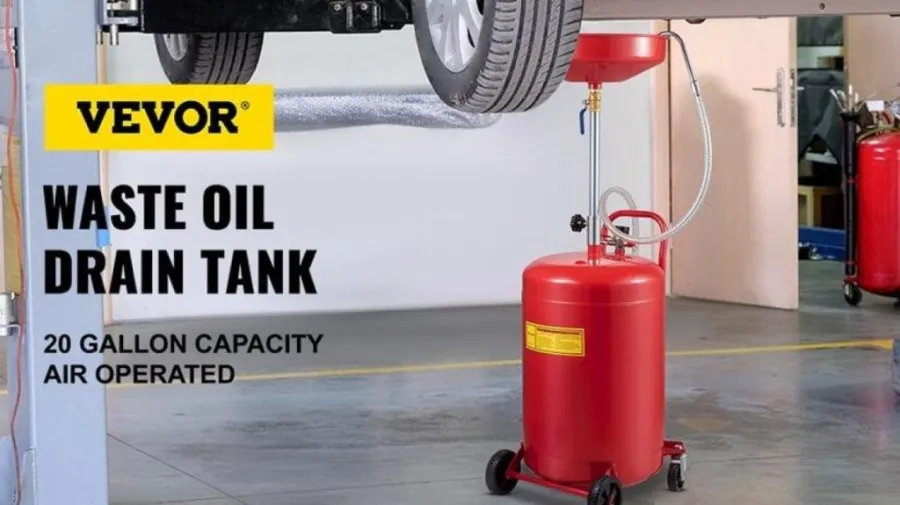
That makes one pneumatic oil pump useful on cars, motorcycles, lawn mowers, boats, and tractors. When you need to empty the full tank, pair the extractor with a wheeled waste container from the upright oil drain range so the used fluid goes straight to disposal with no second handling.
Bulk work is a little different. For pushing used oil out of a collection drum in volume, a shop can add an air-operated diaphragm pump, a separate tool that drives fluid forward rather than vacuuming it from a dipstick like an air oil extractor does. In most bays, the two sit side by side, each doing the job the other can’t.
Keeping Suction Strong With Simple Care
Clean it, and it keeps pulling. After using each oil extractor pump, drain the tank fully and run a little air through the hose to clear leftover oil, which stops oil from thickening in the line. Check the lid gasket now and then, since a hardened seal is the usual reason a compressed air extractor loses vacuum. Store the tubes straight so they don’t kink. Looked after this way, a pneumatic suction pump holds its draw for years, and a well-kept air-powered oil pump from a trusted oil extractor lineup pays for itself over many oil changes.
Conclusion
The right pneumatic oil extractor comes down to how you work. High-volume bays want a big-tank pneumatic oil pump and quick vacuum recovery, fleet techs want capacity and wheels, and mobile mechanics want a light dual-mode pneumatic suction pump they can carry. Across all of them, strong fittings and a wide warm-oil pickup matter more than any single number. Match the tank and build to your real workload, keep the seals clean, and turn a messy job under the car into a quick, clean pull from the top.
FAQS
Do I need an air compressor to use a pneumatic oil extractor?
Yes, a true air-powered model needs a compressor to build the vacuum. Many tanks are dual-mode, though, so you can hand-pump the same compressed air extractor when no air line is handy.
How long does it take to extract engine oil?
Usually five to ten minutes for a car once the oil is warm. Warming the engine first thins the oil, so it climbs the pickup tube faster and the tank fills with less waiting.
Can a pneumatic fluid extractor remove all the old oil?
It removes most of it through the dipstick, often as much as a drain plug on flat sumps. On a tilted or baffled pan, a little may stay behind, so check your engine’s layout first.
What size tank should I choose?
Match it to your workload. Six to seven liters suits home and mobile use, while a twelve to fifteen liter pneumatic fluid pump suits busy shops and fleets that drain large sumps back-to-back.
Is it safe to reuse the extractor for different fluids?
Yes, if you flush the hose and tank between fluid types. Mixing gear oil, coolant, and engine oil without clearing the line can contaminate the next job, so run air through the air-operated extractor and drain fully.