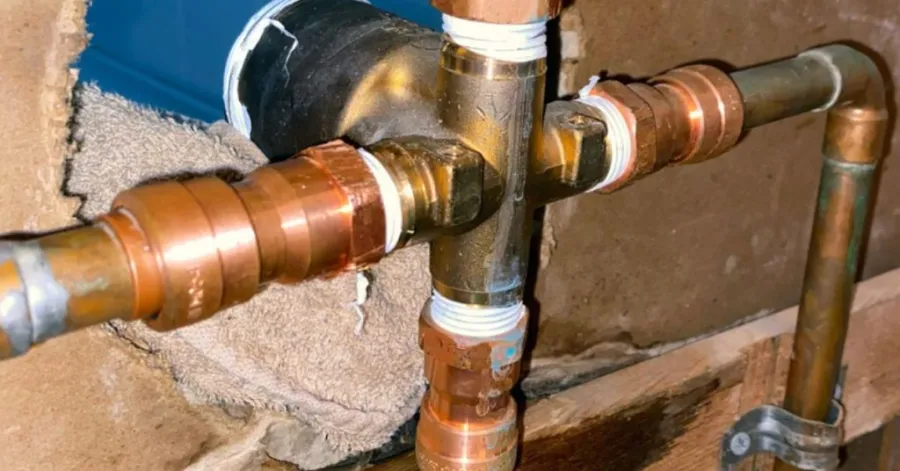
Installing copper plumbing pipes and fittings should be planned, equipped with the right tools, and installed very carefully to achieve a safe and durable system. From measurement and cutting to cleaning and joining, each step plays a significant role in producing leak-free connections. Current installation techniques for copper pipes and fittings in plumbing are quicker and more dependable thanks to improved equipment, such as the Pro Press battery-powered crimping tool, which eliminates the need for conventional soldering. This ensures a safe, cleaner, and more efficient process for professionals and homeowners. Knowledge of every step will lead to greater accuracy and more reliable results in any home plumbing system involving copper pipe fittings.
- Essential Tools Needed for Plumbing Copper Pipes and Fittings
- How to Measure and Cut Copper Pipes Correctly for Plumbing Installations
- Cleaning and Preparing Copper Pipes and Fittings for Strong Plumbing Connections
- Step-by-Step Installation Process for Copper Pipes and Fittings in Plumbing Systems
- How to Test Copper Pipe Connections for Leaks in Plumbing Systems
Essential Tools Needed for Plumbing Copper Pipes and Fittings
When working with copper plumbing pipes and fittings, one must have the right tools to ensure all connections are clean, secure, and durable. Appropriate tool installation not only enhances precision but also helps minimize installation errors. In contemporary plumbing, conventional joining methods are being enhanced with faster, safer systems. This increases the efficiency and reliability of the work in both small and large projects.
It is necessary to know the purpose of each tool used to prepare, cut, and join pipes before beginning any installation of plumbing copper fittings. This is guaranteed by a well-organized strategy that ensures quality work and professional completion of any plumbing system.
Common Hand Tools Used in Copper Pipe Installation
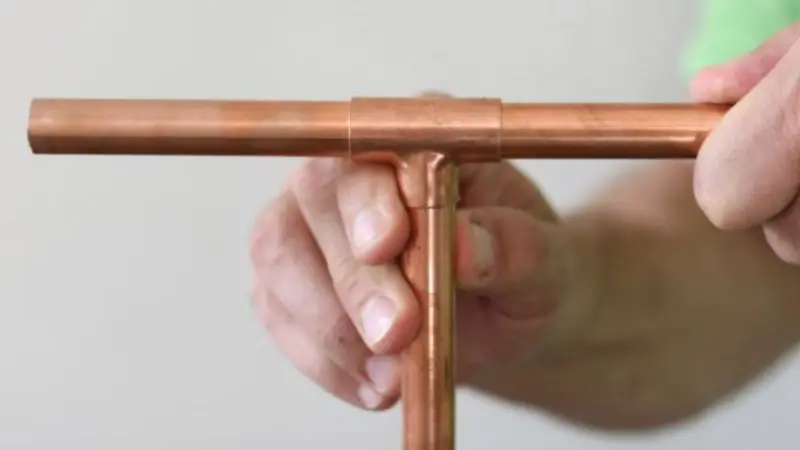
Copper pipe fittings and home plumbing always require the use of hand tools so the fittings can be prepared properly. The precise length of pipes is marked with a measuring tape, and pipe deburrers may be employed in removing sharp edges after a cut. The adjustable wrenches come in handy when making sure that the fittings are tightened properly without damaging the surface of the pipe.
The tools are very important in copper pipe fittings to undertake plumbing jobs because they are used to ensure that every component is placed and then attached. Even when more advanced tools are then applied, these simple tools are used since the pipe is already ready to fit in the more advanced tools, with ease and stability. Not preparing the final joint may lead to a weak or imbalanced joint that could take its toll on the rest of the plumbing system.
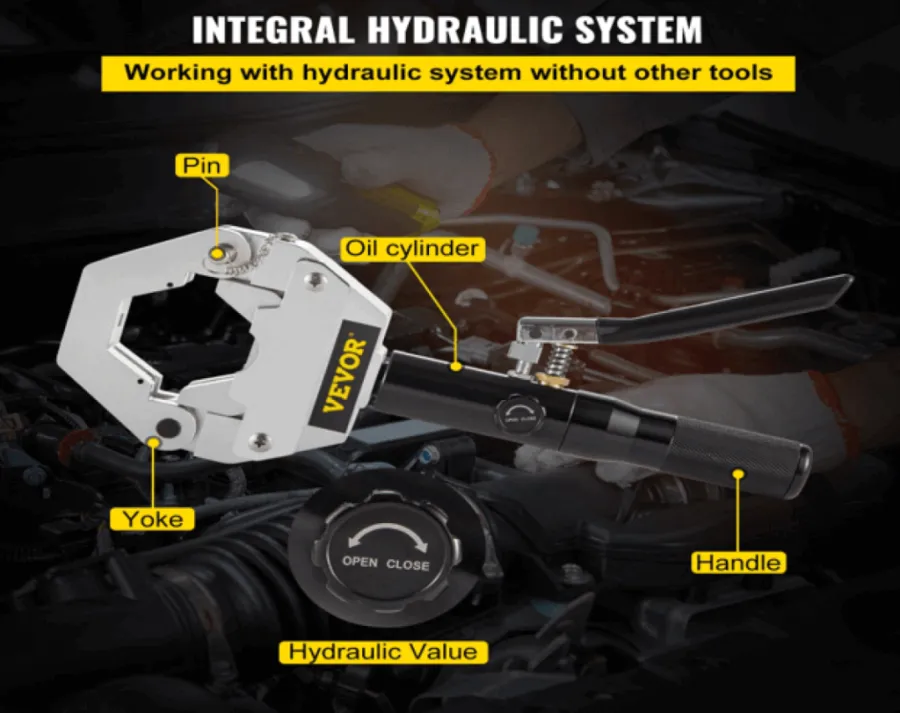
ProPress Battery-Powered Crimping Tool for Modern Copper Pipe Installation
The introduction of the ProPress battery-powered crimping tool has been one of the largest developmental changes in the best copper plumbing fittings tools and has transformed the procedure of joining copper pipes. This tool offers the advantage of a leak-free connection between the fittings and pipes, but unlike the heat or the open flame, it employs controlled pressure.
The ProPress clamp is a faster, safer, and better-fitting tool to install copper pipe fittings. It will also reduce the solder required, hence lowering the fire risk and simplifying the work process. This renders it quite useful in both home and commercial plumbing projects, especially where efficiency and safety are concerned.
The tool is particularly useful for copper pipe fittings in residential plumbing, as it allows plumbers to complete installations in a short time while maintaining quality. It also makes sure that every joint is well enclosed, which makes the system durable and long-lasting.
@milusos502 En trabajo sacas la inversion #vevor #vevorpresstool #fentysuperbrandday #dealsforyoudays #parati
♬ sonido original – milusos502
Safety Tools and Preparation Before Starting Work
Care is always taken in any plumbing work involving copper pipes. Safety glasses, protective clothing, and gloves prevent injuries when cutting and fitting work. A clean workspace also guarantees better control and fewer errors during installation.
Even better, with modern systems such as the ProPress battery-powered crimping tool, there is no need for open flames when joining the pipes. It makes it less risky to install fittings on copper plumbing pipes and makes the installation safer and more controlled in case of fire. The right tools and proper preparation will ensure a smooth, professional plumbing outcome every time.
How to Measure and Cut Copper Pipes Correctly for Plumbing Installations
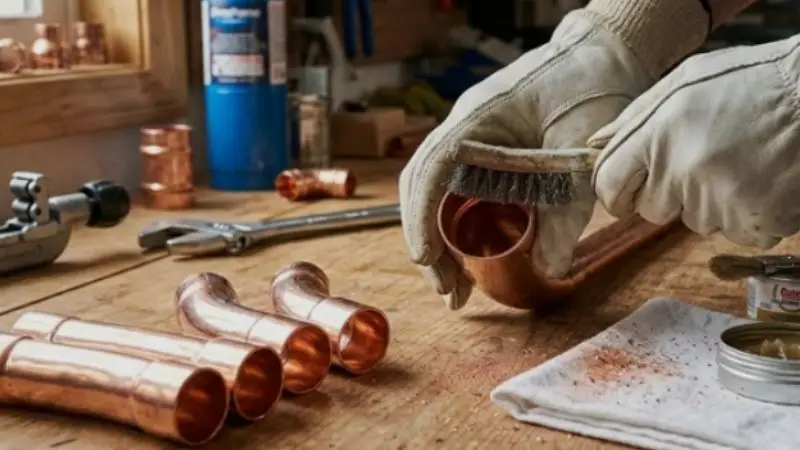
Any successful installation of copper pipes and fittings is founded on proper measuring and cutting. With proper pipe lengths laid initially, all the joints will fit in better, and the system will be more reliable. It is performed in small work and during the fitting of copper pipes, and on the home plumbing work we do, a mistake in size can have repercussions on the final output of the work and result in future water leaks.
Before engaging in joining techniques, e.g., joining copper pipe fittings, the pipe needs to be primed with the correct measurements and clean cuts. The gradual, cautionary action in this respect simplifies the steps afterward, especially with the system in existence of modern joining, in which a fit is necessary.
How to Mark Copper Pipes Accurately Before Cutting
Marking is the initial and most significant step in the installation of plumbing, copper, and IPES fittings since it determines the exact length of the pipe prior to cutting. It is preferable to measure again to ensure that you have taken the correct measurement and take a mark only when you are certain that you have done so. A distinct and visible marking line will facilitate the cutting tool and provide straight and controlled cutting.
A single marking error in copper pipe fittings in plumbing work can result in inaccurate fitting or fittings not fitting. This is the reason why marking should be done on a smooth surface with appropriate light. Once the pipe is labeled properly, the remaining installation procedure becomes easier and more precise, which will make fewer changes necessary in the future.
How to Use a Pipe Cutter for Smooth and Clean Copper Pipe Edges
One of the most important tools in the best copper plumbing fittings is a pipe cutter that provides clean, round, and precise cuts without damaging the pipe’s structure. Compared with rough-cutting techniques, it maintains the pipe’s edge straight, which is essential for a close-fitting connection.
Once marked, the pipe cutter is followed along the line, and a smooth cut is made. This clean edge is particularly critical in the context of contemporary tools, such as the ProPress battery-powered crimping tool, in which the fitting relies upon a clean end of the pipes to aid in a firm seal. Since no heating or soldering is required, a suitably cut pipe can further accelerate the overall process of installing the plumbing copper pipes fittings, and guarantees a safer and more consistent outcome.
How to Remove Burrs from Copper Pipes for Proper Fitting Connection
When copper pipes are cut, they may leave behind small burrs or sharp edges either on the inside or outside of the pipe. These should be carefully removed to produce a smooth and level surface to fit. Removal of burr is significant, as it prevents flow blockage and ensures the slide fits without resistance.
Clean ends of the pipes are required in the copper pipe fittings for home plumbing to create a good and leak-free connection. The pipe is now entirely prepared to join, after all the burrs are removed. At this point, the battery-powered crimping tool, the ProPress, is very useful, and it is possible to solder the fittings asap. This makes the connection process quick, secure, and dependable, particularly in contemporary plumbing technology, where efficiency is essential.
Cleaning and Preparing Copper Pipes and Fittings for Strong Plumbing Connections
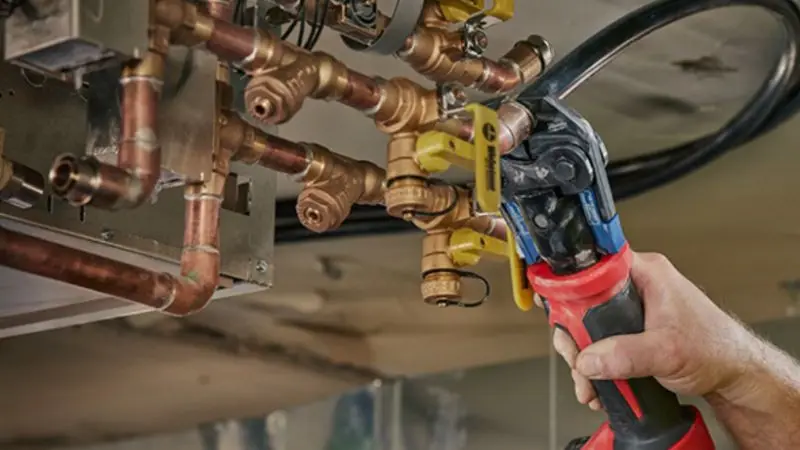
In any plumbing work involving copper pipes and fittings, proper cleaning and preparation are a must. Although pipes are measured and cut correctly, the final joint can be weakened by dirty or unprepared surfaces. Clean surfaces will assist in a smooth connection and enhance the life of the system. This is particularly necessary in copper pipe fittings for home plumbing, whereby the primary aim is to prevent leakage in the long run.
Before joining copper pipe fittings, all pipes and fittings should be thoroughly cleaned and ready. Cautious cleaning exercises help establish a solid foundation for modern joining techniques, such as press-fitting systems, which provide reliable operation in any installation.
Why Cleaning Copper Pipes Is Important Before Joining Fittings
One of the most important steps in installing copper pipe fittings is cleaning, as copper naturally oxidizes over time. Failure to remove this layer will result in failure of bonding of fittings and may cause weak or leaking joints.
Even tiny dirt, grease, or oxidation can diminish the quality of the connection in copper pipe fittings used in plumbing work. Fittings can be fitted on clean surfaces and form a tight seal. This is more essential when applying modern equipment such as the ProPress battery-powered crimping tool, where heavy mechanical pressing is required with clean and smooth pipe surfaces to provide a good and leak-free connection.
How to Use Abrasive Tools for Proper Copper Pipe Surface Preparation
Oxidation is removed, and the copper pipes are smoothed with abrasive tools like sanding pads or cleaning brushes. This operation makes the surfaces of the pipes and fittings clean and prepared to be joined. Appropriate surface preparation enhances contact between materials, which is necessary for good fitting performance.
Surface cleaning tools are regarded as equally significant as cutting tools in the best copper plumbing fittings tools, as they directly influence the quality of joints. With a proper cleaning of the pipes, the fitting process is more assured, particularly in the contemporary systems where the ProPress battery-powered crimping tool is applied. The tool can better compress the material into a tight and consistent compression on a clean surface, resulting in a more consistent and stronger connection.
How Proper Cleaning Ensures Tight Bonding and Leak-Free Copper Joints
A clean pipe surface is a significant factor in installing copper pipe fittings that provide tight, leak-free pipe joints. The fitting may interlock and give a secure fix when the surface is clean and free of oxidation and debris.
It is necessary in copper pipe fittings and home plumbing to ensure long-lasting performance, as improper preparation may lead to leaks or pressure loss. After cleaning, the system is at the stage of advanced joining methods. The ProPress battery-powered crimping tool is best used at this point, as the fitting can be crimped firmly over a clean surface, providing a tight fit and a strong, solid seal without the need for soldering or heat-related processes.
Step-by-Step Installation Process for Copper Pipes and Fittings in Plumbing Systems
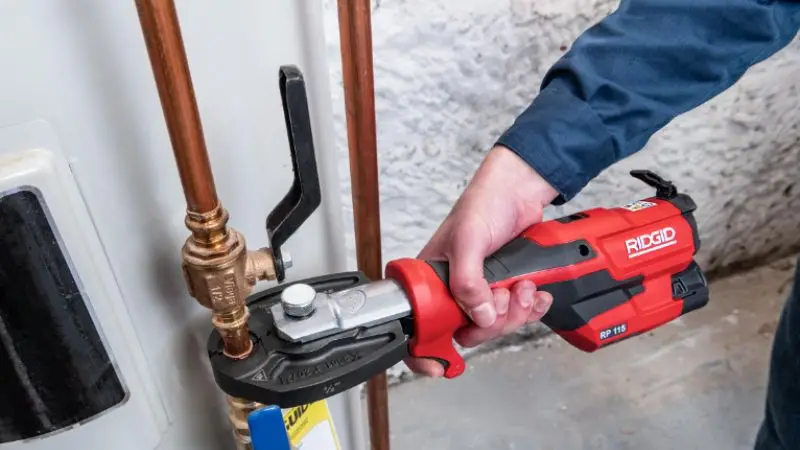
The installation process is critical in any project involving copper pipes and plumbing fittings, as it ensures that all joints are stable, aligned, and free of leaks. With every step in the right sequence, the system can be more robust and withstand pressure. This is the stage that unites all the previous preparation activities, such as measuring, cutting, and cleaning.
Modern copper pipe fittings for home plumbing are also being developed with safer, faster installation methods. Other, more innovative methods, such as the ProPress battery-powered crimping tool, are now common and are designed to enhance speed, reliability, and minimize the necessity of heat-induced joining.
How to Dry Fit Copper Pipes and Fittings Before Final Installation
The initial step in installing copper plumbing pipes and fittings is dry fitting, in which the pipes and fittings are assembled without any bonding substance. This will assist in verifying alignment, fit, and general layout prior to establishing permanent connections. It enables easy adjustments to be made in case any part does not fit correctly.
Dry fitting is important in copper pipe fittings used in plumbing work since it eliminates errors in the final assembly. It also makes sure that all the joints are positioned and the pipe route is correct. After the dry fit is established, the system can be ready to be joined by the traditional approach or by the modern press systems, such as the ProPress battery-powered crimping tool that does not require any soldering.
How to Apply Flux and Assemble Copper Pipe Fittings Correctly
Historically, the pipe ends are cleaned and then covered with flux to join copper pipe fittings to prevent oxidation throughout the heating process and to allow free solder flow. Once fluxed, this fitting is fitted on the pipe and then aligned to join.
In copper pipe fittings for home plumbing, the correct assembly is performed to ensure that all parts are well aligned before being permanently fixed. Nevertheless, there is a trend towards the use of press fitting technology rather than flux and solder in modern plumbing systems. The ProPress battery-powered crimping tool is used to assemble fittings and mechanically press them to form a strong seal, thereby making the process quick and clean, and it does not require any chemicals or heating.
How to Heat and Solder Copper Pipes for Strong Traditional Connections
Plumbing installations using copper pipe fittings have traditionally been done by heating and soldering to form strong, permanent joints. Here, the pipe and the fitting are heated, and solder is melted in the joint to create a sealed connection. This technique involves expertise and high temperature.
Soldering is still effective in the best copper plumbing fittings tools, but has been phased out in most contemporary applications. A safer and more convenient option with the ProPress battery-powered crimping tool is that you do not have to use an open flame; you can avoid fire and install the tool much faster, while it provides a solid, long-lasting union.
How to Cool and Secure Copper Pipe Joints After Installation
Soldering should be followed by letting the joint cool down to ensure it properly bonds when installing copper plumbing pipe fittings. During cooling, moving or shaking the joint may weaken the seal and lead to future leaks.
In copper pipe-fitting plumbing, the joint is allowed to cool and stabilize, and then the system is checked to test its strength and alignment. This cooling step is not necessary with the modern press systems, such as the ProPress battery-powered crimping tool, as no heat is generated. Fitting is secured immediately upon pressing, making the installation process more efficient, safer, and faster in both residential and professional plumbing applications.
How to Test Copper Pipe Connections for Leaks in Plumbing Systems
One of the most crucial last stages in any plumbing, copper piping, and fittings installation is testing. Although pipes are measured, cut, cleaned, and joined properly, an appropriate test is used to ensure that all connections are securely fastened. This is done in order to ensure that the system is able to manage the water pressure without collapsing. For copper pipes and copper piping fittings in home plumbing, leak testing is imperative to prevent future damage and expensive repairs.
The installation of any plumbing, copper pipes, and fittings should be properly tested in actual working conditions before finalizing the installation. This will ensure that all joints are stable, particularly when the joining system is used, such as the ProPress battery-powered crimping tool, which is designed to establish strong and reliable press connections.
How to Check Water Pressure After Installing Copper Pipes
The initial step in joining copper pipe fittings is to check the water pressure to ensure the system is maintaining the appropriate pressure. Water is gradually added to the system, and pressure is measured to ensure it does not drop drastically.
Stable pressure in copper pipe fittings of plumbing work is used to show that all joints are closed off correctly. When the pressure is low, it could indicate a loose connection or an imperfect seal. When modern installations employ a ProPress battery-powered crimping tool, pressure testing is particularly crucial, as it ensures that every pressed joint is properly clamped and fit for long-term use.
How to Identify Weak or Loose Copper Pipe Joints
Once pressure has been applied, all joints must be thoroughly examined to check for any leakage or weakness in the installation of copper pipe fittings. This involves inspecting visible drips, moisture, or pressure loss at the points of connection.
Weak joints normally arise in the best copper plumbing fittings tools application, either as a result of poor preparation or wrong alignment during fitting. Nevertheless, with sophisticated tools such as the ProPress battery-powered crimping tool, the likelihood of loose joints is much lower because the tool applies consistent pressure around the fitting. Nevertheless, it is recommended to check that all the connections are fully secured.
How to Fix Leaks in Copper Pipe Connections Before Final Use
In case of any leaks during testing, they should be repaired immediately before the system is put into its final use. In historic plumbing installations with copper pipe fittings, this can entail reheating solder joints or flux and re-fitting.
Press-fit copper pipe fittings for home plumbing are easier to repair than modern copper pipes. In case one of the joints has not been sealed well, the part may be reinspected and re-crimped with the ProPress battery-operated crimping tool to provide a tight and dry joint. This enhances efficiency, reduces downtime, and makes the entire plumbing system less dangerous and more dependable before final operation.
Wrap- Up
To create a plumbing system that is robust and leak-free, it is important to properly install copper pipes and fittings. All the steps, including measuring and cutting, joining, and testing, add to the total performance. It is the correct techniques that make the installation of copper pipe fittings in plumbing firm and stable over the years. The ProPress battery-powered crimping tool has also made it easier to connect, making it safer, easier, and more reliable without having to use open flame, which has been modernized. Using the correct techniques and avoiding the pitfalls and traps that beginners fall into, one can achieve professional-level results in home copper pipe plumbing and ensure the system’s stability in the long run.
FAQs
Which is the most appropriate tool to use in installing copper pipes?
One of the greatest contemporary crimping tools is the ProPress battery-powered crimping tool, which is capable of producing secure, fast, and leak-free connections without heat or soldering.
What is the reason to clean the copper pipes prior to installation?
Cleaning eliminates oxidation, dirt, and grease in the pipes and makes sure that the fittings and pipes are well bonded which prevents leakage and enhances long-term life.
Is it possible to join copper pipes without soldering?
Yes, there are contemporary systems, such as the ProPress battery-powered crimping tool, that enable copper pipes to be connected without soldering by applying strong mechanical pressure rather than heat.
What is the cause of copper pipe fittings’ leaks?
Poor cleaning, improper cutting, misalignment, and ineffective joining techniques that do not provide a good seal between pipe and fitting typically result in leaks.
What is your method of testing copper pipe connections?
All copper pipe connections are also checked with the help of the water pressure, and the leaks, pressure drops, and weak points of all joints are checked prior to the final use of the system.