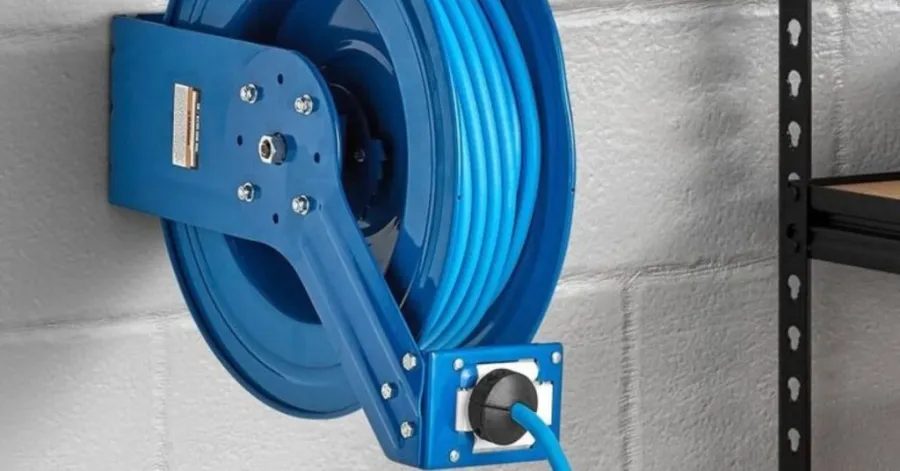
When you look at the parts of a hose reel, you find several vital components. These include the hose adaptor, handle, reel supports, drum plates, metal frame, side plates, wheels, and winding system. Each part helps you use, move, or store your hose more easily. This post explains what each part is and how it works.
Parts of a Hose Reel
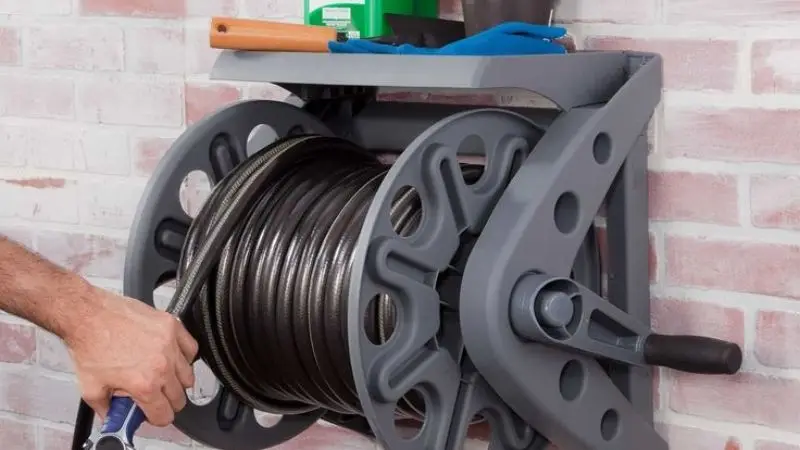
A hose reel has numerous essential components that work together. You will learn more about each of the significant parts of a hose reel in this section. You can use your hose reel correctly and avoid damage and tangling by being aware of these components. Knowing what each component does will also make it simpler for you to identify issues or repair your hose reel. You should be aware of the following key components of a hose reel:
Hose Adaptor
The hose adaptor connects your hose to the reel. This part lets water flow from the source through the hose. Attach the hose here to keep it secure.
Handle
You use the handle to wind or unwind the hose. Turning the handle moves the drum, which rolls the hose up or lets it out. This part helps you control the hose and prevent tangling and damage.
Reel Supports
Reel supports hold the drum in place. They keep the drum steady while you wind or unwind the hose. These supports ensure the parts of a hose reel remain strong and balanced.
Drum Plates
Drum plates sit on each side of the drum. They guide the hose as you roll it up. Drum plates help prevent tangling and damage by keeping the hose in line.
Metal Frame
The metal frame gives the hose reel its shape. It holds all the other parts together. A strong frame keeps your hose reel sturdy and safe to use.
Side Plates
Side plates add extra support to the drum and frame. They help the hose reel parts stay in the right place. You can count on side plates to keep the reel from bending or breaking.
Wheels
Wheels let you move the hose reel easily. You can roll the reel to different spots in your yard or garden. Wheels make it simple to transport the parts of a hose reel wherever you need them.
Winding System
The winding system includes the handle and gears that help you roll up the hose. This system makes it easy to store your hose neatly. A sound winding system keeps your hose organized and ready to use.
Functions of Hose Reel Parts
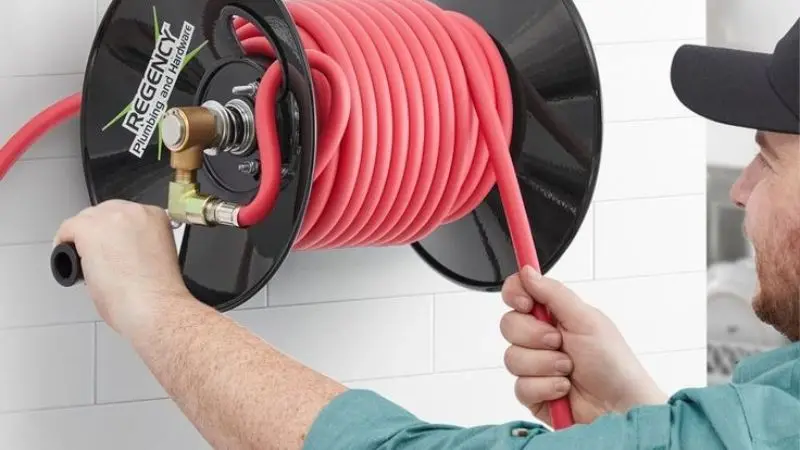
Function of Hose Adaptor
You use the hose adaptor to connect your garden hose to the reel. This part acts as the main entry point for water. When you attach your hose here, you create a secure link that prevents leaks. The hose adaptor also helps you keep the hose in place while you wind or unwind it. If you want to use a hose guide, you often connect it near the adaptor to help direct the hose smoothly onto the reel.
Function of Handle
The handle gives you control over the hose reel. You turn the handle to rewind the hose onto the drum or to let it out when you need to use it. A good handle makes this job easy and quick. You do not need much strength to use it. Some handles come with a hose guide, which helps you roll the hose up evenly and prevents it from bunching on one side.
Reel Supports Function
Reel supports keep the drum steady while you use the hose reel. These supports hold the drum in place so it does not wobble or move around. When you wind or unwind the hose, the reel’s supports keep everything balanced. This helps you avoid tangles and damage. If your hose reel has a hose guide, the supports help keep the hose aligned with the drum.
Drum Plates Function
On either side of the drum are drum plates. When you roll up the hose, it serves as a guide to keep it in place. The hose is prevented from slipping off the sides by drum plates. Every time, you get a tidy, uniform coil. Additionally, drum plates shield the hose from jagged edges and improve the performance of the hose guide.
Function of Metal Frames
The backbone of your hose reel is the metal frame. All the other components are held together by it. A sturdy frame prevents your hose reel from breaking or toppling over. The reel won’t break if you move it around your yard. The hose guide is held in place by the frame as well.
Side Plates Function
Side plates strengthen the hose reel. They help the drum and frame stay in place. When you pull on the hose, the side plates stop the reel from twisting or bending. These plates give you a hose reel that lasts longer. As you wind the hose, they also assist the hose guide in keeping the hose aligned.
Wheels Function
Wheels make your hose reel easy to move. You can roll the reel to any spot in your yard or garden. This saves you time and effort. The wheels also help you avoid dragging the hose across rough ground, which can cause wear. If your hose reel has a hose guide, the wheels let you position the reel for the best angle.
Winding System Function
The handle, gears, and occasionally a hose guide make up the winding system. You can quickly and neatly roll up your hose with this system. You don’t have to struggle with knots or tangles. Your hose is always ready for use thanks to the winding system. By smoothly guiding the hose onto the drum, a sound winding system also guards against damage.
How a Hose Reel Works for Your Garden Hose
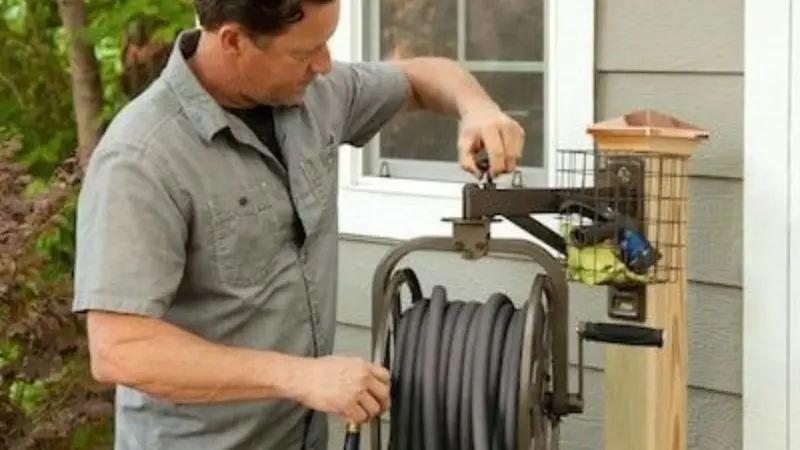
Different Components of a Hose Reel
Every time you use a hose reel, you can observe how its components work together. Every component serves a purpose in keeping your hose secure and operational. Pulling the hose from the reel is how you water your garden. The hose is guided and prevented from slipping off by the side plates and drum plates. This keeps the hose in good condition and avoids tangling.
After use, you can roll the hose back onto the reel thanks to the handle and winding system. The winding system smoothly moves the hose when you turn the handle. This method makes storage simple and helps you avoid tangling. As you wind or unwind the hose, the metal frame and reel supports keep everything stable. Parts bending or the reel toppling over are not concerns. By keeping the hose attached to the water supply, the hose adaptor stops leaks and water loss.
| Step | What Happens | Why It Matters |
|---|---|---|
| Pull hose | Hose unwinds, guided by plates | Prevents tangling |
| Water plants | Hose stays connected, no leaks | Avoids damage |
| Wind hose | Handle and system roll up the hose | Easy storage |
| Move reel | Wheels help you change location | Prevents damage |
Conclusion
Knowing every component of your hose reel makes everyday chores safer and easier. You can confidently perform maintenance and identify issues early. You can use, repair, or assemble your hose reel using this guide. Additionally, maintaining a hose reel maximizes its benefits. Use this information to ensure a pleasant watering experience every time.
FAQ
If the handle on your hose reel feels stiff, what should you do?
Try lubricating the handle’s moving parts with a tiny bit of oil. Look for any debris or dirt that could obstruct movement. Check for bent or broken parts if the handle is still stiff.
Can your hose reel be kept outside all year round?
Make sure your hose reel is weatherproof, even though many can be left outside. To prolong the life of your reel, store it in a garage or shed during winter or when there is a lot of precipitation.
What’s causing the leak at the adapter?
A loose or worn-out washer frequently causes leaks. If necessary, replace the washer and tighten the connection. Verify that the adaptor is the right size for your hose.
How frequently should your hose reel be cleaned?
- Every few months, clean your hose reel.
- Clean the wheels and drum of grass and dirt.
- To stop rust, clean the frame.