Paint a ceiling with a spray gun is a fast and effective way to get smooth results. A paint sprayer covers large areas quickly, saves time, and gives an even finish. But to get professional results, you need to avoid common mistakes. Many people rush and forget important steps, which can ruin the look. The biggest errors include poor preparation, using the wrong paint, holding the sprayer incorrectly, skipping tests, painting in bad conditions, and forgetting to clean up. If you prepare well and avoid these mistakes, painting your ceiling with a spray gun becomes easy, safe, and professional-looking.
Not Prepping the Ceiling Properly
Before learning how to use a spray gun for ceiling paint step by step, it’s important to prepare the surface. Many people skip this stage because they want to finish quickly. But skipping prep often leads to problems later. With the right steps, you can save time, avoid mistakes, and get a smooth, clean finish. Let’s go through two common mistakes you should avoid.
Skipping Surface Cleaning
A clean ceiling is the first step to a good paint job. Dust, dirt, and cobwebs often stick to ceilings and can stop paint from holding properly. If you skip cleaning, the paint may peel, crack, or look uneven later. Before spraying, always sweep the ceiling with a broom or vacuum. If you notice stains or grease, wipe them with a damp cloth and mild soap. This small effort makes a big difference. When you spray the ceiling without overspray, a clean surface helps the paint spread evenly and gives you the smooth, professional finish you want.
Forgetting to Mask and Cover Surfaces
Spraying paint can be messy, so protecting your space is just as important as painting itself. If you skip covering, you may end up with unwanted splatters on walls, floors, and furniture. Use plastic sheets or drop cloths to cover the area and painter’s tape to mask off walls, lights, and vents. This step not only keeps your space safe but also gives you neat, sharp lines. Think of it as saving yourself hours of cleanup later. When deciding it is better to spray or roll ceiling paint, remember that spraying gives speed and smooth results, but only if you prep properly.
Common Spraying Mistakes

When it comes to painting ceilings, many people wonder whether it is better to spray or roll ceiling paint. Spraying can give a smoother and faster finish, but only if you avoid the common mistakes that ruin results. Small errors can lead to drips, rough textures, and wasted paint. With a little care, you can prevent these problems and get a professional look. Let’s go over the main mistakes you should watch out for.
Skipping a Sprayer Test
One of the easiest mistakes to avoid is skipping a test spray. If you don’t test your sprayer before working on the ceiling, you might not know how much paint comes out. This can cause too much paint in one spot or not enough in another. To prevent this, always test your sprayer on cardboard or scrap wood. Adjust the spray pattern and flow until it looks even. Doing this helps you paint smoothly and reduces mess. When you paint the ceiling with a spray gun, a quick test run makes the real job easier and keeps you from struggling later.
Using the Wrong Pressure Settings
Spray guns let you adjust the pressure, but many people forget to change it. If the pressure is too high, the paint will spread everywhere, causing messy overspray. If it’s too low, the paint won’t stick to the ceiling, and the finish will look weak. Always read your sprayer’s manual and set the right pressure for your paint and surface. This small step keeps the spray even and under control. If you want to spray the ceiling without overspray, finding the right pressure is the key. It makes the whole process cleaner and gives better results.
Painting in Bad Weather Conditions
Even if you know what kind of sprayer to use for ceiling paint, spraying in the wrong weather can ruin your project. High humidity or very hot conditions affect how the paint dries. Paint that dries too fast can crack, while slow-drying paint may peel later. To avoid this, pick a day that’s not too humid or hot. Indoor spraying should also have good airflow, so open windows or use fans. Good conditions help the paint stick properly and give your ceiling a neat, smooth finish. Careful timing can make all the difference.
Paint Sprayer Mistakes
Knowing how to use a spray gun for ceiling paint step by step also means understanding what not to do. Many beginners and even experienced painters make small sprayer mistakes that cause big problems later. If you learn to avoid these issues, your ceiling will look smooth, clean, and professional. Let’s look at the most common sprayer mistakes and how to fix them.
Using the Wrong Paint or Nozzle
Not every paint or nozzle works the same way. If you choose the wrong type, you may face clogs, uneven coverage, or too much overspray. Using the wrong paint can even make the ceiling peel or look patchy later. To avoid this:
- Always check your sprayer’s manual before painting.
- Select paint made for spraying and suitable for ceilings.
- Match the nozzle size to your paint type.
- Test the paint and nozzle on scrap material before starting.
These small steps save you from wasting time and money. Whether you wonder it is better to spray or roll ceiling paint, the results depend on using the right tools. Correct paint and nozzle choices give you a smooth finish with less effort.
Not Testing the Spray Pattern
Another common mistake is skipping the spray pattern test. When you paint the ceiling with a spray gun, your goal is smooth and even coverage. Without testing, you might end up with drips, streaks, or overspray. To avoid this:
- Spray a small amount on cardboard or paper first.
- Look for a steady fan-shaped pattern.
- Adjust the nozzle or pressure if you see heavy spots or gaps.
- Watch for overspray and fix settings right away.
This quick check takes only a minute but makes spraying much easier. It helps you spray the ceiling without overspray and keeps your finish neat. Avoiding this mistake means fewer problems, faster work, and results you can feel proud of.
Technique Errors

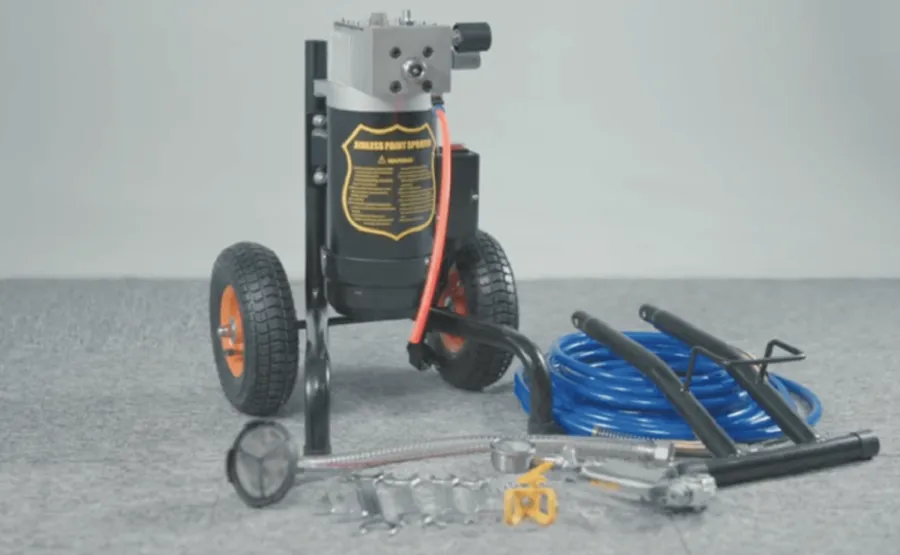
Even if you know what kind of sprayer to use for ceiling paint, the way you handle it matters just as much. Poor technique can leave marks, streaks, and messy spots on your ceiling. By holding the sprayer correctly, keeping a steady pace, and overlapping your passes, you can avoid these problems. Let’s look at the most common technique errors and how to fix them.
Holding the Sprayer Incorrectly
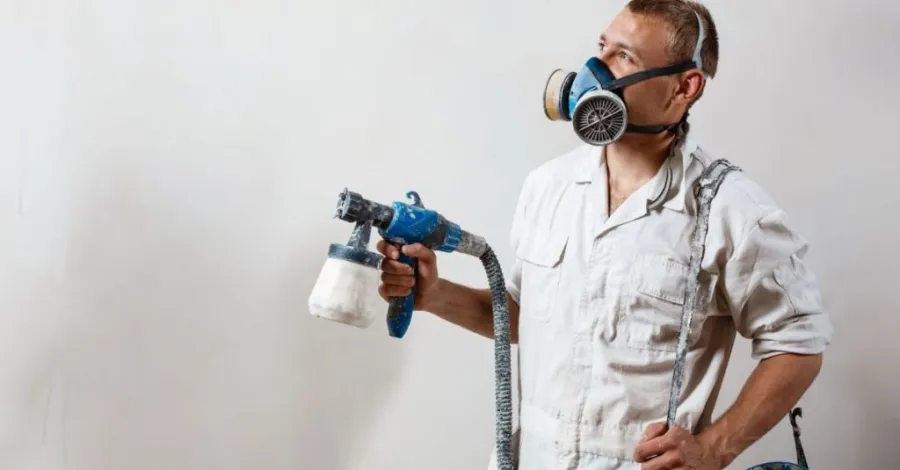
When you paint the ceiling with a spray gun, holding the sprayer the right way is key. If your grip is weak or tilted, you may see drips and uneven lines. Keep your wrist steady and your arm moving smoothly. Hold the sprayer about 12 inches from the ceiling and avoid waving it around. This keeps the spray even and prevents overspray.
- Keep wrist steady and grip firm.
- Maintain about one foot of distance.
- Avoid tilting or swinging the sprayer.
- Practice your grip on scrap before painting.
With a steady hold, you’ll have more control and get a sharp, smooth finish.
Moving Too Fast or Too Slow
Speed makes a big difference when spraying. Moving too fast can cause thin, patchy spots. Moving too slowly can leave thick drips and heavy paint lines. To fix this, move your arm at a steady, even speed across the ceiling. Each pass should feel comfortable and controlled.
Checklist for spraying speed:
- Keep your speed steady across each pass.
- Watch for drips or missed spots.
- Adjust your pace if needed.
When you keep the right pace, it’s easier to spray the ceiling without overspray and get smooth, even coverage every time.
Overlapping Passes Poorly
Good overlapping is the secret to a professional finish. If you don’t overlap enough, you’ll see lines or streaks. If you overlap too much, you may waste paint or create thick spots. Aim for a 50% overlap on each pass. This blends the paint and gives the ceiling an even coat.
- Overlap each pass by about half.
- Watch for visible lines or heavy patches.
- Keep passes steady and even.
When learning how to use a spray gun for ceiling paint step by step, smart overlapping is an important part. It keeps the ceiling smooth and saves paint.
Neglecting Cleanup
After finishing your ceiling project, it’s tempting to relax and leave the cleanup for later. But skipping cleanup can cause serious problems for your sprayer and your next project. If you want long-lasting equipment and smooth results, make cleanup part of your routine. Let’s look at the two biggest mistakes people make after they paint the ceiling with a spray gun.
Forgetting to Clean the Sprayer
Once you finish spraying, the paint can start drying inside the sprayer within minutes. Dried paint blocks the nozzle and hoses, leading to splatters, uneven spray, or even no paint coming out at all. To prevent this, always flush your sprayer right after use. Run water or the correct cleaner through it, then take apart the nozzle and wipe each piece.
- Flush the sprayer with water or cleaner.
- Remove and wipe down the nozzle.
- Dry parts before storing.
This habit keeps your sprayer ready to go the next time you wonder if it’s better to spray or roll ceiling paint for your project.
Letting Paint Dry in Equipment
Another mistake is leaving leftover paint in the sprayer. Once the paint dries inside, it becomes very hard to clean and can damage your equipment. You may even have to replace parts if clogs become too severe. This not only wastes money but also ruins future spraying results.
To avoid this:
- Always empty leftover paint.
- Run cleaner through the sprayer and hoses.
- Store the sprayer dry in a safe place.
When you follow these steps, you protect your equipment and avoid problems. Proper cleanup makes it easier to spray the ceiling without overspray and keeps every new project stress-free.
Wrap Up
Paint a ceiling with a spray gun can give you smooth and fast results, but only if you avoid common mistakes. From prepping the surface to cleaning the sprayer, every step matters. Many people ask, Is it better to spray or roll ceiling paint? Spraying saves time and offers an even finish when done right. Always learn how to use a spray gun for ceiling paint step by step for the best results. Choose wisely when deciding what kind of sprayer to use for ceiling paint, and practice so you can spray the ceiling without overspray for a professional look.
FAQ
What can you do to prevent dripping paint when spraying a ceiling?
Keep the sprayer running at constant speed, approximately 1 foot off the ceiling. Advance controls by testing on cardboard. Constant velocity and travel range eliminate drips and irregular coverage.
Which paint does best in a spray gun on the ceiling?
Ceilings should be sprayed with latex or acrylic paints. Never spray faster than what your sprayer manual tells you. Heavier paints can require a stress thinning to allow a smooth spray, so test first to ensure good spraying.
Is it possible to spray paint a ceiling and not have it everywhere?
Yes! Either cover furniture and floors with plastic sheets or tape up walls, vents, and lights with painter’s tape. Being careful with the preparation will keep overspray down to a minimum and avoid any overspray onto the ceiling.