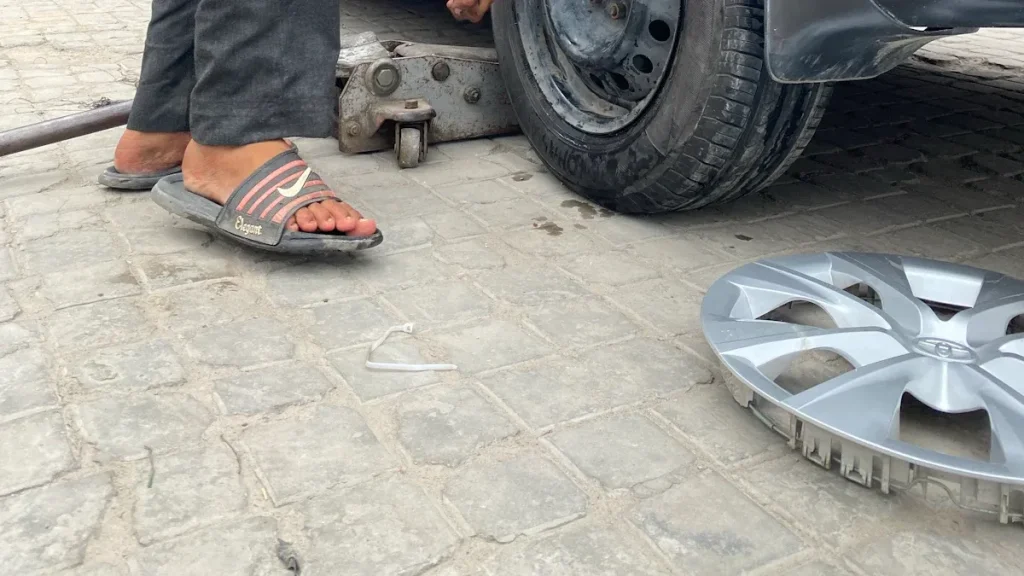
Flat tires are a sad truth forto a number of drivers. Learning how to change a tire can save time and meetings (when getting into an emergency situation) as it will save you time and stress.
You can be a good driver or a new one, but, nonetheless, with the assistance of the appropriate equipment, such as a car jack, you can complete such a task safely and with no doubts.
Before You Start
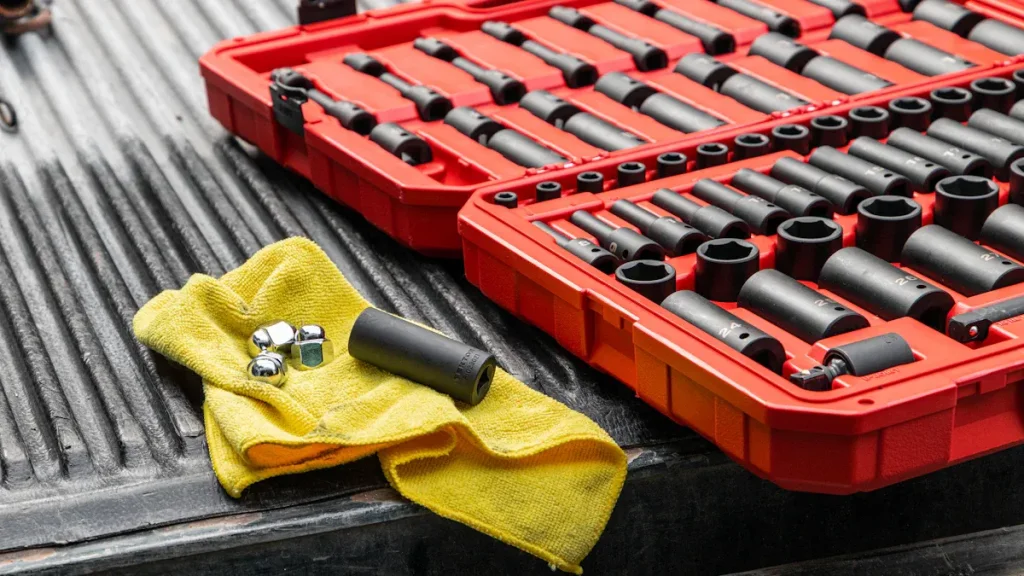
Tools You Need
Before you jump into how to change a tire for beginners, you should make sure you have the right tools ready. Most drivers keep these items in their trunk, but it helps to check before you need them. Here’s what you should look for:
- Spare tire (make sure it’s properly inflated)
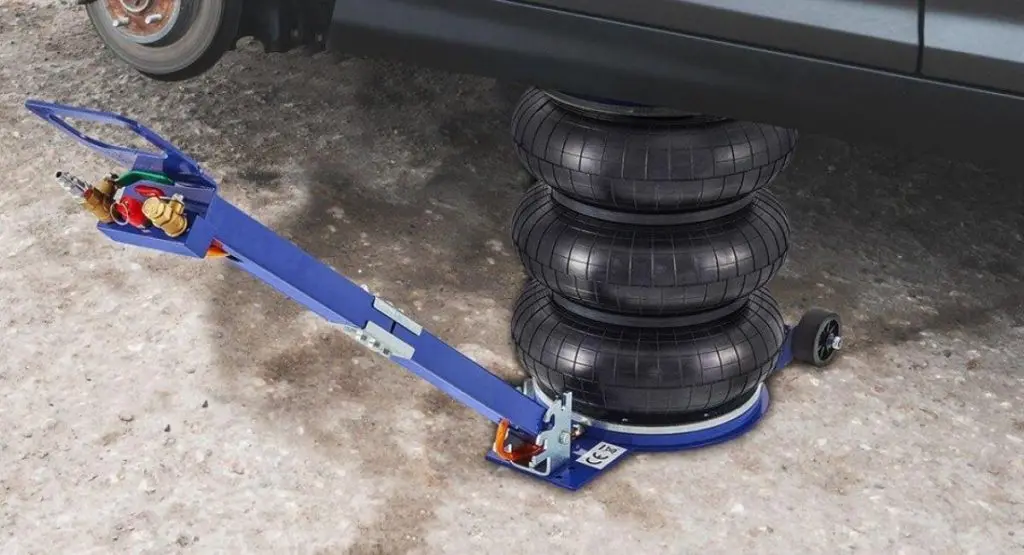
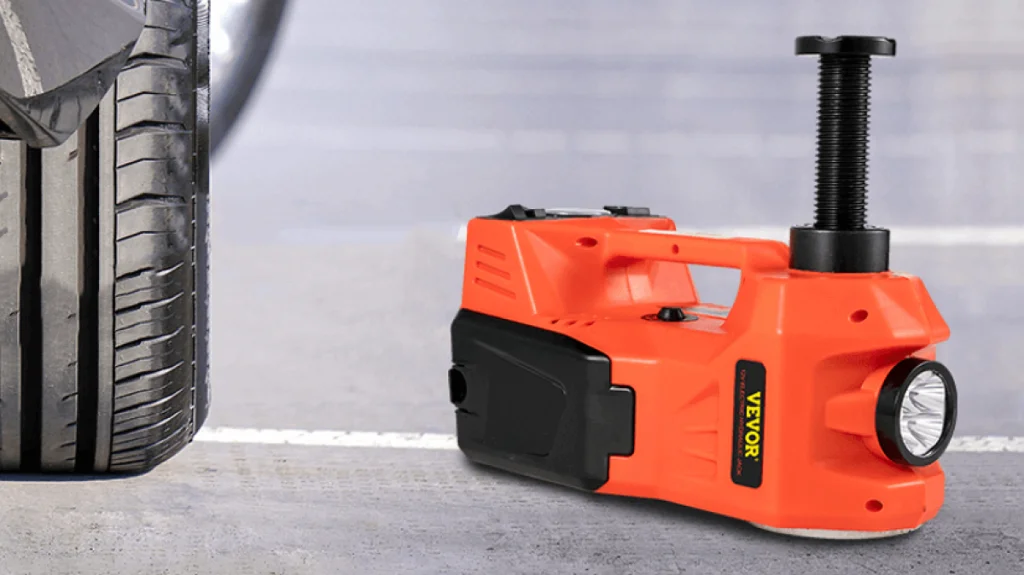
- Jack (a hydraulic jack works well for most cars)
- Lug wrench
- Owner’s manual (this gives you car-specific tips)
- Emergency brake
Some people also keep a tire changer or wheel balancer, but these are not required for a simple tire change on the road, as it is not much portable. But learning how to change a tire on a wheel at home can be handy and efficient.
Tip: You should keep your tools together in a small bag or box. This makes it easy to find everything when you need it.
Safety comes first:
- Before you start, you should park your car on a flat, stable surface.
- You should turn on your hazard lights so other drivers see you.
- You should always engage the emergency brake.
- Your owner’s manual can show you the best place to put the jack under your car.
Here are some extra safety steps you might want to follow:
| Safety Precaution | Description |
| Minimum Required PPE | Eye protection, ear protection, safety toe work shoes |
| Hazards & Controls | Review tire inflation and changer manuals. Avoid loose clothing and jewelry. |
| Inflation Safety | Never stand in the path of tire parts during inflation. |
| Pre-Use Inspection | Check your tools for damage before use. Tag any broken equipment. |
How to change a tire in 7 steps
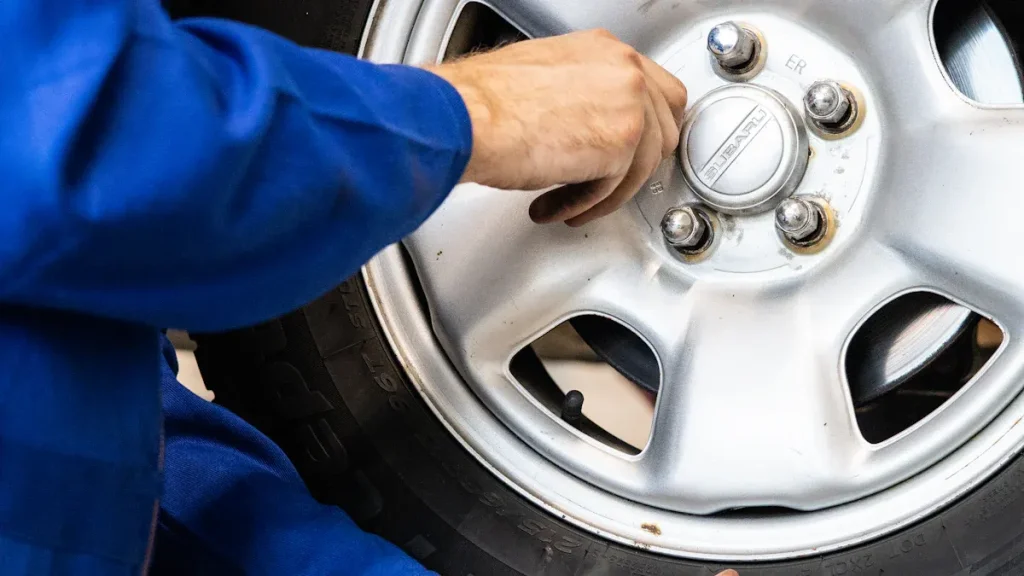
Changing a tire might seem tough, but you can handle it step by step. Here’s how to change a tire safely and confidently.
Find Safe Spot & Hazards
You should always look for a safe place before you start. If you notice a flat tire while driving, you might want to follow these steps:
- Try to drive to a well-lit area, like a parking lot or an empty side street.
- Pull over as far from moving traffic as possible.
- Stay away from curves, blind spots, and intersections.
- If someone stops to help, their car should be at an angle behind yours for extra safety.
- On a highway, you might want to reach an exit before stopping. If that’s not possible, look for a wide shoulder.
Safety matters most. You should check for hazards before you get out. Here are some common dangers you might face:
| Hazard Type | Description |
| High-speed traffic | Cars may pass by quickly, making it risky to stand near the road. |
| Distractions | Drivers who aren’t paying attention might not see you. |
| Fatigue | Tired drivers may react slowly and not avoid you. |
| Lack of space | A narrow shoulder puts you close to moving cars. |
| Poor weather | Rain or snow can make the road slippery and dangerous. |
You should turn on your hazard lights and stay alert to your surroundings. If you feel unsafe, you might want to call for roadside assistance.
Gather Tools
Once you find a safe spot, you should gather everything you need. Most cars have a spare tire, jack, and lug wrench in the trunk. You might also want to have:
- Your vehicle owner’s manual
- A fully inflated spare tire
- Lug wrench
- Car jack
- A small piece of wood (like a 2×6) to help steady the jack
- Flashlight with batteries
- Wheel wedges
- Gloves
- Rain poncho
You should check your tools before you start. If you are on a busy road, you might want to keep at least six feet between you and the nearest lane. Your owner’s manual can show you where to find the jack points and how to change a tire for your specific car.
Loosen Lug Nuts
You should loosen the lug nuts before lifting the car. Use the lug wrench and turn each nut counterclockwise. You might need to use your foot or body weight if they feel tight. Don’t remove them all the way yet—just break the resistance so they turn easily. This step helps you avoid spinning the wheel when the car is off the ground.
Tip: You should keep the lug nuts in a safe place so you don’t lose them.
Jack Up Car
You should place the jack under the correct spot on your car. Most cars have reinforced metal areas near the wheels. Your owner’s manual can help you find these points. Make sure the car is on a flat, level surface. Engage the parking brake and use wheel chocks or wedges behind the tires.
- Slide the jack under the jacking point.
- Pump the handle slowly to lift the car until the flat tire is off the ground.
You should never crawl under the car while it’s on a jack. For extra safety, you might want to use jack stands if you have them. Most accidents happen when the jack slips or is placed incorrectly, so double-check the placement.
Remove Flat Tire
Now you can finish unscrewing the lug nuts and take off the flat tire. Set the tire aside. Before you put on the spare, you should check the wheel hub for any damage, like cracks or leaks. Make sure nothing is stuck between the hub and the spare tire.
Mount Spare & Hand-Tighten
Lift the spare tire onto the hub. Line up the holes with the studs. You should hand-tighten the lug nuts onto the studs. Tighten them in a cross or star pattern. This helps the wheel sit evenly.
- Hand-tighten each nut as much as you can.
- Make sure the wheel feels snug before lowering the car.
Lower Car & Tighten
Lower the car slowly using the car jack until the spare tire touches the ground. Remove the jack. Now you should tighten the lug nuts fully. Use the same star pattern as before. Turn each nut clockwise. You might want to use a torque wrench if you have one, but if not, tighten each nut as much as you can by hand, then give it another quarter turn with the wrench.
Note: You should never over-tighten the nuts. Stop if you feel strong resistance.
After you finish, you should check the spare tire’s air pressure. Use a tire gauge and compare the reading to the number in your owner’s manual or on the driver’s door. If the pressure is low, you might want to drive slowly to the nearest gas station.
You should remember that most spare tires are for short-term use only. Compact spares, or “donuts,” are usually safe for 50-70 miles at speeds up to 50 mph. Full-size spares can last longer, but you should still get your regular tire repaired or replaced soon.
Tip: Driving on a spare for too long can cause uneven wear and may damage your car’s parts. You should fix your flat tire as soon as possible.
Tips for taking care of your tires
- If you ever feel unsure, you should check your owner’s manual for more details on how to change a tire for your car. Each vehicle can have different instructions, so it’s always good to double-check.
- Before you drive away, you should check your spare tire’s air pressure. Monthly checks help prevent under-inflation and keep you safe.
- You should get your flat tire repaired soon. Reviewing these how to change a tire steps each year builds confidence. Driver education programs show that knowing these skills helps you stay calm.
- For more tips, you might want to look at the Emergency Roadside Service Guide or Roadside Safety Checklist. With the right tools from VEVOR, you can handle any flat tire safely.
FAQ
What happens when you do not have a spare tire?
First, you should check your dimensions. As an alternative, you may call roadside assistance or a friend in case you do not find a spare.
Should you check your spare tire often?
The air pressure of your spare tire should be checked every few months. This enables you to be prepared for emergencies.
Does that Give Us a Long Way on a Spare Tire?
Only short trips should be covered using a spare tire. The spares are most suitable within a 70-mile range as well as 50 mph.
Conclusion
The skill of learning how to change car tires helps avoid becoming frustrated because of mechanics who make changing car tires painful to the point of it becoming an emergency.
You can solve any problem that concerns tires with the help of adequate equipment, such as the one that Vevor provides. Get at Visit Vevor premium yet inexpensive automobile accessories that will keep you ready!