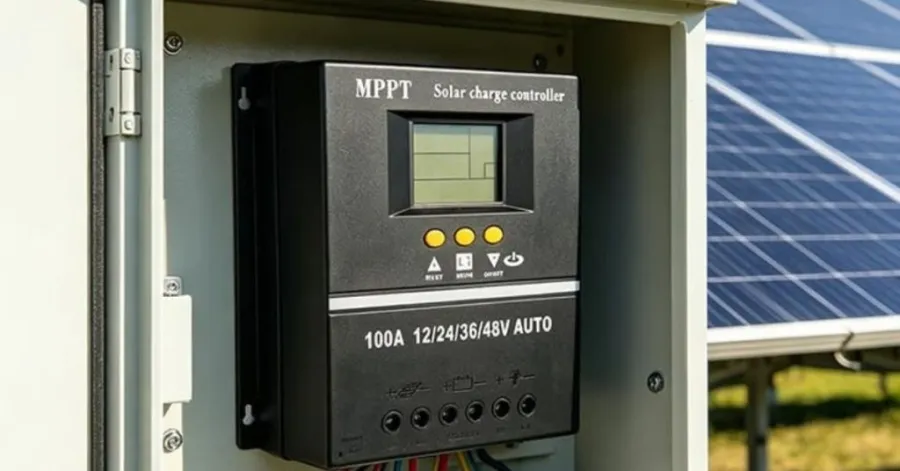
The Maximum Power Point Tracking (MPPT) solar charge controller will help you maximize your solar panels’ output. An MPPT solar charge controller can make your system intelligent and efficient. As for the MPPT solar charge controller, it adjusts the current and voltage according to this information. Consequently, you will have more energy output from your PV system.
What Is an MPPT Solar Charge Controller?
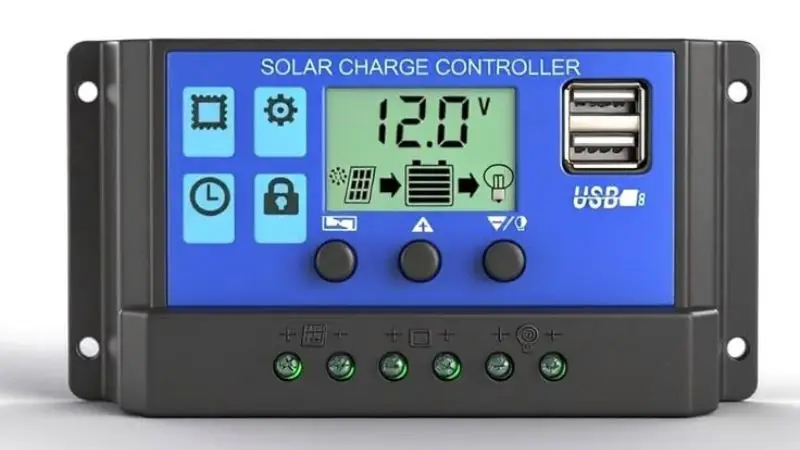
Definition of MPPT
Have you ever thought about what MPPT means? MPPT is an acronym of maximum power point tracking. With this technology, you can maximize your solar panel output. Sunlight makes your solar cells generate electrical energy. However, the power output of solar panels changes throughout the day. Thus, MPPT determines the point on your solar panels that delivers the maximum energy output. This point is known as the maximum power point.
Why Solar Charge Controllers Are Needed
You need a charge controller to protect your batteries. Without a controller, your batteries can get too much or too little charge. Overcharging can damage your batteries. Not enough charge can weaken them. An MPPT solar charge controller keeps your batteries healthy by regulating how much power enters them.
How Does an MPPT Solar Charge Controller Work?
Understanding the Maximum Power Point
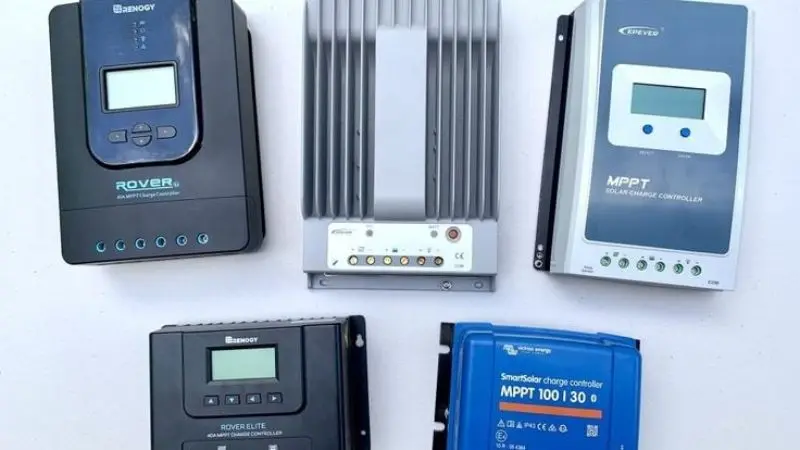
You want your solar panels to give you as much power as possible. The maximum power point is the spot where your panels work at their best. This point changes during the day. Sunlight, temperature, and shade can all affect it. If you use a PV system, you need to find this spot to get the most energy. The voltage and current from your panels must match the battery’s needs. If you miss the maximum power point, you lose energy. Maximum power point tracking helps you find this spot every time. You should always choose an MPPT solar charge controller for a 12V battery system.
The MPPT Tracking Process Explained
An MPPT solar charge controller uses a tracker to watch the voltage and current from your PV panels. The controller checks these values many times each second. It looks for the peak power voltage and the right charge current. When it finds the maximum power point, it adjusts the voltage and current. This way, your battery gets the most charge possible. Digital MPPT controllers use smart power trackers to do this job fast and accurately. You do not have to worry about changing weather or sunlight. The MPPT charge controller does the work for you.
Example of MPPT in Action
Imagine you have a solar panel that gives 18 volts and 5 amps. Your battery needs 12 volts to charge. A regular charge controller would lower the voltage to 12 volts, but you would lose some power. An MPPT controller finds the maximum power point and changes the voltage and current. It keeps the power high and charges your battery faster. You get more energy, and your battery stays healthy. This is why many people choose MPPT for their solar systems.
Key Benefits of Using an MPPT Solar Charge Controller
Higher Energy Efficiency
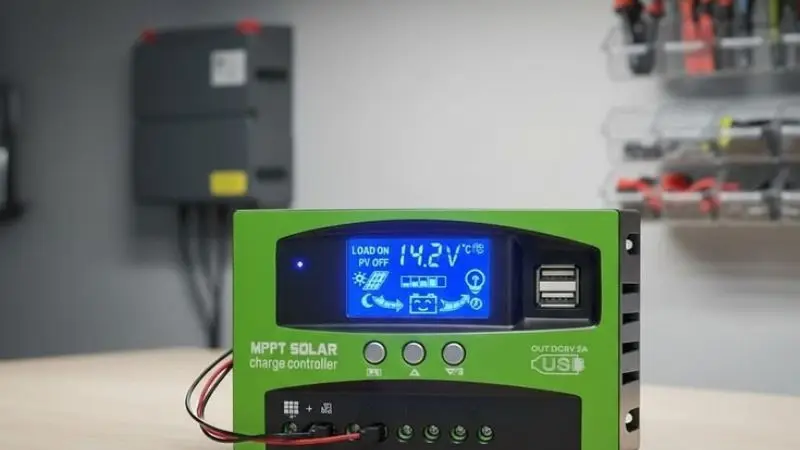
You want your solar system to work well. An MPPT solar charge controller helps your system use energy better. It uses maximum power point tracking to find the best voltage and current. This means your solar panels give you more power. The tracker changes the voltage to fit your battery. You do not waste energy this way. You will notice your PV system makes more energy. When your system is efficient, you get more for your money.
Battery Fast Charging
For faster and safe charging of your batteries, an MPPT controller is necessary. This device can take the relatively high voltage produced by your solar panels and convert it into usable voltage for your batteries. Consequently, a higher current will be delivered to your battery. Due to the tracker, both current and voltage are maintained at a certain level to protect your battery bank.
Better Efficiency in Low Temperatures
In cold conditions, the performance of your solar panel system may change. The voltage from your panels increases in such conditions. An MPPT controller can use a higher voltage to deliver more power to your batteries. Tracker detects a new maximum power point and adjusts the current. In other words, you do not have any decrease in efficiency in low temperatures.
Support for Larger Solar Systems
You may want to expand your solar setup. An MPPT solar charge controller is suitable for larger systems. It can handle more panels and bigger batteries. The controller can take higher voltage and current. You can add more solar panels to one controller. This helps you grow your battery bank and store more energy. The tracker keeps everything working well. You get the most power from your solar system.
MPPT vs PWM Solar Charge Controllers
What Is a PWM Charge Controller?
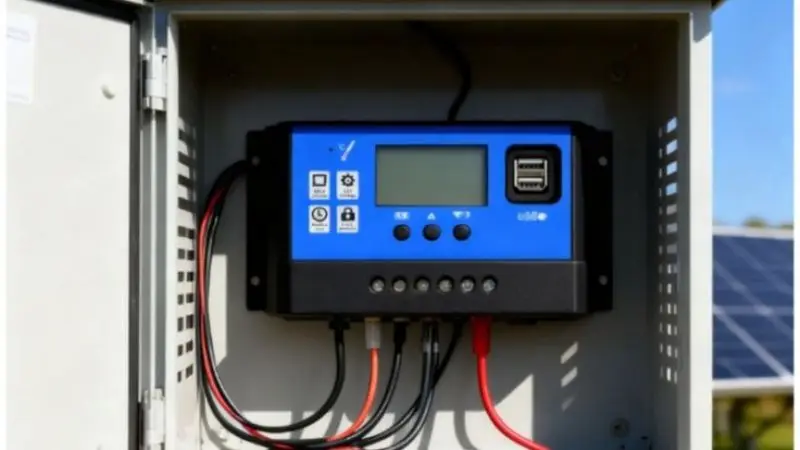
You may see the term PWM when you look at solar systems. PWM stands for Pulse Width Modulation. This type of charge controller connects your solar panels directly to your battery. It uses a switch to quickly turn the power flow on and off. The controller prevents the battery from overcharging. You get a steady voltage, but you do not always get the most power from your solar panels. PWM controllers work best with an MPPT solar charge controller for a home system, and when the voltage of your solar panels matches your battery.
Differences Between MPPT and PWM Controllers
You will notice some key differences between MPPT and PWM controllers. MPPT controllers use smart technology to find the best voltage and current for your battery. They adjust the voltage from your solar panels to match what your battery needs. This helps you get more power, even when sunlight changes. PWM controllers do not track the maximum power point. They just pass the voltage from your solar panels to the battery, minus a small drop. You may lose some power with PWM, especially if your solar panels have a higher voltage than your battery.
Which One Should You Choose?
MPPT vs PWM charge controller, which is better? You should choose the right charge controller for your needs. If you have a small solar setup and your solar panels match your battery voltage, a PWM controller can work well. If you want more power, faster battery charging, or plan to expand your PV system, you should pick an MPPT controller. MPPT controllers help you get the most from your solar panels. They give you better performance and more battery life.
Conclusion
You understand how an MPPT solar charge controller helps you maximize the energy generated by your solar panels. The device helps determine the optimal power point and delivers the proper charge to your battery. Your batteries will charge faster, perform better, and stay safe. If you want to enhance your solar system, you may use MPPT technology. Check your system and see whether you can make your batteries work even better with MPPT.
FAQ
When is it necessary to use an MPPT solar charge controller?
It is necessary to use an MPPT controller if your solar panels have a higher voltage than your battery. You also need such a controller if you want more energy, faster charging, or to expand your system.
Are there any specific batteries that an MPPT controller cannot work with?
You can use an MPPT controller with most battery types, such as lead-acid, lithium-ion, and gel batteries. Check the controller manual to learn about the types of batteries.
Will an MPPT controller work under cloudy conditions?
Yes, since MPPT controllers adjust to varying amounts of sunlight, you can receive more energy from your solar panels.
Is it hard to install an MPPT solar charge controller?
You can install an MPPT controller easily if you follow the instructions. Most controllers come with clear wiring diagrams. Ask a professional if you feel unsure.