When you select the appropriate lawn-sweeping equipment for your area, it will be easy to maintain a clean lawn. The needs of the various yards differ by size, terrain, and the type of debris picked up. The right sweeper can save time and effort, whether it is leaves and grass clippings, pine needles, or twigs. This manual describes the way various types of lawn sweepers operate and how to know which one best suits your requirements. It also discusses key attributes, contrasts, and other pitfalls to avoid when making an informed choice about the long-term maintenance and care of a lawn.
Assess Your Property Before Choosing Lawn Sweeping Equipment
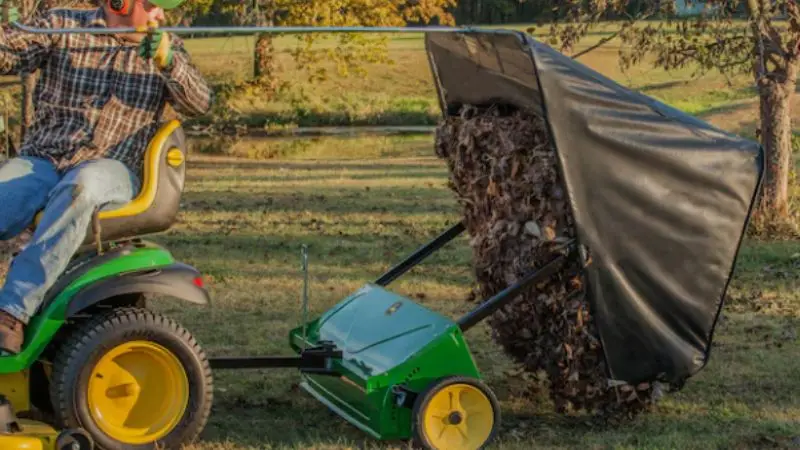
Before choosing the appropriate equipment, you should be keen to understand your lawn’s conditions. Each house is unique in size, surface, and maintenance requirements. Once you consider these issues, you can easily select the appropriate lawn sweeping equipment to effectively clean the lawn. This will also make you not purchase a machine that is smaller than or unnecessarily more powerful than your yard. Clarity will save time, effort, and cost over the long run.
Choose the Right Lawn Sweeper Based on Lawn Size
One of the most significant factors to consider when choosing a sweeper is lawn size. Small lawns tend to require lightweight, easy-to-carry machines, whereas mid-sized properties require more balanced machines for efficiency and coverage. In large yards and commercial areas, more powerful models are needed to cover broad areas without the need to empty them very often. The size of your property is also important to consider when making comparisons, such as a manual vs. tow-behind lawn sweeper, particularly when you have to choose between convenience and long-term productivity.
Check Your Lawn Surface and Terrain Conditions
The quality of your lawn surface directly influences a performer sweeper. Flat lawns are easier to maintain because they are easier to mow and collect debris uniformly. Slopey terrain demands more stable tools that are able to move without falling over. The uneven ground can be more difficult, as it may reduce cleaning efficiency if the sweeper cannot maintain contact with the surface. The correct machine to use on your ground guarantees improved output and lessening of repetitive movements, simplifies the cleaning process, and makes it more successful.
Identify the Type of Debris You Need to Collect
Debris of different types is produced by different lawns, and this should inform your decision. Leaves are typical in seasonal cleaning, and they need a sweeper that has a high collection capacity. During mowing, grass clippings are common and can be controlled with a lawn sweeper, which collects clippings and leaves. The pine needles require a good brush action as they have a fine texture, and twigs and small branches require a strong construction. Being aware of the types of debris you have will help you select the most appropriate equipment for regular lawn maintenance.
Types of Lawn Sweeping Equipment
It is significant to select the appropriate equipment to attain effective lawn mowing. There are various sweepers that are tailored to suit various sizes of property, the amount of debris, and effort by the users. Information on how each type functions will help you choose the one that best suits your needs. This is also crucial when weighing alternatives to lawn-sweeping tools, particularly when you wish to strike a trade-off among labor, speed, and cleaning performance. The three predominant types of lawn sweepers and their applications in daily lawn care are shown below.
Push Lawn Sweepers
Push lawn sweepers are manual machines that need the operator to push them over the lawn. They are portable, simple to use, and suitable for smaller areas outside. Such sweepers have rotating brushes, which sweep up debris like leaves and grass clippings into a rear hopper. They are particularly handy among people who live in houses and are willing to use a cleaning system that is easy and does not use engines or towing machines.
Push sweepers are designed to work on flat, small- to medium-sized lawns with moderate debris buildup. They are mostly used in domestic gardens, where cleanup has to be done frequently but lightly. Push models may be the most economical choice when considering a low-cost lawn sweeping machine to cover small lawns. They, however, need more physical work, and they might not work as effectively with heavy debris or large areas, which can be a weakness to some users.
Tow-Behind Lawn Sweepers
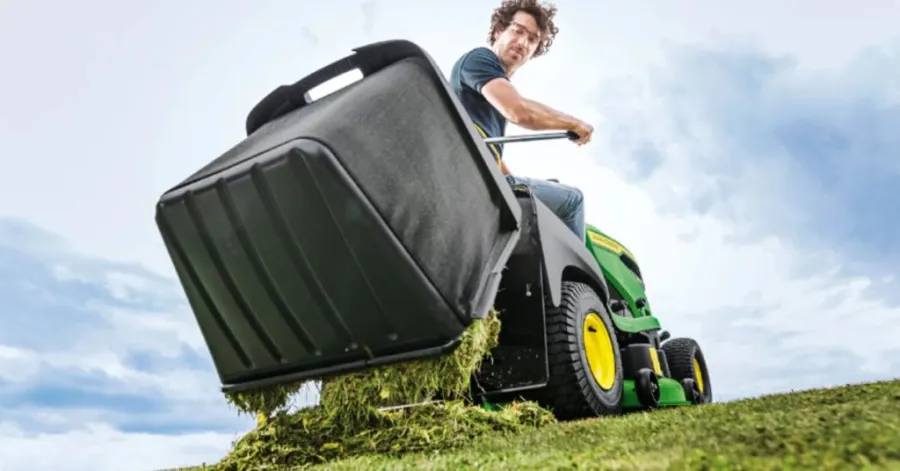
Tow-behind lawn sweepers are made to fit on tractors, riding mowers, or ATVs. Their speed of covering large areas, especially in bigger properties, is ideal. These machines have sweeping large collection hoppers and wide sweeping paths, thus less emptying is needed. They are usually used on agricultural lawns, residential, and commercial landscapes where efficiency is paramount.
These sweepers are best used on medium to large-sized properties as they are time and energy-saving during cleaning. They are good at leaves, grass clippings, and seasonal waste. Many users choose them as the best lawn sweeper for large yards due to their large capacity and speed. Nevertheless, they need a towing car, which adds to the total cost and installation requirements compared to manual ones.
Powered Lawn Sweepers
Powered lawn sweepers have a motor to automatically turn the brushes and sweep debris. They are the most convenient, and the user exerts the least physical effort. These machines have a regular performance and can work on diverse terrains, which makes them appropriate for more challenging tasks of lawn maintenance.
Electric-powered models are most effective in large areas, commercial spaces, and those with high volumes of debris. They come in particularly handy for heavy leaf fall or mixed yard waste. Their use is common among users who prefer them for dependable performance, with frequent cleaning by pushing or towing without hand contact. They are typically more costly, and they need maintenance, although they are very efficient, so they are less popular with very small residential gardens.
Key Features to Look For in a Lawn Sweeper
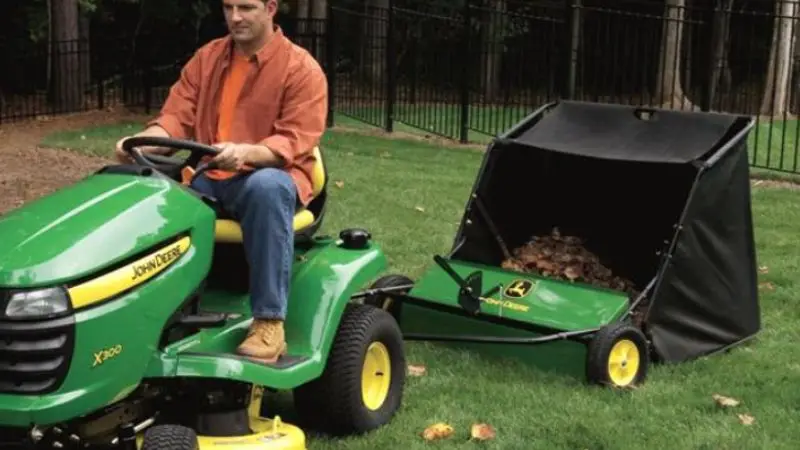
The first point to consider is identifying the set of features that will impact real-world performance before choosing a model. An effective decision on lawn sweeping devices is not only based on design but also on its ability to cope with the various conditions of the yard, types of debris, and the size of the lawn. The right features may help the cleaning process to be faster, easier, and more uniform all year round. This is particularly critical when comparing models to be used at home, because inappropriate decisions may cause additional strain and adverse outcomes in the process of maintaining a lawn.
Sweeping Width and Why It Matters for Lawn Cleaning Efficiency
Sweeping width is the area that is covered by the machine during a pass. The greater width is more useful for cleaning large areas quickly, and this is particularly applicable to open lawns and large properties. Smaller widths are more manageable and can be used in tight spaces or for detailed cleaning. The correct size will be chosen depending on your yard design and the cleaning frequency. This aspect matters when choosing the most suitable lawn sweeper for a large yard, where a wide machine saves a lot of time and improves overall cleaning efficiency during the season.
Hopper Capacity and Its Role in Handling Grass and Leaves
The size of the sweeper is defined by the hopper capacity; this is the volume of garbage that the sweeper can hold before it has to be emptied. Big lawns should be equipped with a larger hopper since it will not interfere with the working process. Smaller hoppers are less bulky and easier to handle, but must be emptied more frequently. The ability should be adequate for your lawn size to enhance efficiency and comfort in use. It is also particularly beneficial when sweeping grass clippings and leaves with a lawn sweeper since these substances may accumulate rapidly when mowing and shedding in the season, and will need more space in the collection bag.
Brush Height Adjustment for Different Lawn Conditions
The brush height control lets you adjust how deeply the brushes go into the grass. This helps enhance cleaning performance without damaging the lawn surface. When using short grass or fine debris, lower settings are more appropriate, and when on rough ground or denser grass, higher settings are more suitable. It is a flexible feature that homeowners need as they cope with varying lawn conditions all year round. It is necessary to properly adjust to achieve a consistent performance level and enable the sweeper to pick up leaves, clippings, and other yard waste more efficiently across diverse terrain.
Durability and Build Quality for Long-Term Performance
Durability is significant in determining the duration your equipment will last and the quality with which it will serve at the end of the day. Powerful frames are of steel or other hardened materials, which give them strength and wear resistance. The design of wheels influences movement and control as well, particularly in uneven or rough terrain. The material used to build the sweepers is of high quality, and so, it is able to save from frequent breakdown when used on a routine basis. This is of particular significance to customers who make a habit of using lawn sweeping machinery to maintain their lawns, and those who seek a durable solution to regular lawn care.
Ease of Storage and Maintenance for Everyday Use
Convenience of storage and maintenance is also a consideration for people who have little space or time. The designs are foldable; therefore, it is easy to store the equipment in the garages or sheds without consuming a lot of space. Basic cleaning systems help ensure performance and prolong the machine’s life. Replacement parts are readily available as well, which results in long-term usability. This will reduce maintenance time and enhance convenience, particularly for those who often use a low-cost lawn-sweeping machine to maintain small lawns and need a convenient, low-effort approach.
Choose the Right Lawn Sweeping Equipment for Your Property Type
The size and usage of a property are crucial in determining the appropriate type of lawn sweeping equipment. There are various types of lawns with different cleaning requirements, and using the wrong type of sweeper can slow down and diminish cleaning effectiveness. When you use the right equipment with your type of lawn, you end up with more results, less work, and a cleaner lawn. It even lets you choose among manual, tow-behind, or powered options based on actual requirements rather than guesses.
It is also important to know the type of property you have in case you expect value in the long run. A small garden will not require the same machine as a large estate, and commercial spaces will demand even greater performance. The decision also depends on how you clean and the type of debris that you handle during the year, and on the right decision.
Best Lawn Sweepers for Small Residential Lawns
Simple, lightweight, and easy-to-use equipment is required in small residential lawns. A small manual sweeper will be sufficient in the majority of situations to pick up leaves and light grass. These are cheap and can be kept anywhere and are ideal for the homeowner who performs frequent and light cleaning. A small lawn sweeping machine is often the most affordable and suitable since it does not have any complexity that is not required.
In small areas, power is not as important as maneuverability. A sweeping width less than half an inch is better since you can easily access corners and tight spaces. Routine cleaning often takes a short time, but it is important to keep the lawn tidy due to small amounts of debris. This ensures that maintenance is easy and can be used on a daily basis.
@melaniejustmel8 The Vevor Push lawn sweeper makes yard cleaning so much easier #vevor #vevortools #lawn #lawnsweeper #tiktokshopspringsale #ttslevelup #ttsdelightnow #tiktokshoprestock #tiktokshopspringglowup
♬ original sound – Mel & AL Gifts
Best Lawn Sweepers for Medium-Sized Yards
The medium-sized yards demand a middle ground between efficiency and ease of use. Tow-behind or larger manual types are often appropriate, as they cover a larger area but are not as hard to operate. The amount of leaves and grass clippings on these properties is normally moderate, thus a machine with a large hopper size is significant.
Features such as speed, comfort, and cleaning efficiency are among the factors users tend to compare at this level. A manual vs. tow-behind lawn sweeper comparison would come in handy here, since the two can be effective depending on your preferred level of effort. Tow-behind models are quicker, whereas manual sweepers give more control. The correct decision will depend on the frequency of cleaning and the time you would like to devote to caring for the lawn.
Best Lawn Sweepers for Large Properties and Estates
Big farms require large and high-capacity machines that are able to work with heavy workloads. The most popular one is the tow-behind sweeper due to the ability to cover a large area quickly and require less manual work. These are models that are efficient and thus suitable for estates, farms, and big private lawns.
Hopper capacity and sweeping width are highly important when dealing with large spaces. An ideal lawn sweeper for a large yard ought to be able to pick up a substantial volume of debris without frequent emptying. This conserves time and enhances productivity, particularly when there is seasonal leaf fall. The quality of construction must also be high, as these machines are more frequently used and over a broader terrain.
Best Lawn Sweepers for Commercial Landscaping Use
Commercial landscaping needs low-maintenance and high-performance equipment with the ability to sustain constant use. The tow-behind sweepers are often powered or heavy-duty, as they provide the desired uniform results on a large scale. These machines are designed to be efficient and have a long lifespan, and hence they can be used in parks, sports fields, and business grounds.
Simplicity is less important than reliability in commercial applications. The machinery should be able to process all sorts of debris, including leaves and grass clippings, and not be affected. More robust buildings and bigger collection systems are needed to minimize downtime. This ensures that extensive maintenance operations can be performed promptly and professionally.
Comparison of Lawn Sweeping Equipment and Other Lawn Cleaning Equipment
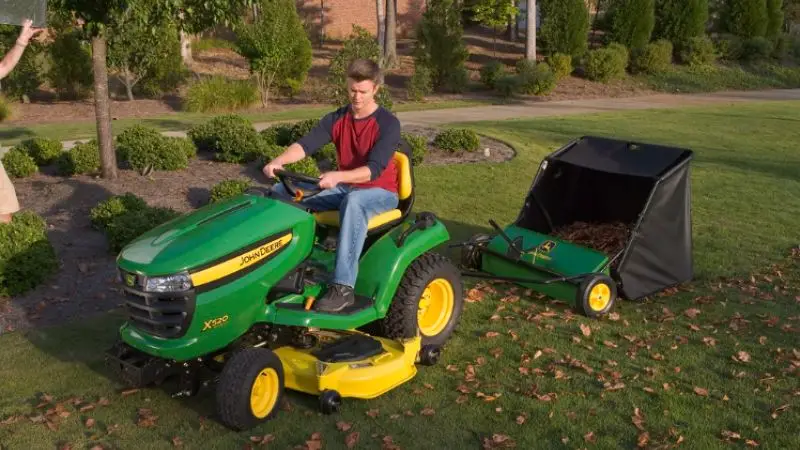
When keeping a healthy, clean lawn, most homeowners take the time to compare various cleaning tools and then reach a conclusion. Each tool is unique, and the differences between them are what will enable you to select the best solution for your yard. Lawn sweeping equipment, in most cases, provides a balanced solution to effort, speed, and collection efficiency. Nevertheless, a comparison with other popular tools such as blowers, vacuums, and rakes will provide a better understanding of which one works best with your requirements.
This analogy is particularly helpful for individuals who have to deal with lawns of varying sizes as well as the types of debris. It does not matter whether you are working with leaves, grass clippings, or a combination of yard waste; the correct tool can save a lot of time in the cleanup and make the lawn look good.
Lawn Sweeper vs Leaf Blower
The mechanism behind a leaf blower is to blow debris into piles with high air pressure, and the lawn sweeper is used to collect the debris physically in a hopper. Leaf blowers are quick to move the leaves around, yet they still need to be cleared manually. A sweeper, however, gathers it all within a single step, and the process is more effective.
Comparing the two alternatives, a lawn sweeper to clear the grass and leaves is usually favored by the homeowners, who prefer a more comprehensive and cleaner solution. Leaf blowers are more effective at clearing the surface quickly, and sweepers reduce the need for repetitive work and offer better collection results during routine lawn maintenance.
Lawn Sweeper vs Lawn Vacuum
A lawn vacuum is operated on the suction principle, collecting the debris, and a lawn sweeper does it with rotating brushes to collect material on the surface. Vacuums are strong and are able to deal with fine debris; however, they may also need more maintenance and use more energy. They may also block in the case of wet or heavy material.
A sweeper is easier and suitable for dry leaves and grass clippings. It is also cheaper and has less maintenance. A lawn sweeping equipment system is popular with many users, as it provides a convenient balance between performance and ease of use, particularly for daily lawn cleaning without complicated operation in ordinary residential homes.
Lawn Sweeper vs Rake
The simplest tool for lawn cleaning is a rake, which has to be cleaned by hand. Although it is cheap and can be used all the time, it is time-consuming and physically exerting, particularly on large lawns. Neither does raking require the collection of debris in a container, which implies that further cleanup is required.
A lawn sweeper is a very useful tool because it saves a lot of labor, as you can move about the lawn and the sweeper will work on its own and collect the debris. It is quicker and more effective, particularly for individuals with medium to large yards. A sweeper offers a better, more convenient alternative to raking, suitable for regular lawn maintenance and end-of-season cleaning.
Wrap Up
The type of lawn sweeper to use relies on the size, landscape, and cleaning requirements of your lawn. You may want an easy-to-use manual model or an engine-powered tow-behind, but no matter your power requirements, choosing the right lawn-sweeping device will help you clean up faster and more efficiently. The purchase should always be made with the hopper capacity, durability, and ease of maintenance in mind. It is important not to make common mistakes, such as concentrating only on price or neglecting the lawn’s conditions. By making the correct decision, keeping your yard is simpler and more productive. A good sweeper can save you time, besides keeping your lawn cleaner, healthier, and more attractive all year round.
FAQ
What is the size of the lawn sweeper that I require?
The number of lawn sweepers you need will be determined by your yard size. Smaller lawns require smaller models, and larger areas should have wider sweepers due to faster coverage and effective cleaning performance.
Are wet leaves able to be picked up by lawn sweeping equipment?
Yes, it is possible to use the lawn sweeping equipment to collect the wet leaves, but it may decrease the performance. Dry material is simpler to collect, whereas wet material might need to be moved slowly and make several passes to give the best results.
Do tow-behind lawn sweepers pay?
Tow-behind lawn sweepers are recommended for medium to large yards. They save time, lessen efforts, and cover large portions of a lawn in a shorter period of time, which makes the process of lawn maintenance more efficient and less strenuous in general.
How frequently should I get lawn sweeping equipment?
Mow once every week or according to the amount of debris at a time with lawn sweeping equipment. In the fall, it might be necessary to use it more often to be able to handle the leaves and keep the lawn clean and healthy.
Will lawn sweepers pick up grass clippings and pine needles?
Yes, grass mowers are capable of gathering grass and pine needles. The grass clipper and leaf-raking lawn sweeper should be most effective when the brushes are set to suit the types of debris present on the lawn and the lawn’s condition at any given time.