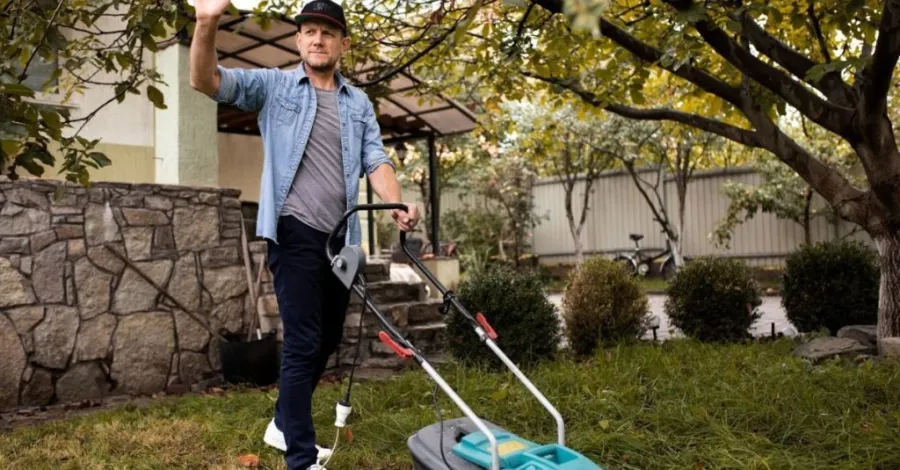
Want a clean yard without hours of raking or leaf blowing? A lawn sweeper for a riding mower makes lawn care faster, easier, and less tiring. Just hook it to your mower, drive across your lawn, and collect leaves, grass clippings, pine needles, and debris in one smooth pass.
No more back-breaking work—this tool grabs more mess in less time, leaving your yard neat with minimal effort. If you have a large lawn or lots of seasonal debris, using a top-rated lawn sweeper for your riding mower can be a total game-changer. Keep your yard clean the smart way.
Lawn Sweeper for Riding Mower: The Basics
Your work does not need to be back-breaking when it comes to maintaining a clean and tidy lawn. Cleaning your yard can be made faster and easier with the right tools. The riding mower lawn sweeper belongs to the production of such equipment that can change your routine and save you time that you could spend on manual labor.
Let us take a closer look at how these sweepers are operated, the various types available, and how you can choose the best one suited to your requirements.
What Is a Lawn Sweeper?
A lawn sweeper is a yard product that helps you save time by clearing your lawn of materials like leaves, grass clippings, and twigs. It uses spinning brushes to sweep the debris into an attached hopper as you move it across your yard. You can either push it by hand or attach it to a mower. For larger spaces, the tow-behind lawn sweeper is the most practical option, especially when used with a riding mower. Think of it as a leaf vacuum for your grass—only without the noise and effort.
How It Works with a Riding Mower
A lawn sweeper is more efficient when used with a riding mower. You just attach it to the back hitch of the mower, and then you pull it, and the sweeper will be behind you, picking up debris with one pass. The brushes are driven by the wheels sweeping up leaves and clippings into the hopper.
One does not need to switch off or leave the mower to collect yard waste manually. A riding mower leaf sweeper is ideal for maintaining a well-groomed lawn, especially after mowing, or for cleaning up fallen leaves during the seasons.
Types and Compatibility
Lawn sweepers exist in two types, namely push and tow-behind. Push sweepers are less bulky, more suitable for the little backyards or cramped areas. You also have the tow-behind lawn sweeper that is designed to fit on the back of your riding mower, and that best suits medium and larger yards.
When choosing the best lawn sweeper to use with a watering mower, ensure it fits your hitch and the size of your mower. Ensure you check the sweeper width, the capacity of the hopper, and the maximum weight that your mower can pull. In the case of large lawns, the most desirable tow-behind lawn sweeper for a large yard will be one that sweeps broad areas and results in few hops into the hopper.
Why Choose a Lawn Sweeper Over Manual Cleanup?

Your lawn does not have to mean clearing the yard by raking and hauling out bags of leaves. Cleaning the debris quickly is possible with the correct gear, such as a tow-behind lawn sweeper, saving you time and energy. Instead of raking over and over again, you can ride your close-mower through your yard and get it cleaned up in a single run-through.
Now, the real advantages of using a lawn sweeper with your riding mower are that you can have efficient, healthy, and year-round yard maintenance.
Efficiency and Time Savings
A mower leaf sweeper is faster since you do not have to stop and pick the debris separately; you simply ride your mower or push it on your lawn. The spinning brushes operate by themselves, and this means that you will not be required to move over the same area two or more times.
All you need to do is attach the sweeper to your mower, and the rest is the difficult part for the machine. A large number of users report that they save half the time to work on their yards. This saves you more time, and you can relax and enjoy your outdoor space without the additional cleaning up.
Lawn Health and Appearance
A trimmed lawn not only makes your lawn look good, but also promotes the healthy growth of grass. Leaves or clipping heaps can prevent sunlight from reaching your turf and trap moisture, leading to turf destruction. These layers become harmful to lawns until they are removed with a riding mower or lawn sweeper. With the help of sweeping, you do favors for your lawn:
- Have lighter and fresher air, to grow more powerfully in it
- Prevent brown spots due to the entrapment of water
- Stop the buildup of mold, pests, and disease under dying debris
- Beautiful and green at all times
Your yard will be beautiful, green, and prepared to impress your guests or neighbors.
When to Use a Lawn Sweeper
You can use a lawn sweeper in more than just the fall. Spring cleanup becomes easier when you can sweep away leftover twigs, pine needles, and early grass clippings. After mowing, it collects fresh clippings to keep your yard polished. It even picks up small acorns and debris scattered across your lawn.
The best lawn sweeper for a riding mower is a tool you’ll use year-round, whenever your yard needs a quick refresh. This device is always at hand to give your outside environment a new shape when it appears to be a mess.
Key Features to Look for in a Lawn Sweeper
When selecting a lawn sweeper, it is more than selecting a well-known model. The size and type of debris in your yard, as well as whether your mower can handle it, are also important considerations. The suitable sweeper will save you time and reduce the workload, leaving your lawn looking clean again.
The following are some of the key considerations when choosing the most outstanding lawn sweeper to attach to a riding mower.
Sweeping Width and Capacity
The inside part of the sweeping determines the width of the sweeping area. The broader way implies a shorter cleanup process, particularly in a big yard. Narrow sweeping widths are better in a tight space or a small lawn; small models are also preferable. The size of the hopper also matters, as a huge hopper can gather more debris before it needs to be emptied, which saves you the back-and-forth movements.
- Large properties are good with wide sweepers
- Shallow versions are good when you have a small yard or a fenced-in yard
- Hoppers that are large minimize the number of stops to empty them out
A large yard and a large sweeping path, along with a large capacity hopper, would be perfect in the best tow-behind lawn sweeper when it comes to a large property.
Brush Height Adjustment
The types of lawns and debris vary, which is why the height adjustment of the brush is important. The capacity to increase or decrease the brushes enables your sweeper to work with thick grass and the light leaves with increased effectiveness. The brush setting should be matched with the surface you are picking pine needles, acorns, or lawn clippings to be effective with the picking.
- Valves can be adjusted to finer settings
- Depending on higher settings, there is a possibility of collecting large amounts, as well as twigs
- The adjustable brushes enable one to have better control of the sweeping outcome
The characteristic of this feature is that your tow-behind lawn sweeper can do a decent job over rough or mixed terrain.
Ease of Emptying
It should be easy and convenient to empty a hopper, especially when one is working on a large lawn. Get dump lever models or get those where you pull a rope; that way, you do not need to dismount the mower. Quick-empty designs allow this kind of cleaning: you stay seated and continue moving, which makes the job cleaner and faster.
- Seat-based dumping does not require effort
- Convenience is brought in by the presence of rope-release systems
- Designs that are hands-free cut down on the mess and the cleanup time
A leaf sweeper riding mower with easy clean-up features will make the clean-up experience smooth.
Durability
A strong lawn sweeper is going to serve many seasons. You will need good wheels, heavy brushes, and a frame that can withstand a lot of wear and tear. Hard-wearing material such as powder-coated steel or reinforced plastic also contributes to the prevention of wear and tear.
- The long-term strength depends on the metal frames
- The good brushes do not break or bend easily
- Strength made wheels enhance performance and stability
When you are using your sweeper on a regular day, a build of its kind makes it all worth it year after year.
How to Use a Lawn Sweeper for a Riding Mower
Has someone just bought a tow-behind lawn sweeper? Then proper guidelines on how to operate a tow-behind lawn sweeper may be of great difference. The correct combination and method would make your sweeper more time-saving and effective. Mowing or controlling the pile of fall leaves is not a complex process; it goes easily and pays off.
The following guide provides a step-by-step process for using a riding mower leaf sweeper, helping you navigate it with ease and confidence.
Step 1: Preparation and Setup
Nothing goes without a hitch when all is in place before you get working. This is because preparing in advance with your equipment avoids inefficiency and enhances results. It aims to make your sweeper track your mower and pick up debris across the lawn smoothly.
- Leave your mower somewhere where it is easily accessible, like on an open, flat area
- Tightly fix the lawn sweeper into its hitch place on a riding mower with the given pin or latch hitch
- Set the height of the brush slightly higher than the top of the grass, so as not to cut the lawn
- Before you start working, make sure that the hopper is empty
- Visit the yard and get rid of large sticks, rocks, or toys that may cause a jam
Once you are set up, you are now ready to at least start the process of sweeping.
Step 2: Operating the Lawn Sweeper
It is time to start working now that all is set. The way you drive, the way you operate the sweeper, will mean the difference in your results. The most important thing is not to hurry, to pass overlying each other a bit, not to make a sharp turn. By so doing, no debris is left behind, and there is no chance of over-spillage of the contents.
- Powder is hard against one another, making paths that go everywhere around your yard
- Do not make sudden turns, as you may spill or sweep unevenly
- Make sure to use your sweeper on the dry leaves and grass so it will not get stuck
- Do not rush in order to allow the brushes to collect debris properly
- Make sure to empty the hopper on a regular basis to maintain performance at its optimum
When you have the most superior lawn sweeper that fits a riding mower, you are able to clean up with speed and efficiency with much less fatigue.
Step 3: Follow Basic Safety Practices
It is important that you use your lawn sweeper safely, just like it is important that you use it correctly. Even though the machines are easy to use, there are also parts that move around and heavy debris. Being careful in the following precautions will keep you safe and prevent the need for renewal of your sweeper.
- You should always wear gloves and covered shoes to protect your feet and hands
- Make sure not to get children and animals anywhere near your working space
- Do not put your hand in the hopper or brushes when the mower is on
- Put the engine out before adjustments or dumping were made
- Once you are done with the brushes, clean and examine them each time to ensure that they are not destroyed or obstructed
Not only do these steps keep you safe, but they also ensure your sweeper performs as well as the best tow-behind lawn sweeper in large yards, especially after repeated use.
Maintenance Tips for Your Lawn Sweeper
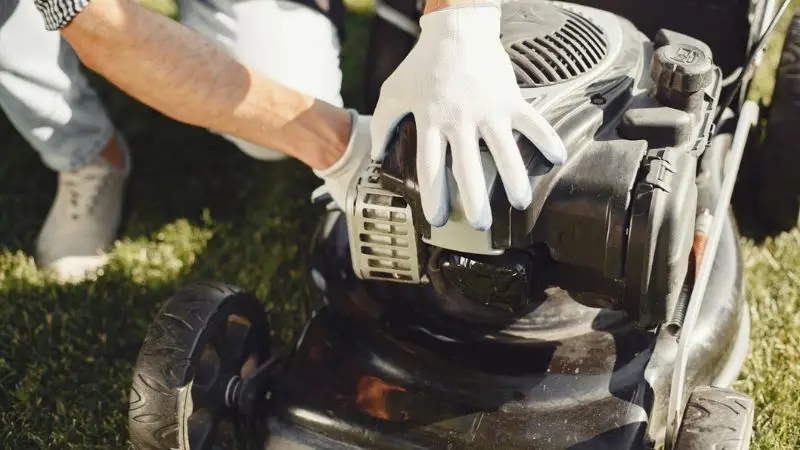
There are certain rules to properly care for your lawn sweeper to make it work effectively and serve you for quite a number of seasons. A couple of straightforward habits will help avoid wear and tear, minimize repairs, and keep your sweeper reliably ready for another task. Below are essential lawn sweeper maintenance steps to follow after each use.
Cleaning After Use
One of the easiest ways to extend the life of your sweeper is to clean it after every session. Dry debris is easier to remove than wet clumps, so it’s best to do this right after you finish your yard work.
- Empty the hopper completely and shake out any leftover debris
- Use a brush or leaf blower to clear dirt from the brushes and wheels
- Rinse off mud or stuck-on grass from the frame with a garden hose
- Let all parts dry thoroughly before storing to prevent rust and mold
Keeping your sweeper clean after each use improves performance and prevents long-term damage.
Inspecting and Replacing Parts
Routine checks are a big part of proper lawn sweeper care. By inspecting parts regularly, you can catch small issues before they turn into expensive repairs.
Use this simple checklist every few uses:
- Check brushes for signs of wear, bends, or missing bristles
- Spin the wheels to make sure they turn smoothly—tighten or oil if needed
- Inspect the hopper for tears or holes and repair or replace if needed
- Examine the frame for cracks and tighten any loose bolts
Most manufacturers offer replacement parts like brushes and hopper bags. Swapping out worn parts helps your sweeper work like new.
Proper Storage
Where and how you store your lawn sweeper can make a big difference. Exposure to moisture or sunlight can shorten its lifespan. Protecting it properly between uses is a key part of smart lawn sweeper upkeep.
- Store the sweeper in a dry location, like a shed or garage
- If storing outdoors, always cover with a waterproof tarp
- Avoid direct sunlight, which can crack plastic parts over time
- Fold the handle or hopper (if your model allows) to save space and reduce pressure on the frame
Good storage habits mean fewer surprises when it’s time to clean your yard again.
Wrap Up
A lawn sweeper for a riding mower makes yard work faster, easier, and better for your lawn’s health. It picks the leaves, grass, clipping and anything that makes your yard appear clean and green. You can easily use it throughout the year when you set it up with the right features.
Your sweeper can serve a longer life when you frequently clean it, inspect items to know whether they are damaged, and when you store it correctly. Due to the fact that you can clean your lawn using a lawn sweeper, whether you have a small yard or a big yard, the use of a lawn sweeper would save you time and effort. With these tips and steps in this guide, you will end up with a clean healthy yard without all the labour.
FAQ
How often should you use a lawn sweeper?
You can use a lawn sweeper whenever you see leaves, grass clippings, or debris in your yard. Most people sweep after mowing or during the fall when leaves drop. Regular use keeps your lawn looking neat.
Can a lawn sweeper pick up pine needles and small twigs?
Yes, a lawn sweeper can collect pine needles and small twigs. For best results, adjust the brush height. If you have lots of sticks, pick up the bigger ones first to avoid jams.
Do you need to mow before using a lawn sweeper?
You do not have to mow first, but sweeping after mowing helps pick up clippings and leaves in one go. This makes your yard look tidy and keeps your grass healthy.
What should you do if your lawn sweeper misses debris?
Try overlapping your passes and slowing down. Check the brush height and make sure it matches your lawn. If you still miss spots, inspect the brushes for wear or damage.
Is a lawn sweeper hard to store?
No, most lawn sweepers fold down or have removable parts. You can store them in a shed or garage. If you need to keep it outside, use a tarp to protect it from the weather.