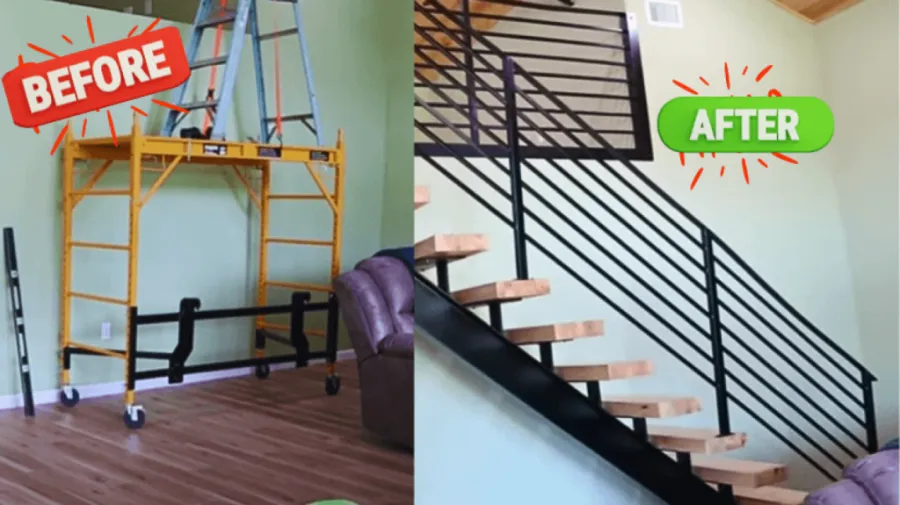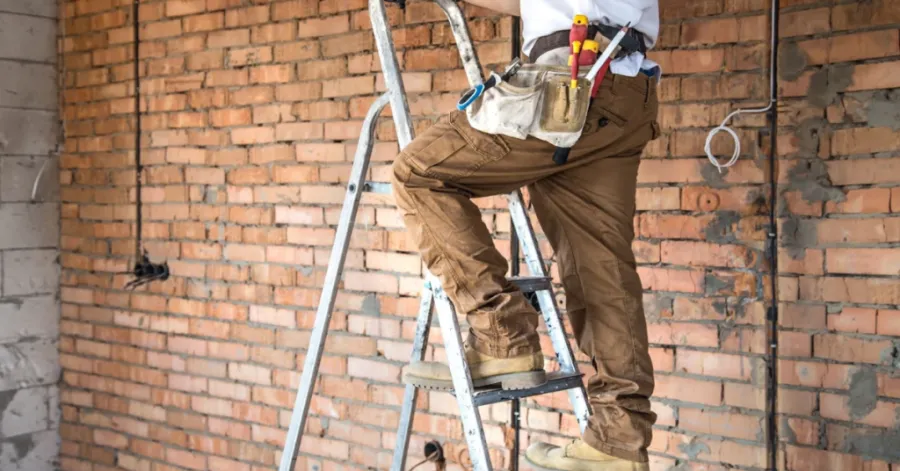
Using ladders safely is very important, whether you’re at home or at work. Most ladder accidents happen when people rush or forget basic safety steps. Always make sure your ladder is stable before climbing. Keep both feet and one hand on the ladder at all times. Do not lean too far to either side, and never stand on the top step. Wearing proper shoes with a good grip also helps prevent slips. Pay attention to every step you take, and always put safety first. Following these simple ladder safety tips can protect you from serious injuries.
Why Ladder Safety Is Important
Using a ladder may seem simple, but the risks of unsafe ladder use are real. Whether you’re a homeowner or a construction worker, ignoring safety rules can lead to serious injuries. Understanding ladder safety tips for homeowners and ladder safety tips for construction workers is essential to prevent accidents and protect yourself and others.
Risks of Unsafe Ladder Use
Ladder falls take place within a few seconds, but the effects are long-term. Careless use of a ladder can result in broken bones, injuries to the head, and even death. A lot of individuals think that climbing a ladder is simple, and a little failure can create big issues. Common errors include:
- Installing a ladder on an unsteady or uneven surface.
- Going higher than advisable.
- Climbing a ladder that is not in good condition or that is of the incorrect kind.
These risks must not be overlooked, as they will expose you to accidents. Safety Awareness makes you identify the dangers prior to climbing and prevent unsafe circumstances.
Homeowners and workers are both victims of unsafe use of ladders. Rushing or missing inspections may put you and the people around you at risk. Be aware of the usual errors of using ladders and prevent them to stay safe at all times in any ladder activity.
Benefits of Safe Practices
Practicing ladder safety will safeguard yourself and anyone around. Safe use of ladders can be done by checking your ladder, ensuring it is placed on a firm surface, and maintaining three points of contact. The rewards of doing these steps are:
- Preventing falls and serious injuries.
- Protecting relatives, workmates, and neighbors.
- Preventing harm to your house or property.
- Creating sustainable safety actions in every project.
Safety in the use of ladders also boosts confidence. You are able to manage the work at heights without any fear and display proper safety awareness. Each climb gives an opportunity to show responsibility and be a good example.
Essential Ladder Safety Tips for Homeowners and Workers
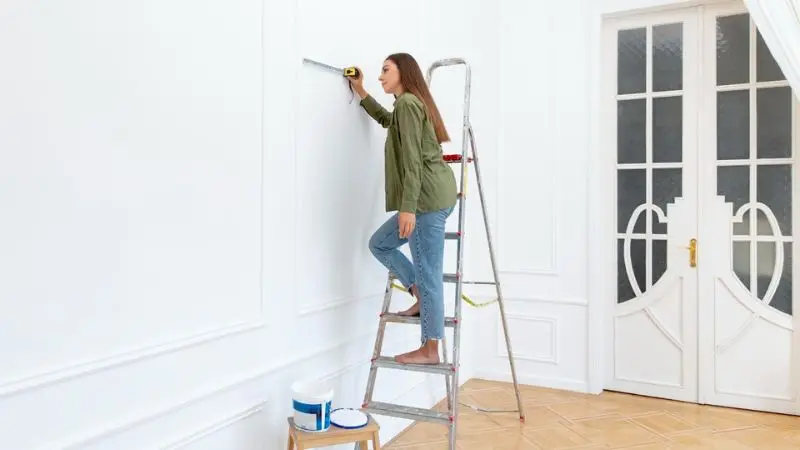
Using a ladder safely is more than just climbing. Knowing ladder safety tips for homeowners and ladder safety tips for construction workers can prevent injuries. With proper setup, inspection, and technique, you reduce risks, protect yourself, and finish tasks faster.
Always Read the Manufacturer’s Instructions Before Using a Ladder
Always follow the instructions of the manufacturer before climbing on any ladder. These guidelines can be used on how to install, operate, and store the ladder in a safe manner. They also have weight restrictions, height restrictions, and unsafe practice warnings. This step is one of the usual ladder safety pitfalls to avoid because you may use the ladder improperly or fail to notice potential hazards. Store the instruction manual somewhere safe and convenient, and read it every time you do a project. Learning to follow these instructions is among the most significant practices of ladder safety, and it could help you to avoid accidents and use the ladder properly.
Inspect the Ladder for Damage Before Every Use
It is important to check your ladder before climbing and see whether there is any damage. Check cracks, crooked steps, loose hinges, absent parts, or abraded feet. Falls, injuries, or property damage can take place due to even tiny flaws. Checking the ladder each time makes sure that you identify issues at the initial stages. Ensure that locks, rail, and stabilizers are in proper working condition. These measures are a major precaution in ladder safety considerations by both homeowners and construction workers to avoid sustained accidents. Within a few minutes, a fast, attentive look can help you avoid a lot of expensive medical bills and life-threatening injuries.
Choose the Right Ladder for Each Job to Stay Safe
Selecting the correct ladder for your task is essential. Use a step ladder for indoor, short-reach tasks and an extension ladder for outdoor, tall-reach work. Ensure the ladder is tall enough so you don’t have to stand on the top rungs. Using the wrong type increases your risk of tipping or falling. Choosing the proper ladder is a fundamental rule in best ladder safety practices. It reduces hazards, improves stability, and makes working at height safer. Always match the ladder to the height and type of job to avoid accidents.
Avoid Standing on the Top Rungs to Prevent Falls
Standing or climbing at the top of a ladder is not advisable at the first and second levels. The elevated steps are not made to support your weight, and, therefore, you fall so readily. Standing too high is one of the most common contributors to ladder accidents. It is important not to step more than the top steps, and in order to have a good footing. It is a simple rule that the homeowners and the aid workers must follow as the next important ladder safety consideration. The benefit of not using the top rungs is that you have reduced chances of slipping and injuring yourself, and also you are assured that you can safely work on any ladder.
Set Up the Ladder on a Flat and Stable Surface
You should never set your ladder in place on uneven ground. The wobbling and tipping of the ladder may happen due to uneven surfaces, loose gravel, mud, or wet floors. At home, do not use the rugs or slippery tiles beneath the feet of the ladder. One of the most practical measures in safety is a good base, which helps address this issue and leaves the cases of unexpected falls. Ensure that the feet of the ladder are seated firmly and the ladder is not wobbly when climbing. Adequate installation makes every step sound and secure, and keeps you safe as well as minimizes risks to the workmates or relatives around the working environment.
Keep Three Points of Contact While Climbing or Descending
Ladder safety requires three points of contact. This is because there are always two hands and one foot or two feet and one hand in touch with the ladder. The technique makes you balanced and minimizes the risk of falling. Do not carry heavy tools along when climbing, as this may overturn you. This is also the best method of safety in ladders used by construction workers and homeowners. Sticking with it always leads to safer ascents, more stable descents, and more confidence in undertaking work at height, avoiding injuries.
Clean the Ladder Regularly to Avoid Slips and Accidents
When dirt, paint, oil, or mud deposits are present, ladders can become slippery. Before and after the use of a ladder, clean the steps and railings to avoid accidents. Cleaning should be among the best practices of ladders. A clean ladder is safer and lasts longer, as well as performing better. One of the usual errors to be avoided in ladders is taking care of cleanliness. The time it takes to clean your ladder is worth it to make sure every step is safe, minimize accidents, and provide the assurance that you will be safe as long as you work on your ladder.
Respect Ladder Weight Limits to Stay Safe
Each ladder has a maximum weight allowance, which consists of the weight of the person, as well as tools or materials. Beyond the limit, the ladder can be bent or overturned. Weight limits are one of the key tips of ladder safety among homeowners and workers. Read the advice or label and climb. Weighing it with tools makes it so that you do not exceed your weight. Weight limitations help avoid falls, injuries, and damage to the ladder. The safe usage will ensure two things: you and your project are safe, and ladder work will not be stressful.
Ladder Safety Tips for Proper Setup and Use

Setting up a ladder correctly is crucial for preventing falls and injuries. Proper ladder setup includes checking hinges and locks, avoiding slippery surfaces, and positioning the ladder at the correct angle. Small mistakes, like unstable ground or unlocked hinges, can lead to serious accidents. By following these simple ladder safety tips for setup and use, homeowners and workers can work confidently and safely at heights. Paying attention to these basic steps ensures stability, prevents slips, and protects both you and anyone nearby while performing tasks.
Secure Hinges and Locks Every Time Before Climbing the Ladder
Before using a ladder, you have to look for and screw on the hinges and lock of the ladder. The hinges provide stability and prevent the ladder from collapsing on its own. The hinges are fixed with locks. The hinges should click, and you are supposed to know that the ladder is safe. Move the ladder gently to ensure the locks are firm; it will begin shaking. Here, you prepare the measure before getting on it. Collapses, injuries, and accidents are eliminated by this simple test. Regular checking of hinges and locks is one of the most important safety provisions of ladders; it is important to ensure that the ladder is secure each time and is prepared to be used safely.
Avoid Placing Ladders on Slippery or Wet Surfaces for Safety
Never place a ladder on wet, oily, or muddy surfaces. Slippery ground can cause the ladder to slide, increasing the risk of falls. Always choose a level surface with a strong grip, such as dry concrete, solid wood, or clean tile. If puddles or spills are present, clean the area first. Using mats on slick surfaces adds extra stability. Proper placement ensures the ladder stays steady and safe while you climb. Following this ladder safety tip for stable surfaces prevents accidents and keeps both you and the ladder secure during any project.
Position the Ladder at the Correct Angle to Prevent Tipping
Placing the ladder at a right angle is important in ensuring that the ladder does not fall over. Apply the 4 to 1 percentage: every four feet of ladder height, a base one foot from the wall. Extremes of angle can make the ladder fall backwards or cause it to slip forward, respectively. As a rule, a level or visual aid should be used to check the angle of the ladder before climbing. One of the most crucial ladder set-up safety measures is to have the ladder set up in the correct position that will ensure it is stable, even, and safe for all labourers at the height.
.
Match Ladder Height with Base Distance from Wall for Safe Climbing
The height and distance of the base of the ladder should always be within the right guidelines. As an illustration, a 12-foot ladder is supposed to be 3 feet away and should be 16 feet on the other side. This ratio ensures that there is appropriate support and minimizes the chances of tipping. A combination of the right height and the right angle provides maximum stability. After these measurements comes an important section of ladder safety instructions to set up and use, which enables homeowners and workers to be able to climb the ladder safely and securely without fear of falling or the ladder becoming unstable.
Common Ladder Mistakes to Avoid for Safe Use

Using a ladder comes with risks if basic precautions are ignored. Many accidents happen because people overreach, exceed weight limits, or rush setup. Knowing the most common ladder mistakes helps you prevent injuries. Simple awareness and careful action can protect you from falls, collapses, and other hazards. Following proper safety steps every time you climb keeps you confident and secure. By avoiding these common errors, you reduce risks and make your ladder work safer for both you and those around you.
Avoid Overreaching While Working on a Ladder to Prevent Falls
One of the most prevalent accidents that occur with the use of ladders is over-reaching. Going too far may bring down your stability and create falls. Always remember to hold your body over the side rails. In case you are unable to reach your work comfortably, get down the ladder and move it. Keep off, and do not strain. Safety is a matter of small things. This is a basic ladder safety rule to remain centered and re-positioned when necessary: it helps you stay balanced and minimizes chances of seriously injuring yourself in the course of working on a ladder.
Never Ignore Ladder Weight Ratings to Avoid Collapse
All ladders contain a highest weight limit. When this limit is surpassed, the ladder can either bend, topple over, or fall down. It is important to always add your weight, your body weight, and the weight of the tool and supplies when inspecting the rating. Violating these limits is the major error causing accidents and injuries. Adherence to the weight regulations makes the ladder firm and efficient. One important ladder safety factor to note is to respect the weight capacity of the ladder, which helps to avoid any harm to both yourself and others during the execution of duties. Adequate awareness will avoid sudden collapse and will enable worry-free use at all times.
Take Your Time and Avoid Rushing Ladder Setup
Hurrying up to finish the project will be a cause of errors in the setting of the ladders. Omitting such steps as locking the hinges, ensuring the ground stability, or placing the ladder in the required positions poses even more danger of falls. Take your time and do everything one step at a time. Always check the level before climbing, the placement of the structure, and the surface. One of the most significant tips of ladder safety is taking your time and making sure that the ladder is secure and safe. When working with careful preparation, accidents are minimized, your health is guarded, and it is much easier and less stressful to do any job at height.
Wrap Up
Using a ladder can be safe if you follow simple rules. Always read the instructions, check for damage, and choose the right ladder for your task. Set it up on a stable surface, secure the hinges and locks, and keep the proper angle. Avoid standing on top rungs, overreaching, or rushing the setup. Respect the weight limits and keep three points of contact while climbing. Clean your ladder regularly and avoid slippery surfaces. By taking these ladder safety tips every time, you reduce the risk of accidents and injuries, keeping yourself and others safe while working at height.
FAQ
Why is it safest to climb up a ladder?
One should always face the ladder. Keep three points of contact. Move slowly. When climbing, do not bring heavy stuff. Wear shoes with a good grip.
How often is the ladder inspected?
Before using your ladder, have a look at it. Inspect cracks, loose steps, or sections. Regular checkups will help in unraveling problems on time so as to prevent accidents.
Can any kind of ladder be employed in rugged ground?
Never put a ladder on a weak place. The rung of the ladder may lean over. Do not erect your ladder on a stony hill.