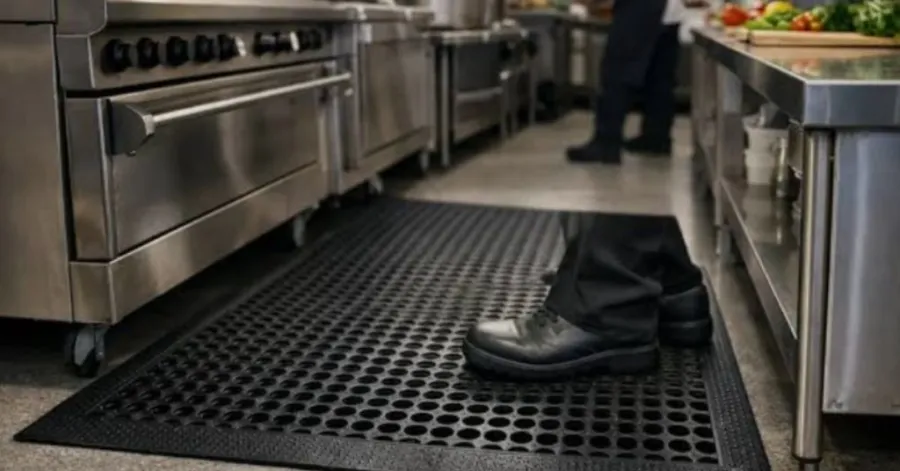
Choosing the right kitchen floor mats can make daily cooking, cleaning, and washing of dishes more comfortable. The right mat offers cushioning underfoot, helps with spills, and adds a decorative touch to your kitchen. With so many materials, sizes, and designs, however, choosing the right approach takes careful consideration. Each type of cushion mat offers different advantages for specific kitchen areas, from the best pillow mats for kitchen work to waterproof, washable designs. This guide explains how to choose kitchen mats based on material, size, security, convenience, and maintenance. You will also learn to match your mats to your kitchen and household decor.
What Factors Should You Consider When Choosing Kitchen Floor Mats?
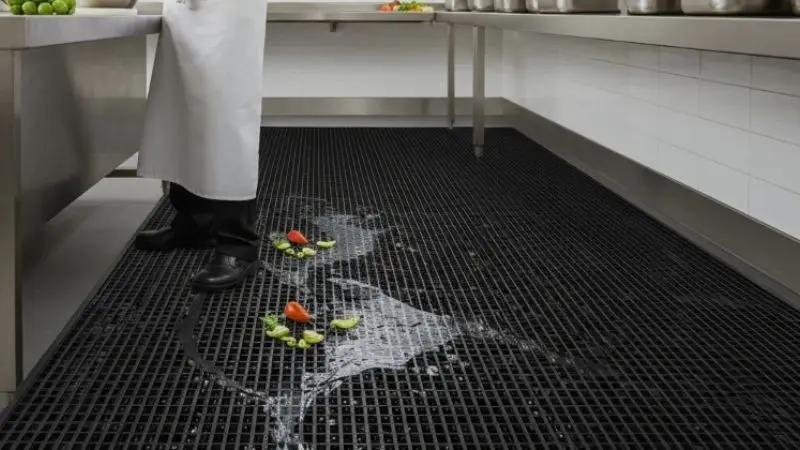
Choosing a mat is more than choosing a color or pattern in accordance with your kitchen. Material, dimensions, surface, cushioning, and cleaning requirements affect how well it performs in daily use.
Before you buy, think about where you plan to place the mat and how often this area will get wet or dirty. These factors will help you compare washable kitchen floor mats with other options for daily use and select a design that will suit the needs of your household.
Recommended For Your Project
Choose the Right Kitchen Floor Mat Material
The material affects the comfort, grip, durability, and maintenance of a mat. Rubber mats are often suitable for busy spaces, as they allow flexibility and traction when well adapted to the floor. PVC or vinyl options are usually easy to clean, making them convenient for areas where spills are common. Memory foam offers cushioning for people who are standing on the cooktop, while cotton and microfiber mats can absorb moisture and be machine washable. When comparing the best cushion mats for kitchen tasks, consider how the materials feel underfoot and how easy they are to clean. The correct kitchen floor mats must balance comfort, durability, and practicality.
Select the Right Size and Shape
One mat should cover the area where you are most frequently standing, without blocking walkways, cabinet doors, or device access. Small rectangular mats function well next to sinks, while long runners can cover space between counters in narrow kitchens. Larger mats may work for kitchen islands, as long as they don’t impede movement. You can choose either one mat or a matching set for the various areas of work. When choosing the best kitchen mats for hardwood floors, carefully check their dimensions and leave adequate exposed floor around their edges. Proper-size kitchen floor mats offer useful coverage without feeling pressure in your kitchen.
Look for Non-Slip Backing and Stable Placement
A mat moving when you step on it can cause an unnecessary safety risk. Look for support designed to grip your particular type of floor, especially when you have smooth tiles, laminates, or hardwood. If you need a kitchen floor mat that doesn’t slide, then check with the manufacturer’s recommendations for compatible surfaces and cleaning techniques. Some backing materials don’t work with certain floor finishes, so check compatibility before placing a mat on delicate floors. Keep the floor as well as the mat clean and dry. Stable kitchen floor mats must lie flat, stay in place, and have edges that don’t bend upward during normal use.
Consider Thickness, Cushioning, and Comfort
Thickness affects how supportive a mat feels during longer cooking and dishwasher sessions. Thick foam mats can offer more cushioning while firmer designs can provide a stable surface for frequent movement. However, a soft or bulky mat can feel uncomfortable if it slips or gets out of position. If you spend a lot of time at the counter, compare comfortable mats with standing mats by considering firmness, material quality, and how well the mat retains its shape. Choose a design that feels supportive without causing stumbling. The proper kitchen floor mats should make daily tasks more user-friendly and easy to walk on.
Check Water Resistance and Ease of Cleaning
Kitchen mats face water, food particles, fat, and other routine spills; therefore, cleaning requirements are part of the solution. Waterproof surfaces are useful around sinks and dishwashers because liquids are less likely to soak into mats. If the care label allows machine washing, washable kitchen floor mats can be a useful maintenance option for households that prefer regular machine washing. Check if the mat dries quickly and if its base needs special attention. Even water-resistant mats should be lifted occasionally to clean the floor underneath them and dry it. Practical kitchen floor mats keep the kitchen clean without adding unnecessary cleaning.
Match the Mat to Your Kitchen Floor Type
Your existing floor should influence the mat you choose. Hard floors can benefit from cushioned mats, which reduce impact on solid surfaces, whereas hardwoods require special attention for auxiliary materials and captured moisture. Some rubber or PVC backings can discolor or damage certain finishes, so check pre-use floor manufacturer recommendations. If you wish to use the best kitchen mats for hardwood floors, you will find a floor-compatible mat that allows ventilation and traps moisture from beneath the floor. Avoid the insertion of a damp mat over wood for longer periods. Well-matched kitchen floor mats can enhance comfort and protect common areas without damaging your flooring’s condition.
Which Type of Kitchen Floor Mat Is Best for Your Needs?
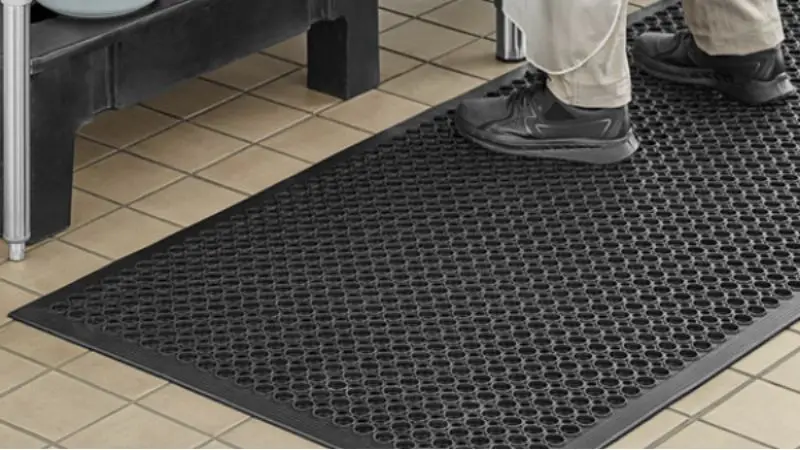
Various kitchen activities require various mat features. While anyone who often washes can prefer water resistance and quick cleaning, a person who spends hours preparing meals may give priority to cushioning.
Understanding the main mat types will make it easier to select a suitable option for your routine. Compare waterproof mats for kitchen floors, washable designs, and decorative options based on where you are going to use them and how much maintenance you can perform.
Anti-Fatigue Kitchen Mats for Long Cooking Sessions
Anti-fatigue mats are designed to provide cushioning to people who spend longer periods of standing in a place. They often use foam or other resilient materials that still feel like hard flooring while you prepare, bake, and do the dishes. When comparing the best cushioning mats for work, you take into account the firmness of the mat, thickness, surface, texture, and the ability to recover after repeated pressure. The supportive design must feel comfortable, without being soft enough to affect your balance. Insert the mat where you stand the most often, such as next to the stove or preparation counter. Well-chosen kitchen floor mats can make long kitchen sessions more comfortable while staying convenient for everyday movement.
Waterproof Kitchen Mats for Sink and Prep Areas
The area around the sinks, dishwashers, and cooking facilities often collects splashes and spills. Because these surfaces can usually be wiped clean without absorbing liquids as quickly as fabric alternatives, waterproof mats are useful here. Check the surface texture, backdrop design, edge design, and compatibility with your floor when choosing waterproof mats for kitchen floors. Water resistance does not mean that a mat underneath should be kept wet, so lift it regularly and dry the floor if needed. Choose a size that covers the main areas of splash without the lockers or footpaths being blocked. Practical kitchen floor mats help to manage moisture daily and to facilitate the cleaning of crowded workspaces.
Washable Kitchen Mats for Easy Maintenance
Washable mats are an easy choice for kitchens in which food crumbs, stains, and spills are part of everyday life. Depending on the material and care instructions, they can be machine-washable or hand-washable. If you prefer washable kitchen floor mats for everyday use, check the label for cleaning temperatures, drying instructions, bleach limits, or strong bleach cleaners. To understand how to clean kitchen floor mats, shake off loose crumbs, spot-clean stains with mild detergent and water, and machine-wash or hand-wash the mat according to the care label.
Mats that dry quickly may be useful, especially in busy households, as they can return earlier. Make sure that the back maintains its shape and grip after cleansing. Easy-Care kitchen floor mats help to keep a clean cooking area without complex maintenance routines.
Rubber Kitchen Mats for Grip and Durability
Rubber kitchen mats are frequently selected for their durability, flexible design, and grip. Depending on the design, they can handle busy jobs, where people often move between the sink, counter, and stove. If you need kitchen floor mats that don’t slide, look for a model with appropriate anti-slip backing and a surface that remains manageable for exposure to common Cuisine moisture. Always confirm compatibility with your floor covering because some rubber products might not match some hardwood surfaces. Clean the mat according to the care instructions and check the wear over time. Durable kitchen floor mats may be a convenient choice if stability and regular use are the major priorities.
Decorative Kitchen Mats for Style and Everyday Use
Decorative mats combine useful floors with colors, patterns, and textures that add to your kitchen. They can coordinate their designs with cabinets, curtains, tables, or other design characteristics, allowing users to utilize a more comfortable surface in common areas. When selecting the best kitchen mats for hardwood flooring, prioritize floor-safe backing and moisture management next to appearance. The mat must sit flat, fit the available space, and let the doors and drawers open freely. Choose a pattern that fits your decor, but does not have daily crumbs or stains that are unnecessarily hard to notice and clean. Attractive mats in a kitchen can bring visual interest while still being suited for normal cooking and cleaning.
How to Choose Kitchen Floor Mats for Different Areas
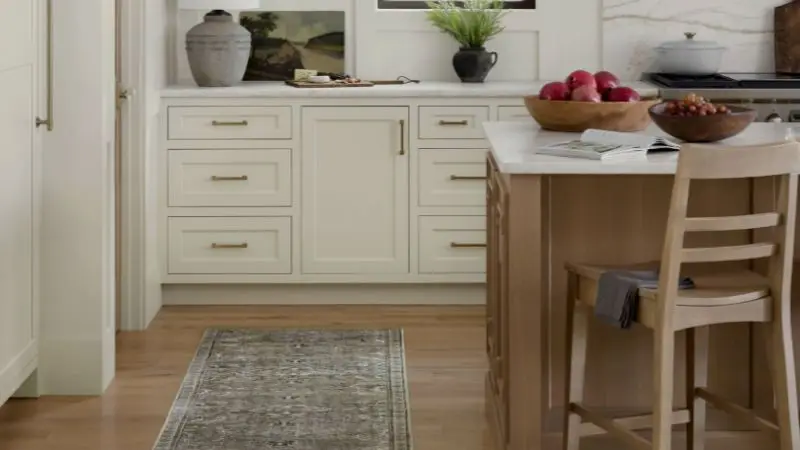
The best location for the mat is based on how you use each part of your kitchen. Areas surrounding sinks require moisture protection, whilst cooking zones can benefit from spill-proof and easy-to-clean surfaces.
Choosing the right mat for each location will help to improve comfort, preserve cleanliness, and protect your floors. Look at these placement tips when selecting waterproof mats for kitchen floors and other daily use options.
Kitchen Floor Mats for the Sink
The area around the sink is often wet with dishes, washed vegetables, and cleaned kitchen utensils. While making the surface better suitable for standing, a proper mat controls splashes. Find comfortable mats to stand in the kitchen sink with water-resistant surfaces, solid supports, and simple-to-clean materials. If you prefer fabric, choose an absorbent design that you can regularly wash. Make sure that the rear is compatible with your floor for smoother use. To prevent moisture accumulation, keep the mat dry underneath. Well-chosen kitchen floor mats can make cooking more comfortable and help maintain cleaner environments.
Kitchen Mats for the Stove and Cooking Area
The space for your stove is a busy area where you can stand while stirring pots, cooking food, or preparing meals. A mat in this area should be easy to clean, clear, and stable enough to support frequent movement. Consider the best padded mats for kitchen work when cooking regularly for a long time, but make sure the product is suitable for placement near cooking appliances. Keep the mats away from open flames, hot burners, and other heat sources unless the manufacturer expressly acknowledges that they are safe for this use. Pick a low-profile design that will not catch your feet. Practical kitchen floor mats can help with comfort without interfering with the safe preparation of food.
Mats for Kitchen Islands and Food Preparation Counters
Kitchen Islands often serve various purposes, from cutting ingredients to cooking and preparing snacks. A mat, which is placed along the work side, can provide cushioning and help to protect the ground from crumbs and occasional spills. View the best padded mats for kitchens when you spend time on the island. Before selecting a rectangular mat or larger design, measure the available space and leave enough space to move around comfortably. It should be easy to clean the surface, especially with ingredients. Choose a backing to match your floor material, and that is sturdy during use. Correct-size kitchen floor mats can ease food preparation while remaining organized.
Kitchen Runners for Narrow Spaces and Galley Kitchens
The narrow kitchens and galleys often have long passages between parallel counters. Kitchen runners can cushion this path and create a more coordinated look. If you choose washable kitchen floor mats for daily use, look for a runner to fit the length of the walkway without blocking cupboards, appliances, or door openings. A low-profile design can reduce the risk of catching your feet at the edges, while correct non-slip support helps the runner stay in position. Consider patterns that enable the narrow space to feel balanced instead of pressured. Easy-care kitchen floor mats make compact kitchens easier to maintain.
How to Match Kitchen Floor Mats With Your Home Decor
Kitchen mats are practical accessories, but their colors, textures, and patterns can also affect the appearance of your room. Match your cabinets, countertops, floors, and existing decorative details to a well-chosen design.
The goal is to create a coordinated look without sacrificing comfort, stability, or easy maintenance. Use this style tip to choose the best kitchen mats for hardwood floors and other mats that suit your designs and plans for the kitchen.
Choose Colors That Complement Cabinets and Countertops
The color of a kitchen mat can help connect several elements to your kitchen. Neutral shades such as gray, beige, and cream often complement bright countertops and wooden cabinets, while dark colors in bright rooms can produce contrast. Alternatively, choose mats that complement small decorative details, such as curtains or kitchen towels. When choosing the best kitchen mats for hardwood floors, consider the mat’s color alongside the wood’s natural tones and the surrounding furniture. Avoid picking a mat that is based on its own; its material and backing should suit your flooring. Coordinated kitchen floor mats can add visual balance while also providing practical coverage in busy areas.
Select Patterns for Modern, Farmhouse, and Traditional Kitchens
Patterns can help to amplify the existing style of your kitchen. Geometric designs and simple lines often fit modern rooms, while cushioned stripes, check cases, and rustic motifs can add to the interior of the farmhouse. Traditional kitchens can look better with classic borders or subtle patterns that are matched by wooden cabinets and detailed finishes. In examining best kitchen mats for hardwood floors, select a design that will complement the floor, rather than competing with its natural grain. Consider how visible crumbs and stains will be against the pattern, particularly in areas with high traffic. Kitchen floor mats offer practical, well-coordinated designs that support your decor while keeping up with daily cooking and cleaning.
Decide Between a Single Mat and a Matching Set
A single mat can work well if you need cushioning in a certain area, such as next to the sink or for the stove. If different work areas require coverage and you want a consistent look in the kitchen, a matching set could be more convenient. Before you select washable kitchen floor mats for everyday use, measure each placement area and check all the parts for compatible backing and maintenance requirements. Avoid overcrowding the floor with too many mats, especially on narrow walkways. Matching designs can create a unified look, as a larger mat can adapt to open layouts. The appropriate kitchen floor mats arrangement balances visual consistency, comfort, and secure movement.
Wrap-Up
Selection of the appropriate kitchen floor mats requires a balance between comfort, safety, durability, and appearance. Consider where you are planning to place each mat, how much of the area will get wet, and how much cushioning you need. Options like waterproof mats for kitchen floors work well near sinks, while washable designs facilitate daily cleaning. Always check the support for compatibility with your floor and make sure the mat remains flat when you are using it. Size and style are also important because the right design can complement your cabinets and worktops without inhibiting walkways. So if you compare these features, you can find kitchen mats that support your routine and deliver friendly and attractive kitchens.
FAQ
1. Compare commercial anti-fatigue mats and name the best for standing employees.
Commercial anti-fatigue mats reduce discomfort during extended standing. Compare rubber, foam, and gel designs by cushioning, thickness, durability, and slip resistance. Choose appropriate mats for cashier stations, assembly lines, kitchens and workbenches.
2. Which commercially available floor mats are most suitable for wet areas and slip resistance top-packs?
In wet areas, the irrigation mats, the textured rubber mats and the matching PVC mats work well. Check for verified slip resistance, drainage holes, chemical compatibility, and cleaning requirements in order to maintain safer working conditions.
3. Ensure the best commercial mats that can be machine washable or easy to clean.
Machine washable fabric mats entry and offices, while rubber and PVC mats often allow mopping and cleaning. Check the manufacturer’s suggestions on care prior to purchase, the size of the mat, the drying requirements and work conditions.
4. Match the thickness in vs commercial mats and list the best uses for every thickness.
The thin commercial mats would be appropriate to door-stores, low-clearance zones, and light-duty applications. Thick mats typically result in more cushioning for standing employees. Before choosing a thickness, make a comparison between durability, motion hazard, clearance of equipment and intended use.
5. Compare Foam Against Rubber Anti-fatigue commercial mats and list of top options.
While rubber mats often offer a higher durability in demanding environments, Foam Anti-fatigue mats provide easy cushioning for indoor standing spaces. Before choosing, compare thickness, stability, slip resistance, moisture effects and cleaning requirements.