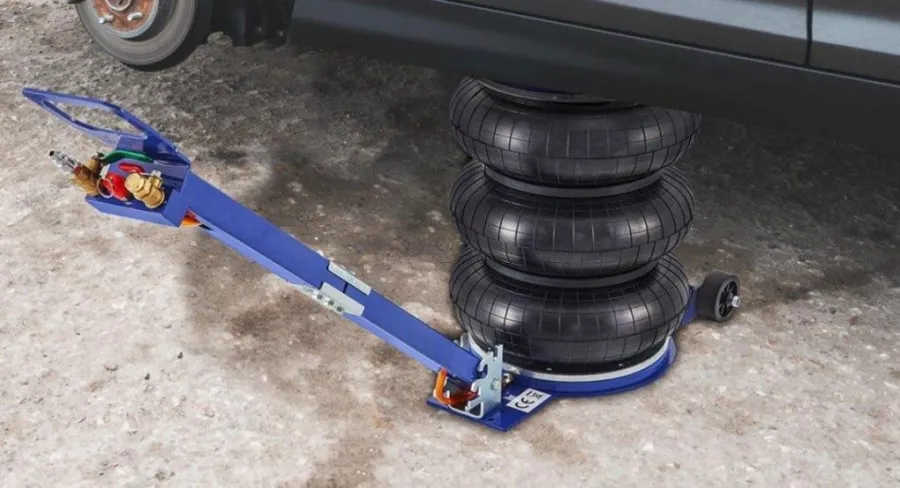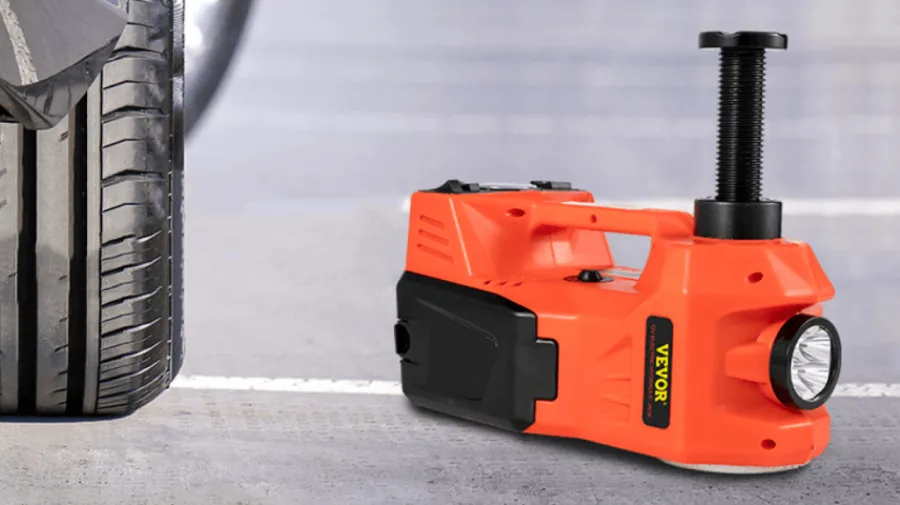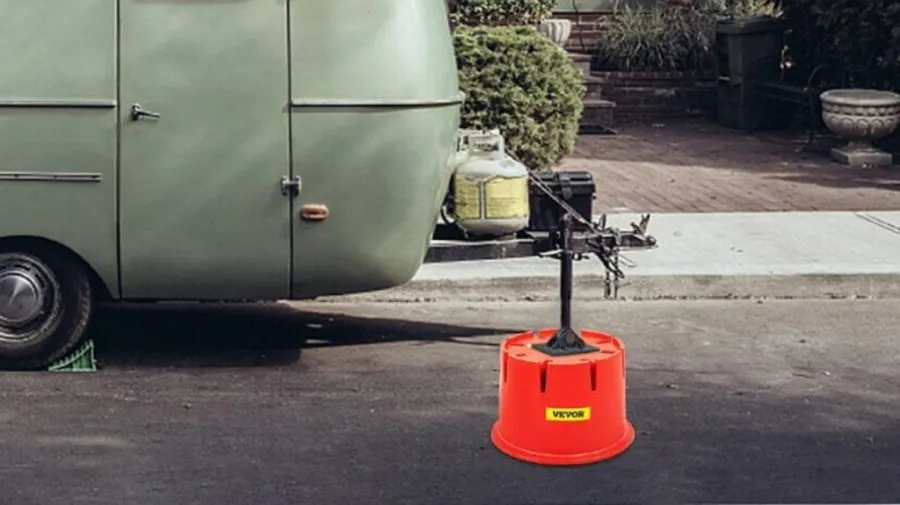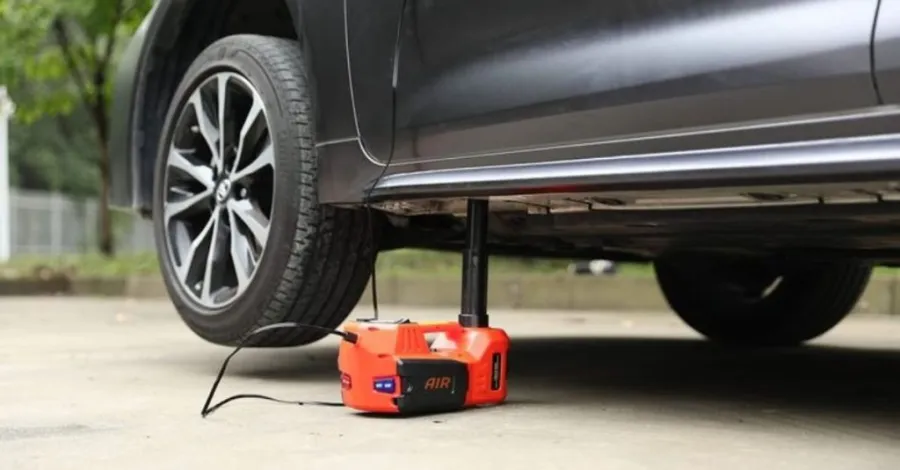
Have a jack for car repair, but are not confident about where to place it for safe lifting? No worries! It’s not easy to properly jack up a car, but it’s not impossible either. All you need to know is the right jack points on a car. These points are very easy to locate. If you locate these points, the lifting is seamless. Just place the jack tool at these points and do the repair you want to know about. You can be more confident and feel safe when you place the jack on right points. Otherwise, its is a great risk to jack up a car. Here is a detailed guide to help you locate the jack points.
Where Are the Jack Points Located on a Car?
Common Jack Point Locations on Most Cars
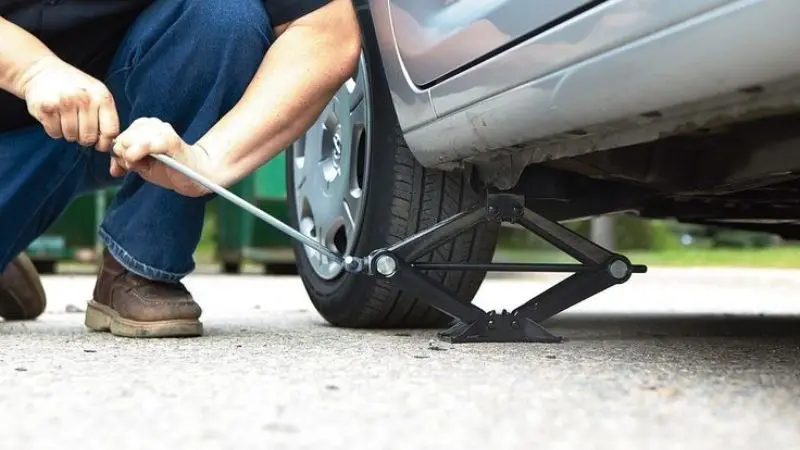
You find jack points on a car in specific spots under the frame. Most vehicles place these points near each wheel. You see them just behind the front tires and in front of the rear tires. These areas have reinforced metal to support the weight. You should never guess where to lift. Always look for these spots before you start.
Front Jack Points vs Rear Jack Points
Front jack points on a car sit close to the front wheels. You use these when you need to lift the front end for repairs or tire changes. Rear jack points sit near the back wheels. You use them for work on the rear brakes or suspension. Each set of points supports different parts of your vehicle. You must choose the right spot for safe lifting.
Side Jack Points Along the Vehicle Frame
Many cars offer side jack points along the frame. You find these under the doors, running along the pinch welds. These spots help you lift one side of the car at a time. You use side jack points on a car for tasks like rotating tires or checking brakes. Always check for reinforced metal before placing your jack.
| Vehicle Area | Typical Jack Point Location |
| Front | Behind the front wheels |
| Rear | In front of the rear wheels |
| Side | Along the pinch welds |
Differences in Jack Points on Sedans, SUVs, and Trucks
Jack points on a car can change based on the type of vehicle. Sedans usually have clear, marked points near each wheel. SUVs often place jack points higher off the ground and may use larger reinforced areas. Trucks sometimes use frame rails or special brackets. You must check your owner’s manual for exact locations. Each vehicle style needs a different approach for safe lifting. You must know where to jack up a sedan/SUV/truck.
How to Identify Jack Points on Your Specific Car
Checking the Owner’s Manual for Jack Points
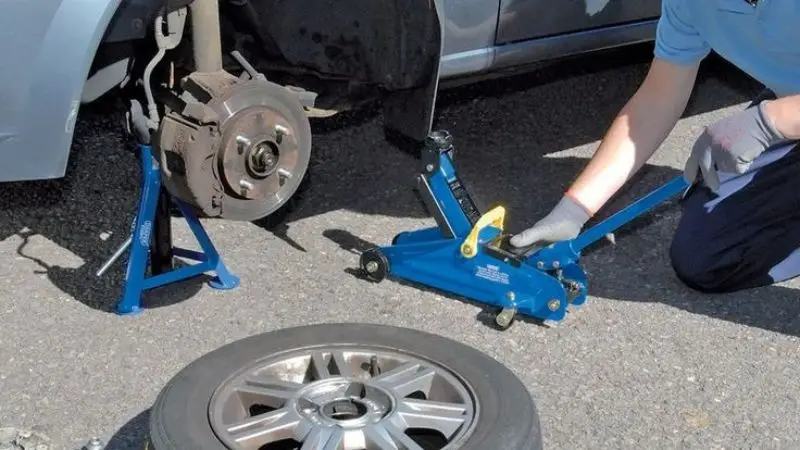
How to find jack points on a car? You should always start with your owner’s manual. This book shows you the exact vehicle lifting points for your car. Look for a section about jacking or lifting. You will see clear diagrams and instructions. The manual serves as your first guide to lifting points. If you cannot find your manual, you can often download it from the manufacturer’s website.
Visual Indicators Under the Car (Notches, Arrows, Reinforced Metal)
You can spot vehicle lifting points by looking for special marks under your car. Many cars have notches, arrows, or thick metal pads. These marks show you where to place your jack. Do not use any spot that looks weak or thin. Always check for these signs before you lift your car.
Using Manufacturer Diagrams to Locate Jack Points
You can use diagrams from your car’s manufacturer as a guide for lifting points. These diagrams show you the safe spots for your jack. You can find them in your manual or online. Always match the diagram to your car’s model and year. This step helps you avoid mistakes and keeps your car safe.
Jack Points on Unibody vs Body-on-Frame Vehicles
You need to know if your car uses a unibody or body-on-frame design. Unibody cars have lifting points built into the main body. Trucks and some SUVs use a body-on-frame style. Their vehicle lifting points sit on the frame rails. Always use a lifting points guide for your car type. Different vehicles have different points. Find the safest point to avoid damage to yourself or your vehicle. Safety should be your top priority.
How to Properly Use Jack Points on a Car
Steps to Jack Up a Car Safely
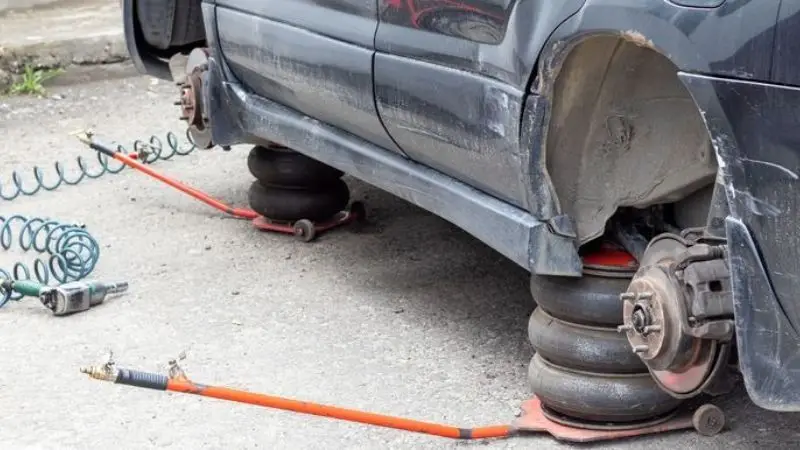
There are some steps to follow. These steps will make your repair tasks fast. The first and most important step to avoid damage is to park the car on an even and solid flat floor. Use wheel chocks and find the jack points. You can find these points in your car manual. But in case you dont have a manual with you, you can simply locate these points by hand near the wheel under the car. Choose the right jack that can support your specific vehicle. Position it, then slowly lift the car. Avoid fast lifting, as it can cause the car to trip over the jack. Before going near or under the car, check the car’s stability on jack stands.
Positioning the Jack Correctly on the Jack Point
You must place the jack directly under the jack point. Make sure the jack pad sits flat against the metal. Avoid placing the jack on plastic trim or thin metal. If you use the wrong spot, you risk bending the frame. Always use the recommended lifting points for safely lifting your car. Check that the jack stays straight as you lift.
| Step | Action |
| 1 | Align the jack with the jack point |
| 2 | Confirm contact with metal |
| 3 | Lift slowly and watch closely |
Using Jack Stands After Lifting the Car
You should never rely on the jack alone. After lifting, place jack stands under the car at the recommended lifting points. Lower the car gently onto the jack stands. Make sure each stand sits flat and supports the weight. Jack stands keep your car stable while you work. You need at least two jack stands for most jobs. Always use jack stands for safely lifting your car.
Safety Precautions When Working Under a Car
You must follow safety rules when working under a lifted car. Wear gloves and safety glasses. Keep tools organized and away from moving parts. Test the stability of the jack stands before you start repairs. Avoid sudden movements that could shift the car. If you hear creaks or see movement, stop and check the lifting points. Safely lifting vehicles means using jack stands and following every step.
Types of Car Jacks and Their Compatibility with Jack Points
Scissor Jacks and Factory Jack Points
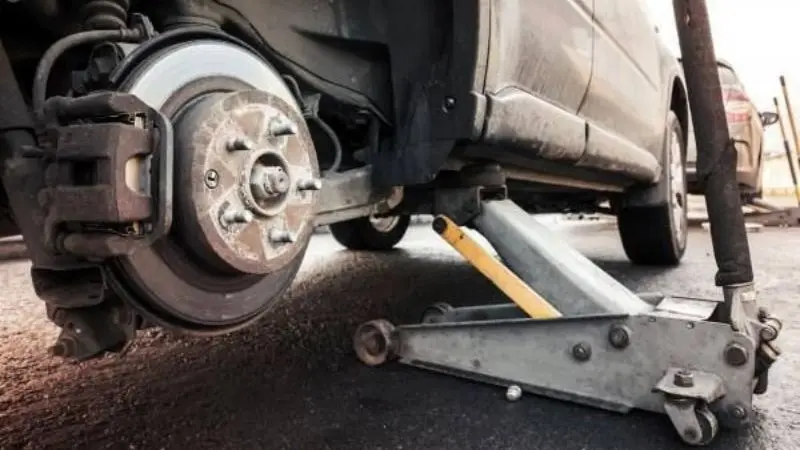
You often find a scissor jack in your car’s trunk. This jack works well with the factory-safe jack points on a car. You place the scissor jack under the reinforced metal near the wheel. Always check for the vehicle manufacturer’s recommended lifting points before you start. Scissor jacks fit most cars and work best for quick tire changes. You should never use a scissor jack without jack stands. Jack stands keep your car stable while you work.
Hydraulic Floor Jacks and Central Jack Points
Hydraulic floor jacks help you lift your car with less effort. You roll the jack under the central jack point, which is usually near the front or rear of your car. These jacks work well for bigger jobs. You must use jack stands every time you lift your car with a floor jack. Jack stands support the weight and keep you safe. Always check your car and truck lifting points before you begin.
Bottle Jacks and Heavy-Duty Vehicles
Bottle jacks lift heavy vehicles, such as trucks and SUVs. You place the bottle jack under the frame or a strong lifting point. Always check for the right equipment before you start. You must use jack stands after lifting with a bottle jack. Jack stands prevent accidents and keep your vehicle secure. Never work under a truck without jack stands.
Choosing the Right Jack for Your Car
Never choose a random jack for your vehicle. Always read the car manual before picking a jacking tool. The jack should match your vehicle type. It should be strong enough to bear the weight of your car. Dont forget to purchase the jack stands. The jack stands usually work for all vehicles. Put the jack on the right jack points of your car, and you are ready to do all the repair tasks.
Common Mistakes to Avoid When Using Jack Points
Jacking on Plastic Trim or Pinch Weld Covers
You might see plastic trim or covers near the edge of your car. These parts look strong, but they cannot support the weight of your vehicle. If you place your jack on plastic trim or pinch weld covers, you risk cracking or bending them. Always check for the safest jacking points made of reinforced metal. This step protects your car and keeps you safe.
Lifting the Car on Suspension or Exhaust Components
Some parts under your car look sturdy, such as suspension arms and exhaust pipes. These parts do not work as lifting points. If you use them, you can bend or break important pieces. You should always follow best practices for lifting and use only the manufacturer’s marked spots. This habit prevents costly damage and keeps your car working well.
Not Using Jack Stands After Lifting
Never compromise on your personal safety. No matter how much you have confidence in your jack, jack stands are a must-have while auto-repairing. Your car can slip from the jack. So, always use jack stands with jacks. Also, check the stability of your car after it’s been raised on a jack stand. After proper inspection, you can approach your vehicle with confidence.
Jacking on Uneven or Soft Ground
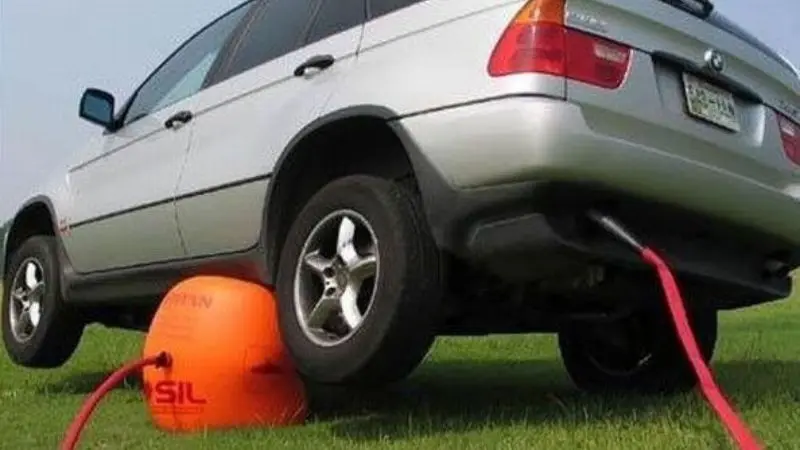
Always place the jack on a flat, well-paved surface. Avoid soft and uneven floors. It will cause the car to trip over and cause severe injuries. The best way is to lift the car onto your garage floor or onto a well-paved road. Failing to take the simple step of checking the floor before jacking can cause damage.
Conclusion
Never put yourself or your vehicle at risk. The simple step of using the right jack points on a car will make a lot of difference. Just carefully read your car manual to locate the jack points, and always use them for safe lifting. Why compromise your safety? Show a responsible behaviour and do your repair tasks with confidence.
FAQ
Where are the jack points on my car?
You find jack points near each wheel, along the frame, or in your owner’s manual. Look for notches, arrows, or reinforced metal under your car.
Can I use any jack with my car?
You need to match your jack to your car’s weight and size. Scissor jacks work for small cars. Hydraulic floor jacks fit most vehicles. Bottle jacks lift trucks and SUVs.
Is it safe to lift my car on gravel or grass?
No, you should never lift your car on soft or uneven ground. Your jack can tip or sink. Always use a solid, flat surface, such as a driveway or garage floor.
Do I need jack stands every time I lift my car?
Yes, you always need jack stands for safety. Jacks can fail or slip. Jack stands keep your car stable while you work.
What happens if I use the wrong jack point?
You risk bending your car’s frame or damaging parts. You could also get hurt. Always use the manufacturer’s recommended jack points for safe lifting.