The sky turns gloomy, the wind speeds up, and your driveway is suddenly buried beneath a thick, white layer. You have an appointment or a shift starting, and you’re peering out the window, wondering, is it safe to drive in the snow?
Every driver risks a high-stakes bet when winter arrives. A single false move on an icy patch can convert an ordinary commute into a costly insurance claim. A durable and adjustable snow shovel is your first line of defense for getting out of the garage. Therefore, in this article, we will go over how to judge the roads like a pro to keep you safe.
What makes driving in the snow difficult
Winter driving involves a full physical shift in how your vehicle interacts with the ground. Understanding the “why” behind the danger allows you to answer the question, Is it safe to drive in the snow? before turning the key.
- Reduced tire traction: Snow acts as a barrier, keeping your tires from actually touching the pavement. Because of the lack of contact, your car is unable to grip in order to accelerate and turn. Without friction, your vehicle becomes a multi-ton toboggan that follows gravity rather than your direction.
- Poor visibility: Heavy snowfall generates a white wall appearance, which reflects your own headlights to you. This makes it almost impossible to detect lane lines or approaching turns. This loss of depth perception is a major cause of winter fender benders.
- Longer stopping distances: On dry pavement, you can stop in a few vehicle lengths; on ice, that distance can grow tenfold. Your brakes cannot lock onto a slippery surface. To maintain control, slow down hundreds of feet before a stop sign.
- Hidden ice and road hazards: The term “black ice” refers to a clear covering that seems to be a wet spot on the road. It is frequently observed on bridges and overpasses, which freeze more quickly than solid ground. Many people ask, Is it safe to drive in the snow? because of these invisible hazards.
When it may be safe to drive
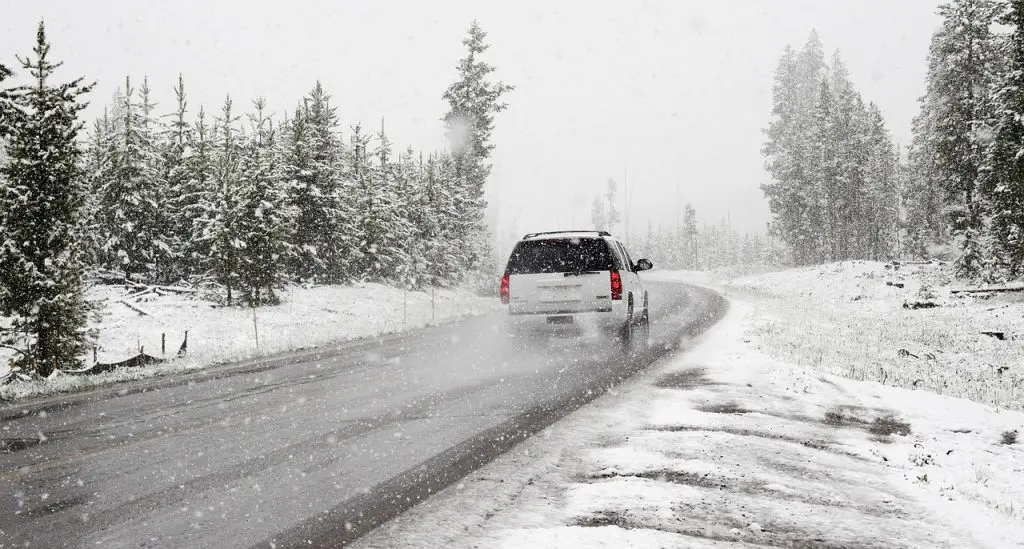
There are green light scenarios in which a conscientious driver can complete the commute. If the local infrastructure works properly, the risk level decreases dramatically.
Light snowfall conditions
A modest dusting of an inch or less is usually sufficient for most current automobiles. Your tires can find grip as long as the road texture is visible. Just remember to keep your speed down and your eyes peeled.
Cleared and treated roads
The chemistry of the road improves once the salt trucks pass through. Salt melt converts ice into a brine, allowing tires to resurface on asphalt. Is it safe to drive in snow on these treated paths? In general, sure, as long as you stay vigilant.
Short, necessary trips
If you are only going to a local shop a few blocks away, your exposure is limited. Avoiding the high-speed highway is the best decision you can make. Local roads are typically slower, allowing you more time to respond to a slip.
When you should avoid driving
Sometimes the only winning strategy is to remain parked and wait for the plows. Nature is merciless, and no task is worth a hospital stay.
Heavy snowfall
The plows cannot keep up with snowfall rates of two inches per hour. Your vehicle can quickly become high-centered when snow lifts your tires off the ground. It is definitely not Is it safe to drive in the snow? in this deep powder.
Black ice conditions
If it rains and the temperature drops, the roadways resemble a skating rink. Pure ice does not allow for steering, braking, or acceleration. If you notice a glaze on the trees or signage, park your automobile in the driveway.
Whiteout visibility
When the wind blows up the snow, you can lose your sense of direction in seconds. Drivers frequently wander off the road or collide with stationary objects due to a lack of visibility. This is the most terrifying and perilous situation for any motorist.
Unplowed roads
If your street looks like a perfect winter postcard, don’t be the first to ruin it. Unplowed snow conceals deep ruts and frozen slush, which might fracture a suspension component. Wait for the heavy machinery to clear the path first.
How to make your drive safer
If you have to face the elements, don’t go unarmed. Preparation is what separates a successful trip from a tow truck call.
Install snow tires
All-season tires are essentially three-season tires that harden like plastic in the cold. Dedicated winter tires remain soft and supple to hug the road surface. This is the most effective approach to determine whether is it safe to drive in the snow.
Use proper windshield fluid.
Standard water-based fluid will form a film of ice on your windshield. To maintain a clear view, use a high-quality de-icer fluid rated for -30°C. This keeps the harmful, blinding spray from salt trucks from sticking.
Keep tires properly inflated
Cold air causes your tire pressure to drop dramatically. Low pressure causes the tire to become floppy, compromising your ability to steer accurately. Check your PSI whenever the temperature lowers to ensure your mechanical grip.
Carry emergency supplies
Store a heavy blanket, a flashlight, and a small bag of sand in your trunk. If you end up in a ditch, these goods may save your life. Being prepared prevents you from panicking when things go wrong.
What road conditions are safest for snow driving
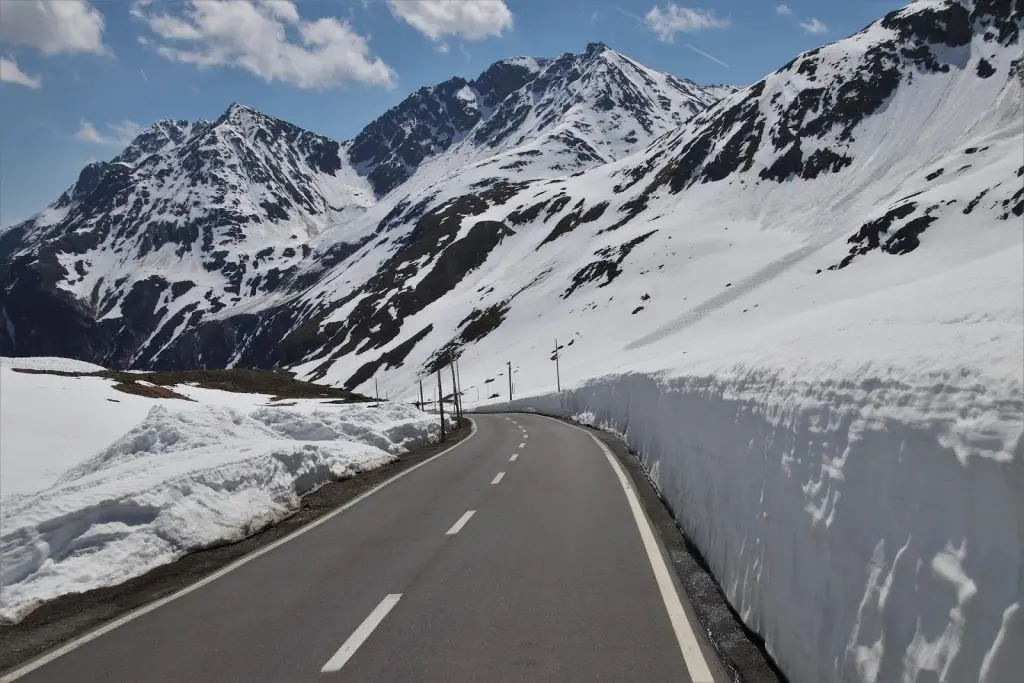
Strategic route planning is a professional move that keeps you out of the body shop. During a crisis, certain roads simply receive greater maintenance than others.
Plowed main roads
City officials always prioritize the main roads and emergency routes. They are the first to be scraped and salted. The safest method to answer the question is it safe to drive in the snow is to stay on these arteries.
Sanded or salted routes
Look for grainy sand on the road, which gives mechanical traction. Salt is more effective for melting, but you should also know which safe ice melt for concrete to use at home to avoid harm.
Daytime driving conditions
The sun generates natural heat, which speeds up the process of salt and improves vision. At night, shadows conceal ice spots, and your headlights cannot see far ahead. So, drive during the golden hours of daylight.
What to do if you get stuck
Getting stuck might be frustrating, but it does not have to be a disaster. To regain momentum, work smarter rather than harder.
- Remain calm and examine the situation: Stop your car, put it in park, and get out to inspect where you’re stuck. Spinning your wheels at fast speeds will just melt the snow into ice, making matters worse. Take a deep breath and look for the way with the least resistance.
- Apply traction aids: Having a movable traction mat in your trunk is like having your own road crew. You can put these beneath your driving wheels to achieve fast traction. It is significantly more effective than utilizing floor mats or rocks.
- Call for roadside help: If your automobile is buried up to the bumper, you are unlikely to be able to get out on your own. Call a professional tow service before you exhaust yourself. Pushing an automobile in the cold puts a significant load on your heart and muscles.
- Contact emergency services if necessary: If you become stranded in a traffic lane or in a remote place, call for help. Your life is more significant than your car’s paint job. If you see any of the early symptoms of hypothermia, get medical attention immediately.
Protecting your property and health
Safety begins when you step outside your front door to clear the path. Winter chores are physically taxing, necessitating a strategic approach.
- The significance of shoveling safety: Every year, thousands of men wind up in the emergency room because they failed to follow shoveling safety. Use little scoops, remain hydrated, and never attempt to move a whole driveway’s worth of snow in one go. Slow and steady is the only way to win.
- Focus on back injury prevention: To ensures back injuries preventions, always push snow instead of lifting or throwing it. A wheeled snow pusher functions as a miniature plow for your sidewalk. It maintains the weight on the wheels rather than on your lower back.
- Effective driveway clearing: If you have a wide area to cover, manual effort may be too much. Knowing how to clear snow from a driveway properly is critical to maintaining safety. A high-capacity electric snow thrower will clear your way in minutes.
Before the weather changes, you should assess the benefits and drawbacks of a electric vs gas snow blower. If you go with gas, make sure you know how to start a snow blower so you don’t get stranded in the cold trying to pull a cord.
FAQs
Is all-wheel drive enough for snow?
AWD is fantastic for getting you rolling, but it offers nothing for braking. Many drivers become overconfident and end up slipping through junctions. You should still drive slowly and leave plenty of room.
Should I drive during a storm?
If the local news advises people to stay at home, you should listen. Driving during a major storm makes it difficult for plows to do their jobs. It is always safer to wait a few hours for the visibility to improve.
How fast should I drive in the snow?
A good rule of thumb is to reduce your typical speed by half. If the road is very slippery, you may need to go even slower. Always drive at a speed that you believe you can safely stop in an emergency.
What should I keep in my car for emergencies?
At the very least, keep a warm coat, gloves, a flashlight, and some traction aids. A little shovel and a bag of sand can also save lives. Having these tools means you’re prepared for anything the weather throws at you.
Conclusion
Accordingly, is it safe to drive in the snow ? The answer is “yes”—but only if you have prepared yourself and your car for fight. Similarly to clearing your driveway securely, traversing the roadways demands the correct mindset and tools. You can face the winter with confidence if you prepare your automobile and property ahead of time. Stay safe, stay warm, and keep in mind that sometimes the best decision is not to drive.