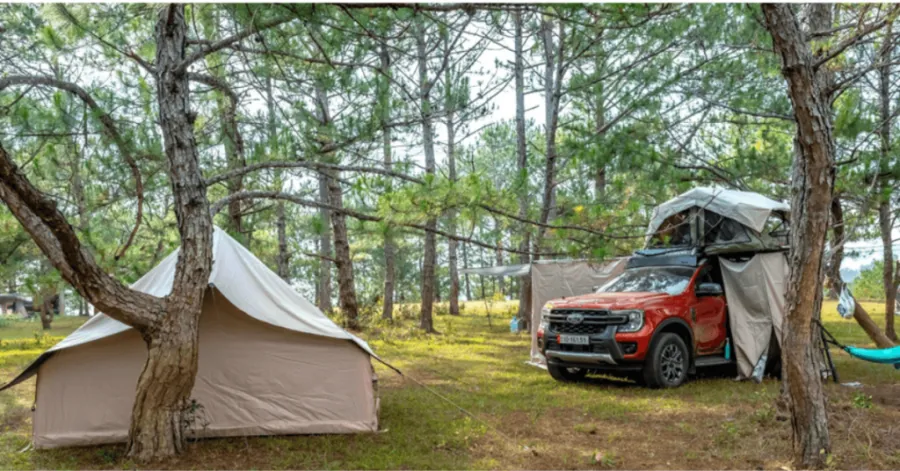
Tired of wrestling with tent poles and complicated setups? Inflatable tents are changing the game for modern campers. These smart, air-beam shelters replace rigid poles with strong inflatable tubes, letting you pitch your tent in just minutes—no hassle, no stress.
And it’s not just hype. In 2025, the inflatable tent market is expected to reach $1.78 billion, driven by upgraded materials, all-weather durability, and ultra-fast setup. Whether you’re a weekend warrior or a seasoned adventurer, these tents are your go-to for quick, reliable, and comfortable camping. In this blog, we’ll explore why blow-up tents are a must-have in 2025—and how to choose the best one for your next trip.
Benefits of Inflatable Tents for Camping
Inflatable camping tents are changing the way people enjoy the outdoors. From easy setup to lasting comfort, they offer smart solutions for modern campers. Here’s why these blow-up tents are becoming a top pick for 2025 and beyond.
Easy Setup and Quick Inflation
Inflatable tents make camping much easier and faster for everyone. Instead of dealing with tricky poles, you simply use a pump, and the tent sets up in just minutes. This is perfect for beginners, families with kids, or when you arrive late at night.
In fact, 70% of new campers say easy setup is a must, and 68% of Americans prefer inflatable tents because of this benefit. Quick inflation saves time, energy, and effort—so you can enjoy nature more and stress less.
Durable and Weather-Resistant Design
These air tents for camping are made to handle tough weather. Their air-filled frames bend with strong winds instead of breaking like regular tent poles. They’re made from thick, waterproof fabric that keeps out rain and handles rocky or uneven ground with ease.
Top brands test these tents in extreme weather to prove how strong they are. With more people using them each year, it’s clear campers trust inflatable tents to stay safe, warm, dry, and comfortable wherever they choose to camp.
Comfortable and Spacious Interiors
Forget tight spaces—today’s inflatable tents give you lots of room to sleep, move around, and store your gear. Many come with tall ceilings and separate areas, making them feel more like home. For better comfort, choose a tent with built-in vents that let air flow inside.
Whether you’re camping alone or with others, having extra space helps you sleep better and enjoy the trip more. Comfort really matters when you’re spending time outside in nature. More space means a happier adventure.
Versatility for Different Camping Styles
Blow-up tents work well for almost every kind of camping. Some are small and light for backpackers, while others are big and comfy—great for glamping or family trips. You can even get strong ones made for tough weather, like strong wind or heavy rain.
Their flexibility makes them perfect for music festivals, short weekend trips, or long hiking adventures. No matter what your camping plans are, there’s probably an inflatable tent that fits. These aren’t just tents—they’re trusted gear for wherever your next trip takes you.
Drawbacks of Inflatable Tents
While air tents for camping offer many benefits, they come with a few downsides. Understanding these drawbacks helps you make the right choice based on your needs and budget.
Higher Cost Compared to Traditional Tents
Inflatable camping tents usually cost more than regular tents because they use strong materials and special air-beam designs. They’re great for campers who go often, since they’re so easy and durable. But if you’re on a budget or only camp once or twice a year, a regular tent might be a smarter choice.
The higher price gives you comfort and speed, but think about how often you camp and what you need before spending more. Picking the right tent helps save time, energy, and money on every camping trip.
Heavier and Bulkier for Transport
Blow-up tents aren’t the lightest choice. The air beams, pump, and thick materials can make them heavier and bulkier. They’re great for car camping or short stays, but not ideal for backpacking or hiking long distances.
These tents take up more room in your car and need extra storage space at home. Always check the packed size and weight before buying to see if it fits your camping style. If carrying less is important, a lighter traditional tent might be the smarter, easier option.
Dependency on a Pump for Inflation
Air tents for camping need a pump to set up. Without it, your tent won’t stay up. Forgetting or losing your pump can cause big problems. Electric pumps are quicker but need a power source, which might not be available in remote areas.
Manual pumps are more portable but take more effort. Always test your pump before your trip to avoid any problems at the campsite. Bringing a backup pump is a smart idea, but it adds extra gear to your packing, which can be a bit bulky..
Finding the Right Inflatable Tent
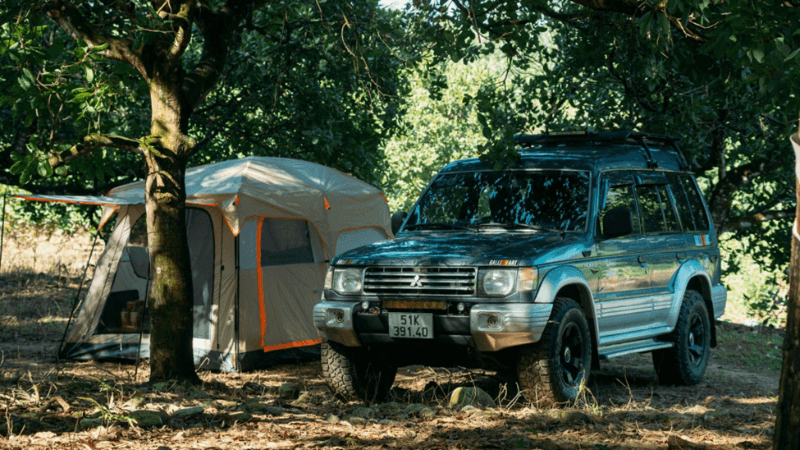
Picking the best inflatable camping tent can seem tricky. But don’t stress—thinking about a few important things makes it easier. Let’s go step by step.
Picking the Right Size and Capacity
When choosing a blow-up tent, consider how many people will use it. For solo camping, a small tent is ideal, as it’s lightweight and easy to carry. For group or family camping, a larger tent with multiple rooms provides enough space for everyone to sleep and store their gear.
Use the “+1 rule” for extra room; for example, choose a tent for five if you’re camping with four people. Check user reviews to understand how the tent performs in real-life conditions, ensuring you pick the right size and capacity for your camping style.
Checking Material Quality and Durability
Durability is key when selecting an inflatable tent. Look for tents made from strong materials that can handle extreme weather, including rain, wind, and heat. Ensure the air beams are sturdy and flexible enough to withstand pressure without breaking. The material should be waterproof, and the seams and zippers should be reinforced for added strength.
A waterproof inflatable tent will withstand various weather conditions and provide long-lasting use. Make sure it’s built to last, especially if you camp frequently or in harsh environments where durability is essential.
Looking at Weather Resistance and Ventilation
Good weather resistance is crucial for an inflatable camping tent. Look for tents with waterproof materials and strong air beams to keep you dry and safe in different weather. Proper ventilation is just as important to avoid moisture inside.
Many tents have mesh panels or vents for air flow, keeping the tent fresh and dry. If camping in hot weather, choose tents with adjustable vents or windows to stay cool. Good ventilation helps prevent condensation, making your trip more comfortable, no matter the weather.
Thinking About Portability and Extra Features
Portability is key for backpackers and hikers. Choose a lightweight inflatable tent that packs down small for easy transport. Check the packed size and weight to make sure it fits your style. Consider extra features like LED lights, interior pockets, or solar panels to make camping more comfortable, though they aren’t needed for everyone. Don’t forget the pump. A reliable pump is important, and bringing a backup is a smart idea, especially if you’re camping in remote areas with no electricity.
Setting Up and Maintaining a Blow-Up Tent for Camping
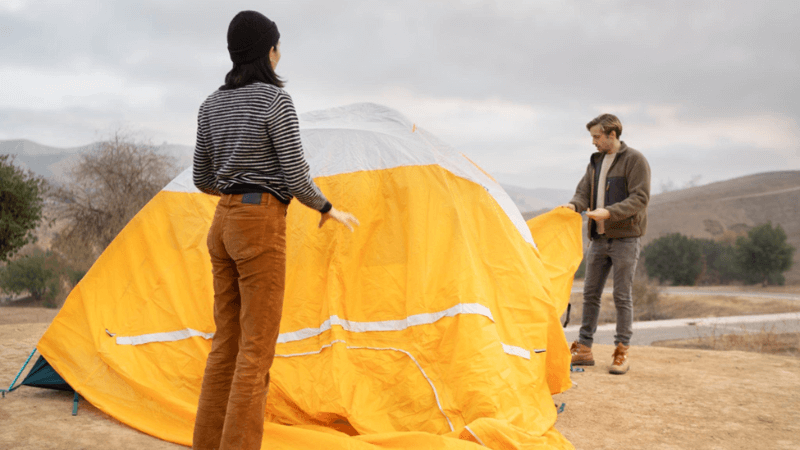
Setting up an inflatable tent is simpler than it seems. With just a few easy steps, you’ll have your tent ready for camping in no time. Let’s break down the key steps to get the most out of your blow-up tent.
Step-by-Step Setup Guide
Setting up an inflatable camping tent is simple. Start by picking a flat area free of sharp objects to ensure stability. Lay the tent flat and make sure the air valves are accessible. Connect the pump to the valve, and begin inflating the tent.
Electric pumps are faster, but manual ones work anywhere. Once inflated, secure the tent with stakes and guy lines to keep it steady in windy conditions. Always test the pump at home before heading out to avoid issues at the campsite.
Proper Deflation and Storage Tips
Deflating your inflatable tent is simple. Just open the air valves and let the air out. Then, roll the tent tightly to remove any leftover air. For storage, make sure the tent is clean and dry before placing it in a protective bag. To prevent wear, avoid folding it in the same way each time. Store the tent in a cool, dry place to keep it in good condition and help it last longer. Taking care of your tent will ensure it stays ready for your next adventure.
Cleaning and Maintenance Best Practices
After each camping trip, wipe your tent clean with a damp cloth to remove dirt or mud. For tougher stains, use mild soap and water. Inspect the tent for damage, focusing on seams, zippers, and air valves. Fix small issues right away to avoid bigger problems later.
Avoid harsh chemicals, as they can weaken the material and shorten the tent’s lifespan. Regularly clean and maintain your tent to ensure it lasts longer and stays in good shape for future trips. Proper care helps keep your inflatable tent working well.
Handling Punctures and Repairs
If your inflatable camping tent gets a puncture, it’s easy to fix. Most tents come with a repair kit. Inflate the tent slightly to find the hole, then clean the area with a dry cloth. Apply the adhesive patch and press it firmly to seal the hole.
Test the repair by fully inflating the tent. Always bring a repair kit on your trips to fix any issues quickly. Being prepared for unexpected repairs ensures your tent stays in good condition during your outdoor adventures.
VEVOR Inflatable Tents: Easy Setup, Strong Design & Total Comfort
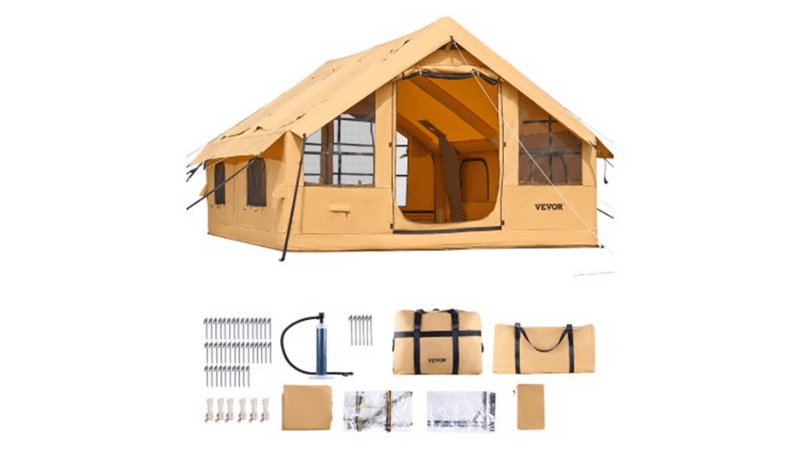
Looking for a reliable inflatable tent? VEVOR is your go-to choice! With unbeatable features, these tents make your camping experience simple, comfortable, and stress-free. Whether you’re a first-time camper or a seasoned adventurer, VEVOR blow-up tents are designed to impress.
Why Choose VEVOR?
- Quick Setup: VEVOR tents inflate in minutes with just a pump—no poles or complicated steps. Spend less time setting up and more time enjoying the great outdoors!
- Tough and durable: Built to handle rain, wind, and rough terrain. The air beams bend under pressure but won’t break, unlike traditional poles. Stay secure and safe no matter what nature throws your way.
- Spacious Comfort: With roomy interiors and separate sections, you’ll feel right at home. Whether it’s resting or storing gear, you’ll have all the space you need. Some models even include privacy areas for extra comfort.
- Ventilation System: Say goodbye to stuffy tents! Choose VEVOR models with built-in ventilation systems that keep the air fresh and prevent moisture buildup.
VEVOR inflatable camping tents are made for modern campers. They set up quickly, are durable in any weather, and offer plenty of space. Whether you’re glamping or hiking, the right tent improves every trip!
Wrap Up
Inflatable tents can help you have a better time camping. Setting them up is easy, they hold up for years, and they have plenty of room for comfort. You can expect your VEVOR tent to be easy to blow up, strong against the weather, and big enough for all your stuff.
Although inflatable tents for camping are more expensive than regular tents, the ease of setting them up and their dependability are good reasons to pay more. With the help of inflatable tents, camping, exploring with family, or glamping is simple and fun. Make a good choice that matches your needs, and have a great next adventure!
FAQ
Should my inflatable tent get a hole, what should I do?
Don’t worry! Most inflatable tents are supplied with repair kits. Identify where the hole is, clear any debris around it, and add the patch. Before you know it, you’ll be back at camping again!
Is it possible to use an electric pump as long as I’m camping away from any grid?
It is possible. Some products come with pumps that need batteries, and others can be pumped by hand. Always have a spare pump with you in case something unexpected happens. Keeping a rechargeable pump is helpful when you want to go camping without electricity.
Can I use inflatable tents when the wind is strong?
Absolutely! Air beams move with the wind rather than cracking or snapping like poles. Put in stakes and guy lines to make your tent stronger. Bear in mind to check if it is going to be sunny or if rain is expected.