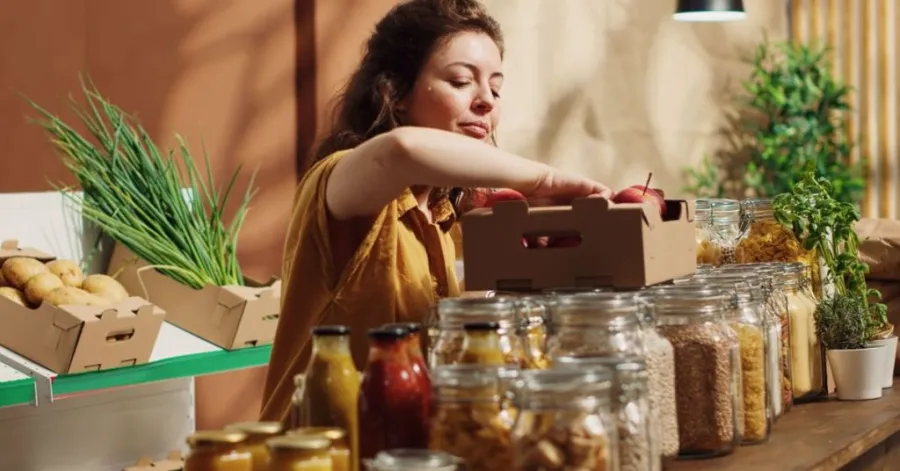
You come out of the store with bags of groceries and are happy that you saved money. Purchasing in large quantities is a good decision; however, storage is important. You may wonder, I buy groceries in bulk. How do I store them safely? You want your food to stay fresh and free from pests. You also do not want to be spoiled and wasted away. The good news is that safe storage is easy when you follow several easy steps. You can make your food fresh, clean, and even ready to use at any time with the appropriate techniques and tools, like a vacuum sealer. This tutorial will assist you in storing all in the right manner.
General Rules for Storing Bulk Groceries Safely
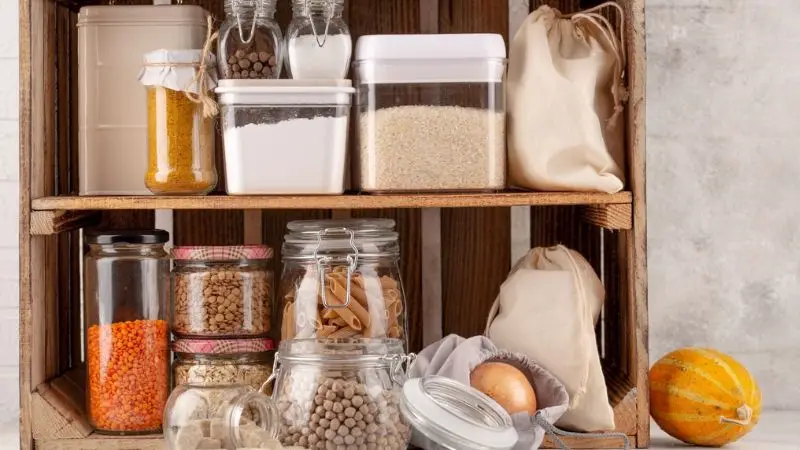
Organization is as important as quantity when you begin to purchase food in large quantities. An adequate system saves money, prevents damage, and wastage of your food.
If you’ve ever wondered, I buy groceries in bulk. How shall I keep them safe, and the answer is in the following of a few simple but effective principles. These fundamentals will show you what to do to store bulk groceries in the house without worrying.
Keep It Cool, Dry, and Dark
Humidity, temperature, and light are also significant factors in food preservation. A cool, dry, and dark area will keep your groceries fresh longer. Food can also be lost in terms of nutrients, flavor, and shelf life at a very rapid rate compared to its usual rate when it is subjected to heat or sunlight.
To train on how to keep large volumes of food, it is best to use such places as a pantry, cupboard, or basement where temperatures do not vary. It should not be kept close to ovens or windows where the temperature and light can change. Also, moisture may cause mold and spoilage, so it can be aided by adequate airflow or the use of a dehumidifier. It is a basic practice that must be adopted to preserve groceries so that they do not go bad and that you have time to use your stock up in months.
Use Airtight Containers
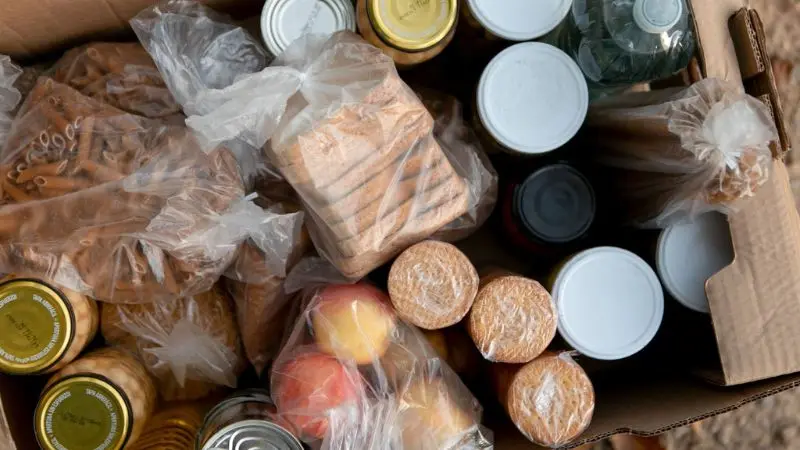
One of the best tips for storing bulk groceries is to use the right containers. Airtight containers keep food out of the air, moisture, and pests, which are the primary culprits in the spoilage of stored food. Even dry goods can easily spoil in the absence of proper sealing.
To store bulk foods, please use glass jars, BPA-free plastics, or sealed buckets that hold bulk foods. Containers must be clean and dry to the end before they are filled. For extra protection, you can use a vacuum sealer for grains, beans, and pasta. This removes air and helps food last much longer. This method has a large role to play in the way of preserving bulk groceries and decreasing wastage while preserving quality over time.
@tada.greenhouse VEVOR Vacuum sealer 95 Kia powerful dual pump dual sealer moist or dry food storage #tiktokshoprestock #falldecor #vaccumsealer #foodstorage #savemoney
♬ original sound – TaDa Greenhouse
Label Everything Clearly
Labeling is a little effort that has a significant impact on the management of your pantry. When storing large amounts of food, it’s easy to forget purchase dates or even the contents of a container. Grabbing labels would ensure you are organized and avoid wasting.
Label the name and date of storage of the product on every container with a marker or a sticker. This is a basic system that enables rotation, whereby you use the old ones first. It is among the cleverest bulk food storage concepts as it enhances productivity and minimizes misunderstandings. Regular labeling also makes it a lot easier to store the groceries to ensure that they do not spoil, particularly when dealing with a busy household pantry.
Avoid Cross-Contamination
The storage of bulk groceries should always be considered in terms of food safety. Cross-contamination may bring dangerous bacteria on board and decrease the quality of your stored food. It is necessary to store food of various kinds separately to ensure cleanliness and freshness.
Keep raw products such as meat, poultry, and seafood apart from dry products like grains and flour. Keep your hands and tools apart and use distinct containers marked as well as clean your hands and tools between working with different foods. These are some of the habits important to storing bulk groceries at home and making them safe in the long term. By keeping it clean and separated, you contribute to the way of storing bulk groceries and organizing a safe and reliable system.
Storing Dry Foods in Bulk (Rice, Flour, Beans, Pasta)
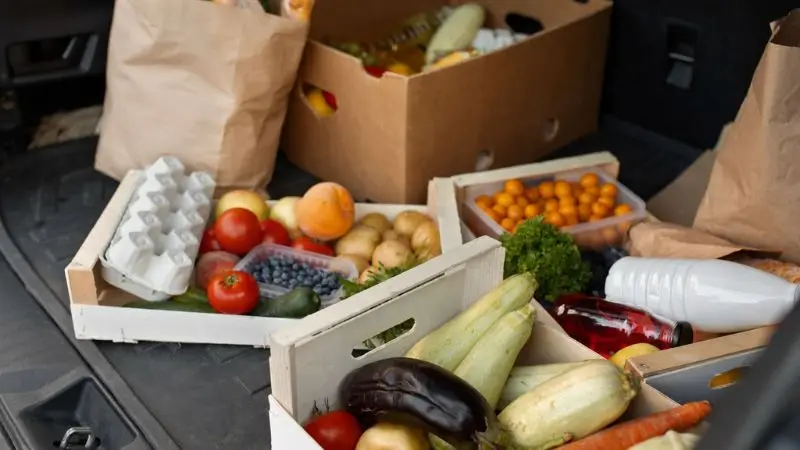
Proper storage of dry foods will save you money and prevent wastage. When buying in large amounts, you require easy ways to preserve everything fresh and safe. This part describes the best method of storing large amounts of food in an understandable and clear manner. It also assists you in knowing how to keep bulk groceries fresh longer.
I stock up on groceries. Why do you ask? Where do I keep them? This is a guide that will help you. When you take the right measures, it is easy and stress-free to store groceries to prevent spoilage.
Choose the Right Containers for Dry Foods
The use of the right containers is essential in storing bulk groceries safely at home. Good containers keep your food safe from the air, water, and insects. Food may lose freshness rapidly if air gets in. This is the reason why airtight and food-safe containers are the best option.
Flour and beans are excellent in glass jars with tight lids. Large storage bins are suitable for large storage needs. Rice and grains are the best in food-grade buckets. Mylar bags with oxygen absorbers can also be used to store something long-term. These alternatives assist in making your food last longer.
Never use containers without washing and drying them. This is an easy measure to avoid mold. These are just a few simple and convenient bulk food storage tips that can help in your kitchen.
Keep Insects and Moisture Away
One of the concerns when storing bulk groceries is protecting your food from bugs and moisture. A small amount of moisture can spoil your food. Big quantities can also be spoiled by insects unless you take care.
Airtight containers will ensure your food is safe and that pests are blocked. Another thing you can do is to put bay leaves in rice or flour to prevent insects. This is a natural and easy way. Ensure that your storage place is dry. Use a dehumidifier to control moisture in case of necessity.
Keep a check on your containers. In case of bugs or molds, transfer the food to a clean container immediately. Do not keep food on the floor, as well. Shelves are to preserve it. These are some measures that will aid in storing groceries to avoid spoilage and preserve your food.
Know How Long Dry Foods Last
The shelf life is significant to learn how to keep bulk groceries fresh. Various dry foods have varying longevity. When properly stored, white rice may last several years. Brown rice has a lower life cycle since it is made up of natural oils.
Flour and pasta normally take several months to one year to remain fresh. When properly stored, dried beans can last for many years. Store your food in a dark, dry, and cool environment to preserve it.
Label your containers with dates. Consume what is old to prevent wastage. The habit simplifies storage and makes it organized. By using these steps, storing bulk groceries safely at home will be easy and effective.
How to Store Fresh Fruits and Vegetables in Bulk
To be fresh longer, fresh fruits and vegetables require proper care. It is even more critical to store them when you are purchasing them in high quantities. This part will make you realize the best way of storing huge amounts of food as far as it is concerned with fresh produce. It will also help you know how to maintain bulk groceries fresh without wastage.
I shop for groceries in huge numbers, in case you think a lot. Where do I keep them so they are safe? These little ways will simplify your day-to-day life. Storing groceries to keep your food healthy is also achieved by proper storage.
Store Some Items in the Fridge and Some Outside
Fruits and vegetables should not be stored similarly. Certain ones are stored in the fridge, and others are stored at room temperature. It is important to know this difference so that you can know how to store bulk groceries safely at home. They may go bad sooner and lose their taste when you store them improperly.
Store products such as apples, berries, carrots, and greens in the refrigerator. These foods require a cool environment in order to remain fresh. Conversely, potatoes, onions, garlic, and bananas are to be kept outside the fridge. They are best kept in a cool and dry place. For extra freshness in bulk storage, you can also use a vacuum sealer for packed or cut produce to slow down spoilage and extend shelf life.
In addition, store fruits and vegetables separately. Certain fruits exude a gas that is able to spoil vegetables more quickly. This is among the most helpful tips for storing bulk groceries and makes your food last longer.
Simple Ways to Keep Produce Fresh Longer
It does not have to be difficult to keep your fruits and vegetables fresh. In How to Keep Bulk Groceries Fresh, little habits can go a long way. Washing produce before eating is one of the measures. Before storing, additional moisture may lead to mold; you should wash it.
Paper towels can be used in the drawers of fridges to absorb the additional moisture. This assists in maintaining the dryness of the environment. The produce should be checked every few days. Eliminate soft or spoiled objects as soon as possible so that they do not influence others.
You also have basic bulk food storage ideas that you can utilize at home. For the freshness of herbs, put them in a glass of water like flowers. To keep leafy greens moist, wrap them in a wet towel. Store berries in a single layer in order to avoid crushing. These convenient tips will help store groceries to keep them fresh.
Freeze Extra Produce for Later Use
Freezing is a clever alternative when you have an abundance of fruits and vegetables that you can consume. It is among the best ways to store high amounts of food, and no food goes to waste. Freezing helps you save money and keeps your kitchen well-stocked.
Begin by washing and chopping your food into little bits. The majority of vegetables need to be boiled for a few minutes and cooled in ice water, followed by freezing. This is done to preserve their color and taste. Before putting it in freezer bags or containers, make sure it is dry.
Write the date on the labels of the bags so that you can use the old ones first. Freezing is an excellent way to store bulk groceries safely at home, and it is easier to prepare meals. It will also assist you to savor your preferred foods at any time and do so with clever bulk food storage concepts.
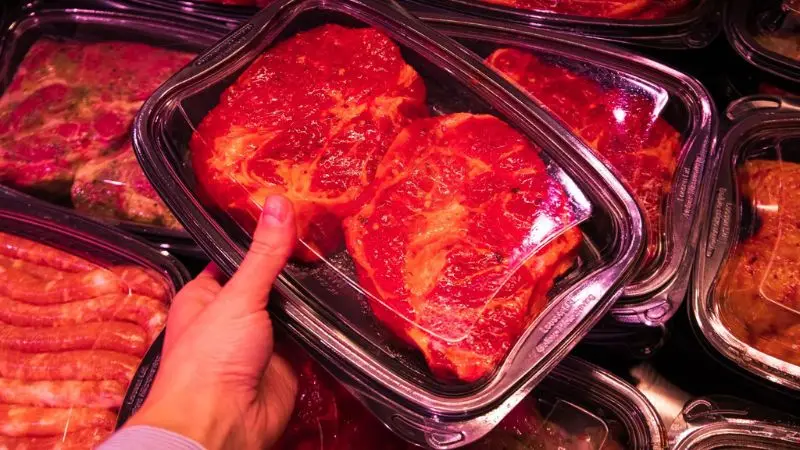
How to Store Meat, Chicken, and Fish in Bulk
Extra attention is required in storing meat, poultry, and seafood in large quantities. These foods are easily spoiled when not taken care of properly. This part describes the most effective method of storing huge amounts of food, such as meat, in order to keep it safe and to keep it fresh. It also makes you know how to make bulk groceries last without putting your health at risk.
I purchase groceries in large quantities, in case you frequently inquire. These few steps will show you how to keep them safe. Storing groceries is very important in order to avoid spoilage and prevent waste.
Freeze Food in Small Portions
One of the simplest methods of how to store bulk groceries safely at home is regarding meat and seafood; freezing is one of the simplest methods. Big packs must be portioned into smaller sizes. This will allow you to use only what you require and leave the rest safe.
Place each portion in a wrap of plastic or freezer paper. Then, put them into freezer bags or airtight containers. Attempt to eliminate all the air prior to sealing. The more air that is removed, the more protection and the longer the freshness.
Always date and specify the food type and date on each pack. This will assist you in managing your storage. Packing the packs lying in the freezer also conserves space, in addition to helping the food to freeze more quickly. They are easy to implement, but handy bulk food storage tips to use daily.
Keep Air Away to Stop Freezer Burn
Freezer burn may ruin the flavor and texture of your food. It occurs when air is exposed to frozen objects. This is an aspect that is significant to prevent in tips for storing bulk groceries.
In case you have a vacuum sealer, it is very effective to eliminate air. Otherwise, you may wrap your food in plastic wrap and foil twice. This provides additional security. Also, keep your freezer as cool as possible.
Do not overload your freezer. Air must circulate to ensure that everything is frozen evenly. Test your food after every couple of weeks. In case you observe ice crystals or dry spots, it could be an indicator of freezer burn. These are some of the steps that can assist in storing groceries so that they do not spoil, and your food remains in good condition.
Thaw Food Safely Before Cooking
It is also as important to thaw food properly as it is to store it. How to keep bulk groceries fresh and avoid health risks includes safe thawing. Always avoid keeping meat, chicken, or fish on the kitchen counter to thaw. This may result in bacterial growth.
The best way to do it is to leave food in the fridge overnight. Another thing you can do is to use the defrost option in a microwave in case you are in a hurry. The other technique is to put the sealed food in cold water and replace the water every 30 minutes.
It is important to cook thawed food immediately. Do not refreeze raw meat after it has thawed. These are the most basic ones that are important to know how to store bulk groceries safely at home, and keep your meals safe and fresh.
Wrap Up
Keeping food in large quantities becomes simplified under the procedures of simple and safe storage measures. Dry goods, fresh goods, and frozen goods require appropriate attention. Storing goods in the appropriate containers, ensuring that the food remains dry, and keeping the food at the correct temperature can all aid in keeping bulk groceries fresh. Simple things such as labeling and inspecting your food are significant. If you often wonder, I buy groceries in bulk. How do I store them safely? The answer is simple—stay organized and follow basic storage rules. By doing so, you will save some money, waste less, and have fresh food on a daily basis.
FAQ
What do I do to know whether my bulk food has spoiled?
Look for unusual odors, color changes, or mold. In case of bugs or moisture in the container, discard the food. Trust your senses. In doubt, garbage it!
Am I able to use bulk storage containers?
Yes, you may reuse containers. Rinse them prior to refilling. Ensure that they are food safe and have tight lids. Containers are kept clean to keep your food fresh.
How can I act in case of bugs in my dry goods?
Get rid of the contaminated food immediately. Wash the container with hot, soapy water. Wipe it thoroughly and reuse. Keep dry goods in containers to keep pests at bay.
Can food be frozen in the original packet?
Sometimes, yes. Freezer bags or airtight containers are the most effective. Original packaging may allow air to enter and lead to freezer burn. Wrap meat or seafood twice to provide additional protection.