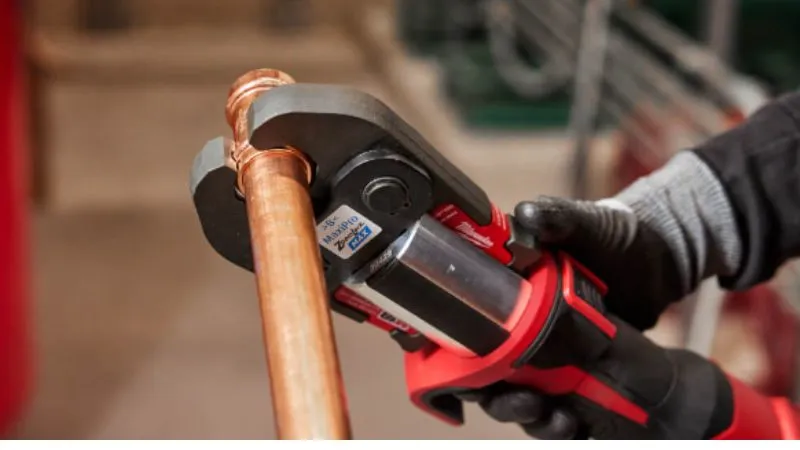
The HVAC press tool is used to crimp press fittings onto refrigerant lines without heat or open flame, creating a solid, lasting connection. For this job, you will need a press tool, press fittings, a tube cutter, a deburring tool, a marker, lubrication, safety glasses, and gloves. It’s a fast, no-flame process that gives you the same result every time. This leak-proof seal simplifies and speeds up the HVAC installation. This process is safe in crowded areas, unlike brazing, and press-fitting devices provide reliable connections. Follow this step-by-step guide to build a leak-free connection every time. Skill is the key to success, and you should practice on scrap pieces to build confidence before you take on big jobs.
In this article, we’ll explore how to utilize a press tool to make tight, leak-free connections on refrigerant lines. You will learn about the equipment and materials you will need, how to prepare the tubing, how to place the press fitting, and how to perform the pressing procedure safely.
Table of Contents
What You Need Before Using an HVAC Press Tool
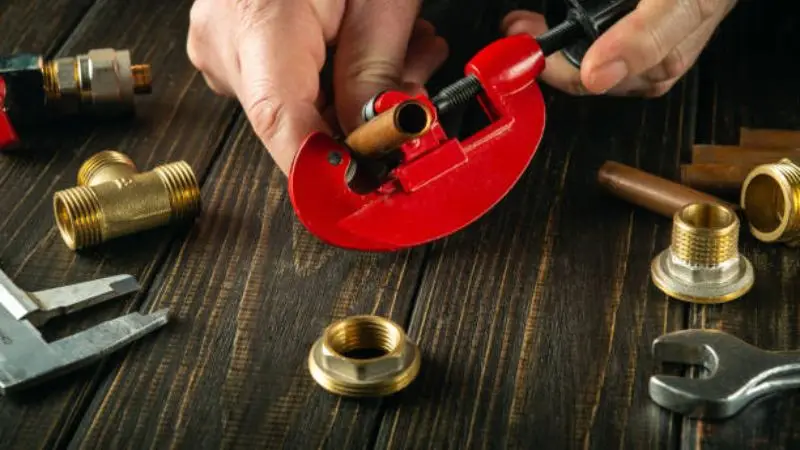
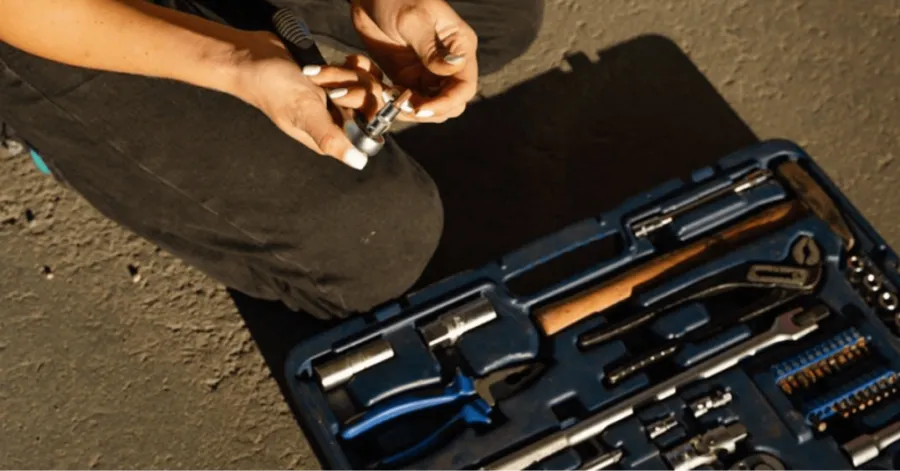
What is a press fitting tool for HVAC? Get all the equipment you need ready before connecting to keep the installation seamless and organized. For a compatible press-fitting application, you may require a press tool, appropriate press jaws, permitted refrigerant line fittings, a copper tube cutter, a deburring tool, emery cloth, a marker, approved lubricant, safety glasses, gloves, leak-testing equipment, and a depth-marking tool. For it to be reliable, the connection must be compatible. Not all press tools and fittings are intended for use with refrigerant systems. Before commencing the installation process, always confirm that the manufacturer permits the use of the tool, jaws, fittings, tubing, and refrigerant together.
Recommended For Your Project
Choosing the Right HVAC Press Tool
@diesel_2124 Replying to @Houdini9262 VEVOR Hydraulic Hose Crimper @vevor.official #vevor #toolstoday #toolsofthetrade #hvac #tools #ToolTok #vevorbuildit
♬ original sound - diesel_2124
Selecting Compatible Refrigerant Line Fittings
How to use an HVAC press tool? Press fittings as needed. Refrigerator line press fittings require particular tubing, pressures, temperatures,s and refrigerants. No HVAC or refrigeration press fittings. Install HVAC-authorised items. Fitting makers provide tubular materials, diameters, pressures, temperatures, and refrigerants. Fittings should fit tubes. Seat and pressure could change with fit questions. Pre-installation fit test:t Clean and check O-rings and gaskets. Discard fittings with defective, warped, contaminated, or missing seals. Install fittings. O-rings are damaged by dust on the seals or during insertion. Don’t combine parts, even if they look alike. Full-press systems need matching fittings, tubing, jaw profile, and tool.
How to Prepare the Copper Tube
One of the most critical phases of the pressing process is proper preparation. Not even the best press tool will fix a tube that’s unclean, broken, or improperly cut.
Step 1: Make Sure the System Is Safe
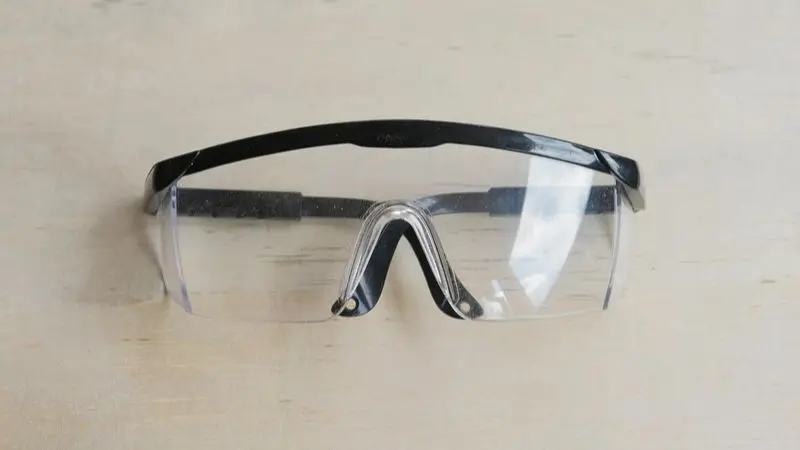
How does an HVAC press tool work? If a refrigerant line is cut or altered, the system must be properly prepped for service. Refrigerant handling shall be in accordance with applicable rules and manufacturer’s instructions. Never cut into a pressurized refrigerant line. Before starting work, the system shall be disconnected, recovered, and made safe in accordance with the relevant service procedure. Use appropriate personal protective equipment, such as safety glasses and gloves. Refrigerant and pressurized system components may be hazardous if not handled properly.
Step 2: Cut the Copper Tube
How to press HVAC fittings? Use a good tube cutter and make a clean, square cut. Do not compress or deform the tubing when cutting. If the end of the tube is bent or twisted, the fitting may not seat properly, making insertion difficult. Don’t push too hard at once. Turn the cutter slowly. Cut the tube end and check. It shall be spherical and free from apparent distortion.
Step 3: Deburr the Tube
What is an HVAC press tool? When you cut copper tubing, you can leave sharp burrs on the interior and outside edges. Deburr them appropriately with an appropriate deburring tool. The presence of internal burrs may restrict the tube’s internal diameter and cause turbulence. External burrs can interfere with the fitting’s insertion and damage its seal element. Rotate the deburring tool around the tube until the sharp edges are gone. Do not cut away too much material or taper the end of the tube.
Step 4: Clean the Tube
Which press tool is best for HVAC? The tube surface must be clean before installing the fitting. Clean the surface using an appropriate cleaning procedure to remove dirt, oxidation, oil, and other pollution. This makes it easier for the fitting to seat properly and reduces the chance of contamination compromising the seal. Do not use agents or chemicals that may damage the sealing elements of the tube or fitting. Clean the tube and look at it again. Check for any scrapes, dents, deep rust, or other damage. If the tube is substantially damaged, do not try to push a fitting over a problematic section.
Step 5: Mark the Insertion Depth
How to use an HVAC press tool? With many press-fit systems, you need to push the tube into the fitting to a specified depth. Follow the manufacturer’s recommended method for marking or measuring. Draw a clear line on the tube at the depth indicated. Insert the tube into the fitting to the required depth. The mark is a simple visible indication. Insert such that the mark is in the right position relative to the fitting. If the tube does not reach the required depth, do not force the fitting prematurely; instead, pull the tube out and identify the cause.
Step 6: Insert the Tube Into the Fitting
What is a press fitting tool for HVAC? Insert the prepared copper tube directly into the fitting. Don’t try to force it to an angle. If the tube does not slide in smoothly, stop and check both parts. Look for a burr, debris, distortion in the tube, or a fitting that is not the correct size. Never apply undue force only to get the tube to fit. After the tube has been inserted to the depth suggested by the manufacturer, pressing must be done.
Step 7: Position the Press Jaws
Choose the suitable jaw for the fitting system and the tubing size. Set the jaws per the manufacturer’s directions. The jaws should be positioned correctly on the fitting. If the jaw is out of place, the pressure will be wrong. Ensure the tool is steady and that your hands and fingers are not obstructing moving parts. When operating in confined areas, position yourself to maintain control of the tool throughout the whole pressing cycle.
Step 8: Complete the Pressing Cycle
How to use a press tool for HVAC fittings? Follow the operating instructions to turn on the press tool. The jaws bite into the fitting, applying the required force. If the tool has an automatic pressing cycle, allow it to complete the cycle as specified. Do not interrupt the operation unless the manufacturer’s instructions indicate that it should be done. Use a hand tool and apply smooth, controlled pressure throughout the whole pressing process. Don’t try to improvise the sequence of pressing or use more force to make the tool do the job it’s not intended to do. The fitting and tool are designed to be used together with a defined pressing force and jaw profile.
Step 9: Inspect the Connection
Which press tool is best for HVAC? Check the fitting for manufacturer conformance following the press cycle. Make sure the fitting is in the appropriate place, and the tube is pushed in far enough. Ensure the press mark is for the correct system. Check for visual damage, cracks, distortion, or movement of the tube. In some press-fit systems, visual indicators or inspection techniques are available. Instead of looking, check manufacturer suggestions. Before leak testing, the connection must be properly pushed in, and all inspection criteria must be met.
Step 10: Leak Testing and Final Inspection
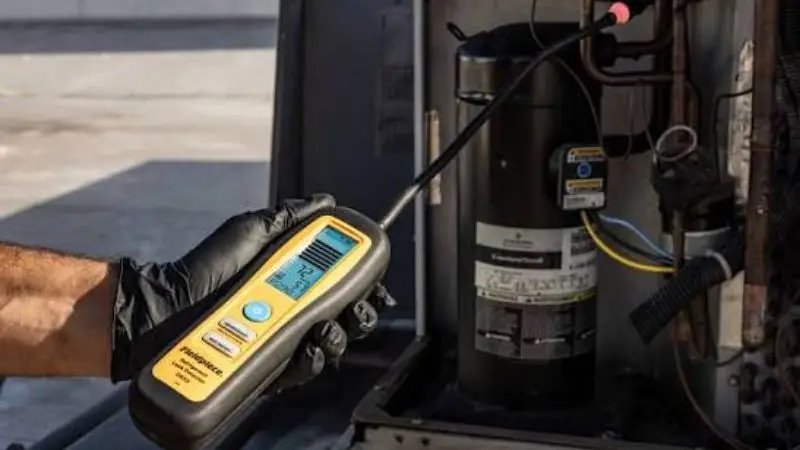
The press cycle is complete, but the assignment is not. How does an HVAC press tool work? Test refrigerant systems before resumption. Follow the manufacturer’s instructions for leak testing the equipment and fittings. Depending on the system and the rules, pressure testing with an approved test gas and leak-detection equipment may be necessary. Pressure tests should be performed in an oxygen-free environment and free of other toxic gases. Test only using the system-stated pressure and method. Check all new connections, not just the low-hanging fruit. A systematic check finds errors before system reboot. If a connection fails the manufacturer’s inspection or leak test, do not tighten it until told to do so. Many systems will need damaged or badly pressed fittings replaced.
Why Use an HVAC Press Tool?
Press-fitting systems can deliver a range of practical benefits when employed in authorized heating, ventilation, and air conditioning applications.
No Open Flame
Which press tool is best for HVAC? One of the key advantages of press fittings is that they do not require an open flame to join. This can work well if torch brazing would pose too great a fire hazard or require extreme fire precautions. However, the absence of an open flame does not mean the work is safe. Techs still need to follow the appropriate protocols and utilize the appropriate personal safety equipment.
Faster Installation
Pressing can reduce the time required to form compatible connections compared with certain standard joining techniques. No torch or hot enough brazing operation is necessary. This could prove especially useful when several fittings are to be fitted within the scope of a repair or installation activity.
Convenient in Confined Areas
How to press HVAC fittings? HVAC work is often performed around walls, ceilings, equipment, and other impediments. Some connections are easier to complete in situations where using a torch with a proper press tool would be awkward. The instrument’s size and jaw configuration remain significant. Always allow adequate space to fit the tool properly and complete the pressing cycle safely.
Consistent Pressing
The fitting is subjected to a controlled mechanical force using a press tool, which must be properly selected and maintained. This can give more consistent outcomes than relying on manual force alone. Again, consistency still depends on adequate tube preparation, fit compatibility, accurate jaw selection, and precise adherence to the manufacturer’s pressing procedure.
Is an HVAC Press Tool Right for Your Project?
What is an HVAC press tool? Press tools for press-fit systems help HVAC techs. They can speed up installation and enable some connections for approved applications compared with flame-based joining. The tool is part of the system. Installation includes fittings, tubing, prep, jaw profile, and inspection. Choose your tube sizes and fittings before you buy a press tool. Modify the tool to fit your needs. Consider the instrument’s squeezing power, jaw options, weight, battery life, and manufacturer support. Price, we don’t care. A cheap tool that doesn’t fit your fittings can cause poor connections, waste, and downtime.
Conclusion
HVAC press tools use regulated mechanical pressure to make refrigerant line hookups easier, not an open flame. With the right equipment and technique, you can speed up installation, make tight spaces easier to work in, and ensure even pressing. Needs to be ready for a dependable connection. Start with a nicely segregated system. Clean tube cut, deburr, clean tubing, check insertion depth, choose correct fitting and jaw. Verify the connection after the manufacturer-recommended press cycle. Leak & pressure test before HVAC starts. Press fitting systems are not interchangeable. Check that the tool and fitting manufacturer are compatible. HVAC press tools can be used for refrigerant lines if you have the correct equipment, preparation, and installation.
FAQ
Can I reuse a press fitting after crimping?
No. Once you press a fitting, the metal deforms permanently. The O-ring compresses into place. You cannot remove or reuse it. Cut out the pressed joint and start fresh with a new fitting. This rule applies to all press fittings across every brand.
What happens if I press the fitting twice?
Pressing twice over-crimps the joint. The extra force can damage the O-ring or deform the tubing. This creates a weak seal that may leak. If you accidentally press a joint twice, cut it out and install a new fitting. Do not test it.
How do I know the joint is pressed correctly?
Most HVAC press tools have a visual indicator. The jaws close fully and lock. You hear a click or see a pin extend. Some tools show a green light. If you see any gaps or hear any unusual sounds, stop. Check the tool and fitting before you continue.