Want to know how to winterize a swimming pool the easy way? You’re in the right place! Winterizing your pool protects it from freezing damage and saves you time and money when spring rolls around. It’s not hard—you just need to follow the right steps.
Begin by removing all accessories and thoroughly cleaning the pool. Then balance the water, shock it, and lower the water level. Drain your pool equipment, blow out the lines, and add winter chemicals. Finally, cover the pool tightly. Of course, you can also use an electric pool heat pump, which easily heats or cools the water to keep it at your ideal temperature.
Ready to learn how? This guide has everything you need to keep your pool safe this winter.
When to Winterize Your Pool
Winterizing your pool at the right time can save you trouble in spring. Choosing the proper moment helps avoid algae growth, freezing damage, and unnecessary maintenance. Let’s break down the timing and what you should think about before you begin.
Best Timing
You might wonder when to winterize an above-ground pool or an inground one. The best time is when the water temperature drops below 65°F. At this point, algae and bacteria growth slow down, making it safer to close your pool. However, don’t close it too early—warm water can still grow algae even if you’ve added winter chemicals. On the other hand, waiting too long can risk freezing damage to your pipes and equipment.
Here’s how to tell it’s time:
- Use a pool thermometer to check the water each morning.
- Keep an eye on the weather forecast for a string of cool nights.
- Watch for falling leaves—once trees start shedding, it’s usually time to get ready.
Every pool is different. You should think about a few things before you start the winterizing process.
- Climate: Pools in northern states need winterizing earlier than pools in the south. If you get snow or freezing temperatures, act sooner.
- Pool Type: In-ground and above-ground pools may have different needs. Above-ground pools can freeze faster.
- Surroundings: Lots of trees nearby? Falling leaves and debris can make your pool dirty fast. You might want to close your pool as soon as leaves start falling.
- Pool Usage: Do you like to swim late into the fall? You can wait a bit longer, but keep an eye on the weather.
If you have a saltwater pool, follow the same timing. Saltwater pools also need protection from cold weather.
Winterization Checklist
Once you know how to winterize an above-ground pool or an in-ground pool, the next step is getting your checklist in order. This section helps you stay on track. A clear list of supplies and tools keeps your pool protected all winter and ensures a smooth reopening when spring comes around.
Supplies You’ll Need to Start
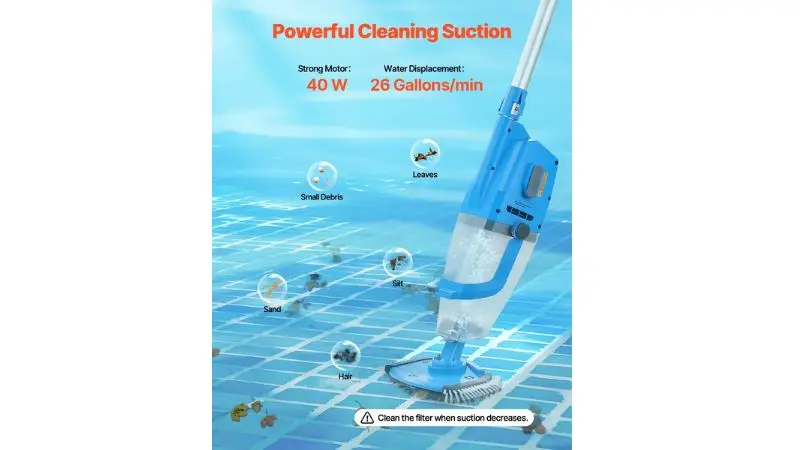
Before following any step-by-step pool winterization guide, gather all your supplies in one place. This helps you move through the process without delays. Grab a pool brush and a vacuum to clean surfaces, a skimmer net for floating debris, and a water test kit to balance the water.
You’ll also need pool shock, algaecide, chlorine tablets, and pH adjusters. Don’t forget a winter pool cover, air pillows for above-ground pools, and pool plugs or gizmos. If you’re winterizing an in-ground pool, keep pool antifreeze and a hose nearby. With these items on hand, you’re ready to begin the full winterizing process.
Tools and Chemicals That Protect Your Pool
You’ll need a few tools and chemicals to prevent damage and keep water safe. A pool brush and vacuum remove dirt and algae. Use test strips to check the balance before you add anything. Shock and algaecide treat the water. pH increasers or reducers help maintain ideal levels.
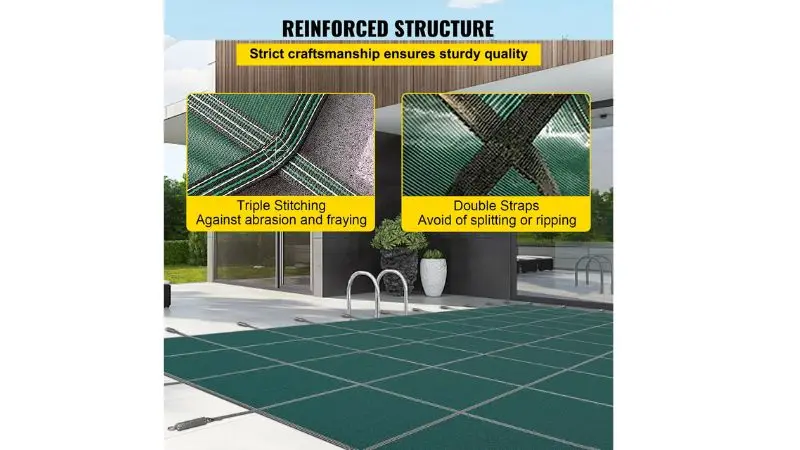
Use a strong winter pool cover to block sunlight and debris. If you’re handling how to winterize an inground pool, antifreeze helps protect underground pipes. Above-ground pool owners should use air pillows and skimmer plugs. Having the right materials ensures your pool stays damage-free all winter.
How to Winterize a Swimming Pool
Once the temperature starts to drop, it’s time to protect your pool from damage. Whether you’re learning how to winterize an above-ground pool or preparing an in-ground one, the steps are similar. Follow each stage carefully to avoid costly repairs and make spring reopening a breeze.
Step 1: Remove Accessories
Start by taking out everything that doesn’t belong in the pool over winter. This includes ladders, diving boards, toys, skimmer baskets, and solar covers. Rinse them off with clean water to remove any dirt or chemicals, then store them in a dry place.
If you’re dealing with how to winterize an inground pool, don’t forget to remove hidden items like lights or handrails. For above-ground pools, also detach any steps or rails. Keeping the area clear helps protect your equipment and gives you room to clean and prep the pool properly.
Step 2: Deep Clean the Pool
Cleaning your pool is one of the most important steps. Use a pool brush to scrub the sides and floor, paying close attention to corners and steps. Vacuum the pool to pick up dirt, leaves, and bugs. Skim the surface to remove any floating debris.
Once the pool is clean, move on to cleaning the filter according to the manufacturer’s instructions. A clean pool helps your winter chemicals work better and prevents algae buildup. If you’re following a step-by-step pool winterization guide, make sure you don’t skip this part.
Step 3: Balance Water Chemistry
Testing and adjusting water chemistry is key to avoiding staining and scale. Use test strips or a kit to measure pH, alkalinity, and calcium hardness. Adjust each level until it falls within the safe range. Add chlorine tablets or granules as needed. This helps prevent algae and protects the pool surface and equipment.
If you have a saltwater pool, the same balance applies. When done right, this step prepares your water for winter and is an essential part of learning how to winterize an inground pool or above-ground pool.
Step 4: Shock the Pool
Shocking your pool means adding a heavy dose of chlorine to kill bacteria and clear the water. Use a quality pool shock and follow the directions closely. Pour the chemical around the edges of the pool while the pump is running.
Let the pump run for at least eight hours to circulate the water. Shock ensures that your pool stays clean and free of contaminants over the winter. Whether you’re working on a saltwater or chlorine system, this step is vital in any step-by-step pool winterization guide.
Step 5: Lower the Water Level
Draining some water keeps your pool safe from freezing and overflow. For in-ground pools, lower the water to 4–6 inches below the skimmer. For above-ground pools, go just below the skimmer opening. Never drain your pool completely—water supports the walls and liner.
Use a submersible pump or drain setting on your pool filter. Watch carefully as the water lowers to make sure you don’t go too far. Lowering the water level helps reduce ice pressure and is key for those learning how to winterize an above-ground pool.
Step 6: Draining Pumps and Filters
Once the water is lowered, it’s time to drain your pool equipment. Turn off the pump and filter. Remove drain plugs from all major parts, including the pump, heater, filter, and chlorinator. Let the water drain out completely to prevent freezing.
Store the plugs inside the pump basket so you don’t lose them. Disconnect hoses from above-ground pools and let them dry before storage. Draining equipment properly protects your system and is especially important when preparing for cold weather.
Step 7: Blow Out the Lines
This step matters most for in-ground pools. Use a shop vac or an air compressor to push air through your plumbing lines. Start with the skimmer line, then do the return lines. Once bubbles appear in the pool, plug the line with a winter plug to seal it.
This prevents water from sitting in pipes and freezing. If you’re not sure how to do this step, consider asking a professional. For above-ground pools, just disconnect and drain the hoses—blowing out the lines isn’t required.
Step 8: Add Winter Chemicals
Now it’s time to protect the water itself. Use a combination of winter algaecide, stain and scale preventer, and either a chlorine floater or winterizing pill. Add the chemicals evenly around the pool, and follow the label instructions for proper use.
These treatments help keep your pool water clear, reduce algae growth, and stop mineral buildup. Both how to winterize an inground pool and an above-ground pool require these chemicals to prevent damage over the winter.
Step 9: Cover the Pool
Finally, cover the pool to keep out debris and sunlight. Use one of the best pool covers for winter to get a snug fit. For in-ground pools, secure the cover with water bags or anchors. For above-ground pools, use a strong cable and winch.
Add an air pillow under the cover if you have an above-ground pool to prevent ice damage and keep the cover centered. Regularly check the cover throughout winter to remove snow and debris and ensure it stays secure.
Winterize an In-Ground Pool: Tips & Mistakes
Even if you follow a step-by-step pool winterization guide, in-ground pools need special attention. Compared to above-ground ones, they involve extra protection for pipes and equipment. Let’s look at the key differences, common mistakes, and how to handle winter issues that may still arise.
In-Ground vs. Above-Ground
If you’re learning how to winterize an inground pool, know that it takes more effort than closing an above-ground one. You’ll need to blow out the plumbing lines using a shop vac or air compressor, then pour pool antifreeze into the lines. These steps protect buried pipes from freezing.
In above-ground pools, you just disconnect and drain the hoses. Also, choose one of the best pool covers for winter made specifically for in-ground pools. It fits securely, blocks debris, and helps your pool stay clean and protected until spring arrives.
Winterizing Mistakes to Avoid
Even with a good guide, there are some mistakes pool owners often make. If you forget to blow out the lines or don’t add enough antifreeze, you risk pipe damage. Leaving the water too high or too low can stress the pool walls.
Skipping water chemistry or using a poor-fitting cover can lead to algae and dirt problems. To properly winterize an inground pool, follow each step carefully. Avoiding these simple errors can save you big repairs and keep your pool healthy all winter long.
Common Issues and Fixes
Sometimes, issues still pop up. If you notice water pooling on the cover, pump it off right away. If your water is green in spring, give the pool a strong shock and clean it thoroughly. Frozen pipes? Call a pool pro for help.
A loose or shifting cover may need more anchors or tension. When following a step-by-step pool winterization guide, it’s also helpful to check your pool a few times during winter. That way, you can stop small problems before they get worse and protect your investment.
Wrap Up
Learning how to winterize a swimming pool results in a safe and clean pool throughout the cold period. No matter whether you have an above-ground or in-ground pool, every action, including taking down accessories as well as covering the pool, helps save your equipment and water. Respective chemistry, means of sealing, and the right equipment can prevent freeze damage and algae growth. Do not miss such measures as blowing out lines and choosing the best winter pool cover. Here is a guide that will make the spring opening simpler. A few efforts of winterizing pay off later in saved time, money, and hassles when the warmer season arrives again.Learning
FAQ
1. What is the frequency of inspection of your pool cover in winter?
When possible, inspect your pool cover every few weeks. Look at whether there are leaves, snow, or water at the top. Get rid of any heavy things. This puts your cover on loosely and assists with securing your pool.
2. After adding winter chemicals, is it possible to swim in your pool?
No, you are not supposed to swim after putting the winter chemicals. These are powerful chemicals that require time to work during spring when you put your pool to use again.
3. What happens when you forget to blow out an in-ground pool?
Water may freeze within the pipes if you forget to blow the lines. This can result in cracks or leaks. You may have to hire a pool professional to repair it.
4. Is there a necessity to drain the water from an above-ground pool?
You should not get rid of all the water. Leave some water in the pool as a backing for the walls. Simply lower the water below the skimmer and cover it.
5. Can a normal tarp be used to replace the pool cover?
An ordinary tarp is not as effective as a pool cover. The cover of pools fits better and endures. They also prevent more debris and sunlight.