Some key steps in puppy training include learning how to wash a puppy so they stay clean, healthy, and comfortable. Puppies simply have sensitive skin, and giving them the right bath without stressing or disturbing their skin is essential. If you know how to wash a puppy for the first time, you can have a safe and calm experience for your pet. Whether you are following step-by-step instructions on how to bathe a puppy at home or just starting out, using a proper bathtub with lukewarm water helps make the process more controlled, secure, and comfortable for both you and your puppy.
What Is the Right Age to Bathe a Puppy?
It is crucial to understand what time is the best time to bathe your puppy because it keeps your puppy comfortable and healthy! Young puppies are also sensitive to cold and have immature skin. Beginning electrowellness training at the appropriate age helps put your puppy in a positive environment for grooming and keeps the puppy secure.
There are a lot of questions beginners to puppy ownership ask, such as: can you bathe a puppy up to 2 months old, puppy baths, etc.? There are a lot of do’s and don’ts for the new puppy owner, such as how to bathe a puppy for the first time and whether you can bathe a puppy up to 2 months old. When you’re developing a grooming routine for your pet, it is essential to understand the recommended timing and when they should bathe.
When Can a Puppy Have Its First Bath?
Most vets agree that it is not advisable to give your puppy their first full bath until they are at least 8 weeks old. Puppies can cope better with getting wet and are better able to warm themselves up at this age. If a puppy is bathed too early, they can be stressed and chilled, particularly if not completely dried.
Use a damp washcloth to gently clean the affected area if your puppy gets dirty before eight weeks of age, rather than bathing. This is better for young puppies. If you are a pet owner who is wondering whether or not you can bathe a 2-month-old puppy, you will be glad to know that you can. You can! The first time you wash a puppy, it can be a relatively relaxed and pleasant event on which both you and your dog will hopefully build a strong positive association.
How Often Does a Puppy Need a Bath?
A frequent problem owners have is when to wash a puppy. Usually, puppies do not need to be bathed every week. Overbathing can strip the skin of its natural oils, causing dryness and irritation. Puppies should be bathed (or checked for soiling) approximately every month, or as needed, according to most veterinarians.
Puppy schedules can differ based on the breed, coat type, and routine of the puppy. Puppies may require bathing more often if they spend much time outdoors, compared to those who spend time indoors. If you need to bathe your puppy at home, make sure you always use a puppy-sensitive-skin shampoo and create a step-by-step plan for how you will do it. This will help keep your puppy clean and fresh and have a nice, healthy coat.
How Can You Tell When Your Puppy Needs a Bath?
Typically, your puppy will let you know if it is due for a bath. If your puppy’s paws look dirty, sticky, or muddy, or if there is a strong smell, it is a sign that they need to be cleaned. If there is dirt and oil on the skin, they may also be excreted in excessive quantities.
Regular bathing will remove debris, eliminate odors, and make your puppy feel comfortable. When you don’t know how to clean a puppy, the key words are warm water, handling, and puppy-friendly products. Some owners may find themselves in a situation where shampoo is not available and wish to learn how to lightly clean their puppy with warm water instead of shampoo. By paying attention to your puppy’s condition and using a bathtub for safe bathing, you can easily decide when a bath is needed and maintain a healthy grooming routine that supports their overall well-being.
What Should You Prepare Before Bathing Your Puppy?
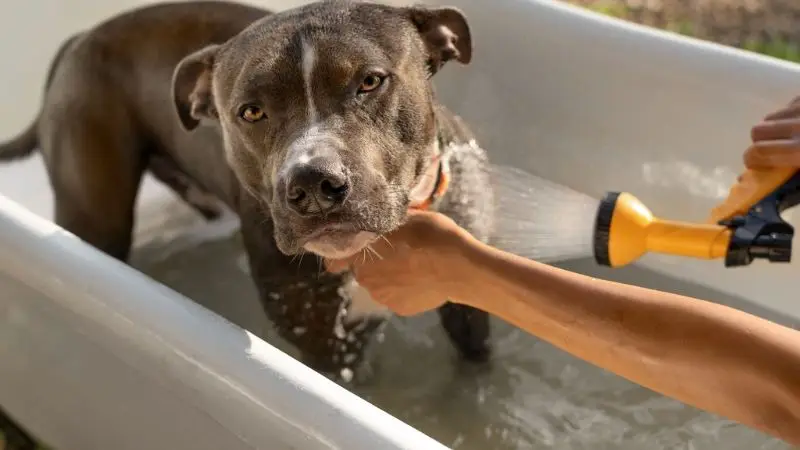
By preparing everything before bath time, it will go much more smoothly for you and your dog. With a bit of advance preparation, you can minimize distractions and keep your puppy relaxed during the procedure. When learning to bathe a puppy, or when trying to bathe a puppy for the first time, it’s crucial to have the necessary supplies on hand.
Choose a Safe Shampoo for Your Puppy
If you are taking care of your puppy, it’s essential to use the right shampoo to ensure the process is done correctly. Puppy Skin is sensitive; careless use of bad products can irritate the skin. For this reason, it is advisable to always go for a puppy-friendly shampoo. These formulas are suitable, safe, and designed for cleaning, not stripping the natural oils that form the barrier for your puppy’s skin and coat.
Read the label thoroughly when choosing products for little pups, and make sure the shampoo is appropriate for baby dogs. There are also puppy skin allergy-sensitive products. If you’re learning how to bathe a puppy at home, you will make the process a pleasant experience by using a puppy-safe shampoo.
Gather Towels and Grooming Supplies
When heading to the bath area, be sure to have everything within reach. When you are prepared, you can run a bath without any hassle, plus your puppy will be safe if you need to leave them out of the bath! The soft towel is a must-have item as it will absorb water and will keep your pooch warm following the wash. Some gentle brushing will help to loosen all that snarl and dirt before you wash them.
Having a cup or a handheld sprayer to flush your puppy thoroughly might also be helpful. These tools are useful for washing shampoos away without causing stress. These items are very convenient to have on hand when teaching a puppy to wash. Drying a puppy after a bath is equally important for keeping your puppy comfortable and healthy.
Pick the Best Place to Bathe Your Puppy
You can choose a good spot for your puppy to bathe in, where he feels safe and relaxed. They are likely to be easier to bathe in a sink if the area is safe, allowing you to keep them nearby. Bigger puppies typically require a bathtub or another larger washing space where they can stand comfortably.
No matter where you bathe your puppy, use a non-slip mat to help prevent slipping and reduce anxiety. The room should also be warm and free of draughts to keep your puppy comfortable during and after the bath. In a calm environment, puppy washing is much easier and helps the puppy develop positive associations with grooming sessions in the future. When using a bathtub with the right setup, your puppy is more likely to stay calm and develop positive associations with grooming, making future baths much easier and stress-free.
@jeromy_henson_bfss VEVOR PET WASHING STATION. 38" BATHING TABLE, WITH RAMPS, STAINLESS STEEL. HAS SLIDING DOOR, RACK, HAS A SPRAYER HEAD AND ALSO A HAIR CATCHING TABLE. #pets #petbathing #bath #wash #pet #bathingstation #stainlesssteel #dogbathingstation #washing #dogbathing #vevor #bathing #vevortools #vevorproducts #animals #animalsoftiktok #fyp #animal #viral #tiktok #fypage #falldealsforyou #spotlightfinds #summerootd #summersale #summerdeals #sunsetsavings #savingssquad #fallreset #sale #fallfinds #onsalenow #sell #tiktokshopfallsale #fallsale #fallfinds #fallreset #lookatthis #tiktokshop #tiktokshopping #trending2024 #viralvideos #onsale #flashsale #giftideas #giftidea #tiktokshopfinds #tiktokmademebuyit #foryou #foryoupage #trending #wow #tiktokmademedoit #getyours #today #tiktokfinds #tiktokfind #tiktokviral #tiktokviralvideo #tiktokviraltrending #ttsacl #tiktokshopsummersale #look #tiktokshopviral @vevor shop @HAIDEE_Vevor
♬ original sound - JEROMY HENSON-BFSS☑️
Step-by-Step Guide on How to Wash a Puppy at Home
If you have a good routine for bathing a puppy, it will be far easier. A kind approach will help keep your puppy relaxed and a grooming session positive. If you have little experience with washing a puppy or need to find out how to wash a puppy at home, this is a good guide on how to do just that.
Step 1: Brush Your Puppy Before Bathing
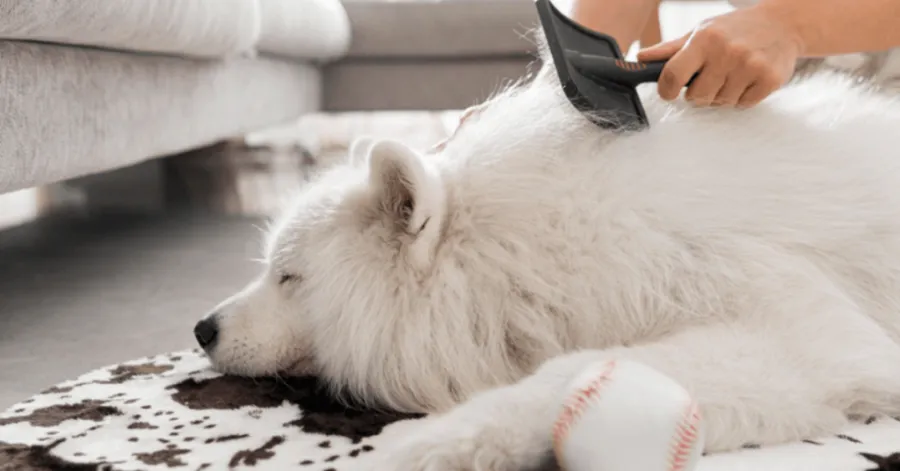
Before putting the puppy in the water, brush his fur first. This helps brush away loose fur and dirt, as well as small tangles that can be more difficult to manage when wet. Additionally, you can check for any signs of irritation, bumps, or redness to your puppy’s skin while you’re brushing them. If something seems unusual, it is best to check with a veterinarian before going any further. The second point is extremely significant when teaching a puppy to bathe for the first time, as it smoothes the coat and makes washing easier for your puppy.
Step 2: Use Lukewarm Water for Comfort
Put a tub or sink of lukewarm water, and then put your puppy in it. Water should feel warm (not hot or cold). Baby pups are sensitive and may get stressed if the temperature is uncomfortable. Toss your puppy into the water carefully to let them feel more at ease and relaxed. When first learning how to wash a puppy, it is essential that the start is calm, as it will help to limit fear and promote trust during the bath.
Step 3: Apply Puppy Shampoo Gently
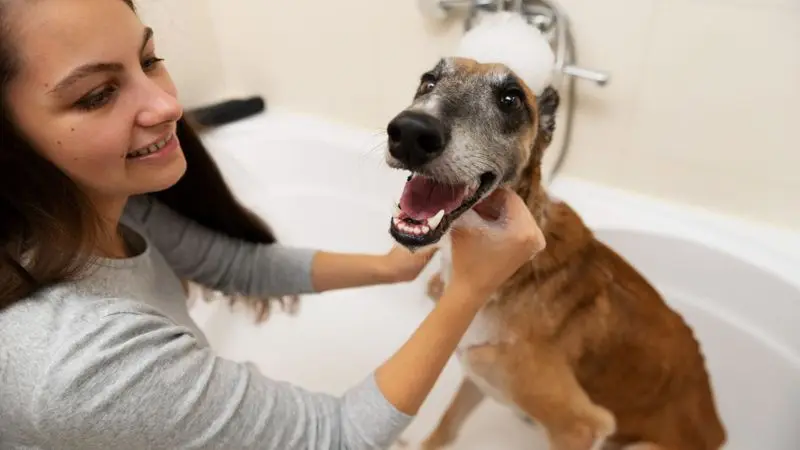
When your puppy is wet, lather a bit of puppy-safe shampoo and massage it gently into your puppy’s coat. Don’t scrub too hard. Bathing your puppy can be a bad experience if you get too severe on the fur. Make an effort to clean the same area and make sure that it’s an easy-going puppy. It takes a look at the necessity of caring for the young one tenderly. Gently rolling the puppy will create a more pleasant and non-threatening experience, as detailed in the step-by-step feeding the puppy safely at home guidelines.
Step 4: Wash Sensitive Areas Carefully
Also, use protective face, ear, and eye wear. Avoid using shampoo or any other substance that can irritate, as well. Gently clean the pup’s face with a damp face cloth, rather. Be patient and don’t rush your puppy through the cleaning process. This is an important step in puppy training to make the puppy’s first bath a pleasant and gentle event and to ensure no discomfort is caused.
Step 5: Rinse Thoroughly with Clean Water
When the puppy has finished being shampooed, carefully rinse with clean lukewarm water. Remove all the shampoos thoroughly from the coat. After misting, the remaining product will irritate the skin and induce itching and drying of the skin. Take time and do not leave something behind – check along the sides to make sure it is not on the exterior. Which is why washing a puppy is just one aspect of good puppy training, and is important to keeping its coat looking healthy and clean afterward.
Step 6: Dry Your Puppy Properly After Bath
When the puppy has been thoroughly rinsed, wrap it in a soft towel and pat it dry. Be careful not to rub too hard; wet skin is sensitive. Dry your puppy in a warm, draft-free place and keep it from getting too cold. Light brushing after drying may be enjoyable for some puppies as well. This last step is quite significant in knowing about drying a puppy after a bath since it helps maintain a comfortable and healthy puppy.
With just a few simple steps, you can safely wash a puppy at home and ensure that bath time is unstressful and enjoyable for your pup.
How to Keep Your Puppy Calm During Bath Time
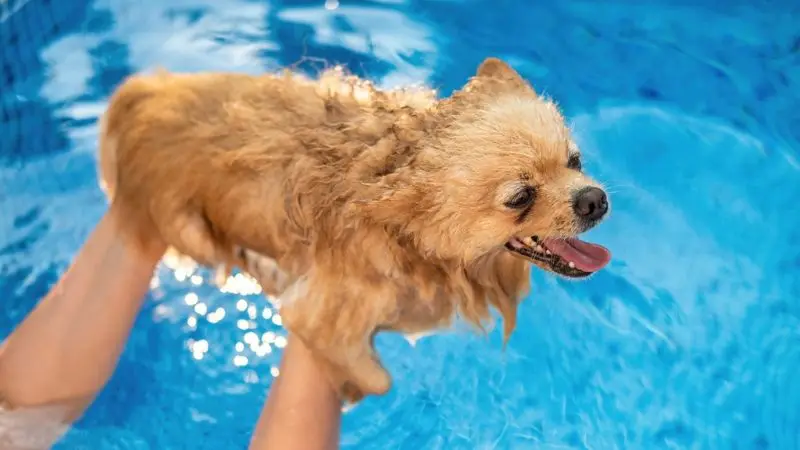
A bathing routine can be stressful if not structured and performed with kindness and compassion. The two main reasons are to ensure that it is a neutral, safe, and positive experience for your puppy, so it will slowly become familiar with it and develop trust. It’s as important as the washing process itself when training to wash a puppy, or when washing a puppy for the first time! It also helps make it easier once the dog mill walks understand how to bathe your puppy well at home as well.
How to Create a Calm and Safe Bathing Environment
Your puppy feels better and safer with a peaceful environment at bath time. Select a quiet area free from loud noises, sudden movements, and distractions. This helps to keep your puppy relaxed and to minimize fear. Set up ahead of time and familiarize yourself with all supplies to ensure no separation from your pup. Be gentle and gradual with your puppy; anything loud or fast will make it feel uncomfortable. It is essential that this is a placating environment when teaching a puppy to bathe for the first time, so that the puppy feels comfortable and understands that bathing is a common occurrence.
How to Use Treats and Praise to Encourage Your Puppy
Bathtime may be a favorable moment for your puppy if you reward & pet your dog during the bathing. Let your puppy have a little yummy snack before their bath to make bath time good. Said softly and positively to soothe your puppy as well when bathing them. Positive reinforcement, such as “good puppy,” can be a great tool in soothing fear. After completing the bath, give another treat. This will turn a positive association around the bathtime. Positive reinforcement really works well during puppy washing training, helping to enhance confidence and trust.
How to Keep Bath Time Short and Comfortable
Puppies should be bathed for only brief periods, or they may get too excited or anxious. Simplicity and gentleness are best. Don’t be in a hurry, but don’t overfill the bath. Be careful to handle your puppy slowly and gently. Make sure your puppy feels relaxed before taking another step; if your puppy starts to look nervous, stop for a moment and help to relax. This helps avoid stress and ensures the experience is positive. A quick, calm bath routine is key to forming a safe, stress-free habit for anyone practicing at home.
Common Mistakes to Avoid When Washing a Puppy
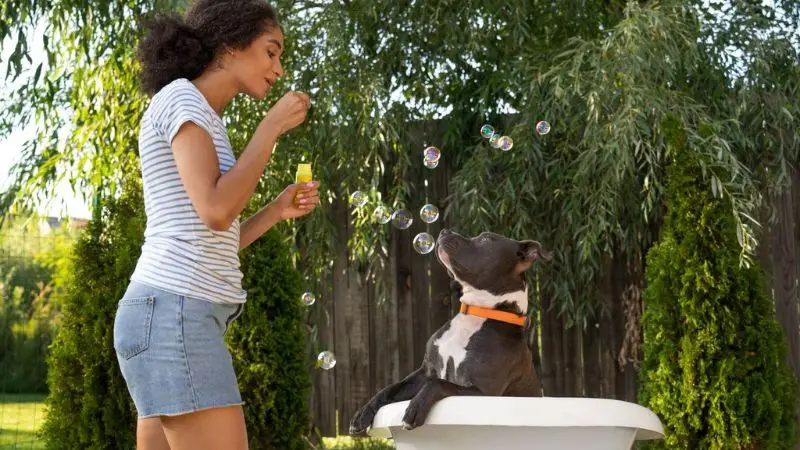
It can take time to learn how to wash a puppy, and in their early days, it will be normal to make some mistakes. But understanding what to do and what not to do can make bath time safer, simpler, and more pleasant for your puppy. Avoiding them will make it easier to form a better routine when learning to wash a puppy for the first time. It also helps you achieve a seamless, step-by-step puppy-bathing experience at home.
Using Human Shampoo Instead of Puppy Shampoo
Puppies are often given human shampoo, which is one of the more common errors. Human products are too harsh on a puppy’s sensitive skin and strip away the natural oils that help protect their coat. This frequently causes dryness, itching, and irritation. Pups require gentle handling; therefore, ideally, use a special puppy shampoo. Puppy-proof shampoos help wash the coat without damaging the skin barrier. Choosing the right shampoo for a puppy is as crucial as washing the puppy. Before using, read the label thoroughly to be sure that it is suitable for pets.
Using Water That Is Too Hot or Too Cold
The water temperature can significantly affect your puppy’s comfort during bathing. Cold water can startle and frighten your puppy, too hot water can burn skin and fingers. The opposite sides make bath time either stressful or stressful, depending on the side. Check the water temperature before introducing your puppy to it. It should be comfortably warm; the temperature should be similar to that of the body. The consistent and gentle water temperature helps to keep your puppy calm and relaxed. It is particularly important when introducing puppies to their first washing: trust and fear of the unknown are reduced.
Not Rinsing Shampoo Out Properly
The other mistake frequently occurs when the washing is not done thoroughly. If shampoo residue is left on the carpet, it can lead to itchy, dry, irritated skin. It may also cause or worsen your pup’s discomfort following the bath. Rinse slowly and ensure that the water is clear before getting out of the bath. Focus on the under the neck, legs, and belly, where shampoo can potentially get stuck. One of the most important steps in the step-by-step process for bathing a puppy at home is rinsing. When using a bathtub, you should take extra time to rinse properly so your puppy stays comfortable, fresh, and irritation-free after every bath.
Wrap Up
Luckily, with a proper approach, bathing your puppy can not be frightening. Though you will need to use gentle care and safe products and have a calm environment, it can be a positive and comfortable experience. Being able to properly wash a puppy is crucial to ensure you avoid common mistakes and help keep your puppy’s coat clean and healthy. With practice, you will find that your puppy will be more “chill” about bathing and may even look forward to it! By learning how to wash a puppy for the first time with a healthy dog with patience and consistency, you will maintain a grooming experience to promote your puppy’s health.
FAQ
How many cleanings should be given to a puppy?
It’s okay to wash your puppy every month. Also, if your puppy is quite dirty, you can bathe it earlier. Be sure to ask your veterinarian.
But how do you feel about puppy bath time when they don’t seem to enjoy it?
Use rewards and words of praise. Limit bath time. Use a calm voice. With patience and gentle handling, you can make bath time easier.
What should you do after bathing a puppy?
After bath time, dry your puppy thoroughly with a soft towel and keep them in a warm place. This helps prevent chills and keeps them comfortable.