Let’s face it: dealing with messy oil and gearbox fluid changes is inconvenient. If you’ve ever hated crawling beneath your vehicle, a fluid evacuator is going to become your new best buddy. This gadget allows you to remove old fluid directly through the dipstick tube.
It’s an excellent piece of equipment for any home mechanic. Before you begin, ensure you have dependable models that are designed to handle heavy garage labour. Learning how to use a fluid evacuator correctly will save you time and effort in cleanup.
What is a fluid evacuator?
Simply described, a fluid evacuator is a specialist vacuum pump. It generates negative pressure within a sealed storage tank. This pressure differential then draws old fluids out of a vehicle’s system.
It is intended to make fluid changes much cleaner. Rather than draining through a plug underneath, you suck the fluid out through the top. This eliminates the need for floor jacks, drain pans, and dealing with frozen plugs.
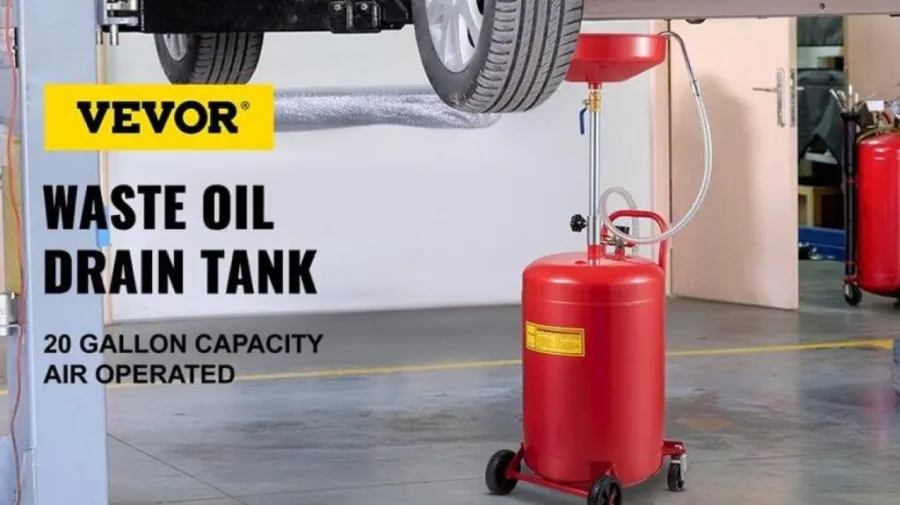
They come in several styles. Some employ manual pumps, while others use compressed air or electricity. The better models frequently have easy-to-clean fluid evacuator designs, which is critical for lifespan.
What can you use a fluid evacuator for?
A fluid evacuator is an extremely useful equipment for any DIYer, capable of much more than just an oil change. Its ingenious design enables it to efficiently remove liquid from small, constrained places. This makes it highly useful in the garage and around the house for a variety of chores.
Its ability to draw fluid from above is invaluable. It saves you the hassle and effort of dealing with drain plugs in inconvenient positions.
- Engine Oil Changes: This is the major one. Using an engine oil extractor pump is ideal for oil changes, especially on European automobiles or boats, where the drain plug is often difficult to reach.
- Gearbox Fluid: It swiftly drains fluid from the gearbox via the dipstick tube or filler hole. This makes partial fluid swaps a lot cleaner.
- Power Steering Fluid: You may easily drain the old, murky fluid directly from the reservoir. This easy step will keep your power steering system functioning smoothly.
- Brake Bleeding: Some models can be configured to remove old brake fluid directly from the system. It helps to maintain your braking system corrosion-free.
- Small Engine Fluid: It’s ideal for all your toys! Use it on ATVs, lawnmowers, and snowblowers without a simple drain plug underneath.
- Boat Maintenance: A must-have for boat owners. It’s the cleanest way to remove engine oil or drain bilge water from your boat’s tight areas.
As a result, if you need to evacuate liquid from a reservoir or system in a clean, efficient, and top-down way, the fluid evacuator is the equipment to use. Sturdy equipment can safely handle all of these various fluid kinds.
How to use a fluid evacuator by yourself
Using the device is simple, but technique is important. We will go over the processes required for a typical oil change. Following these techniques assures maximal fluid removal with minimal mess. This is the best instruction guide on how to use a fluid evacuator like a pro.
Step 1: Warm the engine or system (if applicable)
Cold oil is heavy and flows slowly. Start your engine and let it run for around five minutes. You want the oil warm, not boiling.
Warm oil flows faster and transports sludge or pollutants more effectively. This ensures that you extract the maximum amount of old, unclean oil.
Step 2: Insert the extraction tube into the reservoir or dipstick port
First, ensure that your evacuation tank’s main valve is open. Next, choose the thinnest extraction tube that will fit comfortably through the dipstick tube. It must be flexible enough to make its way to the bottom.
Slowly and gently insert the tube into the port. Do not force it; if you encounter resistance, try moving it gently or using a thinner tube. Forcing it may harm the tube or dipstick port.
Now, continue pushing the tube until you feel it gently bottom out. The sensation indicates that the tube has reached the bottom of the oil pan. Thus, achieving the maximum depth is crucial for removing the most amount of old oil and sludge.
Finally, ensure that the hose that connects the extraction tube to the main fluid evacuator unit is tight and secure. Any air leaks here will prevent the hoover from generating efficiently in the subsequent phase.
Step 3: Build a hoover with a pump, air source, or power switch.
It’s time to develop the vacuum—the engine that powers your engine oil extractor pump. First, make sure that all hoses and the lid are properly connected; a solid seal is essential.
- Manual Pump: If you have a manual pump, grip the handle and pump strongly and consistently. Pump ten to twenty times to increase pressure. You will sense an increase in resistance as the hoover inside the tank becomes stronger.
Keep an eye on the hoover gauge as it goes up. When the needle enters the green zone, you will have enough suction to begin extracting oil.
- Air-Powered: This is the quickest technique. Connect the shop air compressor line to the unit’s fast connect connection. The compressed air rapidly creates a powerful and steady vacuum inside the tank.
The gauge will shortly reach the maximum pressure. The high vacuum allows for highly quick and thorough oil extraction.
- Electric: Using an electric unit is the most straightforward. Simply switch the power switch to “On.” The internal motor will operate quietly while mechanically drawing the hoover for you. It’s a straightforward, hands-free approach.
You will hear the compressor or electric motor turn off, and the manual pump will feel locked. The Hoover gauge must be kept at its maximum reading. This confirms that the device is pressurised and ready to extract liquid.
Step 4: Determine the fluid flow and tank capacity.
Once the hoover is operational, old fluid will enter the tank. The fluid is frequently visible as it flows up the clear tubing. The flow may start swiftly and then slow down.
Check the gauge on a frequent basis to ensure it is not too full. Never allow the tank capacity to surpass the maximum line. If the flow stops before the pan is empty, pump again or check the air source.
Step 5: Remove the tube, seal the tank, and properly dispose of the old fluid.
When the flow stops and no more fluid is drawn, remove the extraction tube. Carefully insert the used tube into its holder or storage port. The old fluid is carefully stored in the fluid evacuator tank.
Seal the tank tightly. Never pour used oil or fluid down the drain. It is poisonous and illegal. Take the sealed tank to an auto parts store or a local recycling centre for proper disposal.
Step 6: Refill the system and confirm the proper levels.
You successfully removed the old fluid. Replace the oil filter, if necessary. Begin filling the engine with the proper type and amount of new oil.
Once refilled, start the engine for one minute before turning it off and waiting five minutes. Use a dipstick to check the oil level. Top up as needed to achieve the desired “Full” mark. This process is part of learning how to change brake fluid or oil.
FAQs
What fluids can a fluid evacuator remove?
A fluid evacuator may remove a wide range of non-flammable and non-corrosive fluids from automobiles and machines, including engine oil, brake fluid, gearbox fluid and coolant. It can also be used for various purposes, such as extracting water from a fish tank or transferring and filling fluids, although it should not be used to combine different types of old fluids for recycling.
Does a fluid evacuator remove all the fluid?
No, a fluid evacuator does not remove all fluid, but it can remove the vast majority of it. While it effectively takes the majority of the fluid, a tiny quantity will always remain, usually due to the dipstick tube’s size and placement. For most routine operations, such as changing engine oil, the amount remaining is insignificant.
Is a fluid evacuator safe for all vehicle types?
They are suitable for most typical automobiles. They are especially handy in cars when the drain stopper is difficult to reach. The most effective units are portable fluid evacuators for garage use that work worldwide. However, if your car’s oil pan is oddly shaped, it may not extract all of the fluid.
Conclusion
Learning how to utilize a fluid evacuator is a game-changer in vehicle maintenance. It transforms a messy, painful task into a clean, straightforward one that you can complete in your driveway. This fluid evacuator is an essential item in every DIYer’s armoury.
Using durable equipment from Vevor ensures that you receive a strong hoover and a secure, sealed container for safe disposal. When you use this application, you will find it easier to keep track of your fluid changes than ever before.