Copper wiring is widely used in electrical systems, renovation projects, and reuse projects. Knowing how to strip copper wire is a valuable skill, as it lets you safely remove the insulation without damaging the copper cable. Using the right wire stripping technique can help with wire preparation, recycling scrap material, or recovering valuable copper more easily and efficiently. A wire stripper is one of the most effective tools for this job, but there are also alternative methods using common household tools. This guide will show you how to strip copper wire without a stripping tool, which tools you’ll need to make the task a breeze, and how to strip wire correctly and safely.
Best Tools for Stripping Copper Wire
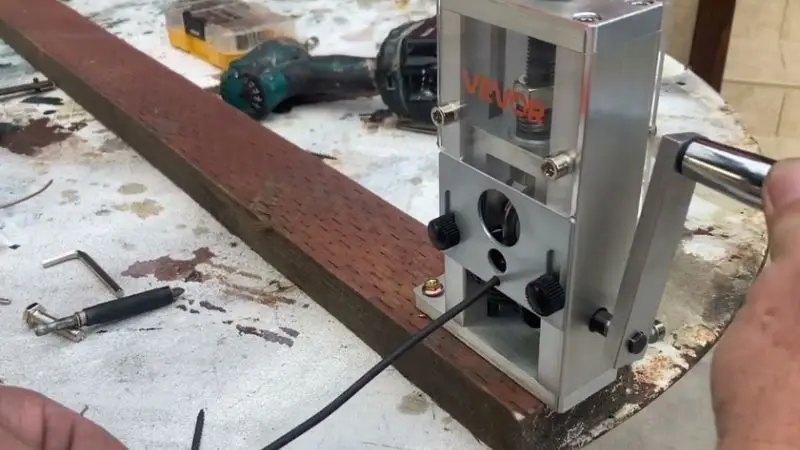
Since you’re about to learn how to strip copper wire, it is important to know which tools make the job easier. There are wire stripping tools for the newbies, and tools best suited for larger tasks. If chosen appropriately, you can get faster results, save on copper and insulation removal without liability.
Using Manual Wire Strippers for Accurate Results
Manual wire strippers are among the most commonly used tools for stripping wire insulation, and the insulation on copper wire is stripped with the above manual wire stripper. These are on par with pliers and are used for cutting exterior without injuring the interior copper. Most of them have scale markings over the wire size that make it easy to pick the proper setting. They’re a good choice for newbies and small projects. Manual wire strippers are great for stripping copper wire safely if you are learning to do so. They are inexpensive, simple to use, and appropriate for home repair, recycling, and electric applications.
Stripping Copper Wire with a Utility Knife or Box Cutter
If a wire stripper isn’t on hand, a utility knife or box cutter might help. This method is usually chosen by those who wish to benefit from the skills of stripping copper wire with a knife but have limited tools at their disposal. The wire should be laid on a firm surface, and the insulation carefully scored around the wire. Gently move the wire back and forth and press lightly until the wire’s insulation separates. Care must be used when cutting, as a cut that is made too far will adversely affect the copper. This is a good method for small jobs and for occasional stripping of just a few wires.
Using an Electric Wire Stripping Machine for Bulk Work
Electric wire stripping machines are made for handymen who need to strip lots of electric wire. These machines can strip insulation quickly and precisely every time, and are suitable for recycling companies, contractors, and large projects. You just pass the wire through the machine, and it peels the insulation off the wire with ease. They are able to work with various sizes of wires and greatly enhance productivity. This is one of the quickest, most effective scrap wire stripping tools around for those who work with a lot of wire.
@beasleysfamily #vevor #vevorwirestriooer #wirestrip #tools #tiktokshoplabordaysale
♬ original sound – Beasley
Alternative Methods for Stripping Copper Wire at Home
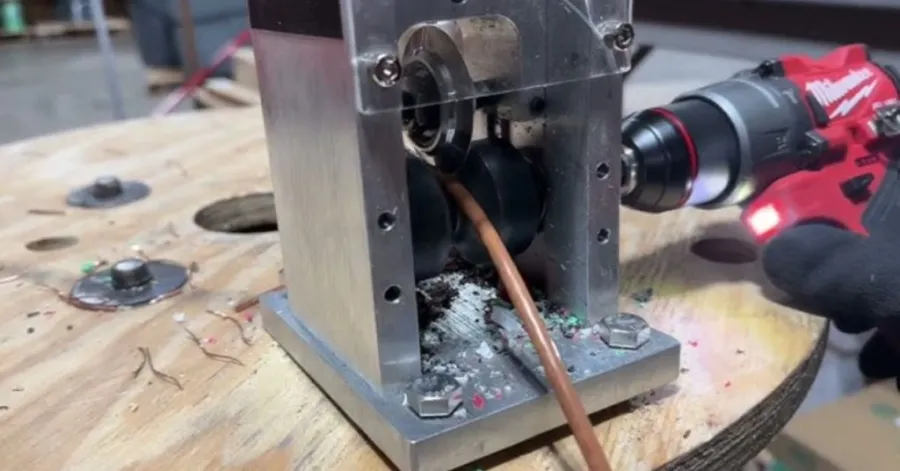
If you do not have any equipment, you can try the following methods. Removing the insulation from copper wire is usually done with pliers, scissors, drills, or screwdrivers. These methods are not very quick and require close attention to avoid damaging the conductor’s copper core. When small home projects require removing copper wire without a machine, some people are seeking information on how to do so. The others love to learn how to strip copper wire with a drill or a screwdriver, since they are inexpensive. These types of tools are effective but typically more time-consuming and difficult to master than special wire strippers.
How to Strip Copper Wire Step by Step
Once you know the tools you can use, it’s time to learn the wire stripping methods. By following the correct procedure, you can easily and safely remove insulation while preserving the copper within. Learn the safe and efficient ways to strip copper wire from any type of scrap wire or electrical cable, or to recycle wire.
Step 1: Identify the Type of Copper Wire
The first step is to examine the wire carefully. Copper wire normally comes in two forms: stranded wire and solid wire. Solid wire is made with only one Copper conductor, whereas stranded wire is made by twisting many thin Copper conductors together. Understanding the type of wire will help you choose the perfect stripping method. Also, check the insulation thickness, as some can be harder to remove than others. This becomes all the more crucial if you’re used to stripping thick copper wire or want to know how to safely strip thin copper wire without harming the metal conductor. Once you quickly skim the articles, you’ll avoid categories of error later along the way.
Step 2: Choose the Right Wire Stripping Method
Once you’ve determined the type of wire, choose the best stripping technique for the job and tools at your disposal. A manual wire stripper may be the tool of choice for the most ordinary uses, and the utility knife can be used for occasional uses. A wire stripping device can help save time and effort when you have a large bundle of wire to separate. When using basic tools at home, many individuals are looking for tips on how to strip copper wire without a tool. Knowing how to use the right technique with the appropriate wire and insulating material increases accuracy and reduces damage to the copper conductor.
Step 3: Cut and Secure the Wire
Use wire cutters to cut the wire into a manageable length before removing insulation. For a smooth cut in the stripping process, use a clean cut to save time. After cutting the wire, lay it on a firm surface or clamp it so it won’t move. This enhances safety and a sense of correctness during a job. When stripping a thick copper wire, it is crucial that the wire is properly secured to ensure a proper stripping job. This is particularly important when learning how to strip thick copper wire, and there are larger conductors that can be more difficult to handle. It can be a little smooth if you take some extra time to prepare the wire.
Step 4: Remove the Insulation Carefully
Using the tool of your choice, do a careful score around the wire on the insulation. Slowly twist the wire to give an evenly cut edge before removing the insulation from the copper. When using a hand wire stripper, ensure it can strip wires of the appropriate size. It is good to know how to strip copper wire with a knife, but be sure not to press too hard on the conductor when cutting. Other popular topics to explore include stripping copper wire with a screwdriver or with a drill as alternative methods. Rather, take your time in making a clean shot, however slow and cautious you may be, with whichever tool you choose.
Step 5: Inspect the Exposed Copper
Once the insulation has been removed, look at the bare copper to see that it’s still in good condition. The copper should be smooth, clean, a nd not have deep scratches or cuts. Copper damage that can affect the value of the recycled metal can also impact its performance in electrical applications. If you see any cuts in the wire, you should try to use a gentler method next time you strip wire. The purpose of this final inspection is to establish that the stripping was effective. When stripping copper wire strictly in line with the above, you can be confident you know how to extract it without breaking or damaging the conductor, so it can be used as required.
How to Strip Copper Wire Without a Wire Stripper
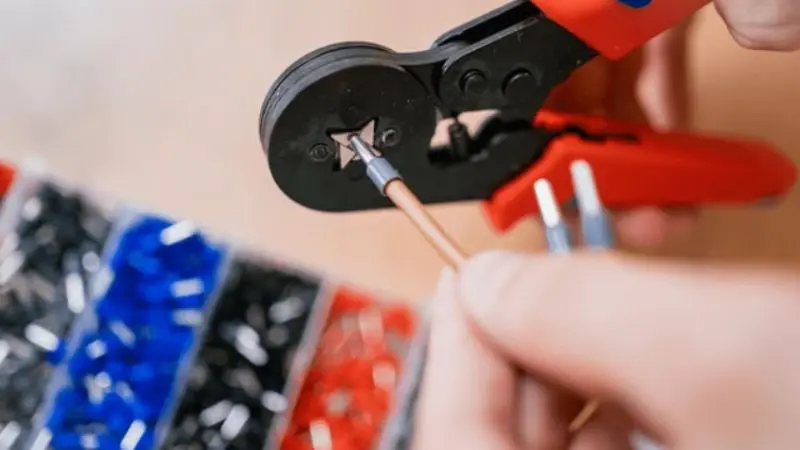
Doing so may not always be possible with a wire stripper, but simple household tools can be used to strip insulation away. This approach is useful for novices as well as simple “do-it-yourself” jobs. It also has its use beyond learning how to strip copper wire without a machine or professional equipment. It all comes down to working slowly, no harm coming to the copper in the middle, and being careful, of course.
Understanding that manual methods are more controllable and patient before starting. The different processing techniques depend on the type of wire and the thickness of the insulating material. If mixed up, using the proper technique, you can still get clean usable copper results.
Using a Knife Safely to Strip Copper Wire
A utility knife or box cutter is one of the most common manual methods. It is the simplest and easiest option employed by individuals who are learning how to use a knife to remove copper cables. First of all, make sure to leave the wire on a flat and stable surface, so that it does not move. Gently score the outer coating with a little pressure on the knife to slice it, ensuring the knife is held tightly and without pressing too hard. Slowly turn the wire until all sides are evenly cut.
Pull the insulating material away from the copper after a score to reveal the copper inside. Controlling is the most crucial part of this method. Over-stressing can cause cutting and/or weakening of the copper conductor. The slow action will allow you to get cleaner and reduce the risk of damage. This approach works best with small jobs and sporadic wire stripping jobs.
Burning Method and Why It Is Not Recommended
Some individuals are attempting to remove insulation by burning through the wire. One of these is to expose the wire to fire under controlled conditions until the coating gets burned away. Although this may appear easy, it has major disadvantages. Toxic emissions are released that could be hazardous if inhaled and pose a risk to the environment. It may also degrade and weaken the internal copper, further compromising its quality and value.
This approach is therefore usually not used by professionals due to these risks. Safety is a paramount issue, and wildfires pose a risk to personal safety and the environment. Although it may strip insulation quickly, it isn’t advisable in many scenarios.
Heating Method to Soften Insulation for Easier Stripping
The second is through applying controlled heat, which is used to melt the insulation. The wire can be loosely heated at all if necessary with a heat gun or blow dryer. Insulation softness allows it to be popped more easily, without cutting into the copper. A technique that is preferred for small projects in which accuracy is an important consideration.
But it’s important not to overheat the wire. Damage to copper may occur, and handling may be difficult due to overheating. This is a more controlled method than burning and is sometimes employed when someone wishes to learn some basic wire stripping techniques without using a flame. It always helps to test this out with scrap wire first, to see how it will behave before getting into your main project!
Safety Precautions to Follow When Stripping Copper Wire
It is important to establish a safe working environment before starting the wire stripping process. Simple tasks, such as wire stripping, could cause cuts or burns or pose an electric shock hazard if safety precautions are not observed. When working with copper wire, or thick copper wire and thin, simply observe some safety precautions when stripping copper wire in order to ensure safety and create better results.
Taking good safety practices also promotes the quality of the copper. Careful and proper use of protective equipment can help you cut wire more efficiently while decreasing hazards.
Wear the Right Protective Equipment
Wire stripping cannot and should never be done without protective garments. Because gloves keep sharp wire edges from coming into contact with your hands, they also prevent insulating material fragments from striking your hands and prevent accidental cuts. Safety glasses are also essential because when wires are being cut or stripped, small chunks of insulation can fly. Closed-toe shoes offer extra foot security in case tools or heavy wires drop to the floor. Additionally, a dust mask will be useful if you have old wire that may be dusty or dirty. Learning various methods, such as using a knife to remove the insulation from copper wire, using a soldering iron, and using protective equipment.
Make Sure the Wire Is Not Carrying Electricity
The single most critical safety measure in the wire is to make sure the wire is 100% disconnected from any power source. Never attempt to remove a live wire – it can severely injure or give rise to electric shock. Use a voltage tester when taking on the job to ensure there is no voltage at all before starting. If you are making any attempt to reuse out-of-date electrical systems, walls, and appliances, thoroughly check the wires for damage. Keep the work area clean, dry, and free of moisture to prevent electrical hazards. Post on your stripping!
Set Up a Safe and Organized Work Area
A tidy, neat work area facilitates wire stripping more safely and conveniently. Select a level and stable work surface with a lot of space around you. It is important to use good lighting as this will enable you to clearly see the insulation and avoid breaking the copper conductor. Ensure all tools are readily accessible and remove any excess clutter. Hold the wire in place with a clamp or other support, if possible. It’s very convenient when working with copper wire, manual tools, and practicing without using a machine. Once the task is complete, ensure the work area is neat and safe by cleaning up scraps of insulation and any other materials.
Wrap Up
Knowing how to remove the copper wire can enable you to undertake an electrical project with better efficiency and get the most out of any copper items that are being recycled. The secret is choosing the appropriate technique based on the wire category, the thickness of its insulation, and the tools at your disposal. When removing copper wire with a blade, using a dedicated copper wire stripper, or drilling, safety is paramount. With the right steps and precautions, you can ensure you don’t harm the copper and achieve cleaner results. With the right technique and some practice, copper wire can be stripped easily and effectively by both novices and pros.
FAQ
What precautions must be taken to prevent damaging the copper when removing copper wire?
Always use the proper tool for the right wire size. Gently score the insulation. Work on scrap wire before practicing. Examine the copper once it’s been stripped. If there are nicks, save them up for the time you need a delicate moment; it is advisable to take a softer approach next time.
Is it possible to remove the copper wire using common tools?
Use a pair of scissors, pliers, or a utility knife to cut the Velcro, cut out the shape on the front of the removable sticker, or take it off. Cut carefully; the wire must not move. Always wear gloves. Test it out on a small piece first before you embark on your main project.
Can you burn the insulation off copper wire?
Insulation materials give off toxic fumes when burnt and are harmful to copper. This approach should not be employed. Use a safer product, such as manual strippers (or a knife).
How to make use of the stripped copper wire?
Pay for clean copper at a yard that collects copper for recycling.
Always work with stripped wire when doing wiring.
Keep copper out of the moisture, as it can corrode.