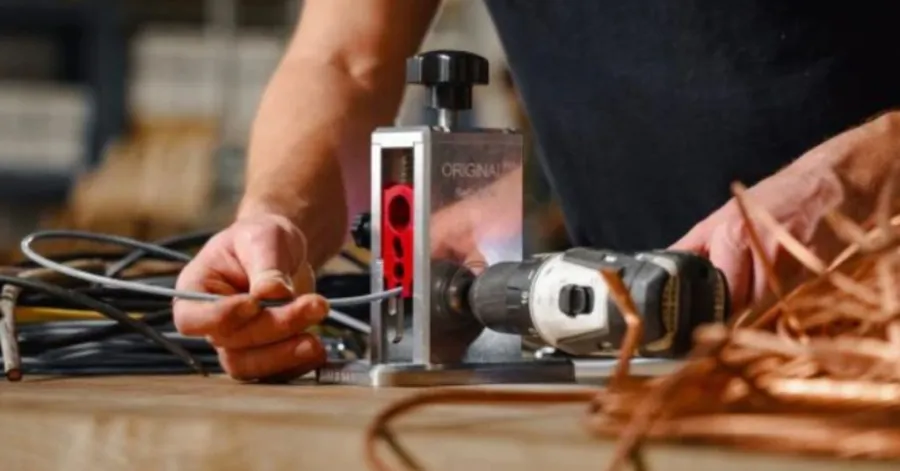
Removing copper wire is a crucial task in electrical work, Do-It-Yourself projects, and metal recycling. Properly removing insulation helps protect the copper, enhances electrical performance, and increases its recycling value. You may want to know how to strip copper wire fast, how to strip copper wire with a stripper, or how to strip copper wire without a stripper, but it is always better to use the correct technique to make the task easier and safer. All types of wiring, whether in a home or in thick power cables and scrap wire, demand a somewhat different approach. This tutorial outlines the most appropriate tools, including manual strippers, step-by-step processes, and safety techniques to help you strip copper wire easily and with confidence.
Table of Contents
- Best Tools to Strip Copper Wire Faster
- Best Tools to Strip Copper Wire Faster
- How to Strip Copper Wire Quickly in Simple Steps
- Best Way to Strip Different Types of Copper Wire
- How to Stay Safe While Stripping Copper Wire
- How to Strip Large Amounts of Copper Wire More Efficiently
- How to Choose the Right Wire Stripping Tool
Best Tools to Strip Copper Wire Faster
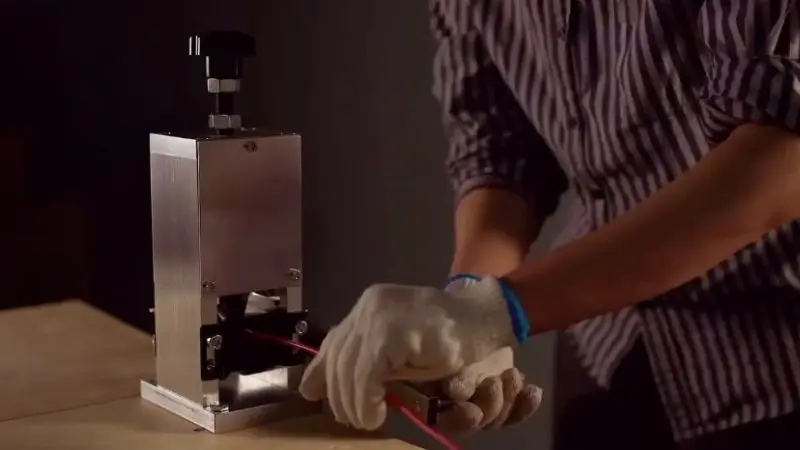
Selecting the appropriate tool can simplify copper wire stripping greatly and make it more effective. Whether for home repairs, electrical work, or recycling the wire, the right equipment will save you time and minimize damage to the copper. Knowing the functionality of each tool enables you to perform the task more accurately and efficiently.
Recommended For Your Project
Use a Manual Wire Stripper for Small Jobs
One of the most convenient tools used in daily wire stripping is a manual wire stripper. It is inexpensive, simple to operate, and ideal for DIY projects and minor electrical maintenance. Most manual strippers have a variety of cutting slots that can accommodate different wire gauges, making them suited to a variety of applications. To learn how to strip copper wire by hand, this tool can provide great control and minimize the possibility of cutting the copper conductor. It is also considered the most appropriate method of stripping copper wire when there are few wires to strip, since it provides clean, precise results without the need to invest a lot of money in equipment. And, with some practice, you can strip wires fast and leave the copper in very good condition.
Use an Automatic Wire Stripping Machine to Save Time
Automatic wire stripping machines are meant for individuals who frequently handle a lot of wire. These machines roll the wire through adjustable rollers that strip the insulation efficiently and uniformly. Electricians, contractors, and recycling businesses are frequent users because they are the quickest way to strip copper wire with the least manual labor. Most models are able to accommodate various wire sizes by changing the cutting mechanism. When you want to know how to strip copper wire fast, it could be worthwhile to invest in an automatic machine that can be very productive and lessen hand fatigue. It also produces stable results, making it easier to prepare clean copper for reuse or recycling without damaging the conductor.
Removing copper wire is a crucial task in electrical work, Do-It-Yourself projects, and metal recycling. Properly removing insulation helps protect the copper, enhances electrical performance, and increases its recycling value. You may want to know how to strip copper wire fast, how to strip copper wire with a stripper, or how to strip copper wire without a stripper, but it is always better to use the correct technique to make the task easier and safer. All types of wiring, whether in a home or in thick power cables and scrap wire, demand a somewhat different approach. This tutorial outlines the most appropriate tools, including manual strippers, step-by-step processes, and safety techniques to help you strip copper wire easily and with confidence.
Best Tools to Strip Copper Wire Faster
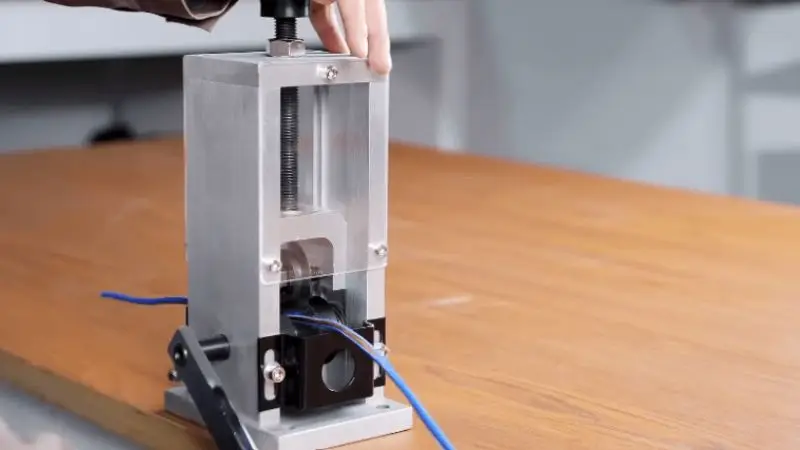
Selecting the appropriate tool can simplify copper wire stripping greatly and make it more effective. Whether for home repairs, electrical work, or recycling the wire, the right equipment will save you time and minimize damage to the copper. Knowing the functionality of each tool enables you to perform the task more accurately and efficiently.
Use a Manual Wire Stripper for Small Jobs
One of the most convenient tools used in daily wire stripping is a manual wire stripper. It is inexpensive, simple to operate, and ideal for DIY projects and minor electrical maintenance. Most manual strippers have a variety of cutting slots that can accommodate different wire gauges, making them suited to a variety of applications. To learn how to strip copper wire by hand, this tool can provide great control and minimize the possibility of cutting the copper conductor. It is also considered the most appropriate method of stripping copper wire when there are few wires to strip, since it provides clean, precise results without the need to invest a lot of money in equipment. And, with some practice, you can strip wires fast and leave the copper in very good condition.
Use an Automatic Wire Stripping Machine to Save Time
Automatic wire stripping machines are meant for individuals who frequently handle a lot of wire. These machines roll the wire through adjustable rollers that strip the insulation efficiently and uniformly. Electricians, contractors, and recycling businesses are frequent users because they are the quickest way to strip copper wire with the least manual labor. Most models are able to accommodate various wire sizes by changing the cutting mechanism. When you want to know how to strip copper wire fast, it could be worthwhile to invest in an automatic machine that can be very productive and lessen hand fatigue. It also produces stable results, making it easier to prepare clean copper for reuse or recycling without damaging the conductor.
Strip Copper Wire with a Utility Knife or Basic Tools
If you do not own a wire stripper, you can still strip your wires with a utility knife or other simple hand tools. This is an effective technique for learning to strip copper wire without a stripper, though patience and caution are required. Lightly mark the insulation without cutting the copper and then carefully remove the insulation from the wire. Small pliers or side cutters can also work to remove insulation from some types of wires. This method is more time-consuming than using dedicated tools, but it is effective for occasional projects. Always pay attention to how to strip electrical wire safely: use protective gloves, keep your hands off the blade, and work with disconnected wires.
Pick the Right Tool for Different Wire Sizes
Stripping tools vary in size depending on the size of the wires. Thin household wires require accuracy, and manual wire strippers are the best choice for how to strip thin copper wire without breaking the conductor. Heavy electrical cables need heavy strippers or automatic strippers that can cut through the insulation without too much force. In case you frequently have to deal with old wiring or building materials, special equipment can also simplify how to strip scrap copper wire. Using the appropriate tool will minimize the chances of spoiling the copper, increase efficiency, and help you finish the task in less time. One of the easiest ways to get clean, professional results is to match the tool to the size of the wire.
How to Strip Copper Wire Quickly in Simple Steps
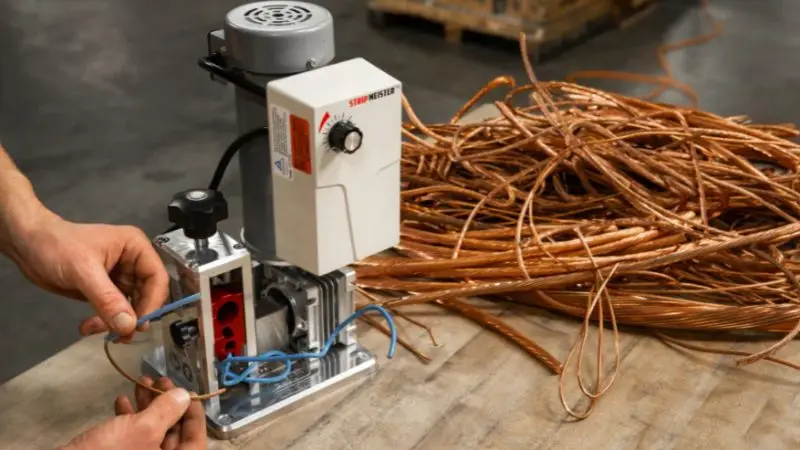
It is important to use the appropriate process as much as it is to use the appropriate tool. A stepwise method will help you work faster and avoid any damage to the copper. These are basic ways to enhance safety, manufacture cleaner wire, and make the material ready for electrical work or recycling.
Get the Wire Ready Before You Start
The first step would be to examine the wire to establish its thickness, type of insulation, and condition. Bend it into straight lines, since straight wire goes through stripping tools a lot easier. Wipe or clean off dirt, grease, or debris that might interfere with the cutting process. Always disconnect any electrical wire before coming in contact with it, and make sure you know how to strip electrical wire safely. Using gloves and safety glasses will add protection during work. By spending a few minutes to make sure the wire is properly prepared, stripping copper wire quickly is a lot easier since the tool used to strip the wire can move evenly through the insulation without slipping or causing unnecessary damage.
Set the Tool to Match the Wire Size
Correct stripping tool adjustment is required to obtain clean, accurate final results. Choose the appropriate stripping slot or blade setting according to the wire gauge to make the first cut. An overly tight environment can destroy the copper conductor, whereas an overly loose one can leave insulation on. This is particularly necessary when learning how to strip thick copper wire or how to strip thin copper wire because both types have different cutting pressures. The simplest method to strip copper wire is usually to spend a few extra seconds to make the right adjustment, since this increases accuracy, minimizes waste, and can make the whole process a lot smoother.
Remove the Insulation Without Damaging the Copper
Put the stripping tool around the insulation and exert consistent pressure, then slide it smoothly along the wire. The tool should not be bent or forced, as it may scratch or weaken the copper conductor due to excessive pressure. When practicing hand stripping of copper wire, take your time and make slow movements until you are comfortable. Automatic stripping machines need a consistent feeding rate so they give a uniform output. The proper technique is the quickest means to strip copper wire and leave the copper exposed smooth and clean and capable of electrical connections, repairs, or subsequent projects.
Check and Sort the Stripped Copper Wire
After the insulation is removed, thoroughly examine the bare copper, paying attention to any cuts, scratches,s or broken strands. Undamaged, clean copper will be better for electrical use and will be more valuable to recycle. In case you are interested in how to strip wire to recycle, remove bare bright copper, insulated wire, and other metal materials to better organize and maximize your returns on the recycling process. Having various types of wires in their places also facilitates future projects. An end-check guarantees that the stripping process is done properly and results in high-quality copper that can be reused, resold, or recycled.
Best Way to Strip Different Types of Copper Wire
Not every type of copper wire is identical, and the stripping technique must be appropriate to the type of wire. The correct method will shorten the time taken in the job, protect the copper, and enhance the quality of the completed wire. You can be dealing with household wiring, heavy cables, or scrap materials, but the right method will save time and minimize waste.
How to Strip Household Electrical Wire
Lighting, outlets, and home appliances are commonly made of household electrical wire. The tool that is most suitable is a manual wire stripper, as it gives clean cuts and does not damage the copper conductor. Choose the appropriate slot for the size of the wire and then strip off the insulation. This kind of wire is best to use as a practice on how to strip copper wire by hand. The first rule is always to disconnect the wire from the power source prior to beginning to strip electrical wire to be able to know how to strip electrical wire safely. Being cautious will conserve the copper, and it can be used in electrical repair or recycling, and also minimize the chances of accidents.
How to Strip Thick Copper Power Cables
Thick power cables are heavily insulated, so they require more powerful tools and more cutting power. Manual strippers are preferable as they are heavy-duty and remove the insulation in a short period of time without breaking the copper. Automatic wire stripping machines are also preferred because they strip the insulation fast without damaging the copper. When you frequently have to deal with big electrical cables, an automatic machine is frequently the quickest means of stripping copper wire. When learning to strip thick copper wire, set the cutting depth so as not to cut into the conductor. Being patient with larger cables helps to make them safer, less wasteful, and the exposed copper is in good condition to be reused or recycled.
How to Strip Thin Communication and Data Wires
Thin copper conductors are found in communication cables, telephone wires, and network cables, and need additional attention. These wires are finer than regular electrical cables, and it is safest to use a fine hand-held wire stripper. Applying too much pressure can easily rupture the conductor or impair its performance. When removing the insulation on thin copper wire, make small and controlled cuts and peel the insulation off. This is the easiest method of stripping copper wire that many people would find, as well as the right tool that gives them great control. Handle the wire carefully to salvage the copper for repair, installation, or recycling.
How to Strip Scrap Copper Wire for Recycling
Old electrical wiring, building remnants, and scrapped cables are good sources of recyclable copper. It is more efficient to strip the wires beforehand by size and type of insulation to make the work easier. Large quantities of stripping machines are automatic, and smaller batches are handled by manual strippers. In case you want to know how to strip scrap copper wire, you should not hurry since damaged copper can reduce its recycling value. Arranging materials is also a lot easier and will get you to the process of stripping wire to recycle it and will assist you in getting clean copper that can be sold or reused. Effective sorting leads to enhanced efficiency and higher value of materials that can be recycled.
How to Stay Safe While Stripping Copper Wire
Copper wire is easy to strip, though it must always be done safely. Electrical wiring and sharp objects may be used, resulting in injuries when they are not handled properly. Simple safety measures will help you work comfortably, protect your hands, and ensure the copper is in good condition during the stripping operation.
Wear the Right Safety Gear
Wear gloves to protect against sharp blade and open-wire cuts before starting. Safety glasses are used to prevent objects as small as insulation from being thrown off during stripping. Closed-toe shoes will ensure that, in the event of a drop of tools or heavy cables, the shoes will offer extra safety. These are basic safety measures that are particularly necessary when being taught how to strip electrical wire safely. One should never work on energized electrical wires, and one should always ensure that the power is off. The use of appropriate protective equipment can help to avoid accidents and enable you to finish the job more confidently and in control.
Keep Your Stripping Tools Clean and Sharp
Properly serviced tools make cleaner cuts and require less effort. Blades that are dull may cut insulation rather than cut it cleanly, which raises the possibility of damaging the copper conductor. Wipe down your wire strippers and change the blades when needed to ensure constant performance. Whether you use manual strippers or automatic machines, it does not matter; good maintenance helps enhance accuracy and gives the equipment a longer life. One of the most effective methods of stripping copper wire is to keep tools in excellent condition, since sharp tools remove insulation more easily and put less unnecessary strain on your hands.
Protect the Copper While Removing the Insulation
Wire stripping aims to strip off all the insulation and leave the copper conductor intact. Do not cut too deep and scratch the metal with the tool. A broken copper may impair electrical performance and decrease the value of its recycling. Slow and gradual movements are preferred whether you are attempting to strip copper wire fast or doing a detailed repair. Once the insulation is removed, carefully examine the copper and then use or recycle it. To maintain better performance, increased durability, and increased recycling value, it is important to keep the conductor clean and intact.
How to Strip Large Amounts of Copper Wire More Efficiently
Working with a clear process can save time and effort when you are required to strip a large amount of copper wire. Having your materials in order, the appropriate equipment, and appropriately storing the stripped copper will enhance productivity. These few measures also help preserve the copper and simplify the entire stripping process.
Sort Your Wires Before You Start
One of the simplest methods to work faster is to sort wires prior to stripping. Separate wires by thickness, insulation type, and material so you can use the correct stripping tool for each group. This saves time on tuning in and out your equipment and increases efficiency. In case you need to strip scrap copper wire, it also makes it easier to recycle since you can sort different grades of copper and recycle them separately. Taking a few minutes to sort your wires helps you complete the task faster and end up with cleaner, more valuable copper that can be reused or recycled.
Use an Automatic Wire Stripping Machine for Large Jobs
When you strip a lot of wire on a regular basis, it is worth investing in an automatic wire stripping machine. These machines also strip insulation at a higher rate compared to manual tools and produce a consistent result. They are flexible and can change the size of several wires with a few adjustments; hence, they are suitable for contractors, electricians, and recycling companies. If your aim is to strip copper wire fast, automatic equipment is most likely the fastest method. In addition to saving time, these machines reduce hand fatigue and improve precision, letting you work more wire with less physical effort while preserving the quality of the exposed copper.
Store Clean Copper the Right Way
After removing the insulation, it is important to maintain the stripped copper clean and well arranged. Isolate bare bright copper, insulated wire, aluminum, and other metal materials to preserve their quality and value. Dry storage areas are used to avoid dirt, moisture, and corrosion on the copper as time goes by. To learn how to strip wire to recycle it, you can store it correctly just as much as you strip it because clean, sorted copper typically commands a higher price in the recycling market. The organization is also time-saving when transporting or selling your recyclable materials.
How to Choose the Right Wire Stripping Tool
The appropriate choice of wire stripping tool will be determined by the nature of your work and the quantity of wire that you will have to handle. There are tools that are ideal for occasional home jobs, and others that are built for heavy day-to-day tasks. Knowing what is available will assist you in investing in equipment that meets your needs and budget.
Features to Look for in a Wire Stripping Tool
A quality wire stripping tool must be durable, comfortable to handle, and able to work with various sizes of wire. Adjustable cut lines, sharp blades, and comfortable handles enhance precision and comfort when used over time. Construction is particularly heavy-duty when you have to deal with electrical cables or recycling materials regularly. Whether you strip copper wire by hand or with powered tools, choosing a good tool makes the job easier and helps prevent damage to the copper. A well-constructed tool also lowers maintenance expenses and improves long-term performance.
Manual or Automatic Wire Stripper: Which Should You Choose?
Both manual and automatic wire strippers are good depending on the quantity of work you have. Manual wire strippers are cheap, portable, and suitable for occasional repairs or DIY electrical projects. They are said to be most effective for copper wire stripping when dealing with small batches, as they provide excellent control. Automatic wire stripping machines are better suited for large volumes of work, where you can process wire much faster with less effort. When you are concerned about stripping copper wire as fast as possible, automatic gear offers more efficiency and predictability, making it the better choice for professional or commercial applications.
When It Is Time to Upgrade to a Wire Stripping Machine
When you find yourself stripping wire on a regular basis, it may be worth considering an automatic wire stripping machine, as it can greatly enhance productivity. Manual tools are effective in small projects, but when working with large amounts of wire, they are time-consuming and exhausting. The machine reduces physical effort, speeds up the process, and produces more uniform results across various wire sizes. It is particularly useful for preparing to strip thick copper wire, processing scrap copper wire in bulk, and preparing materials to be recycled. Having the correct equipment will save time, improve efficiency, and enable you to perform more arduous wire-stripping exercises with less effort.
Wrap Up
The advantages of understanding the correct methods to strip copper wire are that you can work more quickly, protect the conductor, and achieve more successful outcomes in electrical work or recycling. Regardless of the tools you use (manual or automatic equipment), the correct method for each type of wire enhances efficiency and safety. So, proper procedures for safely stripping electrical wire and stripping wire for recycling also help maintain the quality and value of the copper. With proper preparation, equipment, and handling techniques, you can safely handle small DIY projects or full-scale stripping jobs and minimize wastage and maximize the usefulness of all copper wire.
FAQs
How can one strip copper wire the quickest?
An automatic wire stripping machine is the quickest method of stripping copper wire. It will strip away insulation in a short time, work with varied wire sizes, and save manpower in large projects.
Does it require a wire stripper to strip copper wire?
Yes. If you need to know how to strip copper wire without a stripper, you can do it carefully with a utility knife or pliers. Take your time so you don’t ruin the copper conductor or hurt yourself.
How to strip thick copper wire?
Thick copper wire is more effective stripped using a heavy-duty manual stripper or an automatic wire stripping machine. The tools are effective in removing thick insulation as well as safeguarding copper.
What is the best way of stripping electrical wire?
Always ensure that the power source is disconnected, wear gloves and safety glasses, and use the appropriate stripping tool. By adhering to these measures, you learn the method of stripping electrical wire safely and minimize the risk of accidents.
What is the reason why I strip copper wire prior to recycling?
Elimination of insulation results in cleaner copper, which is normally of greater recycling value. Educating on how to strip wire to recycle it also contributes to more effective and proper processing of materials by the recycler.