Ice is a staple in many homes and businesses, essential for drinks and food preservation. However, storing ice safely is often overlooked. Improper storage can lead to mold growth and contamination. This poses health risks and affects ice quality.
Understanding how to store ice safely is crucial. It ensures the ice remains fresh and safe for consumption. Whether you’re hosting a party or running a commercial kitchen, ice hygiene is vital.
Regular cleaning of ice machines is a key step. It prevents mold and bacteria from developing. Using the right cleaning methods and tools is essential for effective maintenance.
Handling ice with care is also important. Avoid using bare hands to prevent contamination. Use clean, food-safe containers for storage.
Temperature control is another critical factor. Ice should be stored below 32°F to maintain its integrity. Proper ventilation around the ice machine helps maintain efficiency.
By following these guidelines, you can ensure safe ice storage. This not only protects health but also enhances the quality of your ice.
- Why Safe Ice Storage Matters: Health and Quality Risks
- Understanding Your Ice Machine: Types and Common Issues
- Step-by-Step Ice Maker Cleaning Guide for Home Bars and Kitchens
- Preventing Mold in Ice Maker Bins: Best Practices
- Safe Ice Storage: Handling, Containers, and Temperature Control
- Keeping Ice Fresh for Parties and Events
- Commercial Ice Machine Hygiene Tips: Staff Training and Maintenance
- Is Dry Ice Safe for Food Storage? Ice Safety Guidelines Explained
- Troubleshooting Common Ice Machine Problems
- Maintenance Schedules and Record-Keeping for Ice Machine Hygiene
- Conclusion: Building Safe Ice Storage Habits
Why Safe Ice Storage Matters: Health and Quality Risks
Safe ice storage is more than a convenience; it’s crucial for health and quality. Poorly stored ice can harbor bacteria and mold. These contaminants can pose serious health risks.
Mold growth in ice machines is common if not regularly maintained. Mold affects both taste and safety. Ice contaminated with mold has a noticeable off-flavor. It can make drinks taste musty.
Using clean storage containers is essential. Proper ice storage helps avoid cross-contamination. Contaminated ice can transmit germs to food and drink.
List of potential risks:
- Bacterial infections
- Foul-tasting ice and drinks
- Mold exposure
- Cross-contamination with food
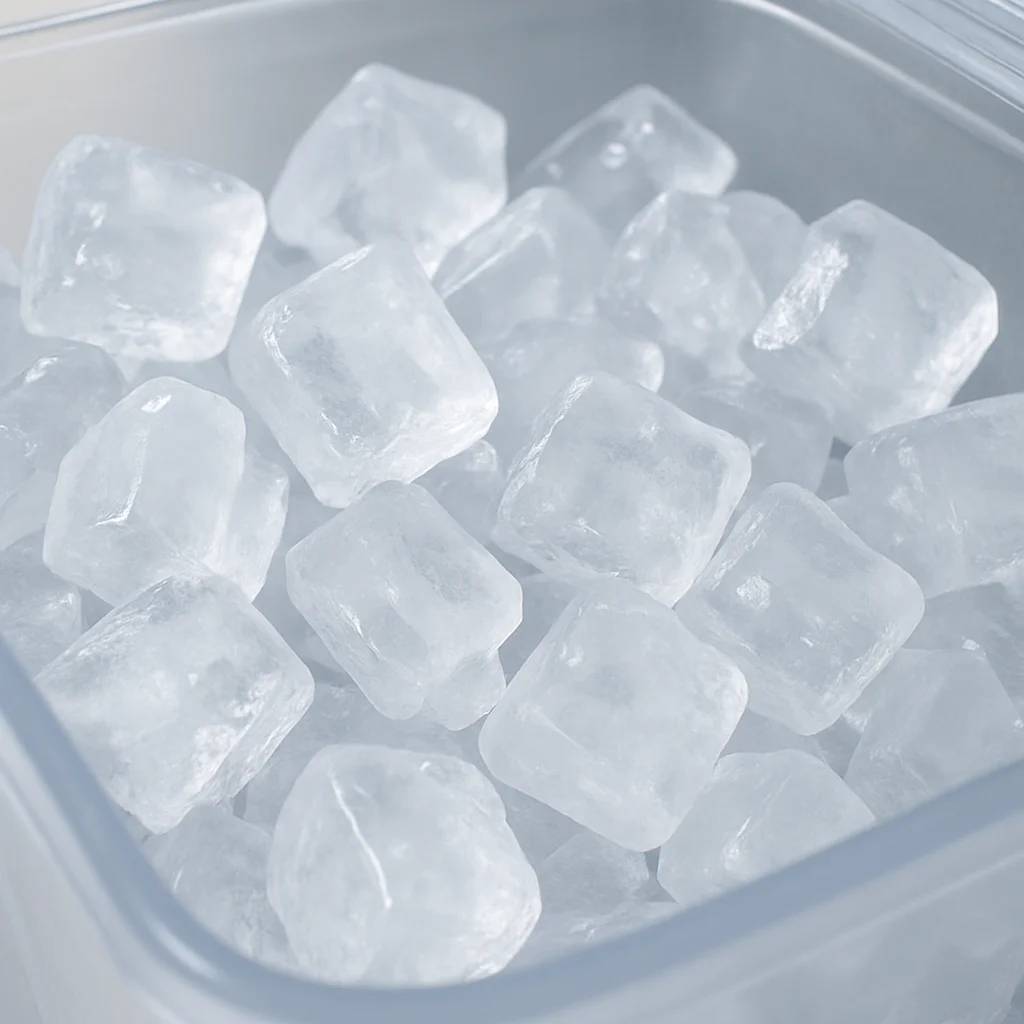
Temperature control helps maintain ice quality. Ice stored above 32°F melts and refreezes. This process can lead to clumping and off-flavors.
Ensuring a clean ice-making environment minimizes risks. Regular cleaning routines are necessary. Educate yourself about your specific ice machine‘s needs.
By recognizing these risks and addressing them, you protect both health and taste. Whether at home or in a business, safe ice practices are essential. Actively preventing contamination ensures ice is always fresh and enjoyable.
Understanding Your Ice Machine: Types and Common Issues
Knowing your ice machine type is vital for proper care. Residential and commercial machines differ in design and function. Each requires specific maintenance to perform optimally.
Common ice machine types include cube, nugget, and flake ice makers. Each type has unique production methods and applications. It’s important to match maintenance practices to your machine’s needs.
Regular issues often affect ice production quality. Recognizing these issues early avoids major problems. Below is a list of common machine problems:
- Low ice output
- Ice clumping
- Unusual noises
- Temperature inconsistencies
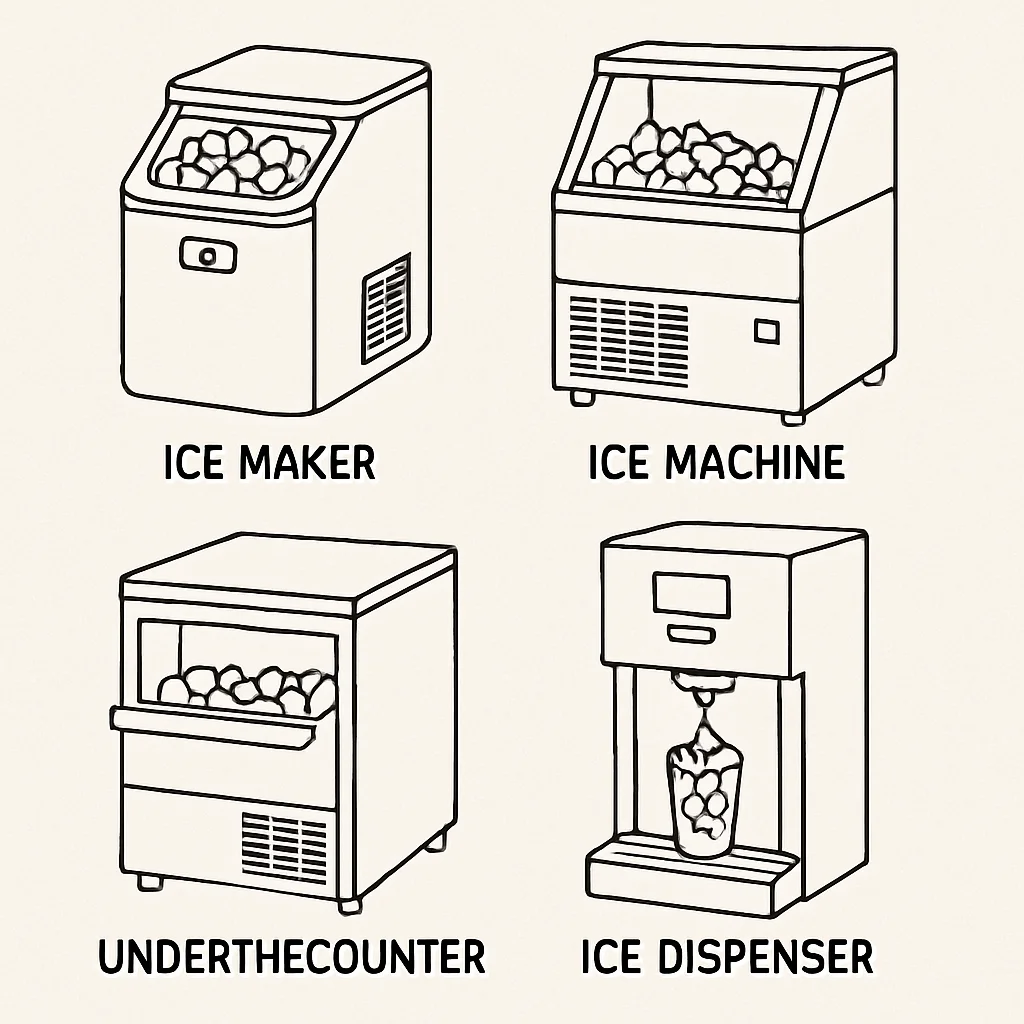
Understanding your machine also involves knowing its components. Key parts include the compressor, evaporator, and water supply. These components must function properly for efficient ice production.
Educate yourself on troubleshooting techniques. Familiarity with your model helps address minor issues promptly. A proactive approach ensures longer machine lifespan and efficiency. Consider consulting the manual for tailored advice.
Step-by-Step Ice Maker Cleaning Guide for Home Bars and Kitchens
Keeping your ice maker clean is key to safe ice storage. Regular cleaning reduces risks of mold and bacterial growth. Follow these steps for a thorough cleaning process.
First, unplug the ice machine to ensure safety. This prevents electrical shocks while you clean. Always prioritize safety by turning off water supply if possible.
Next, remove all ice from the bin. Use a clean container to store ice temporarily. Avoid handling ice with bare hands to prevent contamination.
Prepare a cleaning solution. Mix equal parts of water and vinegar or use a commercial cleaner. This solution effectively cleans and sanitizes the machine.
Now, clean the interior surfaces of the ice bin. Use a soft cloth or brush to scrub areas thoroughly. Pay special attention to corners and crevices where residue can accumulate.
- Soft cloth
- Soft brush
- Vinegar solution
- Commercial cleaner
Rinse the interior with clean water. Ensure all cleaner residues are removed to maintain ice quality. After rinsing, dry the bin completely with a towel.
Clean and dry the exterior surfaces of the machine. This helps prevent dust and dirt accumulation. Regularly wiped surfaces improve the machine’s overall appearance.
Replace the water filter if needed. A new filter ensures high water quality for ice production. This step is crucial for maintaining the machine’s performance.
- Soft towel
- Water filter
- Clean water for rinsing
- Towel for drying
Finally, reconnect power to the machine. Allow time for the ice maker to resume operation. Keeping a checklist for future cleaning helps maintain consistent hygiene.
Regularly schedule cleaning sessions. Monthly cleanings are sufficient for moderate use. Increase frequency for high-use settings to ensure pristine ice quality.
Preventing Mold in Ice Maker Bins: Best Practices
Mold in ice maker bins poses health risks and affects ice quality. Preventive measures are essential to avoid these issues. Consistency and attention to detail are key in maintaining a mold-free environment.
The first step is ensuring proper ventilation around the ice machine. Adequate airflow prevents moisture accumulation, a key contributor to mold growth. Keep the area dry and well-ventilated at all times.
Regular cleaning schedules are vital. Clean the ice bin at least once a month. In areas of high use, increase this frequency for optimal results.
Inspect your ice machine’s drainage system. A well-functioning system prevents water from pooling. Check for blockages and ensure efficient water removal.
- Ensure proper ventilation
- Adhere to regular cleaning schedules
- Check drainage system regularly
- Use dedicated ice scoop
- Avoid overfilling bin
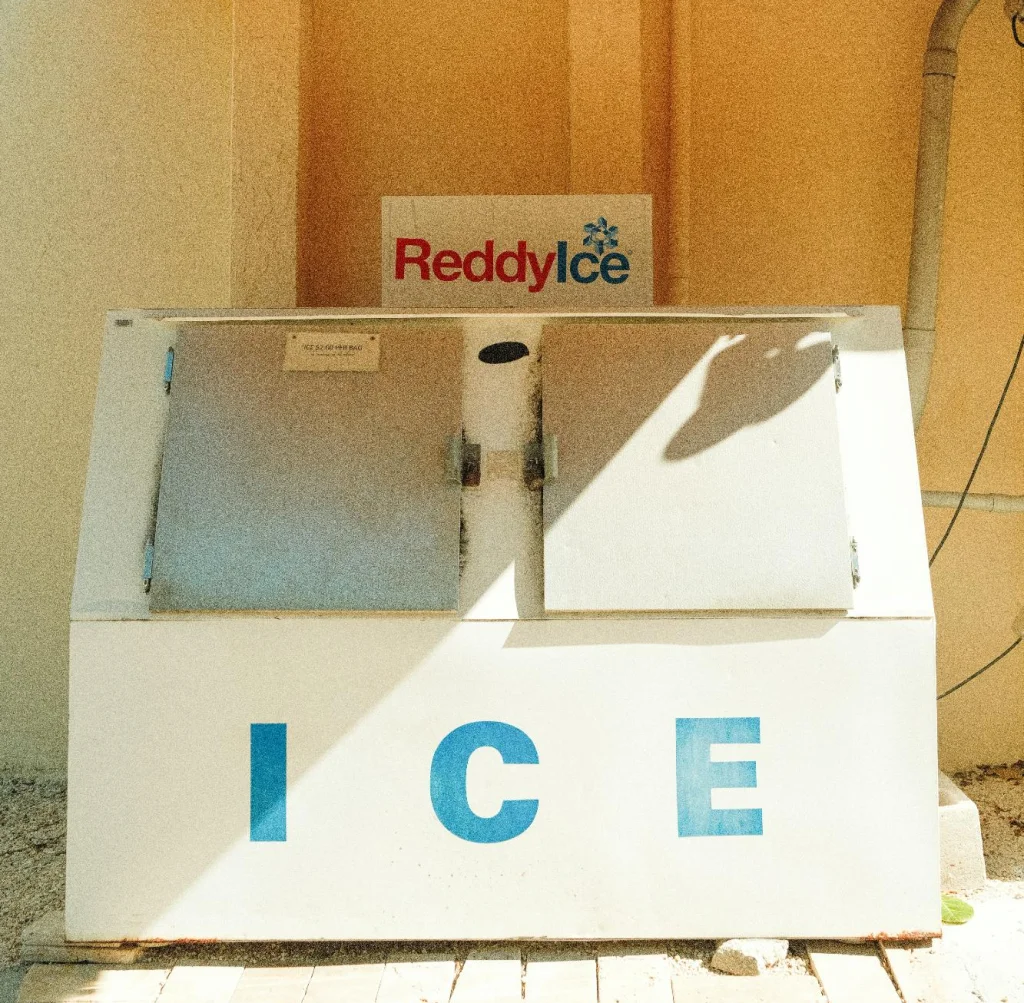
Use a dedicated scoop for handling ice. This prevents cross-contamination with other utensils. Also, avoid using bare hands to keep bacteria away.
Lastly, never overfill the ice bin. Overfilling restricts airflow, leading to clumping and possible mold. Allow space for air to circulate freely around the ice.
By following these best practices, you create a clean and safe environment. This ensures high-quality ice production free from mold contamination. Stay vigilant and proactive in maintaining hygiene standards.
Safe Ice Storage: Handling, Containers, and Temperature Control
Proper handling of ice is as critical as making it. Always use clean, food-safe containers when storing ice. This minimizes the risk of contamination.
Avoid using dirty hands to handle ice. Use clean utensils to transfer ice, such as a dedicated scoop. This prevents bacteria transfer and maintains hygiene.
Temperature control is vital for safe ice storage. Ice should always be stored at temperatures below 32°F (0°C). This prevents melting and preserves ice quality.
- Use clean, food-safe containers
- Handle ice with clean utensils
- Maintain temperature below 32°F
Select storage containers that are specifically designed for ice. These containers ensure that the ice does not absorb odors from surrounding foods. Label and date containers for easy tracking.
To sustain temperature control, use a reliable thermometer. Periodically check your storage environment to confirm it remains below the required threshold. Consistent monitoring reduces the risk of ice degradation.
- Choose specialized ice storage containers
- Ensure containers are odor-resistant
- Regularly check temperature with a thermometer
Avoid storing ice near pungent-smelling foods. Ice can quickly absorb nearby odors, affecting taste. Ensure the storage area is clean and away from strong-smelling items.
By prioritizing handling, containers, and temperature control, you ensure safe and long-lasting ice. This is especially important for event hosts or those using ice for food preparation. Consistent application of these practices enhances your ice storage success.
Keeping Ice Fresh for Parties and Events
Ensuring ice stays fresh during parties requires careful planning. Begin by freezing a good amount of ice in advance. This ensures you have enough supply to meet demand throughout the event.
Use insulated containers to store your ice during the party. These containers help maintain the low temperature, preventing ice from melting quickly. This keeps the ice usable for longer durations.
- Freeze ice in advance
- Use insulated storage containers
- Keep ice away from high-heat areas
Position the ice storage away from heat sources such as sunlight or kitchen appliances. Heat exposure accelerates melting and decreases ice quality. Plan the location wisely to keep ice fresh throughout the event.
Remember to periodically check the ice supply during the party. Replenish the containers with more ice as needed. This ensures continuous availability and maintains the atmosphere of the gathering.
Commercial Ice Machine Hygiene Tips: Staff Training and Maintenance
Maintaining hygiene in commercial ice machines is pivotal for health safety. Training staff is a critical element of this process. Properly educated team members understand the importance of keeping ice machines clean and safe.
Regular training sessions help employees learn effective cleaning methods. They should be well-versed in recognizing signs of mold or contamination. This proactive approach prevents potential health risks.
- Educate staff on ice machine cleaning
- Regular training on hygiene practices
- Recognize contamination signs promptly
Implement a detailed cleaning schedule and assign responsibilities to staff members. This ensures consistency and accountability. Follow manufacturer guidelines for the best cleaning practices.
- Assign cleaning duties to specific staff
- Create a detailed cleaning schedule
- Adhere to manufacturer guidelines
In addition to regular cleanings, periodic professional inspections are advised. These checks help identify and address mechanical or hygiene issues early. Investing time in training and maintenance safeguards both the equipment and the health of consumers.
Is Dry Ice Safe for Food Storage? Ice Safety Guidelines Explained
Dry ice is popular for keeping items extremely cold, but is it safe for food storage? The short answer is no. The very low temperatures of dry ice can lead to burns and injuries if handled incorrectly.
Furthermore, dry ice releases carbon dioxide as it sublimates. This process can create a build-up of gas in closed spaces, posing a suffocation risk. Hence, dry ice is not recommended for direct storage with food meant for consumption.
- Use dry ice in ventilated areas.
- Avoid direct contact with food.
- Wear protective gloves when handling.

For safe use, employ dry ice only in open, well-ventilated environments. It is excellent for keeping coolers cold for transportation but should not be in direct contact with food. Taking these precautions helps prevent accidents and ensures safe storage conditions.
Troubleshooting Common Ice Machine Problems
Ice machines can sometimes have issues that impact performance. Recognizing these signs early is crucial for maintenance. Typical problems include unusual noises, leaks, and inconsistent ice production.
Addressing unusual noises often involves checking for loose parts. Tightening screws and ensuring components are secure might resolve the issue. Leaks, however, require inspecting water connections. Check hoses and seals for damage or misalignment.
Inconsistent ice production can stem from various sources. First, confirm that the machine is level. Next, inspect the water filter and replace it if needed. Blockages in the ice chute could also interrupt flow, affecting ice quality.
- Check for loose parts or screws.
- Inspect water connections for leaks.
- Ensure the machine is level and filters are clean.
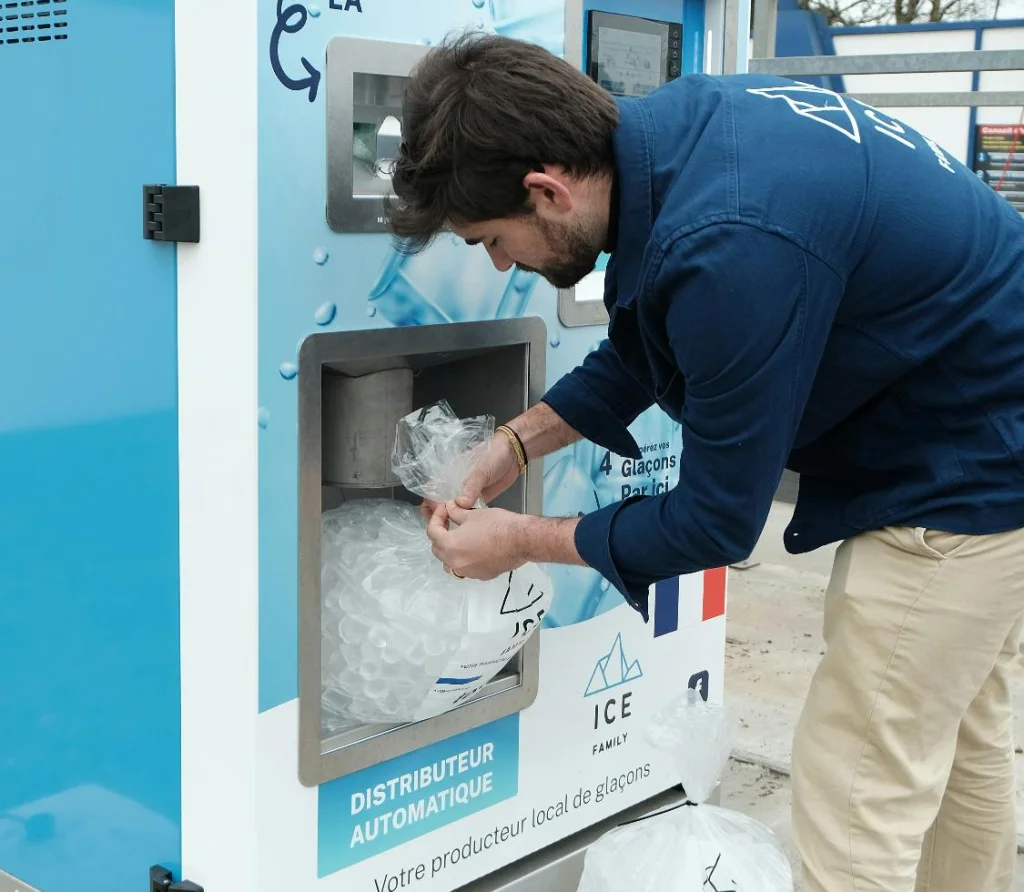
Keeping these troubleshooting tips in mind can prevent larger problems. Regular checks ensure efficient operation and prolong your machine’s lifespan, maintaining ice quality for your needs.
Maintenance Schedules and Record-Keeping for Ice Machine Hygiene
Establishing a regular maintenance schedule is key to keeping your ice machine clean and safe. Frequent cleaning prevents mold and ensures optimal operation. Adhering to this schedule is essential for hygiene and efficiency.
Record-keeping helps monitor completed tasks and identify recurring issues. Maintain a log that documents cleaning, inspections, and any repairs made. This record provides valuable insights for managing the machine effectively over time.
To create an effective routine, consider:
- Cleaning the ice bin monthly.
- Replacing water filters every three months.
- Conducting bi-annual professional servicing.
Keeping a detailed maintenance log can streamline troubleshooting. It ensures tasks aren’t overlooked and supports consistent practice. A well-documented history facilitates better decision-making about when to repair or replace components.
Conclusion: Building Safe Ice Storage Habits
Safe ice storage is vital for maintaining health and quality. By implementing regular cleaning and maintenance routines, you can prevent mold and ensure fresh, clean ice. These habits are essential whether at home or in a commercial setting.
Educating household members or staff on proper ice handling and storage is crucial. Everyone should understand the significance of hygiene and be aware of potential contamination risks. This collective knowledge ensures a more consistent approach to safe ice practices.
Commit to revisiting these routines periodically to adapt to new insights and technologies. Staying informed about best practices in ice storage and machine maintenance ensures your efforts remain effective. The small steps you take today can build the foundation for a healthier, more efficient operation in the future.