Keeping your chainsaw sharp isn’t just about cutting efficiently—it’s about safety too. A dull chainsaw struggles through wood, increases the risk of kickback, and makes your work slower and more dangerous. The good news? Learning how to sharpen a chainsaw is simple, and anyone can do it with a little practice. Using just a file and a few easy steps, you can restore your chainsaw’s edge for smooth, precise cuts. A sharp chainsaw works better, lasts longer, and keeps you safe while tackling branches, logs, or firewood.
Signs You Need to Sharpen a Chainsaw
Keeping your chainsaw sharp is essential for smooth, safe, and efficient cutting. Knowing when to sharpen your chain helps prevent accidents and keeps your work easy. Here are the main signs that your chainsaw needs attention.
Dull Cutting
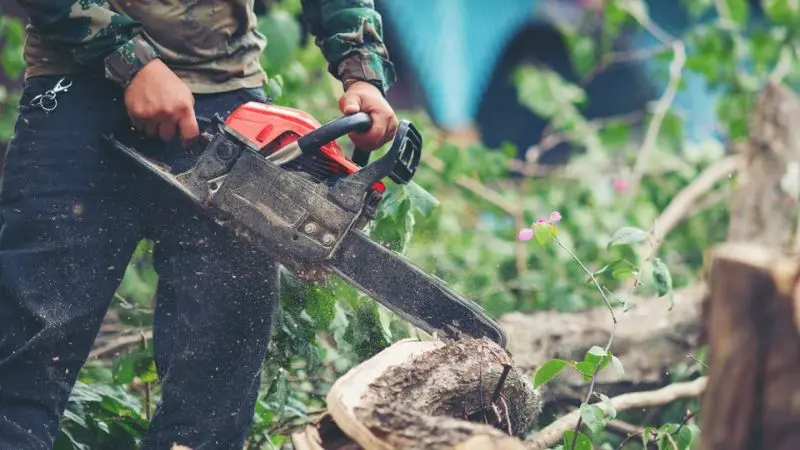
When the chainsaw is found to be unable to cut wood easily, it is obvious that the chain is in a state of wear and tear. When you touch the tool, you will tend to have it move slowly, and you will need to push it harder to make a cut. The teeth are not sharp enough; another sign of that is the rough, uneven edges on your wood.
A chain is healthy, and smooth, clean cuts are a symptom. Once your chainsaw starts losing that efficiency, it’s time to know how to sharpen a chainsaw at home. A chainsaw sharpening guide will ensure that you can recycle your saw to optimal usage, as well as safely and easily.
Sawdust Instead of Wood Chips
Among the easiest things to check to determine whether or not your chainsaw needs to be sharpened is what you see during a cut. A sharp chainsaw generates bulky wood chips, but a dulled chainsaw generates fine sawdust. When you find dust but not chips, the teeth are unable to sink the wood as they should; thus, you will work more slowly and be at risk.
The ground should always be checked after a completion cut. Chainsaw sharpening tips will do the job, and you can learn to sharpen a chainsaw using a file. It will cut efficiently, form the right chips, and keep your cutting and range of energies safe. This basic routine makes your saw run at its optimum level continuously.
Chain Pulls to One Side
A chainsaw that drifts or pulls to one side during cutting usually has uneven teeth. Uneven teeth create an imbalance, making it hard to achieve straight, controlled cuts. This problem can tire you out quickly and increase the risk of accidents. By sharpening the chain and making sure all teeth are even, you can restore proper cutting balance.
Learning how to sharpen a chainsaw with a grinder or following a chainsaw sharpening guide can help you correct uneven teeth. Proper maintenance keeps your chainsaw cutting smoothly and safely, giving you confidence and precision for every project.
Smoke or Burn Marks
When cutting, if you see smoke or dark burns on the wood, then your chain is dull and is overworking. Extra friction creates heat, and that heat is capable of damaging not only the bar but also the wood, making it a hard and unsafe operation. A sharp chain cuts through the wood without any scorch. It is time to make a move when you notice burns.
By following chainsaw sharpening tips or understanding how to sharpen a chainsaw in your home yard, you guarantee that your saws are cutting smoothly, increasing efficiency and extending the chain life of your own saw. Ensuring that you and your wood are safe is through regular sharpening.
Tools and Preparation for Sharpening Your Chainsaw
Before you sharpen a chainsaw, proper preparation and the right tools make all the difference. Being organized and ready ensures your work is safe, efficient, and effective. Let’s break down what you need to get started.
File Types for Chainsaw Sharpening
To sharpen a chainsaw properly, you need the right files. Most chains require a round file that matches the chain size, such as 5/32″, 3/16″, or 7/32″. A flat file is also necessary for adjusting the depth gauges. Using a file guide helps you maintain the correct angle consistently while filing.
Some chainsaw owners also use a depth gauge tool, which makes the job faster and more precise. Knowing how to sharpen a chainsaw with a file correctly is essential for keeping your saw cutting smoothly and safely without damaging the teeth.
Safety Gear for Sharpening
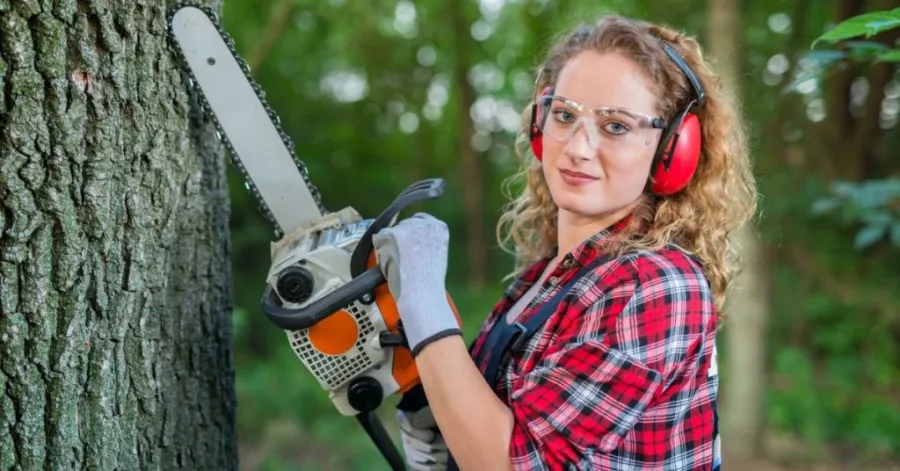
Safety should always come first when sharpening a chainsaw. Sturdy gloves protect your hands from sharp teeth and metal filings. Safety goggles are essential to keep shavings and debris out of your eyes. Ear protection is optional but recommended if you’re working in a loud environment or using power tools.
Wearing proper gear reduces the risk of injury and lets you focus on the sharpening process. Following chainsaw sharpening tips includes using the correct safety equipment to ensure your hands, eyes, and ears stay protected during every sharpening session.
Workspace Setup for Efficient Sharpening
Sharpening can be done in a clean and well-lighted environment. Place it on a flat surface where you can easily view each chain tooth. Place a cover over filings and debris. Start by cleaning your chain with a rag or a brush since carbon and oil may cause uneven filing.
A chainsaw needs to be locked in one position when you are doing your work—it should not move. Learning to sharpen a chainsaw at home properly not only involves setting up a comfortable, visible, and safe working area, but it also involves ironing your workspace so that you ultimately get a consistent, neat, and well-sharpened chainsaw cut.
How to Sharpen a Chainsaw: Step-by-Step Guide
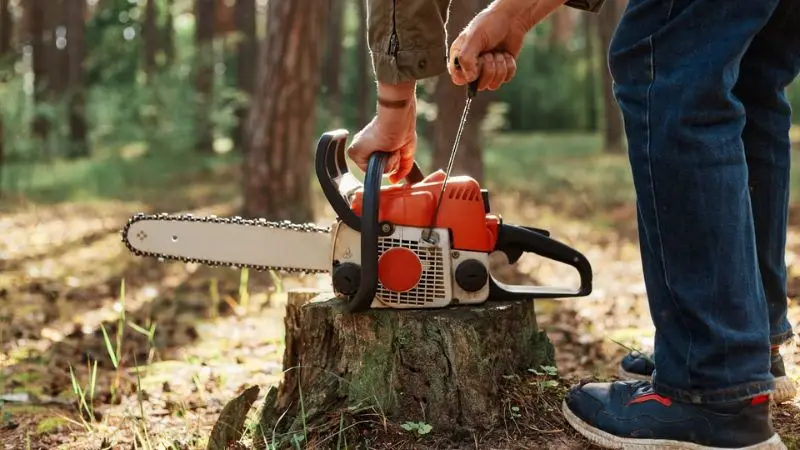
Sharpening your chainsaw may seem tricky at first, but with the right approach, anyone can do it. Following clear steps ensures your chain stays sharp, safe, and efficient. Here’s a practical guide on how to sharpen a chainsaw at home, keeping your tool in top shape.
Mark the Chain
Before you begin sharpening, mark your first cutter with a marker or crayon. This small step helps you keep track of where you started, so you won’t accidentally miss a tooth or sharpen the same one twice. It might seem minor, but marking the chain makes the whole process smoother and more organized.
Especially if you’re learning chainsaw sharpening tips, having a clear starting point gives you confidence and ensures consistency. Each tooth will get attention, and you can work methodically around the chain, making your sharpening session faster, safer, and more precise.
Set the Filing Angle
Check your chainsaw’s manual to find the correct filing angle, usually around 25° or 30°. Place your file guide on the tooth and align it carefully with the angle marks. Maintaining the proper angle is crucial; the wrong angle can make your cuts uneven or slow. Learning how to sharpen a chainsaw with a file or a grinder helps you maintain this angle consistently.
Smooth, precise filing improves both cutting performance and safety. Practicing this step regularly ensures that every tooth is filed the same way, giving you straight, clean cuts every time you use your chainsaw.
File Each Tooth
Hold your file at the correct angle and push it across the tooth, always away from your body. Use smooth, steady strokes and count them—usually four to six per tooth—to keep all teeth uniform. Make sure every tooth gets the same attention to keep the chain even and sharp. Keeping the file perpendicular to the file guide rollers helps maintain accuracy.
Regular filing is part of effective chainsaw sharpening tips, ensuring your saw cuts efficiently. Consistent filing reduces fatigue, makes cutting wood easier, and keeps your chainsaw in top working condition, ready for any project.
Adjust Depth Gauges
Check the depth gauges after the sharpening of the cutting teeth. Insert the depth gauge apparatus over all of them to determine whether one of them is too high. When they do, then take a flat file and scrape them down. Setting the depth correctly means that the chain does not break into too large or too small pieces of wood and provides controlled cuts through the wood.
Sharpening a chainsaw at home involves this step, which serves as a form of protecting your chain, your saw, and your workpiece. Regular adjustments of the depth gauges will ensure a consistent cut, use less effort, and save on needless damage to your chainsaw.
Final Check
Once you’ve finished sharpening, inspect the chain carefully. Every tooth should be sharp, even, and shiny. Spin the chain by hand to make sure you haven’t missed any teeth, and touch up any dull ones. Following this process regularly—after every few tanks of fuel—is a key chainsaw sharpening tip.
A well-maintained chain cuts more efficiently, lasts longer, and makes your work safer and easier. Using a chainsaw sharpening guide ensures each session is consistent, giving you confidence that your chainsaw will perform at its best every time you need it.
Chainsaw Sharpening Tips for Safety and Maintenance
Along with proper sharpening techniques, following these tips helps prevent mistakes, keeps you safe, and prolongs your chainsaw’s life.
Safety Comes First
Safety is the most important part of chainsaw maintenance and sharpening. Always wear sturdy gloves and safety goggles to protect your hands and eyes from sharp teeth and flying metal filings. Ear protection is optional but recommended if your workspace is noisy. Keep the chainsaw on a stable surface and lock the chain brake before starting.
Avoid rushing or distractions, and work carefully. Following these chainsaw sharpening tips ensures you remain safe while sharpening, allowing you to file each tooth accurately and maintain your chainsaw’s efficiency and longevity.
Common Mistakes to Avoid
There are a lot of mistakes that can often be avoided when sharpening a chainsaw. One of the major errors is to file at an incorrect angle, which could lead to rough cuts that are slow. Leaving out the adjustments of the depth gauges or even stroking unevenly can result in the chain either pulling off to one side or not cutting appropriately.
Stroke countering and the use of a chainsaw sharpening guide guarantee that teeth are cut in straight lines. The same technique eliminates drift, irregular wear, and minimizes the cutting effort. The correct way of sharpening your chainsaw with a file can prevent these errors, maintain the chain sharp, efficient, and safe in all cutting tasks.
Regular Maintenance Advice
Proper maintenance is key to keeping your chainsaw performing at its best. After each use, clean the chain thoroughly and check the tension to ensure smooth operation. Make sure the oil level is correct to prevent overheating and excessive wear.
Sharpen your chain regularly, typically after a few tanks of fuel, to keep cutting effortlessly and safely. Learning how to sharpen a chainsaw at home and following routine chainsaw sharpening tips will extend the life of your chainsaw, make each cut easier, and reduce strain on both you and the tool. Consistency is the key to reliable performance.
Wrap Up
Knowing how to sharpen a chainsaw is essential for safe, smooth, and efficient cutting. By spotting the signs of a dull chain, preparing the right tools, and following proper sharpening steps, you can maintain your chainsaw at home with confidence.
Always prioritize safety, avoid common mistakes, and perform regular maintenance to extend your tool’s life. Whether you use a file or a grinder, following a clear chainsaw sharpening guide ensures every tooth is even and sharp. With consistent care, your chainsaw will cut faster, last longer, and make every woodworking project easier and safer.
FAQ
What frequency of sharpening the chain of your saw?
After every few tanks of fuel, you should sharpen your chain. When you see dull cuts or sawdust, sharpen them immediately.
Is it possible to sharpen a chainsaw without a file guide?
Yes, you can. A file guide assists you in maintaining the right angle; however, seam sharpening is possible by being very attentive and consistent.
How will it work without adjusting the depth gauges?
This step is important, or your saw will cut badly or cut too deeply into the wood you cut. Always look at depth gauges, and to be safe, cut smoothly.