You can tighten bolts to the correct torque by learning how to set a torque wrench. The torque wrench is adjusted, the torque selected, and the lock is in place. This will keep you and your tools safe, as well as extend the life of your tools. Check your manual to see what steps are required for each wrench. These steps will help you avoid making mistakes and achieve the best results.
In this guide, we’ll see how to set a Torque Wrench Step-by-Step by following a clear torque wrench setting guide that works for beginners and professionals.
What Is a Torque Wrench and Why Proper Setting Matters
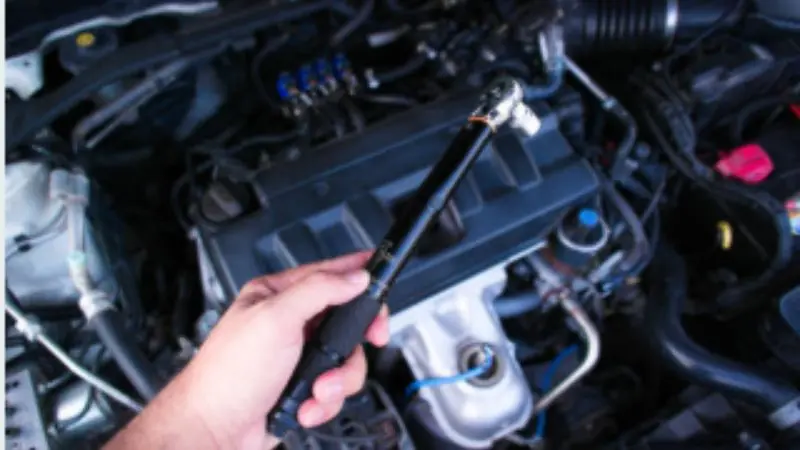
You can tighten bolts or nuts with a torque wrench. It is used when things need to be safe and secure. For example, on bikes, cars, or machinery. Setting torque wrench correctly ensures that bolts are tightened. You can use a calculator or the scale on your torque wrench to convert it to newton metres. This tool ensures that you don’t over- or under-tighten your fasteners.
Types of Torque Wrenches
In stores, you can buy a variety of different torque wrenches. The most common are:
- Click-type torque wrench: This type emits a clicking sound when the torque is reached. Click-type torque wrenches are popular because they are easy to use and reliable.
- Beam torque wrench: This torque wrench has a scale and a pointer. When you apply force, the pointer moves.
- Digital torque wrenches: They show the torque on a screen. Some digital torque tools vibrate or beep when the setting is correct.
- Foot-pound torque wrench: For larger jobs like tightening wheels, we can use this wrench. It measures force in foot-pounds.
- Inch-pound torque wrench: It is ideal for small tasks like electronics or bicycles. If your project is in metric units, you may need to convert the inch-pound torque wrench into newton metres.
Tip: Before starting Check your torque specification. These can be found in your manual or on the bolt packaging.
Consequences of Incorrect Torque
You can have problems if you don’t follow a proper torque wrench setting guide. Bolts can be stretched or broken by over-tightening. Parts can come loose if you under-tighten. If you ignore wheel torque specifications, for example, your wheels may not be able to stay in place. The wrong setting of a foot-pound torque tool or an inch-pound torque tool can cause damage to your project. Digital torque wrenches can help you avoid errors by displaying the exact value. If your instructions are in metric units, you should convert your torque wrench into newton-meters. To ensure your safety and the safety of your equipment, you should always follow the torque specifications.
Tools and Safety Tips You Need Before Setting a Torque Wrench

Before adjusting a torque wrench, make sure you have the proper equipment and a safe working setup, so you can focus on accuracy while learning how to adjust a torque wrench safely.
Essential Tools for Accurate Torque
Before you begin, you need to prepare a few things. The torque wrench should be used with the correct tools. Here is a quick checklist to get you ready:
- Torque Wrench (the correct type for your work)
- The right sockets for your bolts and nuts
- If you want to reach a tight spot, use extension bars
- Clean rags to remove dirt or oil
- The manual of your product manufacturer
A small notepad is also a good idea. Note down the torque values that you require. You can stay organized by writing down the torque values you need. Calibrate your torque wrench prior to starting if you want the best results. This ensures that your tool will give you the most accurate reading.
Before using the torque wrench, double-check the size of your socket. If you use the wrong size, it can cause damage.
Safety Precautions to Keep in Mind
When you use the torque tool, safety is always a priority. Protect yourself and your tools. Here are a few simple safety tips.
- Protect your eyes from flying debris by wearing safety glasses.
- Dry and clean your hands. Accidents can occur if your hands are slippery.
- Standing in a stable posture is important. It’s important to maintain your balance when working.
- Use the torque wrench only as a tool to tighten bolts. This could damage the tool.
- Use the torque wrench only after you have set the torque value. Do not adjust the torque wrench while you are applying force.
You can be confident in your work if you follow these simple steps. Your tools will stay in top condition, and you’ll avoid getting hurt. When using the torque wrench, remember that a little bit of care can go a long way.
Step-by-Step Guide: How to Set a Torque Wrench
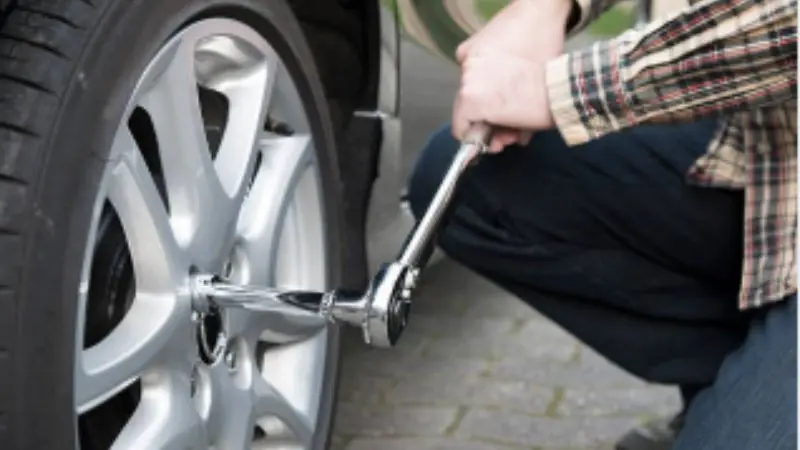
In this section, we’ll see how to set a torque wrench step by step guide to setting a torque wrench
by using the correct method and settings.
Step 1 – Determine the Required Torque
You need to know what torque you should use for your project before you begin. This number can be found in your bolt package or manual. You will find a torque value listed if you are tightening nuts and bolts in a vehicle, bike, or machine. This value should be written down to ensure you don’t forget it. This is the first part of how to set up a Torque wrench for car maintenance or any mechanical task.
Use a calculator or a chart to convert torque if you are using a wrench that is marked in a unit other than the one listed.
Step 2 – Unlock the Torque Wrench (if applicable)
Some wrenches come with a lock on the handle. Before you can change the torque setting, you must unlock the lock. You can either turn the lock ring or pull the collar down, depending on the model. This step will help you avoid making mistakes when adjusting the torque wrench.
Step 3 – Adjust the Torque Setting
You can now adjust the torque setting. Turn the knob or dial until you reach the desired value. Slowly and carefully watch the numbers. Use small turns to fine-tune your torque. Precision at this stage is essential for setting torque wrench correctly.
Step 4 – Lock the Setting
Lock the handle or collar after you have set the torque wrench. You can lock the handle or collar to keep your settings in place as you work. The value should not be changed by accident. How to set a Torque wrench includes locking the setting.
Step 5 – Test the Wrench Before Use
Test the wrench before tightening nuts and bolts on a spare or practice piece. Watch the display or listen for the click. This test will show you if your wrench is working properly. The last step to setting a torque tool is testing.
Before starting your main project, double-check all settings
Tips for Using a Torque Wrench Correctly
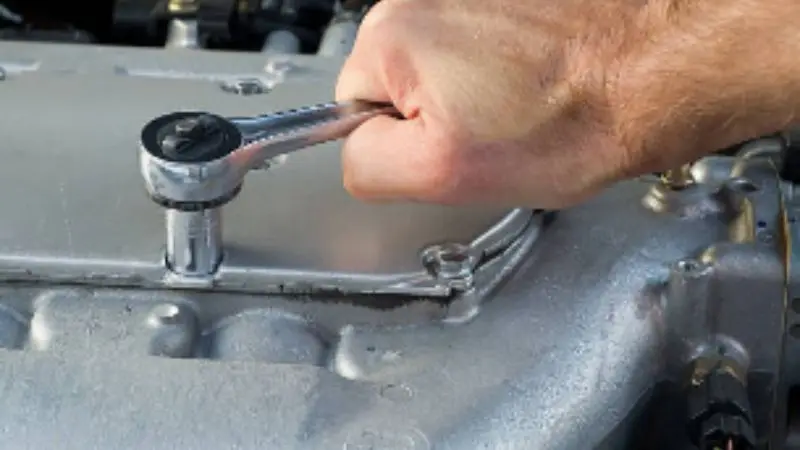
To achieve precise tightening, it’s important to follow the correct process, which helps to prevent damage. The steps below explain the correct way to apply torque safely.
Apply Steady Pressure
When using a torque tool, you want the best possible results. Apply slow, steady pressure. Avoid jerking or rushing. You may miss the click if you pull the handle too quickly. Hold the handle in the middle. You will get a more accurate reading. You can practice first on a spare bolt if you are unsure.
Watch the display or listen for the click. When you reach the torque set, stop immediately.
Always Use Calibrated Tools
When you use a calibrated tool, the torque is always right. You could tighten bolts too much or too little if your wrench isn’t calibrated. Experts recommend that you check your wrench’s calibration at least once a year, or every 5,000 times. This can be done at a tool store. You should have your wrench checked if you drop it. This will keep your work and tools safe.
- On a sticker, write the date of your most recent calibration.
- Keep a logbook of your tools.
Store the Wrench Properly
Your torque wrench will last longer if you store it properly. Set the torque wrench to its lowest position after you are done. The spring will be relieved of pressure. Cleanse the tool with a dry cloth. It can be stored in a case or a dry drawer. Avoid leaving it in a damp or hot garage. A good storage method will prevent rusting and keep the wrench in a ready state for your next project.
After every job, clean the torque wrench. This will help you to learn how to use it for years to come.
Follow these tips to make the most of your torque wrench. Your tools will work well, and you’ll keep your projects safe.
Conclusion
You now know how to set a torque wrench and how to use a torque wrench for your projects. Here’s a quick recap: pick the right torque value, adjust and lock your wrench, test before you start, use steady pressure every time, and take care of your tools. Calibrate your wrench often. When you follow these steps, you keep your work safe and your wrench working for years.
FAQ
How often should you calibrate a torque wrench?
Once a year, or after every 5,000 usages, you should calibrate your wrench. If you drop it, get it checked right away. This keeps your readings accurate.
Can you use a torque wrench to loosen bolts?
You should not use the torque wrench to loosen bolts. It can cause damage to the tool. Instead, use a regular wrench or breaker bar.
What happens if you over-tighten with a torque wrench?
If you over-tighten, you can stretch or break the bolt. This can also damage the parts you work on. Always stop when you reach the set torque.
Do you need to reset the torque wrench after use?
Yes, always set your torque wrench back to its lowest setting after you finish. This helps the spring inside last longer.
Can you use a torque wrench for any bolt size?
The torque wrench can be used for a wide range of bolt sizes. However, you will need to use the correct socket. The wrench range should match your project.