In the world of automotive engineering, brake pads are crucial for safe driving. These small yet significant parts are important to stop a moving vehicle in a controlled manner. Over time, they wear out and need replacement so that you remain responsive on the road.
Do you know how to replace brake pads? Don’t worry! It is very easy, and we will guide you in this article on how to replace car brake pads in easy steps. With a few basic tools, guidance, and patience, you can replace car brake pads yourself cost-effectively. Let’s begin!
When should you replace brake pads?
It is important to know the correct time to replace your car brake pads. Most car brakes last between 30,000 to 70,000 miles, but it depends on several factors. It varies depending on the driving, road conditions, and type of materials used in the pads.
There are many other indicators, other than mileage, that show you how often to replace brake pads:
- Screeching sound: Many pads have wear indicators that produce a hog-pitch sound that shows they are worn out.
- Grinding noises: A metallic grinding sound is another indicator that shows the metal backing is contacting the rotor.
- Poor braking performance: You will feel it takes longer to stop the car, and the pedals also feel soft, showing a replacement requirement.
- Vibration: Damaged rotor or uneven pad wear can be the cause of vibrations through the pedal or steering wheel.
- Visual indication: You can see the pads through the wheel spokes. If the friction material is less than ¼ thick, you need to replace it.
Replacing the worn brake pads earlier will prevent the rotor from damage and give smoother brake performance. These indicators are crucial in learning how to replace brake pads by yourself.
Tools you’ll need to replace brake pads
For brake pad replacement, you first need to gather all the essential tools so you can replace them swiftly by yourself. Here is the list of those tools:
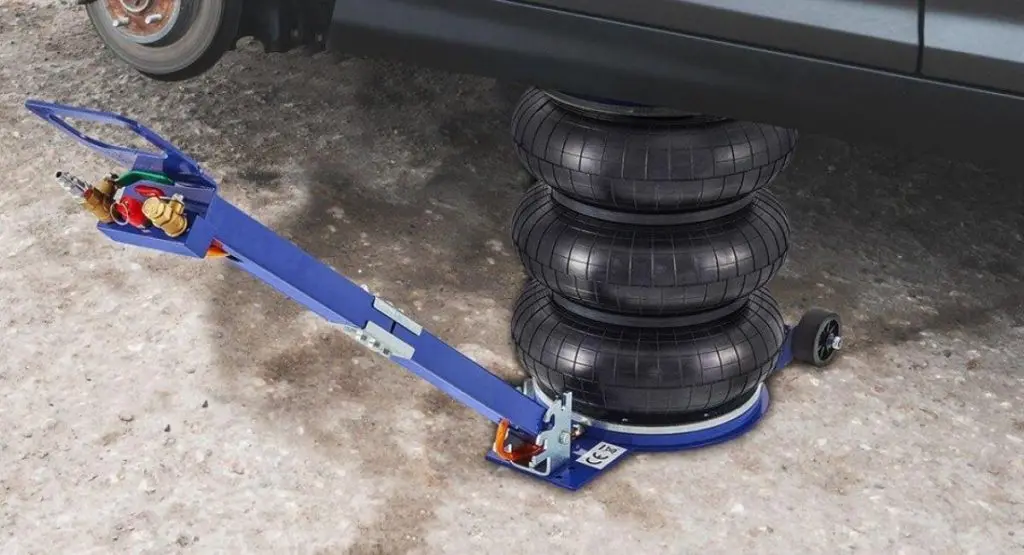
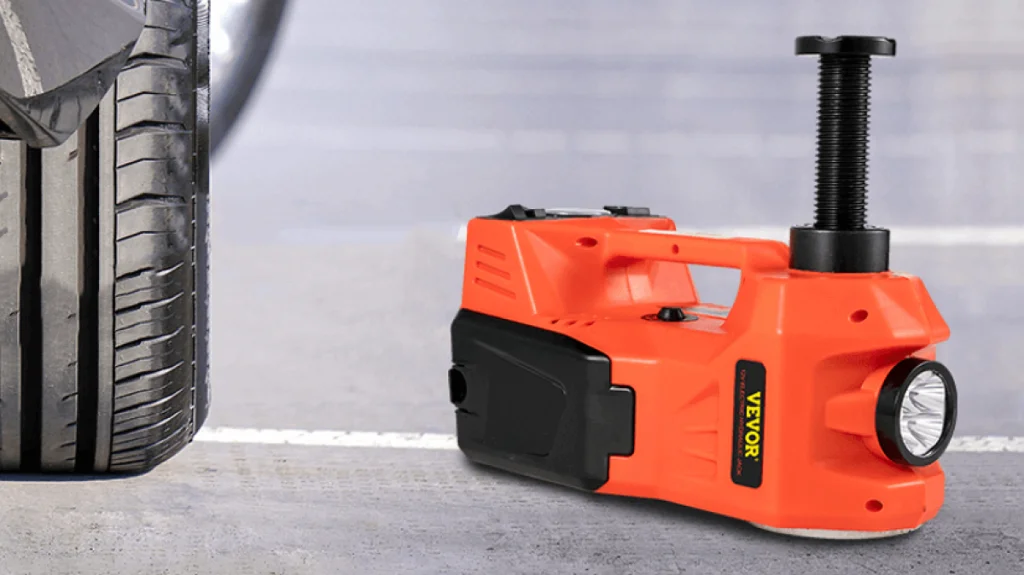
- Car jack and jack stand: to lift and support your vehicle.
- Socket set and ratchet: to remove caliper bolts.
- Lug wrench: to take out wheels.
- C-clamp tool: to compress the caliper.
- Flathead screwdriver: Helps in removing pads and hardware.
- Brake cleaner spray: Used to clean rotors and calipers.
- New brake pads and hardware: Needed according to your vehicle model.
- Anti-squeal brake lubricant: To apply at the back of the pads and sliding pins.
- Gloves and safety glasses: For your protection.
A torque wrench is an optional tool, but it is helpful for tightening bolts and wires.
How to replace brake pads step by step
After gathering the tools, it is time to note down the steps carefully:
Step 1: Secure the vehicle and remove the wheel
Park your vehicle on a level surface and engage the parking brake. Loosen the lug nuts while keeping the car still on the ground.
Lift the vehicle with the help of a car jack and place it safely on the jack stand. Remove the wheel to expose the brake caliper and rotor. Double-check that the car is stable before proceeding further.
Step 2: Remove caliper and inspect rotor
The next step is to locate the brake caliper, which holds the pads against the rotor. Use a socket or wrench to remove the caliper bolts. Slide the caliper off the rotor gently. Do not let it hang by the brake hose. You can use a bungee cord to suspend it from the suspension spring.
Look for grooves, rust, or scoring for rotors, and if the surface looks damaged, consider replacing it.
Step 3: Remove old brake pads and hardware
Slide out the old brake pads from the caliper bracket and remove all the retaining clips or shims of the old pads. After that, use a brake cleaner to clean the bracket and rotor surface and remove the dust and dirt.
Inspect the caliper hardware, like guide pins, for corrosion. Clean them properly and lubricate with brake grease. This step is essential for the smooth functioning of the brakes and to prevent uneven wear.
Step 4: Install new brake pads and hardware
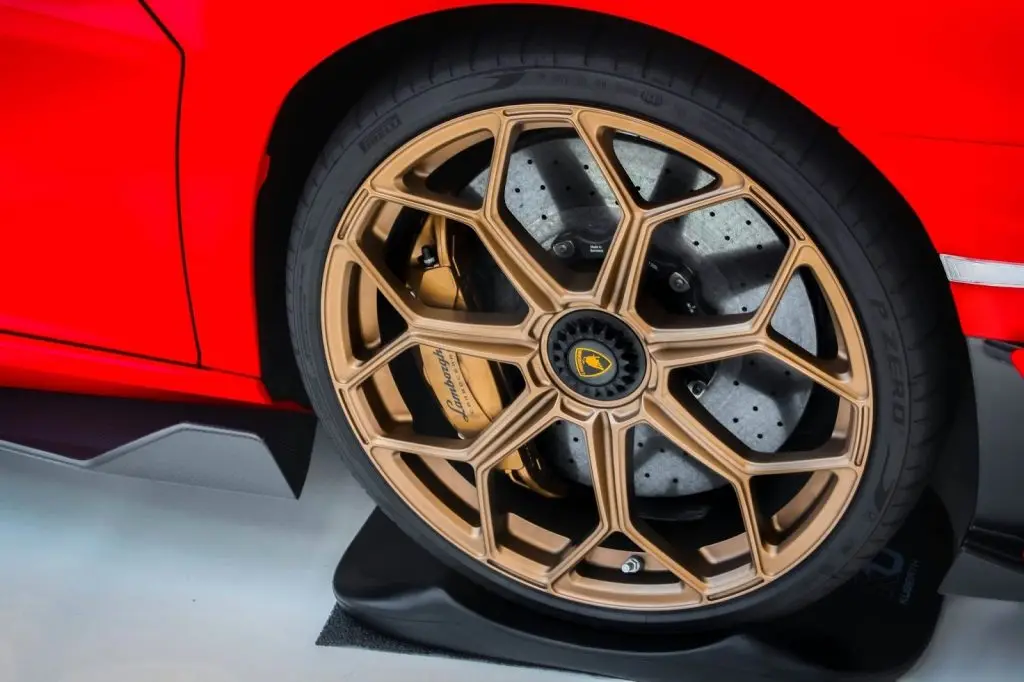
After removing the old pads, it is time to install the new clips included with your new brake pads. You will need to apply a thin layer of anti–squeal brake lubricant to the back of the pads. Now insert the new brake pads into the caliper bracket and check if they snug properly.
One more thing, before reinstalling the caliper, you have to make room for the new, thicker pads, and for this, use a C-clamp compression tool to gradually push the piston back into the caliper housing. Check the brake fluid reservoir under the hood and wipe off any overflow.
Step 5: Reinstall the caliper, wheel, and test the brakes
After installing new brake pads, carefully slide the caliper back over the new brake pads and onto the rotor. Reinsert and tighten the caliper bolts and check that they are snug and secured.
After that, reinstall the wheel, tighten the lug nuts with your hands, and then lower the car. Once the car is back on the floor, tighten the lug nuts in a star pattern for even torque.
To reset the caliper piston properly, pump the brake pedal several times until they are firmly fitted. Now that your brakes are installed and you know how to replace car brake pads, a few post-installation checks are necessary for safety purposes.
Post-replacement checks and best practices
It is important to check the fitting of the hardware so that it lasts long-lasting. There are a few final steps after installation.
Check rotor condition and thickness
Have you replaced the rotors? Even if you haven’t, measure their thickness with a micrometer. It may look fine visually, but they can still be worn unevenly with time and affect the brake performance.
Each rotor has a minimum thickness stamped on its edge, and if it’s below that, it’s time to replace it.
Bed-in procedure for new brake pads
Another step for new brake pads to work efficiently is that they need to be bedded in to work properly with the rotors. İn this process, you transfer even layer friction material onto the rotors to improve the brake performance and longevity. Here is a simple way to bed in:
- Find a safe and empty road.
- Perform five moderate stops from 40 mph down to 10 mph. This allows the brakes to cool slightly between each stop.
- İncrease the performance from 50 mph down to 10 mph.
- Do not completely stop the vehicle in the bed in the process. İt will prevent pad imprinting on hot rotors.
- Allow the brakes to cool completely.
After these steps, you will notice smoother and more consistent braking.
How to monitor performance after replacement
Follow these steps after replacing your brake pads to monitor the performance:
- Listen for noise: A slight squeak may occur, but if the sound is persistent, it means you need to recheck the installation.
- Check for vibration: Vibrations are caused due to rotor issues or worn pad wear.
- Monitor brake fluid level: İt is normal if the fluid level drops slightly.
- İnspection after a few months: A quick look and inspection can tell you if your pads need replacement or not.
Regular checking and proper maintenance increase the lifespan of your brake pads and make them more likely to function properly.
FAQs
How long do brake pads last?
How long your brake pads last generally depends on several factors, like road conditions, driving, and pad material. Generally, they can last up to 30000 to 70000 miles.
Can I replace brake pads without replacing the rotors?
Yes, if the rotors are safe to use within the thickness limits and show no warping, they are totally fine. But if they are uneven, it is better to replace them with the pads for better performance. When you are learning how to replace brake pads, follow our helpful tips for your assistance.
Are aftermarket brake pads safe to use?
Good quality aftermarket brake pads from authentic brands are safer and affordable than OEM parts. You just need to make sure that they are compatible with your vehicle and meet the safety standards as well.
Can I replace brake pads on all four wheels at once?
Yes, you can replace all four sets of brake pads in one go smoothly! Replacing all the brakes together is much better for the even performance of your vehicle. Usually, front pads wear out faster than the rear ones, so check each axle separately and replace where necessary.
Conclusion
You don’t know how much does it cost to replace brake pads of your vehicle, so learning this DIY skill is extremely helpful to save for a rainy day. With the right tools, techniques, and patience, you now know how to replace brake pads by yourself in just a few hours.
Follow the steps provided above and remember to inspect the rotors, bed in new pads, and test your brakes before taking it to the road. By following these instructions and maintaining regular brake inspections, you can keep your car safe and ready to hit the road. Have a safe journey!