The safe recovery of refrigerant is a significant process in the maintenance, repair, and replacement of HVAC systems. The tools and techniques needed to avoid refrigerant leakage, protect the environment, and ensure that cooling equipment remains efficient are used correctly. Knowing how to recover refrigerant using a recovery machine will enable you to extract refrigerant in air conditioners, refrigeration systems, and HVAC systems without emitting harmful gases. In this guide, the necessary equipment, recovery techniques, connection procedures, and safety measures are outlined. No matter what size AC unit or larger refrigeration system you are working on, knowledge of the correct refrigerant recovery procedures can help make the process safer and more effective.
Table of Contents
Tools and Equipment Needed for Refrigerant Recovery
Refrigerant recovery requires the right tools and equipment to be in place before initiating the process to prevent injury during recovery. The right equipment prevents leaks, keeps the HVAC system safe, and ensures refrigerant is properly stored.
It is also easier when appropriate recovery tools are used, and the chances of damaging the machine or the environment are also minimal. All components have a significant role, including refrigerant transfer and pressure levels during operation.
Recommended For Your Project
Refrigerant Recovery Machine
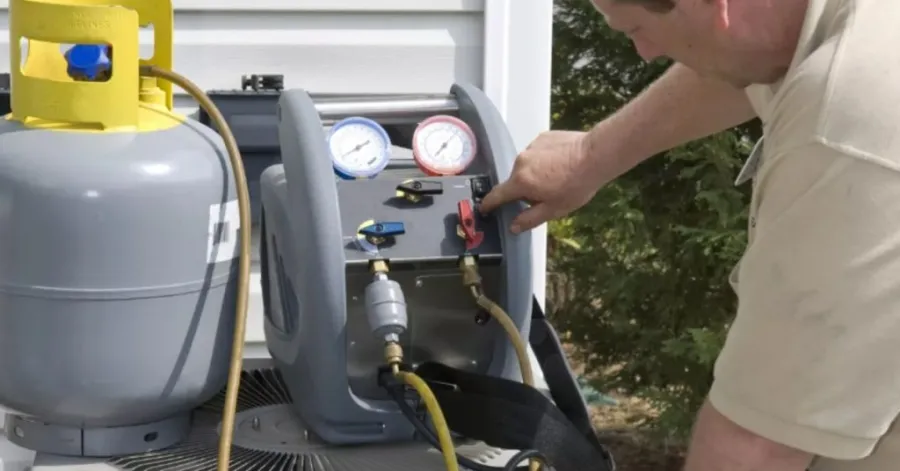
The principal equipment is a refrigerant recovery machine that is used to evacuate the refrigerant in an air conditioning or refrigeration system. It functions by extracting refrigerant from the system into a recovery cylinder where it can be stored safely and recycled. When studying how to recover refrigerant using a recovery machine, the first thing is to learn the purpose of this equipment.
The machine has a compressor and internal parts that are used to transfer refrigerant effectively without emitting it to the atmosphere. Selecting a trustworthy recovery machine can ensure effective pressure management and enable you to complete the recovery process safely.
Recovery Cylinder and Refrigerant Hoses
A recovery cylinder is a container used to store refrigerant collected from an HVAC or refrigeration system. These cylinders are designed to be high-pressure and should be refrigerant certified. A key concern when learning how to recover refrigerant into a recovery cylinder safely is using the right cylinder.
Refrigerant hoses connect the system and cylinder to the recovery machine to circulate the refrigerant between components. High-quality refrigerant hoses are used to handle the refrigerant, preventing leaks and facilitating transfer in the recovery process. Proper hose connections are necessary for efficient operation.
Manifold Gauge Set and Safety Equipment
A manifold gauge set aids in the process of monitoring the refrigerant pressure during the recovery process. It allows you to check on the system’s conditions, control the refrigerant flow, and notify you when the recovery is attained. It is necessary to have proper pressure readings in order to know how to restore refrigerant in an AC system.
Protective gear like gloves and protective glasses may be used to protect against exposure to refrigerants and inadvertent contact with cold refrigerant. Putting on the right protective attire and inspecting all equipment prior to use creates a safe working environment when handling HVAC refrigerants.
How to Recover Refrigerant With a Recovery Machine Step by Step
Refrigerant recovery should be well prepared and handled to prevent leaks and damage to the system. Proper procedures will ensure that the refrigerant is disposed of safely and stored properly so it can be reused or disposed of.
When you are learning how to recover refrigerant with a recovery machine on a refrigeration unit, air conditioner, or HVAC unit, every step must be undertaken meticulously. It is performed by connecting the equipment, transferring refrigerant, monitoring pressure, and safely disconnecting the system.
Turn Off the System and Prepare the Recovery Equipment
Before the recovery process can begin, the HVAC or refrigeration system and power supply must be turned off and power disconnected. This will help avoid unintentional use and will provide a safer working environment on the equipment. Test the recovery machine, hoses, cylinder, and gauges to make sure that they are well-maintained.
To know how to use a refrigerant recovery machine, you have to prepare it. NB: Put the recovery cylinder on a firm surface and make sure that all connections are made and that the cylinder is clean. Adequate installation will aid in the proper functioning of the machine and reduce chances of leakage during refrigerant transfer.
Connect the Recovery Machine to the HVAC System
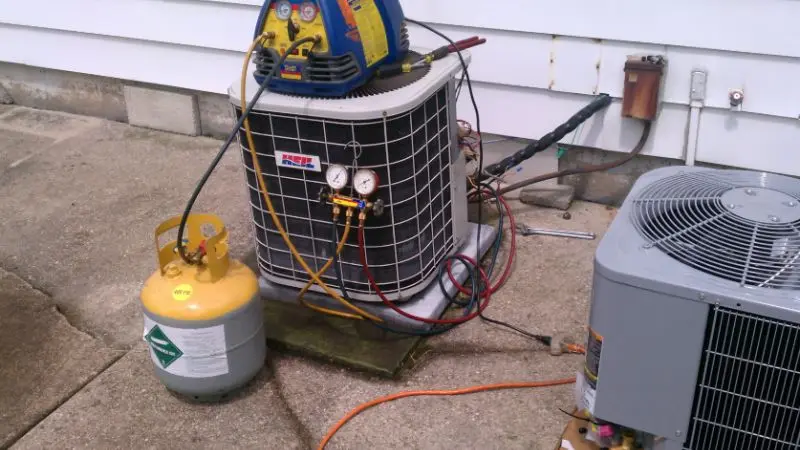
Once the equipment has been prepared, connect the recovery machine to the HVAC system using the appropriate hoses and service ports. Connect the manifold gauge set (when necessary) to measure pressure during recovery. Ensure that all connections are tight to avoid refrigerant leakage.
It is important to know how to hook up a refrigerant recovery machine so that it can be used safely. The hoses must be attached as per the manufacturer’s instructions, and the recovery machine must be placed correctly between the system and the recovery cylinder. Safe connections enable refrigerant to flow freely without disruptions.
Connect the Recovery Cylinder and Open the Valves
The second thing is to connect the recovery cylinder to the recovery machine with the proper hose connection. Ensure the cylinder is suitable for refrigerant storage and has sufficient capacity to store the recovered refrigerant. To ensure safe operation, place the cylinder in an upright position.
After connecting all that, gradually open the required valves to allow the flow of refrigerant. This prepares the system to transfer refrigerant from the HVAC unit to the cylinder. Adequately controlled valves are also a key aspect of how to recapture refrigerant from HVAC system equipment safely and effectively.
Start the Recovery Machine and Monitor Pressure
Once all the connections are firmly in place, start the recovery machine and leave it to transfer refrigerant out of the system. Record the pressure measurements on the gauges during the process to make sure that the equipment is working properly.
Learning the process of extracting refrigerant from a refrigeration system, pressure monitoring is crucial, as it helps avoid overfilling the recovery cylinder. Continue monitoring the cylinder level and machine performance during recovery. Adequate monitoring will make sure that refrigerant is eliminated effectively without posing any safety risks.
Complete the Recovery Process and Shut Down the Equipment
After most of the refrigerant is extracted, keep monitoring the system until the extraction process is finished. Follow the recovery machine instructions and attain the necessary vacuum level before decommissioning the equipment.
Once the recovery has been done, close the valves on the cylinder and system, and switch off the recovery machine. It is important to disconnect the hoses very carefully in order to prevent the release of trapped refrigerant. A test to ensure the system is empty will help ensure the recovery process is completed successfully.
Common Refrigerant Recovery Methods Explained
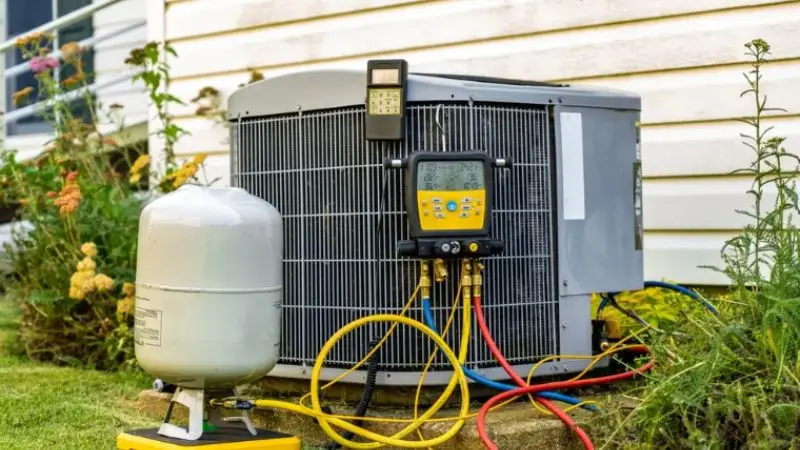
Various refrigerant recovery strategies are adopted based on the nature of the HVAC equipment, charge volume of refrigerant, and recovery needs. Selecting the right method facilitates safe refrigerant removal and improves the overall effectiveness of the recovery process.
Each method has a different operating mechanism and can be applied in specific ways. Smaller residential systems might need a slower method, and big business units might need quicker recovery methods. Knowing these techniques will assist you in properly recovering refrigerant and safeguarding the system and equipment.
Vapor Refrigerant Recovery Method
The vapor refrigerant recovery process is used to extract refrigerant in the system in the gaseous condition. This is a slower process since the vapor is transported in the recovery equipment at a slower rate than liquid refrigerant. Nonetheless, it is a stable alternative for smaller HVAC systems with less refrigerant charge.
The process is usually applied in residential air conditioners and systems where a slow recovery process can be tolerated. Vapor recovery is one of the simplest techniques to learn when learning how to recover refrigerant with the help of a recovery machine since it provides an opportunity to transfer refrigerant in a controlled way and keep the pressure at the same level during the process.
Liquid Refrigerant Recovery Method
The liquid refrigerant recovery process removes the refrigerant in the system when it is in a liquid state. Liquid refrigerant is able to be transported more quickly than vapor, so this approach can drastically decrease recovery time, particularly in those systems with larger quantities of refrigerant.
This method is highly sensitive because liquid refrigerant can flow very fast and cause abrupt pressure variations if the equipment is not attached correctly. Knowing how to recover refrigerant in HVAC systems through liquid recovery can enable technicians to do this more efficiently without compromising safety.
Push-Pull Refrigerant Recovery Method for Large Systems
The push-pull recovery technique is geared towards HVAC and refrigerative systems with hefty refrigerant additions. This process is very high-speed and involves the application of pressure differences to force the liquid refrigerant out of the system and into the recovery cylinder.
This method of recovery is commonly applied to commercial refrigerators, chillers, and other large systems, in which one needs to extract a large quantity of refrigerant. The push-pull method is a good alternative to consider when learning how to recover refrigerant in a refrigeration system, to enhance the speed of recovery and minimize equipment downtime.
Important Safety Precautions for Refrigerant Recovery
To recover refrigerant, appropriate safety measures should be observed to avoid injuries, damaged equipment, and accidental discharges of refrigerant. Refrigerants are kept in a pressurized state, and improper handling may pose severe dangers during recovery.
A safe procedure guarantees the correct functionality of the recovery machine, cylinder, and the HVAC system. Regardless of whether you are doing residential or commercial recovery, proper precautions can be taken to protect the environment and to ensure that refrigerant is properly handled.
Wear Proper Safety Gear When Handling Refrigerant
It is necessary to use the right safety equipment in the process of recovering refrigerants. Wear protective gloves in cases of direct skin contact with extremely cold refrigerant, and also wear safety glasses to safeguard your eyes against accidental leaks or splashes when making connections to the equipment.
Ventilation should also be considered, and it is necessary particularly when this is in small or enclosed spaces. Refrigerant gases have the ability to decrease the amount of oxygen and cause an unsafe situation when accumulated. Wearing protective equipment can be used to provide a safer working environment when learning how to use a refrigerant recovery machine.
Keep Different Refrigerant Types Separate
The chemical properties of different refrigerants are not similar and must not be confused when they are being recovered. Mixed refrigerants can be contaminated, lead to lower quality of recycling, and lead to inaccessibility or impossibility of reusing the recovered refrigerant.
Before initiating the process of recovering the refrigerant, it is always important to first determine the type of refrigerant present in the system. Each refrigerant should have a corresponding recovery cylinder with a label to prevent confusion. The proper knowledge of how to retrieve refrigerant into a recovery cylinder aids in preserving refrigerant purity and avoids unnecessary costs incurred in disposing of it.
Avoid Overfilling the Refrigerant Recovery Cylinder
Another safety measure in refrigerant recovery is preventing overfilling of the recovery cylinders. An overfilled cylinder can exert undue pressure, particularly during increased temperature and expansion of the refrigerant.
Keep an eye on the weight of the cylinder during the recovery and discontinue before it reaches the optimum filling limit. Effective cylinder control minimizes the chances of damage and enhances safety. Proper steps taken during the learning process of how to recover refrigerant using the recovery machine would mean that the refrigerant is stored properly and the recovery process is done successfully.
Wrap Up
Anyone who does HVAC repair or maintenance should know how to use a recovery machine to recover refrigerant. It involves the appropriate equipment, meticulous connections, proper recovery procedures, and safe handling practices. Filling the refrigerant into a certified cylinder and preparing the recovery machine are also important parts of the recovery process. The process can be matched to various system requirements through the use of techniques such as vapor recovery, liquid recovery, or push-pull recovery. To be safe and avoid refrigerant contamination, and to avoid overfilling cylinders to safeguard people and equipment, it is always recommended to follow safety guidelines. Effective HVAC servicing and proper refrigerant handling are guaranteed by proper refrigerant recovery.
FAQ
What are the requirements to recover refrigerant?
You require a refrigerant recovery machine, certified recovery cylinder, hoses, manifold gauge set, and safety equipment. Such tools ensure safe removal, storage, and handling of refrigerant during recovery.
What is the connection of a refrigerant recovery machine?
To attach a refrigerant recovery machine, use hoses to connect the HVAC system, recovery machine, and cylinder. Before starting, all connections should be tight, and all the valves should be positioned correctly.
Is it possible to recover refrigerant without a recovery machine?
Refrigerant recovery requires a recovery machine to recover refrigerant safely and store it. Discharge of refrigerant into the air is dangerous, unsafe, and prohibited by environmental laws.
What is the time of refrigerant recovery?
Recovery time varies based on the size of the system, amount of refrigerant, and mode of recovery. Smaller units can be recovered in less time, and larger commercial systems need more time to recover.
Why not mix refrigerants?
Different refrigerants have different chemical properties. Combining them can lead to contamination, decreased recycling value, and issues in servicing or reusing recovered HVAC system refrigerant.