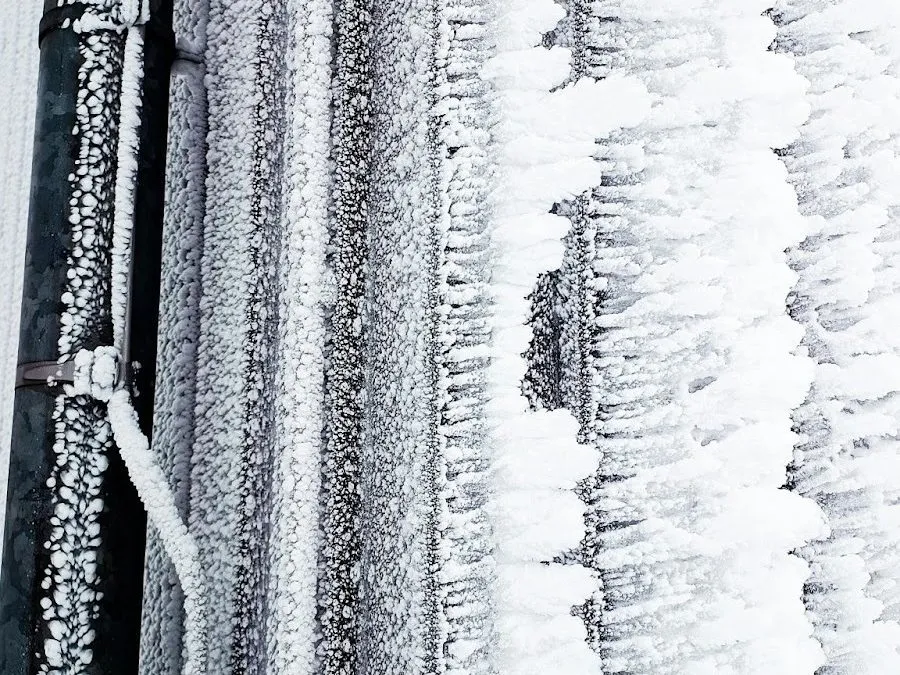
As winter begins, the risk of pipe blockages increases. This leads to several challenges and risks. Imagine waking up in the middle of a freezing night in your home with water issues. Would you be able to deal with emergency repairs and protect pipes from freezing?
Let’s get your pipes winter-ready!. The key is to be proactive and prevent pipes from freezing this winter to avoid a messy situation. With the help of equipment like shovels and more tips, you can keep your pipes away from snow. In this guide, let’s see how to prevent your pipes from freezing this winter.
Signs your pipes are at risk of freezing
Don’t wait for the disaster to strike! If you are unsure whether your pipes are at risk, look out for these signs. Some early signs to watch out for are:
- Exposed pipes in unheated areas like basements, attics, garages or crawl spaces
- Poor insulation around pipes, especially in outdoor house bibs
- Frost forming on pipes indicates freezing
- Sudden drop in water pressure
- Strange noises in pipes when you turn the water on
- Cracks in walls or foundations that let cold air in
- Pipes located near exterior walls or outdoor faucets without insulation
Early prevention can prevent pipes from freezing this winter.
Steps to protect your pipes during winter
Before the winter onset, take control and protect your home. Follow these simple and effective steps to waterproof your pipes and avoid costly repairs.
Step 1: Insulate exposed pipes
Pipe insulation is particularly important near windows, exterior walls, and basements. Foam insulation or old towels wrapped around pipes in attics, garages, and crawl spaces can help winterize plumbing. Insulation can keep the temperature of pipes higher in these areas.
Here are some tips:
- Focus on areas where cold air can affect pipes.
- Insulate both hot and cold water pipes.
- Secure insulation with duct tape.
- Towels, rags, or newspapers can also provide insulation.
- Pipe sleeves, UL-listed heat tape, or heat cables can achieve pipe insulation.
Insulation is one of the best answers to how to prevent pipes from freezing this winter.
Step 2: Seal gaps near walls and foundations
By sealing gaps and cracks, you can prevent cold air from reaching pipes. Some ideas that work for sealing gaps are
- Wherever your pipes enter walls or foundations, caulk or spray foam them. Silicone sealants help best, too.
- In walls, floors, and ceilings, check for holes and cracks.
- Electrical wiring, dry vents, and pipes might have air leaks.
- Focus on areas where electrical wiring, vents, and pipes enter the home.
- For larger gaps, you can use weatherstripping or expanding foam.
A tight seal can make a big difference for real!
Step 3: Let faucets drip during extreme cold
Just a tiny stream of water might be all it takes to protect pipes from freezing this winter. This relieves pressure and prevents pipes from freezing this winter. Here’s what you can do with this hack:
- When the temperature is cold, leave warm water dripping overnight.
- Dripping from an indoor faucet to an outside wall might help, too.
- Allow both hot and cold water drip slightly from faucets in exposed pipes
- Consider dripping faucets in areas with poor circulation
Remember, even a small drip can save a big headache!
Step 4: Keep cabinet doors open under sinks
Circulation of warm air is key to prevent pipes from freezing this winter. Follow these few steps:
- Open cabinet doors under the sinks of the kitchen and bathroom to let warm air reach the pipes
- Keep indoor heating open even if you are away
- Remove any item that can harm children that is stored under sinks
- Check pipes under sinks regularly to check signs of freezing
Open these cabinets and let the heat in!
Step 5: Maintain consistent indoor temperatures
By maintaining a consistent indoor temperature, you can protect pipes from freezing this winter. Here’s what you can do:
- Keep your home above or at a minimum of 55°F (15°C).
- Use a smart thermostat to regulate temperature.
- Even if you are on vacation, set the thermostat to a consistent temperature.
- You can also set your thermostat to “away mode” if you are out.
Keeping the temperature steady keeps your pipe safe!
Additional ways to reduce freezing risk
imple precautions now can save a lot of your costs later. To protect pipes from freezing this winter, take some of these extra yet important steps:
- To prevent water buildup, disconnect outdoor hoses.
- Drain exterior water lines and swimming pools to avoid freezing
- In high-risk areas, you can install pipe heating cables.
- Keep a check on the thermostat battery and replace it if needed when going on a vacation.
- For emergencies, know your main water shut-off location
- For long-term protection from freezing, also consider relocating exposed pipes.
Disconnect outdoor hoses
Before winter arrives, remove the garden hoses and store them indoors. This helps prevent water from freezing inside and damaging connected pipes.
Drain exterior water lines
Outdoor water lines and faucets should be turned off. Draining stops trapped water from freezing and causing cracks.
Install pipe heating cables
Use heating cables on exposed pipes to keep them warm in extreme cold. This added protection reduces the risk of freezing.
What to do if pipes begin to freeze
If you notice that your pipe is frozen, don’t panic. Some of these strategic actions can help prevent pipe bursts.
- Call the Plumber: If you turn on the faucet and no water comes out, call the plumber without closing it.
- Use a hair dryer or heat gun for a quick fix: You can thaw a frozen pipe using a hair dryer or a heat gun. Just check you are not around standing water while using it. First, warm the pipe close to the faucet and then slowly move towards the closed end.
- Turn the main water supply off: Turn off the main water supply to avoid pipe burst issues, as freezing water expands and it can further damage the pipe.
- Things to avoid: To avoid fire hazards, never use high heat or open flames. Do not use propane or kerosene heaters or a wet towel dipped in hot water. Never try to thaw your pipes with a torch.
FAQs
At what temperature do pipes freeze?
Pipes need slightly prolonged exposure to cold temperatures to freeze. They usually freeze around 20°F (−6°C) or lower. While water freezes when it hits 32°F (0°C), pipes take longer to freeze.
Can insulation alone prevent freezing?
The answer is a big NO! Insulation helps slow down heat loss. While it is helpful for a small temperature drop, it must be combined with additional hacks. Tips like water drips, sealing cold air leaks, heat sources, etc., are best to prevent pipes from freezing this winter.
Should I keep water running overnight?
Yes, dripping water overnight from a faucet is an effective way to prevent pipes from freezing this winter. This relieves pressure and keeps water moving, preventing ice blockage and pipe bursts.
How do I know if a pipe has burst?
A water stain on walls, floors, or ceilings could be an early indicator of a pipe burst. If water suddenly stops flowing from a faucet, that’s a sign. You can check for damp or wet spots on the floor or walls. Check for sounds of running water when all taps are off. Also, keep an eye on unexplained increases in the water bill.
Conclusion
protecting pipe freezing could be an irritating challenge every winter. When the temperature drops, the water inside pipes freezes and expands. This pressure causes pipe cracks and bursts. Such damage leads to leaks and expensive repairs. Taking a few precautions can help protect your plumbing system. By effectively insulating your pipes, keeping cabinets open, and letting slow water drip, you can achieve that. Don’t let this winter catch your pipes unprepared!