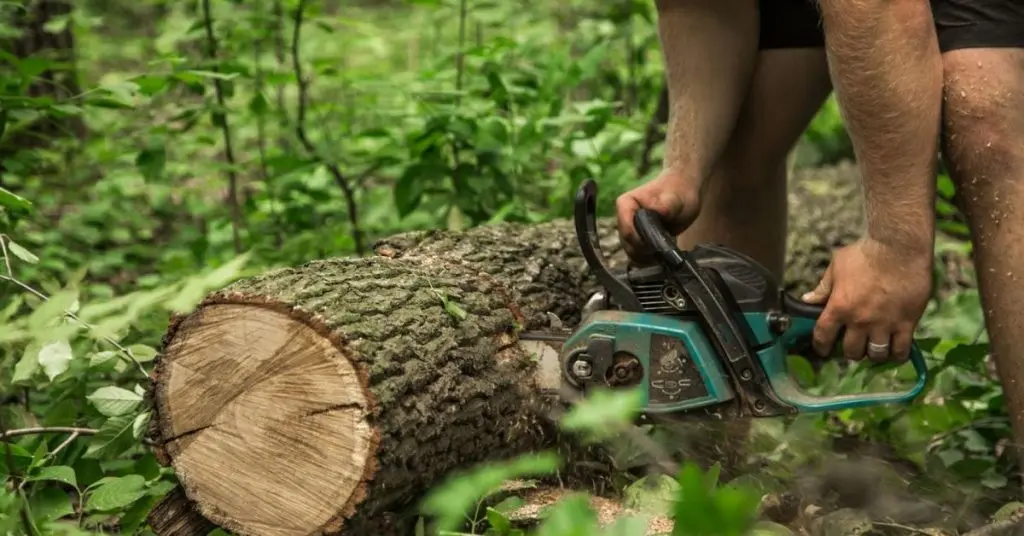
Learning how to operate a chainsaw properly is essential for your safety. It also helps prevent accidents from occurring. You should always adhere to safety rules and prioritize safe skills first. Chainsaw injuries can happen quickly if you skip training. They can also occur if you do not follow safe steps.
Make sure you receive training and understand all the safety rules. Never rush when using a chainsaw. Stay alert, operate the chainsaw carefully, and follow all safety procedures. Chainsaw safety requires respect, practice, and training every time you use it.
Chainsaw Safety Gear: Protect Yourself Before You Start
Using a chainsaw can be dangerous if you’re not prepared. The first step in safety is wearing the right personal protective equipment (PPE). This gear protects you from flying debris and accidental cuts. Always put on all your safety equipment before you start working.
Personal Protective Equipment (PPE)
Wearing the proper PPE is essential every time you use a chainsaw. Here’s what you need:
- Gloves: Protect your hands from cuts and reduce vibration from the chainsaw.
- Goggles or safety glasses: Keep your eyes safe from wood chips, dust, and sawdust.
- Hearing protection: Chainsaws are loud; use earmuffs or earplugs to protect your hearing.
- Helmet: Shields your head from falling branches and debris.
- Chaps: Cover your legs and help prevent serious injuries from the chain.
- Boots: Wear strong, non-slip boots to maintain balance and prevent falls.
Always inspect your safety gear before starting. Damaged gloves, goggles, or chaps should be replaced immediately. Remember, skipping any part of your safety equipment can put you at risk. How to hold a chainsaw safely starts with being fully protected.
Work Area Safety: Create a Hazard-Free Environment
Inspect your working space before putting your cutting tools to work. Take away anything that can make you fall or slip, such as branches, rocks, or tools. Make sure you are not standing too close when using the chainsaw.
- Be at a distance from others.
- You should never use the chainsaw single-handedly; keep somebody nearby, should an emergency arise.
- Search for such hazards as uneven ground, obstacles, or weak branches.
The best way to be safe with the chainsaw is to be mindful of your environment. Accidents will be minimized by planning. Most common errors in using a chainsaw occur due to ignorance regarding dangers within the work area. Through the good watch that you provide, you save yourself and the other people around you.
Pre-Operation Chainsaw Checks
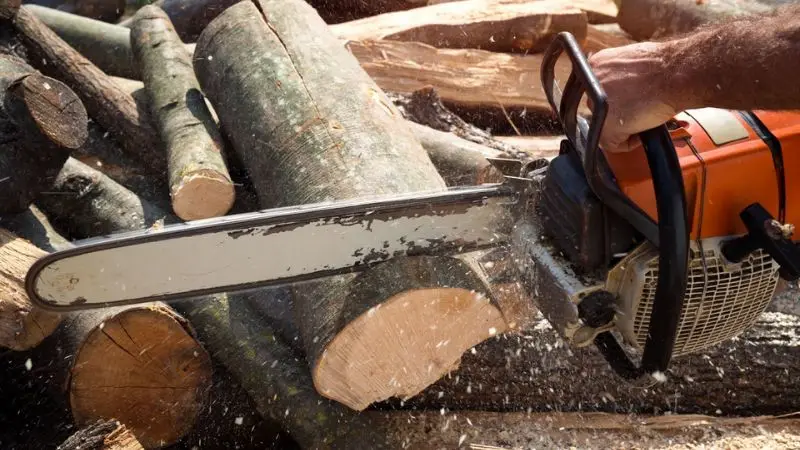
Before using a chainsaw, performing a few checks can prevent accidents and ensure smooth operation. Taking time to inspect your tool helps you understand how to start a chainsaw for the first time safely and how to cut wood with a chainsaw properly.
Inspecting the Chainsaw Before Use
Always examine your chainsaw before use. Check for damage or loose parts, especially:
- Handles: Make sure they feel secure and sturdy.
- Safety features: Test the chain brake and throttle lock to ensure they work.
- Body and screws: Look for cracks, missing screws, or worn parts.
Never use a chainsaw that appears broken or unsafe. A quick inspection can save you from bigger problems later. How to hold a chainsaw safely begins with knowing your tool is in good condition.
Fuel and Lubrication for Smooth Operation
Your chainsaw should be well-fueled with oil:
- Gas chainsaws: Fill with new gasoline and the proper two-stroke oil.
- Electric chainsaws: The chainsaws do not require any fuel, but be careful with the chain oil.
To ensure smooth movement and stay cool, the chain has to be well-lubricated. Add the oil tank to cut first beforehand, and wipe up those spills to prevent falling. Maintaining your chainsaw safely is by applying the manufacturer-suggested oil.
Checking Chain Tension and Sharpness
A loose or dull chain increases the risk of accidents. Check your chain by gently pulling it away from the bar:
- The chain should snap back into place but still move freely.
- Adjust tension using the tension screw if it feels too tight or too loose.
- Inspect the teeth and sharpen them if needed.
A sharp, properly tensioned chain helps you cut more efficiently and reduces the chance of injury. Following these steps prevents common mistakes when using a chainsaw and keeps your work safer.
How to Operate a Chainsaw Properly
Knowing how to operate a chainsaw properly is essential before any cutting task. A chainsaw can be powerful and dangerous if used incorrectly, so following the right steps keeps you safe and helps your work go smoothly.
Starting the Chainsaw
When learning how to start a chainsaw, a safe setup is the first step in learning to operate the tool. Set the chainsaw on level ground, making sure that the chain brake is in position. Rest one hand at the front where the handle is and hold onto it, and with the other foot, touch the back handle. Jerk the starter in another hand—never attempt to start it in the air.
In electric chainsaws, do not remove your hands from the handles and press the power button. Depending on whether or not the engine is cold, it may require the choke on the gas chainsaw. Release the chain brake only when the engine starts to run and you know that you are ready to cut.
Safe Grip and Balanced Stance
How to hold a chainsaw safely starts with the right grip and stance. Always use both hands—wrap your left hand around the front handle and your right hand around the rear handle, with thumbs locked under the grips.
Stand with your feet shoulder-width apart, left foot slightly forward, knees slightly bent, and back straight. This balanced stance allows you to react quickly and control the saw. Never operate the chainsaw with one hand, and take breaks if you feel tired. Fatigue can make you lose grip or stance, leading to accidents.
Planning Your Cuts Ahead of Time
Planning your cuts is an important part of operating a chainsaw safely. Examine the wood or tree before cutting and decide where to make each cut. Avoid cutting above shoulder height, and keep the chainsaw close to your body.
Never reach too far or use the tip of the bar, as this can cause kickback. For large branches, make several smaller cuts instead of one big cut. By planning carefully, you prevent accidents and work more efficiently. Operators who know how to operate a chainsaw properly always think ahead, keeping themselves and others safe.
Operating a Chainsaw: Cutting Techniques
Knowing how to cut properly is key to using a chainsaw safely. Following the right techniques helps you stay in control, avoid injuries, and work efficiently.
Basic Cutting Methods
When learning how to cut wood with a chainsaw properly, start by holding the saw steady with both hands. Stand with your feet apart for balance, and use the lower part of the bar—not the tip—to make your cuts. This gives you better control and reduces mistakes.
The two main cutting methods are:
- Cross-cutting: Cutting across the grain, ideal for logs lying on the ground.
- Rip-cutting: Cutting along the grain, useful for splitting wood.
Always let the chain do the work. Do not force the saw through the wood. Take your time and watch the saw carefully as you cut. Clear away small branches before starting to reduce the risk of accidents.
Preventing Kickback Accidents
Kickback happens when the tip of the saw bar hits something hard, causing the saw to jump back toward you. This is one of the most common mistakes when using a chainsaw. To reduce kickback risk:
- Keep the tip of the bar away from logs or branches.
- Use a firm grip and keep your arms straight.
- Stand to the side of the saw, never directly behind it.
Many chainsaws have a chain brake that stops kickback—always check that it works before use. Staying alert to the bar’s tip position is essential for safety.
Avoid Cutting Above Shoulder Height
Do not cut in such a way above shoulder height. Getting too high gives up control, it might have kicks back, and it may wobble you. The bar may also become obscured to you, increasing the chances of accidents.
In case you have to access branches that are higher, then ask somebody to help or use a pole saw. To ensure safety and control, always hold the chainsaw below your shoulders.
The first thing is safety-all these cutting methods will save your health and that of people nearby you.
How to Maintain and Store a Chainsaw
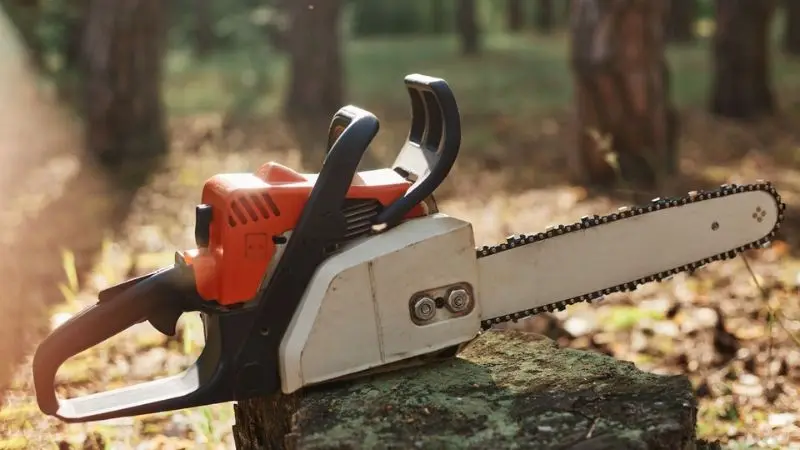
Proper maintenance and storage are essential for keeping your chainsaw safe, reliable, and long-lasting. Regular care helps prevent accidents and ensures the saw works efficiently every time you use it.
Cleaning After Use
After every use, your chainsaw should be cleaned. The dirt, sawdust, and oil may be deposited on the chain and body, which may influence performance. When cleaning:
- Dust with a brush or cloth.
- Take off the chain and bar when the crew is heavy.
- Wash the air filter and cooling fins to make the engine run smoothly.
You need to wear gloves so that your body or hands are not harmed by sharp teeth.
During the cleaning process, examine the chain for any damage, cracks, or links that have been broken. Replace any worn parts. Making sure your chainsaw is maintained through regular cleaning will make it easy to determine early problems and also keep your chainsaw prepared. The basics of cutting wood with a chainsaw include a properly maintained tool.
Safe Storage
Storing your chainsaw correctly prevents damage and accidents. Follow these steps:
- Keep it in a dry, cool place, away from children and pets.
- Hang it on a wall or place it on a stable shelf.
- Drain the fuel if you won’t use it for a long time.
- Cover the bar and chain with a guard.
- Store it with the chain brake engaged.
- Keep your safety gear nearby for the next use.
Proper storage ensures your chainsaw stays in top condition and is ready for safe operation.
Following Manufacturer’s Instructions
Always read the manual that comes with your chainsaw. Follow the manufacturer’s steps for maintenance and repairs. Use only the recommended parts and oils. Skipping these instructions can damage your chainsaw or void the warranty.
Good maintenance and following instructions not only extend your chainsaw’s life but also reduce common mistakes when using a chainsaw. A well-maintained chainsaw helps you operate it safely, efficiently, and confidently every time.
Wrap Up
Using a chainsaw can be safe and efficient if you follow the right steps. Always wear proper safety gear and check your work area before starting. Learn how to start a chainsaw for the first time and how to operate a chainsaw properly to maintain control. Plan your cuts, use the correct techniques, and avoid cutting above shoulder height.
Keep your chain sharp and properly tensioned, and follow maintenance and storage guidelines. By paying attention and avoiding common mistakes when using a chainsaw, you can work confidently and safely and get the job done the right way every time.
FAQ
What are you going to do when your chain on your chainsaw keeps falling?
The chain tension must be checked prior to each use. Adjust it with the tension screw. Ensure that the chain comes back freely and that movement is also free. Replace worn parts if needed. Be sure to turn off the chainsaw and then start adjusting.
Are you going to use the chainsaw during the wet season?
Never use a chainsaw in the rain or in a wet environment. Wet wood can be slippery. The chainsaw also might not perform well. You take the risk of falling and losing your control.
What are the intervals for sharpening the chainsaw chain?
The chain is conditioned after several hours of cutting. When you see sawdust rather than wood chips, sharpen it immediately. Sharp chainia cuts the material faster and without any problems.
What is kickback, and how can you prevent it?
Kickback occurs when the end of the bar comes in contact with a hard surface. Hold the saw with both hands. Hold the tip out of the logs and twigs. Get out of the path; do not stand behind the saw. Use the chain brake to enable the kickback to be stopped.
Is it safe to use a chainsaw alone?
You must never operate a chainsaw on your own. There must always be at all times a person nearby who can assist in case of an emergency. This will also keep you safe and will avoid some severe injuries.
Always work with a partner. May have phone handy in case of emergency.