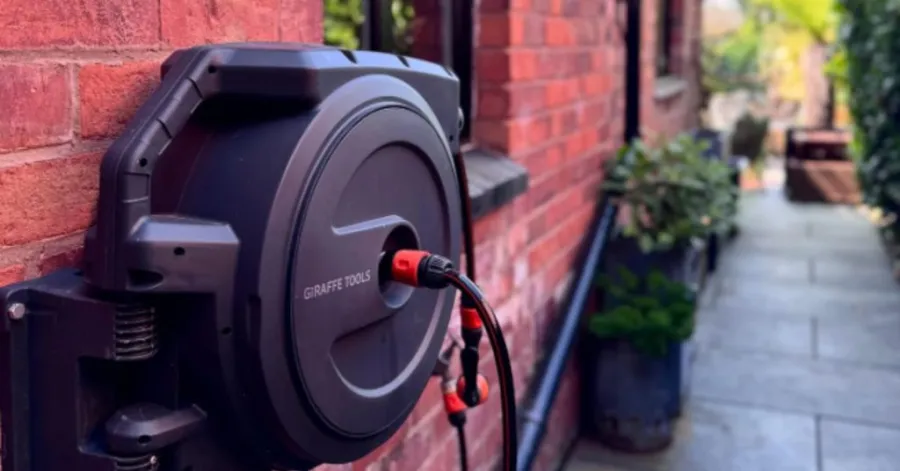
A hose reel is a simple yet very handy device to keep your hose tidy, secure, and convenient to use. But it may soon develop problems such as rust, leaks, and stiffness, which hamper its performance without proper care. Simple maintenance will save time, money, and effort in the long run. This guide will teach you how to maintain a Hose Reel for long-term use by cleaning it easily, carrying out inspection, lubrication, and storage. These are some tips to use in practice to enhance durability, prevent common pitfalls, and streamline the operation of both automatic and manual hose reels.
Basic Cleaning Routine for Hose Reels
A hose reel is more effective and efficient when it is clean. Basic cleaning routines can prevent the accumulation of dirt and limit damage in the long run. These subtopics will guide you in knowing how to maintain a Hose Reel in long-term use with easy and practical steps.
We will not go into details before we recall that regular care is the key to smooth functioning and fewer repairs.
Step-by-Step Guide to Clean and Care for Your Hose Reel System
Cleaning is easy and effective when following a simple process. This tutorial on cleaning and maintaining your hose reel system is a step-by-step guide that enables you to take care of your reel without a lot of effort. Begin by removing the hose and emptying any remaining water. So wipe off the surface with a soft cloth and mild soap solution. Wash with a little water and not of great force.
For better results:
- Wash your reel periodically, every few weeks.
- Avoid harsh chemicals
- Don’t forget to examine loose parts during cleaning.
This maintenance also supports the hose reel’s maintenance procedures, ensuring longevity in operation and preventing issues.
@ryrybigboy These hose reels save us so much time (amd aggrivation). #watering#tiktokshopcreatorpicks #tiktokshopblackfriday #openyoursuperstory #tiktokshopcybermonday @Vevor Store US
♬ original sound – Ben Slater
How to Remove Dirt, Mud, and Debris from a Hose Reel Properly
An unmaintained hose reel can be ruined by dirt and mud. To clean effectively, move a soft brush around to clean the corners and tight places. Where dried mud is to be used, a moist cloth will be used rather than sharp instruments, which would scratch the surface. Be careful to clean the reel frame as well as the hose.
Helpful tips:
- Target rotating joints and parts.
- Clear off rubbish following heavy use.
- Do not use metal brushes, which are damaging.
These measures are based on garden hose reel maintenance guidelines to eliminate rust and leakage and to extend the lifespan of automatic and manual hose reels.
How to Dry Your Hose Reel to Prevent Moisture and Rust
It is equally important to dry your hose reel as it is to clean it. Wipe all the areas after washing with a dry cloth, and wipe especially the metal parts and the joints where water may be trapped. Air dry fully, then store the reel.
To avoid moisture issues:
- Store the reel in a place with good airflow.
- Do not store it when wet.
- Test the water in the hose.
Adequate drying is a significant aspect when it comes to the maintenance of a hose reel to ensure long life. It also provides some tips on maintaining garden hose reels to avoid rust and leakage, which will keep your reel in good condition over the years.
Inspection Tips to Catch Problems Early
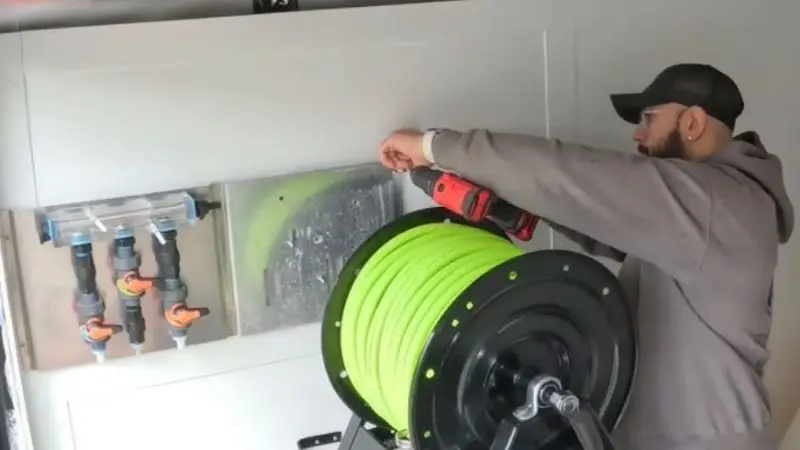
A periodic check-up enables you to detect minor problems before they become expensive fixes. It can save money and time by taking a quick check every now and then. It forms a significant section on how to maintain a hose reel for long-term use and to ensure that it is in its working condition.
We’ll take a couple of quick tests that you can accomplish without any equipment or technical expertise.
How to Check for Cracks, Leaks, and Weak Spots in a Hose Reel
What you can avoid is accidentally damaging your hose reel during use. Inspect the hose and reel body closely to find cracks or weak links. Feel along the hose with your hand, gently looking to detect soft spots or thinning parts. The water should be turned on, and one should check for any small leaks or drips.
Quick inspection tips:
- Inspect the reel following intensive use.
- Examine bends and joints.
- Early replacement of damaged parts.
These procedures are helpful in maintaining a hose reel to ensure long-term service and prevent larger issues in the future.
How to Inspect Hose Reel Connectors and Fittings Properly
Fittings and connectors are major components that maintain the smooth operation of your hose reel. Ensure that the connections are tight and aligned. Improper fitting can lead to leakages and inefficiency. Beware of tired rubber washers or broken threads, and change them when necessary.
Something easy to observe:
- The loose connectors should be tightened.
- Check rust or corrosion.
- Make sure that fittings are not fractured.
The steps can be compared to garden hose reel maintenance tips to avoid rust and leakage, as well as help to maintain the hose reel lifespan of automatic and manual hose reels.
How to Test Water Flow and Pressure in Your Hose Reel System
A water flow test can help you assess the functionality of your hose reel. Turn on the water and check the pressure. In case of weak or unequal flow, the flow might be blocked or leaked. Examine whether the hose is coiled or curved; this may decrease the water flow.
In order to maintain a smooth performance:
- Before use, straighten the hose.
- Remove any blockages
- Monitor pressure regularly
This is just one of the steps in the step-by-step guide to clean and care for the hose reel system, and will improve its operation with time.
Lubrication and Moving Parts Care
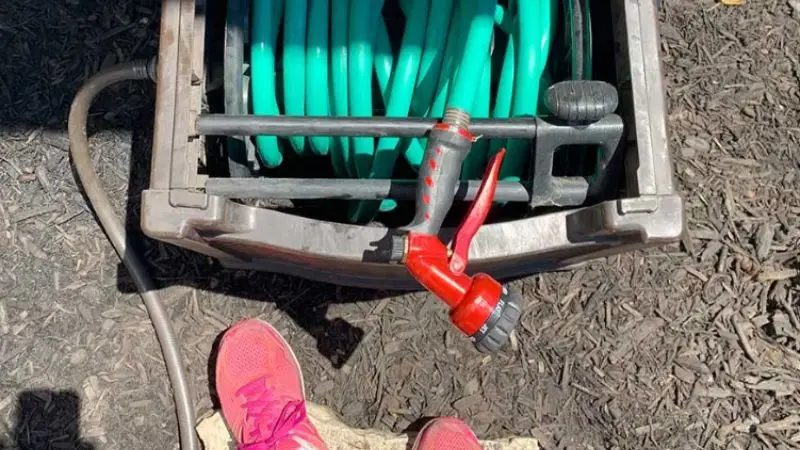
It is important to keep the moving components of your hose reel well lubricated so that it runs smoothly and does not wear out with age. When the parts are dry, they may become hard or wear easily. This section helps underpin how to maintain a hose reel for long-term use by dwelling on simple lubrication procedures.
And now we know how proper lubrication will keep your hose reel in excellent shape.
Why Lubrication Helps Your Hose Reel Move Smoothly and Last Longer
Lubrication is essential, as it reduces friction between moving components. The hose reel is free of noise and resistance when the parts move freely. The reel will be difficult to rotate without lubrication, and it might wear out more quickly. Dry parts may either break or cease to operate efficiently over a period of time. Coating the metal components with lubricant will prevent rust and ensure smooth operation. This is one of the major components of the hose reel maintenance procedure and a key factor in the reel being in good condition for day-to-day use.
How to Safely Lubricate the Moving Parts of Your Hose Reel
It is important to lubricate your hose reel to ensure that it is safe and effective. Begin by wiping the moving parts to remove any dirt and dust. Clean, after which a little lubricant should be applied to joints, handles, and rotating parts. You should not use a lot of oil, which can both attract dirt and build up. Always ensure that a lubricant is used that is compatible with both metal and plastic components. This approach is guided by garden hose reel maintenance guidelines that enable advice on avoiding rust and leakages, and also underpin how to lengthen the life of both automatic and manual hose reels.
How Often You Should Lubricate Your Hose Reel for Smooth Performance
To avoid stiffness and damage to your hose reel, it is good to lubricate it regularly. If you use your hose reel frequently, it is advisable to lubricate it every few weeks to ensure it runs smoothly. In less frequent cases, like daily use, it is sufficient to apply the lubricant after a few months. Another thing to note is the feel of the reel when using it, and whether it starts to be difficult to move; it might also require lubrication. The routine is included in a step-by-step procedure to clean and care for the hose reel system and is used to keep the smooth running process over time.
How to Prevent Rust and Leaks Effectively
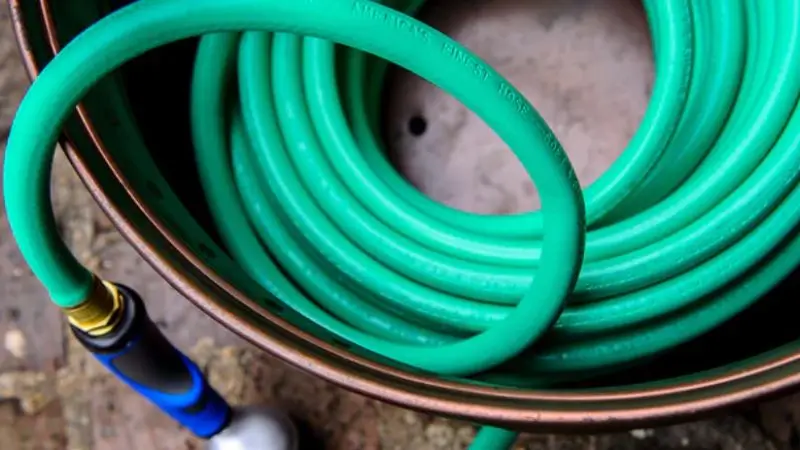
Two of the most frequent issues that decrease the lifespan of a hose reel are rust and leaks. They can be easily prevented by a few simple habits, and your reel can be maintained in excellent condition. The approaches favor how to maintain a hose reel for long-term use due to the emphasis on protection and care.
Before rust and leaks occur, let us see how they can be prevented.
Garden Hose Reel Maintenance Tips for Preventing Rust and Leaks
Regular maintenance of your hose reel is important to prevent rust and water leakage. It is important to always ensure the reel is dry after use, as moisture is the primary cause of rust. Inspect the hose and fittings for small leaks to rectify them early. Close any loose connections to prevent dripping of water. The removal of dirt and debris also helps preserve metal parts. Such basic practices would be comparable to guidelines on maintaining a garden hose reel to avoid rust and leaks, and would go hand in hand with maintaining a hose reel to ensure long-term performance by keeping everything in proper shape.
How to Protect Your Hose Reel Using Covers and Smart Storage
One of the simplest ways to prevent damage to your hose reel is to use a protective cover. Covers keep it dry and dust-free, and protect it from sunlight, which can cause damage over time. Keep your hose reel in a shady area when it is not in use. Do not leave it outside too long since it can be easily rusted or cracked due to the weather. Covering and storage also help increase the lifespan of automatic and manual hose reels by minimizing environmental harm.
How to Keep Your Hose Reel in the Right Environment for Long Life
The place where you store your hose reel significantly affects its durability. It is always better in a cool, dry, and shady spot. Do not keep it in wet places such as open gardens when it is raining or in wet soil. Humidity in the air can gradually cause rust and defects in the metal components. Storing your hose reel in a safe place also minimizes damage and increases its lifespan. This is part of a series of instructions for cleaning and maintaining the hose reel system, helping maintain higher performance without frequent repairs.
Seasonal Maintenance and Storage Tips
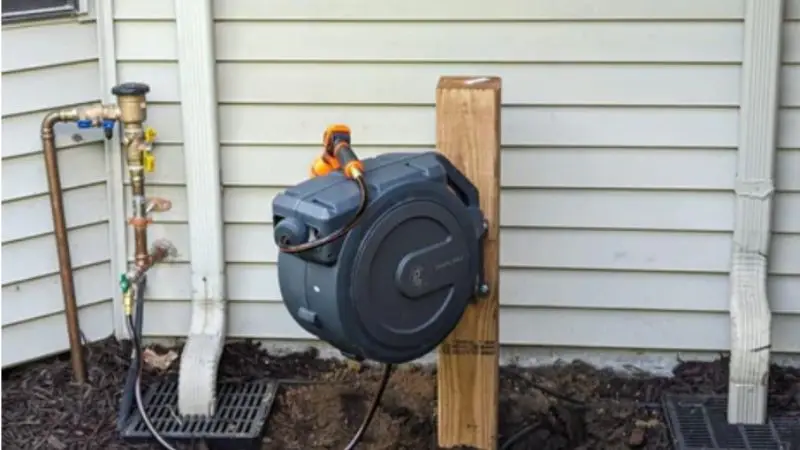
To ensure your hose reel remains in good condition year-round, take special care depending on the season. Its performance may be influenced by weather, particularly extreme temperatures (heat or cold). These basic practices will come in handy for maintaining a Hose Reel for Long-Term Use, as they will help you safeguard the reel throughout the year.
Next, we will examine how seasonal care can keep your hose reel safe and durable.
How to Prepare Your Hose Reel for Winter Season Protection
Hose reels may be unfriendly to the winter weather, especially when freezing. Drain all the water out of the hose and reel before winter sets in. Any residual water may freeze, leading to cracks or damage. Clean up the reel and examine it to identify weak areas that need repair. Keep inside as much as possible to avoid frost exposure. This is a form of preparation for what to do to ensure that a hose reel can serve for a long time, and what to avoid to prevent expensive damage in the winter.
Summer Care Tips for Using Your Hose Reel in Heavy Heat
This is because summertime is when you tend to use your hose reel much more often than during the rest of the year, underscoring the importance of proper care. When it is heavily used, remember not to expose the hose to direct sunlight for too long, as heat may reduce the strength of the material. Clean the water flow periodically to ensure there are no obstructions from dust or dirt. Wash the reel regularly during this season to ensure a smooth running. Such habits adhere to garden hose reel maintenance guidelines for avoiding rust and leaks and help lengthen the lifespan of automatic and manual hose reels.
Safe Storage Practices for Your Hose Reel During Off-Season
Proper storage between seasons helps your hose reel last longer. It is important to clean and dry the reel and then store it away. Store it somewhere cool, dry, and covered to prevent the accumulation of moisture and dust. Do not put heavy objects on it, as they could damage or bend it. It is important to store it in order to maintain it in good condition until it is used again. The practice is part of a progressive process of cleaning and maintaining the hose reel system and helps prevent problems in long-term performance.
Maintenance Tips for Automatic vs Manual Hose Reels
Both automatic and manual hose reels require slightly different maintenance. These differences help ensure that both types do not cause damage and thus keep them working smoothly.
How to Extend the Lifespan of Automatic and Manual Hose Reels
Automatic and manual hose reels have longer service life when used and maintained properly. Regular cleaning, inspection, and proper storage are very important in both types. Never push the hose when in use, and it is good to check for leaks or rigidity. Drying and keeping the parts clean are ways to minimize wear and tear. Such basic practices help to understand how to extend the working life of automatic and manual hose reels and enhance their overall performance by preventing premature damage and mechanical breakdown.
Special Care Tips for Automatic Rewind Hose Reel Systems
Care should be taken with automatic rewind hose reels because of the spring mechanism inside. Never drag the hose out with a bang at any point during its removal, as this can break the system. Do not overload the hose, or pull it at right angles. Periodically check the rewind mechanism to make sure that it operates smoothly. Clean the interior components and prevent dirt particles from entering the mechanism. These processes align with garden hose reel maintenance guidelines to prevent rust and leakage and to ensure the system runs smoothly with the auto-operation in the long run.
Manual Hose Reel Maintenance Best Practices for Long-Term Use
Manual hose reels are less complex yet require periodic maintenance to be in excellent condition. Wind the hose in a circular motion at all times to avoid twisting or uneven pressure on the reel. Ensure that the handle turns and is not loose or stiff. Wash the reel often to remove dirt that may slow its movement. Keep it in place after use to ensure that it is not ruined by the weather. This is included in a stepwise guide to cleaning and maintaining the hose reel system and to help ensure the system performs well for a long time before needing frequent repairs.
Common Mistakes to Avoid
Even a fine hose reel may be spoiled in a short time unless it is used properly. There are lots of issues that occur due to little negligence. Now, we will go through the most common errors one can commit and how to avoid them.
Why You Should Never Skip Regular Cleaning of Your Hose Reel
Leaving the routine cleaning is one of the most significant errors. When dirt, dust, and mud remain on the reel too long, they gradually damage it and prevent a smooth movement. Unclean components may also cause rusting and poor performance in the future. Routine cleaning of your hose reel will help keep it in good condition and extend its lifespan. This basic practice is an important aspect of hose reel maintenance, ensuring long-lasting performance and supporting the steps to clean and care for a hose reel system by preventing accumulation over time.
Why Storing a Wet Hose Reel Can Cause Serious Damage
Another common mistake that can lead to rust and mold is storing a hose reel when it is wet. Any moisture retained in the reel or hose creates the optimal environment for metal parts to corrode. In the long run, this may compromise the whole system and lead to leakages. Ensure the reel is completely dry before storing it. It is a valuable component of garden hose reel care tips to prevent rust and leaks,s and serves also as an aid to how to extend the life of automatic and manual hose reels by keeping them out of the reach of moisture.
Why You Should Never Ignore Small Leaks or Early Damage
Small leaks or minor damage may not appear serious at first, but they can quickly escalate into major problems. A single leak can waste water and lower pressure, and small cracks can widen over time, eventually bursting the hose. Consistently addressing and repairing these issues in the initial stages keeps your hose reel in proper working order. The habit is a significant element of a step-by-step guide to clean and take care of the hose reel system, and assists in the long-term performance by eliminating the possibility of costly repairs and unanticipated malfunctions.
Wrap Up
Maintaining your hose reel does not necessarily have to be a complicated task. You can simply maintain it over the years through simple maintenance procedures such as cleaning, inspection, lubrication, and storage. It is the little things one does regularly that make a great difference in performance and durability. When you adhere to these tips, you will reduce the number of repairs and save on interruption-free watering. This is a general strategy to help maintain a Hose Reel for long-term use and get the most out of your equipment.
FAQ
What is the frequency of cleaning my hose reel?
You should wash your hose reel every few weeks, especially if it is frequently used. Constant cleaning helps avoid the accumulation of dirt and ensures smooth operation. This also provides a step-by-step instructional guide for cleaning and maintaining the hose reel system to ensure long-term care.
How can rust be prevented on a hose reel?
To avert rust, make sure you put the hose reel away dry and in a shaded area. Wipe off after use, and the use of protective covers is quite effective. Such practices are based on the garden hose reel maintenance guidelines to avoid rust and leakages.
Is it possible to leave my hose reel outside?
Your hose reel should not be left outside your house too long. Exposure to weather can be destructive in the long run. Proper storage is beneficial to increase the life of automatic and manual hose reels and protect them from an adverse environment.
Why is my hose reel becoming difficult to work with?
The hose reel can get stiff because of dirt accumulation, lubrication, or wear inside. This can be addressed by regular inspection and lubrication, and ensures a smooth operation as part of the solution to how to maintain a hose reel to ensure long life of operation.