Uneven ground surfaces, drainage issues, and unwanted weed growth are the common challenges gardeners or people face when they install artificial grass. Many times, people don’t prepare the ground right. It makes the ground unsuitable for grass or plants.
Furthermore, weeds and water drainage can also frustrate you and increase the cost of grass installation. However, you can avoid these mistakes by following some techniques or guides. In this article, you will learn the proper techniques on how to install artificial grass on dirt without any troubleshooting. So, keep reading to explore more!
Materials and Tools Needed for Artificial Grass Installation
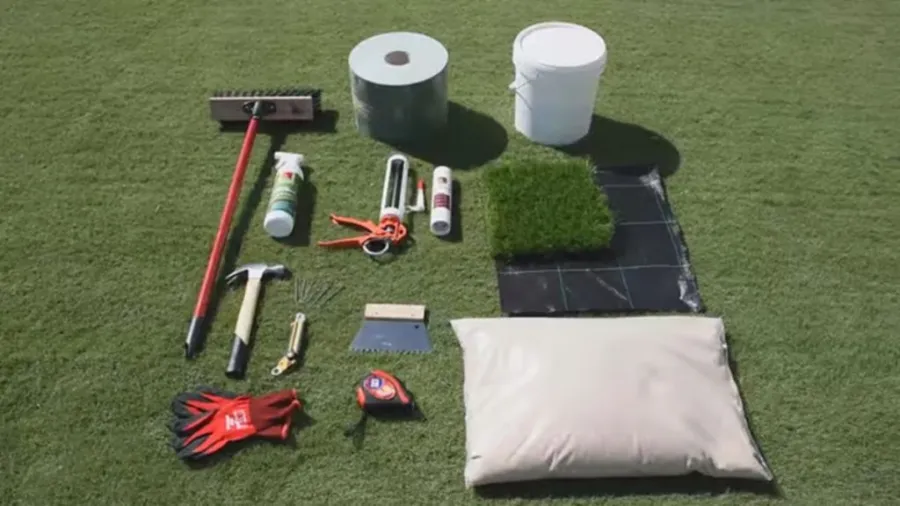
It is important to gather a few tools or materials before you start installing artificial grass. Here is a list of the items you need before exploring how to install artificial grass on soil.
Essential materials:
Make sure to pick the right material before starting the process.
- Artificial Grass
- Weed Barrier to keep weeds away
- Sharp Sand or Gravel
- Joining Tape
- Adhesive
- Infill Material
These materials are important to prepare before you install artificial grass, especially infills that firm the water and keep it away.
Required tools:
Here is the list of tools that help you to finish your job easily.
- Shovel or Spade: For digging and preparing the ground.
- Rake
- Utility Knife
- Measuring Tape
- Hammer or Mallet
- Lawn Pins or Staples
- Wheelbarrow
With these tools and materials, you’ll be ready to install artificial grass and turn your space into a green, beautiful area.
How To Install Artificial Grass On Dirt Or Soil?
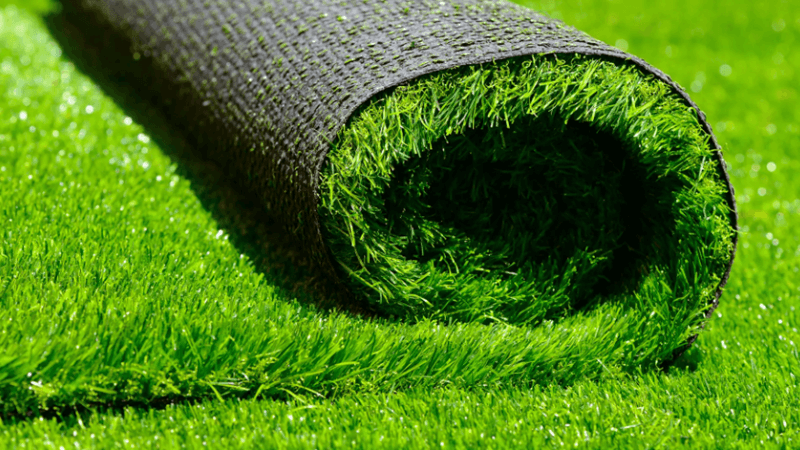
If you want to install artificial grass on dirt or soil, make sure to follow the below steps to ensure the process goes smoothly.
Step. 1: Pick the best artificial grass
It’s important to choose the right artificial grass. Artificial grass comes in different shades of green. Choose a grass colour that matches the look of natural grass in your area. A high-quality grass may cost more. So it’s important to choose the grass that feels softer and lasts for a long time. Vevor artificial grass is best for you due to its versatility. You can use it for multiple purposes without worrying about wear and tear.
Once you’ve picked your artificial grass, it’s time to prepare the area.
Step. 2: Get the area ready

Preparing the area is an essential step to ensure your artificial grass looks great. If the area is covered with natural grass, weeds, or other plants, remove them. You can use a shovel to pull out weeds and grass.
Make sure to remove rocks, sticks, and other debris. You can sweep the area to ensure it’s clear for installation. Furthermore, you can use a rake or shovel to level the ground. For larger areas, a tamping tool can help pack the soil.
Step. 3: Steps for installing on dirt
If you’re installing artificial grass directly onto dirt, your grass won’t grow. Dirt can sometimes cause drainage issues. If the area doesn’t drain well, the grass could get waterlogged. To fix this, dig a shallow trench along the edges to help water flow away.
After clearing the area, you can use a tamper or a hand compactor to compact the dirt. This creates a firm base for the artificial grass to sit on. Make sure the dirt is even. Use a rake to spread the soil and make sure it’s smooth.
Step. 4: Steps for installing on soil
The first step of installing grass on solid ground is to spread a layer of sharp sand or crushed stone over the soil. Make sure the sand covers 1–2 inches of soil. You can use a tamper or compactor to pack the sand. This ensures the surface is firm and smooth before you lay the artificial grass. Once the sand is compacted, check the surface again to ensure it’s flat.
Step. 5: Add a weed barrier
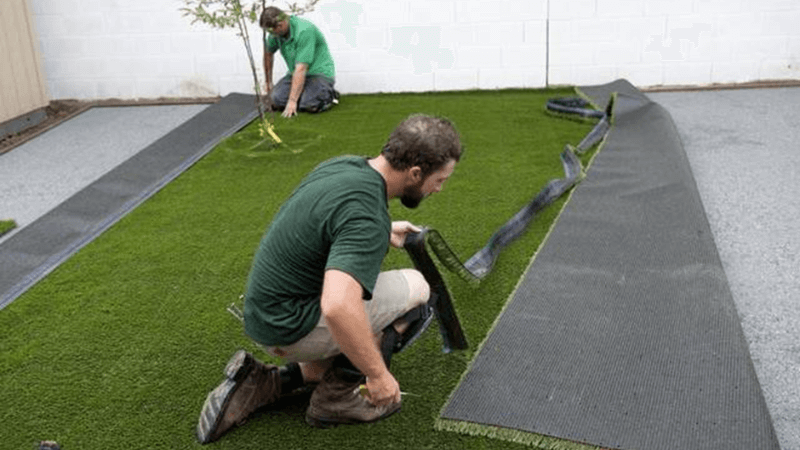
The next step is to add a weed barrier to prevent weeds from growing through the artificial grass. Without it, weeds could pop up and ruin the look of your lawn. You can roll out the weed barrier fabric over the entire area.
Make sure it covers the edges and overlaps where necessary. You can use small staples or pins to secure the fabric to the ground. Make sure it’s taut so it won’t shift when you lay the grass.
Step. 6: Lay the base layer
Once your area is ready, it’s time to lay the base layer. This helps with drainage and ensures your artificial grass stays in place. You can spread a layer of sharp sand or gravel evenly across the weed barrier. This layer should be about 1 inch deep. Use a tamper or compactor to pack the base layer tightly. This creates a firm foundation for the artificial grass.
Step. 7: Roll out and cut the artificial grass
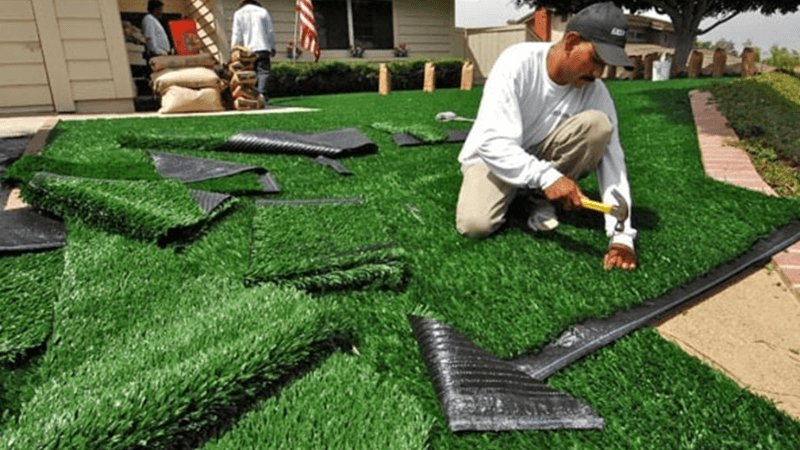
Now it’s time to roll out your artificial grass and cut it to fit your space. You can lay out the artificial grass over the prepared surface. Make sure the grass is in the right direction so it looks natural when it’s installed. You can use a utility knife to cut the grass around the edges of your space. You may need to trim the grass around corners or edges to make it fit perfectly. However, Vevor artificial grass easily rolls out without any hassle. Its multiple color variations enable you to add a unique touch to the space.
Step. 8: Secure the grass
Once the grass is laid out and cut, it’s time to secure it in place. You can use lawn pins or staples to anchor the edges of the grass into the ground. Make sure to place the pins or staples every few inches along the edges to keep the grass from shifting.
After securing the grass, smooth it out by brushing the blades in the direction they should face. This will help the grass look natural and help it settle into place.
Step. 9: Sand infill and final touches

The last step of this process is adding infill and doing a final check to make sure everything looks perfect. You can use a broom to spread a thin layer of sand or rubber infill across the surface of the grass. This helps keep the grass blades standing upright and gives it a more natural feel. If you want to make the grass look more natural, you can use a stiff brush or rake to work the infill into the grass.
How to install artificial grass on concrete? The steps of this process are similar to the above. However, you just need to do extra work on the preparation of soil.
Benefits of Artificial Grass Installation

There are a lot of benefits to installing artificial grass. Here are the main perks:
Long-term savings
One of the biggest advantages of artificial grass is the long-term savings. The initial cost of the artificial grass is slightly higher. However, it saves you money in the long run. You won’t need to buy things like fertilisers, pesticides, or seeds. Furthermore, there is no need to water it, which helps lower your water bill.
Minimal maintenance
Artificial grass requires low maintenance. There’s no need to mow it, trim the edges, or water it every day. It stays looking neat and tidy with very little effort on your part. The most you need to do is brush the grass every so often to keep it looking fresh. Vevor artificial grass remains vibrant under prolonged sunlight and requires low maintenance. You can install it easily and enjoy a green oasis.
Exceptional durability
Artificial grass is built to last for many years. Unlike natural grass, it won’t fade, dry out, or turn brown. This makes it perfect for high-traffic areas like playgrounds or yards where pets and kids play. Whether it’s summer or winter, your artificial grass will stay green and look great year-round.
Pet-friendly
Artificial grass is a great choice for pet owners. Pets love to play and run on artificial grass because it’s soft and comfortable. Plus, it’s easy to clean. If your pet makes a mess, it’s simple to rinse away. The artificial grass won’t get torn up, and there are no muddy patches after it rains.
Popular Uses for Artificial Turf Grass
Artificial turf grass is a versatile and durable option for a variety of outdoor spaces. Here are the popular uses of artificial turf grass.
Residential lawns
Artificial turf is a fantastic solution for residential lawns. It stays green and lush all year round. Homeowners love it because it requires little maintenance. There’s no need to mow, water, or fertilise, saving both time and money. For people living in areas with water restrictions or poor soil, artificial turf provides an easy way to have a beautiful lawn without the hassle.
Safe play areas for kids
Parents and carers often choose artificial turf for children’s play areas. The surface is soft and cushioned. It won’t get muddy when it rains, which means children stay clean even after outdoor play. Artificial grass also provides a consistent and smooth surface. It reduces the risk of tripping on uneven ground.
Sports fields
Sports fields are another area where artificial turf is commonly used. Whether it’s for soccer, football, or rugby, artificial turf provides a smooth surface. It can withstand heavy use, even in harsh weather conditions. Artificial turf maintains a smooth, even surface that is safer to play on. It also doesn’t need time to recover between games.
Pet areas
Artificial turf is an excellent option for pet areas, especially for dogs. It’s soft and comfortable for pets to run, play, and relax on. It’s perfect for pets who tend to make messes. Whether it’s from rain or pet accidents, artificial grass can be dried quickly. It also won’t wear down like natural grass. So pets can enjoy the area without creating bare patches or muddy spots.
FAQs
How much does it cost to install artificial grass?
The price of artificial grass depends on the area size, materials, and labour. Usually, it costs $5 to $20 per square foot. However, this is the average cost, and the final cost varies with your requirements.
How long does it take to install artificial grass?
Most home projects take 1-3 days to finish. It also depends on the gardener’s experience and how long it takes to install it. If you are a beginner, then it takes 4 to 5 days to properly install this grass.
How long does artificial grass last?
Good-quality artificial grass, like VEVOR Artificial Grass, can last 15–20 years. It’s UV-resistant material keeps the colour bright, even in sunlight. Cleaning and taking care of it regularly will help it last longer.
Does artificial grass get too hot in the sun?
Yes, it can feel warm under direct sunlight. You can use cool water to spray on it. Furthermore, you can add a shadow or other plants to reduce the heat level.
Final Thoughts
To sum up, the knowledge of how to install artificial grass enables you to make your garden look beautiful. However, you need to follow the steps precisely and prepare your soil surface. A muddy or uneven surface won’t allow the plants to grow. It also makes your garden full of weeds that engulf the healthy minerals from the ground. So, prepare your soil and select the grass that won’t fade with the passage of time.