Learning how to install a pneumatic jack in a car is a simple skill that can make maintenance and repairs safer and faster. A pneumatic jack will save you both time and energy over manual jacks because it can raise your vehicle with air. Having it installed properly, you can go to work knowing that your car is in a secure position.
Also, always read the manufacturer’s instructions to correctly set up and use. Not only does this save you in the case of an accident, but it also avoids damaging your vehicle. Whether your tires need changing or your car’s undercarriage needs repairs, an installed pneumatic jack will help any car owner with their work.
Tools and Materials for Installing a Pneumatic Jack in a Car
Before starting your pneumatic car jack setup, it’s important to prepare the right tools and safety gear and choose the correct jack for your vehicle. This pneumatic car jack installation guide will help you get ready and work efficiently.
Essential Tools
Whenever using a step-by-step guide on installing a pneumatic jack in a car, the right tools will make the task easier:
- Socks and a wrench—for loosening and tightening bolts.
- Screwdriver set—to fasten small components.
- A torque wrench—to provide correct bolt tightness.
- Rubber mallet—to make delicate adjustments with.
- Measuring tape—to determine the ideal place to put them.
- Marker—to list true positions.
When you have these tools at hand prior to getting started in setting up a pneumatic car jack, time is saved, and there are no delays in each situation.
Safety Gear
Before beginning how to install a pneumatic jack in a car, safety must come first. Use protective gear such as:
- Safety glasses—protect your eyes from dust and debris.
- Work gloves—prevent cuts and scrapes.
- Closed-toe shoes—shield feet from dropped tools.
- Dust mask—helpful in low-ventilation areas.
These are simple things that can actually save a person from a fatal injury. Proper safety techniques will keep you safe as well as enhance the efficiency of the pneumatic car jack setup. Take time to wear the correct gear so you can focus on the installation.
Choosing a Pneumatic Jack
Selecting the right jack is crucial in any car pneumatic jack installation guide. Look for:
- Correct lifting capacity—matches your car’s weight.
- Sturdy base—ensures stability during lifting.
- Compact design—fits under your vehicle easily.
- Clear instructions—for safe and easy use.
By reading reviews online and following the guide provided by the manufacturer, you should select a reliable and safe jack. A properly selected model will make your pneumatic car jack setup easier and safer to operate, giving you an easy time whenever you need to use it.
How to Install a Pneumatic Jack in a Car
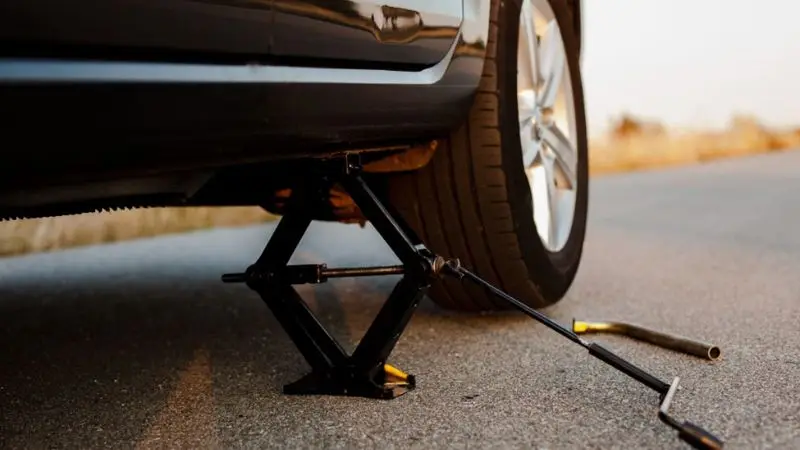
Installing a pneumatic jack is a straightforward process, but following the correct steps ensures safety and efficiency. This step-by-step guide to installing a pneumatic jack in a car covers preparation, positioning, mounting, connecting the air supply, and testing.
Preparing the Car
To start with, take your car on a leveled, firm surface and apply the parking brake so that it will not move. Insert wheel chocks behind the wheels that will be on the ground to prevent rolling. Clear all loose objects out of the car, open up the hood, and pull the battery disconnect if you are working in electrical areas.
When setting a pneumatic car jack, always ensure you lift at the right points to prevent damage by consulting your owner’s instruction guide. Just before proceeding with the car pneumatic jack installation guide, make a second check on stability so as to make sure that the car is steady enough to lift up.
Positioning the Pneumatic Air Jack
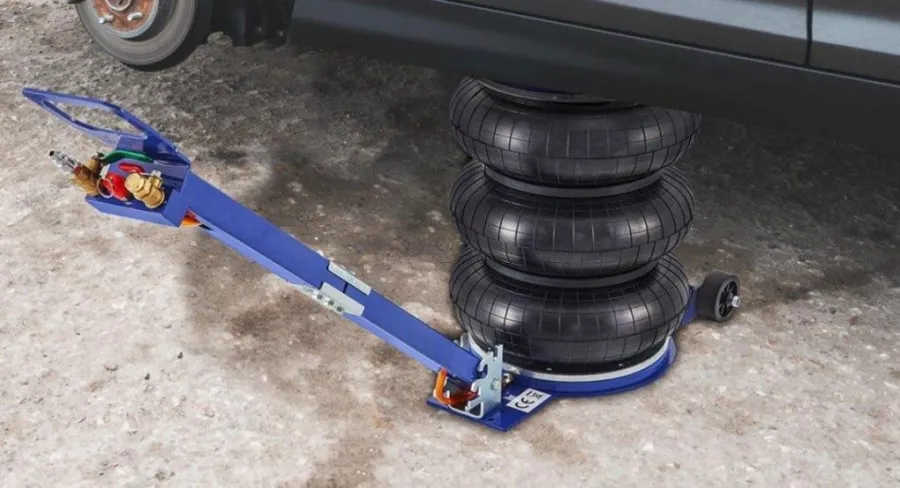
Find the proper lifting locations of your car that should be noted in the frame. Position the pneumatic air jack under the vehicle and at the same lifting point as the lifting pad. Ensure that the jack is resting flat on the ground and not on delicate parts.
When applying more than one jack, ensure stability by holding each jack at a correct lifting point. Measure it with a measuring tape to make sure that the jack is centralized, and in case of any adjustment, mark the place. Installing a pneumatic jack in a car is safer and more efficient when the operator takes the time to properly place the jack.
Mounting and Securing
Once the jack is correctly positioned, ensure it sits firmly against the lifting point. Tighten any mounting bolts or straps supplied with your pneumatic air jack. A torque wrench should be used to reach the manufacturer’s recommended tightness. Always follow the instructions for your model, as skipping this step can lead to dangerous slippage or failure.
Using the original mounting hardware is essential for a secure pneumatic car jack setup. This part of the process in the car pneumatic jack installation guide ensures stability and prevents the jack from shifting during use, keeping the lifting process safe and reliable.
Connecting Air Supply
Connect the air hose firmly with the inlet of the pneumatic jack and make sure that it is not over-tightened. Attach the other end to your air compressor and set it to the manufacturer’s recommended pressure. As you switch the compressor, observe how the jack is slowly lifting up the vehicle. Stop when you have achieved the desired height.
Be sure you hear air leaks, and when hearing a hissing sound, turn off the compressor and inspect all fittings. This is the most crucial step in outlining how to connect a pneumatic jack to an air compressor, both in performance and safety. Also, during the installation of a pneumatic car jack, do not extend beyond the maximum pressure indicated.
Testing and Using Jack Stands
Once the vehicle is raised, set the jack stands underneath the frame at the jacking points. Gradually bring the pneumatic jack down until the automobile rests safely on the stands. This safety precaution will keep you safe in case the jack goes down. Shake the vehicle lightly to make sure it is in a stable position before getting under it.
Always use jack stands; never assume the jack is enough to support the vehicle. Now that the instructions on how to install a pneumatic jack on a car have been carried out, this last step of the guide will make your working space safe and secure with no probability of accidents or machinery breakdown.
Pneumatic Air Jack Safety

There are some dangers associated with using a pneumatic jack; with the precautions at hand, you can carry out your work safely and with confidence. It is crucial to know the safety procedures, whether you are reading a step-by-step guide on how to install a pneumatic jack in a car or whether you are just undertaking normal maintenance. The next steps will assist you in keeping yourself and your car during a pneumatic car jack installation.
Key Safety Tips
Each time you use a pneumatic air jack, follow these essential safety practices:
- Inspect before use—check for cracks, leaks, or worn parts.
- Flat, solid surface—prevents tipping during operation.
- Correct lifting points—use those marked in your car’s manual.
- Wear safety gear—gloves and glasses protect your hands and eyes.
- Never rely on jacks alone—always use jack stands for extra security.
- Set correct air pressure—follow the manufacturer’s recommendations.
- Keep the area clear—no children, pets, or unnecessary distractions.
These steps ensure your car pneumatic jack installation process is safe from start to finish.
Common Hazards
Ignoring safety procedures when installing a pneumatic jack in a car can lead to dangerous situations:
- Jack’s failure—using damaged equipment can cause sudden drops.
- Incorrect placement—lifting from weak points can damage your car.
- Air leaks—loose hoses may cause slow drops or sudden loss of support.
- Overloading—exceeding the jack’s capacity—risks collapse.
- Slips and falls—oil or water on the floor can cause accidents.
Staying alert to these hazards keeps your pneumatic car jack setup safe and reliable. If you hear hissing or notice shifting, stop immediately, lower the car, and check all connections before continuing.
Troubleshooting and Maintenance
Keeping your pneumatic jack in good condition is essential for safe and efficient use. This section of the car pneumatic jack installation guide covers common mistakes, troubleshooting steps, and maintenance practices to keep your equipment in top shape.
Common Mistakes
One of the most common errors that can happen when using pneumatic jacks is the leakage of air before getting up to the car. Another one is lifting at the wrong points, which may crack the vehicle frame. Lack of user manuals, or not reading the manuals, causes unsafe configurations or incorrect steps in the procedure of how to install a pneumatic jack in a car.
It is also unsafe to mix the hardware of one jack with that of another and might lead to failures. It is always a good idea to check connections twice, use the right lifting points, and even when using your car jack, use only the right-fitting part for your model to keep safe in your pneumatic car jack.
Troubleshooting Tips
When your pneumatic jack does not lift, always ensure that there is a good air supply or that the compressor is not faulty. Ensure that the hose is well sealed and listen to hissing sounds, which may be signs of leaks. When the jack slows down, check the air pressure, and the hose may be blocked. Worn seals or faulty valves can be the reason the car starts to lose power on its own.
Any simple issues can be addressed by cleaning the jack and tightening fittings. Always refer to your model troubleshooting guide and change the bad parts as soon as possible to ensure your pneumatic car jack setup remains safe and functional in case it is ever needed again in the future.
Maintenance Advice
Make routine maintenance a priority so that you will maximize the lifespan of your pneumatic jack. Wipe away all dirt, dust, and oil after every use in order to avoid rusting. Keep the jack in a dry and safe place and maintain the moving parts with a few drops of oil every few months so as to keep the jack running smoothly.
Test the jack’s lifting capacity before beginning a job, and check the air hose frequently to spot cracks or leaks. Routine maintenance is required both to keep your pneumatic car jack system in smooth running condition and to prevent accidents. To install a pneumatic jack in a car or to make routine lifts, a well-functioning jack is necessary to follow the step-by-step instructions.
Trolley Jack vs Pneumatic Jack
A trolley jack is a hand-operated jack driven by hydraulic pressure and a long lever, and is therefore more appropriate for small jobs and sudden tire changes. Conversely, a pneumatic jack takes a short time to raise the car with much reduced effort by using compressed air.
This is why pneumatic systems are more popular in professional shops that work with tires. Choose a pneumatic jack in case you need prompt raising and less physical effort. But in cases when you need simple requirements and home use, a trolley jack can be good and affordable. The decision will depend on speed, convenience, and lifting capacity needs.
Wrap Up
When the right tools, proper steps, and safety are taken seriously, installing and operating a pneumatic jack can be done easily and in a safe manner. Every action and every step counts, including preparing your car and placing the jack, attaching the air supply, and utilizing jack stands.
Frequent checking, easy troubleshooting, and knowledge of hazardous conditions make your pneumatic car jack system dependable over several years. With this car pneumatic jack installation guide, you can greatly benefit in the case of repairs or regular checks with ease. Coupled with the right strategy, you will be sure of how to install a pneumatic jack in a car and operate safely anytime.
FAQ
How can you tell that your pneumatic jack is suitable for your car?
Weigh your automobile and clearance to the ground. Consult the manual of a jack on maximum length and minimum height. Ensure that the jack pad is the same as the lifting points of your car. Discuss it with the manufacturer or a mechanic, in case of doubt.
Does the pneumatic jack need an air compressor?
Well, no, to run a pneumatic jack, you need an air compressor. Your car gets suspended by the jack, which is filled with air. The jack cannot work without a compressor.
What is your remedy when your jack runs out of air?
Immediately stop using the jack. Compare the hose and fittings to take note of damage. Make mushy ones tighter. Reinstate defective hoses or seals that are old. Remember to check the jack, and then lift your car once more.
Can you leave your car on a pneumatic jack for a long time?
No, you must never leave your car resting upon a pneumatic jack. Be safe and always use jack stands. Round plates put your car in a secure position, should the jack fail to deliver its pressure.