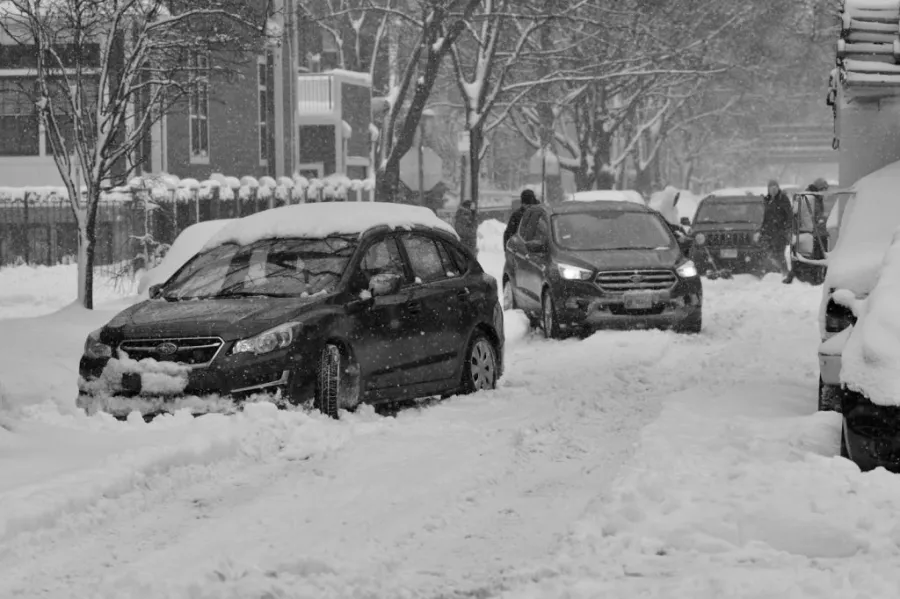
Consider this: you’re already late, the coffee is cold, and as you put the car in motion, you hear the dreaded whirr. Your tires are spinning, snow is flying, and you’re heading nowhere. Learning how to get car unstuck from snow is the difference between a slight inconvenience and a complete winter nightmare.
It’s a frustrating situation that challenges every driver’s patience, so don’t let fear set in. Before you even start the engine, having a robust, adjustable snow shovel on hand is the ideal way to begin your escape. This article will coach you through the professional methods to get your wheels back on stable ground without breaking a sweat or breaking the bank.
Tools you need to get your car unstuck from the snow

Think of your trunk as a mobile survival kit. You wouldn’t try to mend a leaky pipe without a tool, and you shouldn’t confront a blizzard without the necessary equipment to tackle how to get car unstuck from snow.
Snow Shovel
A shovel is your main weapon against a snowbank. You must eliminate the physical barriers surrounding your tires and the underbelly of the chassis. A small, metal-blade shovel is suitable for cutting through the frozen crust that frequently forms near the pavement.
Ice Scraper and Brush
Visibility is inextricably linked to movement. Use a long-reach brush to clear the roof so that snow does not roll down over your windshield when you move. Use the scraper to clear your mirrors so you can see exactly where you’re backing up.
Traction mats
Rubber tires have no grip on ice-covered ground. Carrying a set of heavy-duty traction tracks is the best option. These mats produce a high-friction surface that mimics dry pavement, allowing you to drive straight out of the hole.
Sand or kitty litter?
If you’re stuck without matting, a bag of sand can give temporary grit. Spread it liberally over the tracks you’ve dug out. This does not melt the ice, but it does provide enough friction for the tire to stop spinning and begin rolling.
Steps to free your car from snow
If you’re stranded, flooring it is the worst option. Escape necessitates a tactical, step-by-step procedure. Follow these steps to learn how to get car unstuck from snow effectively.
Assess the situation before taking action.
Get out of the automobile and examine beneath the frame. If the snow is so deep that the car’s body rests on it, your wheels bear no weight. Before you attempt to move the car, you must clear the snow from beneath its core.
Clear snow from around the tires
Create a trail at least two to three feet long in front and behind your drive wheels. This provides a swing space that allows the car to gain velocity. Also, clean the exhaust pipe to keep harmful fumes from backing up into the cabin.
Straighten the steering wheel.
Turned wheels operate as rudders in the snow, providing additional resistance. Keep your steering wheel straight to reduce the amount of work your engine has to do. Once you’ve walked a few feet, begin to spin gradually to follow the road.
Use gentle acceleration
Tap the gas pedal as if you were walking on an egg. You want the tires to rotate gently so that they can obtain traction. If you hear them scream or spin quickly, ease off the throttle immediately; you’re merely creating more ice.
Rock the car slowly
This is a classic maneuver: change into Drive, roll forward an inch, then shift into Reverse and roll back. The rhythmic “rocking” creates a momentum pocket. To avoid transmission damage, make sure the car is completely stopped before switching gears.
Add traction under the tires.
Shove your traction mats well into the snow, right against the tire tread. If you don’t have them, use a portable automobile floor jack to slightly lift the car’s corner and push sand or branches straight under the tire to improve the bite.
What to avoid when trying to get unstuck
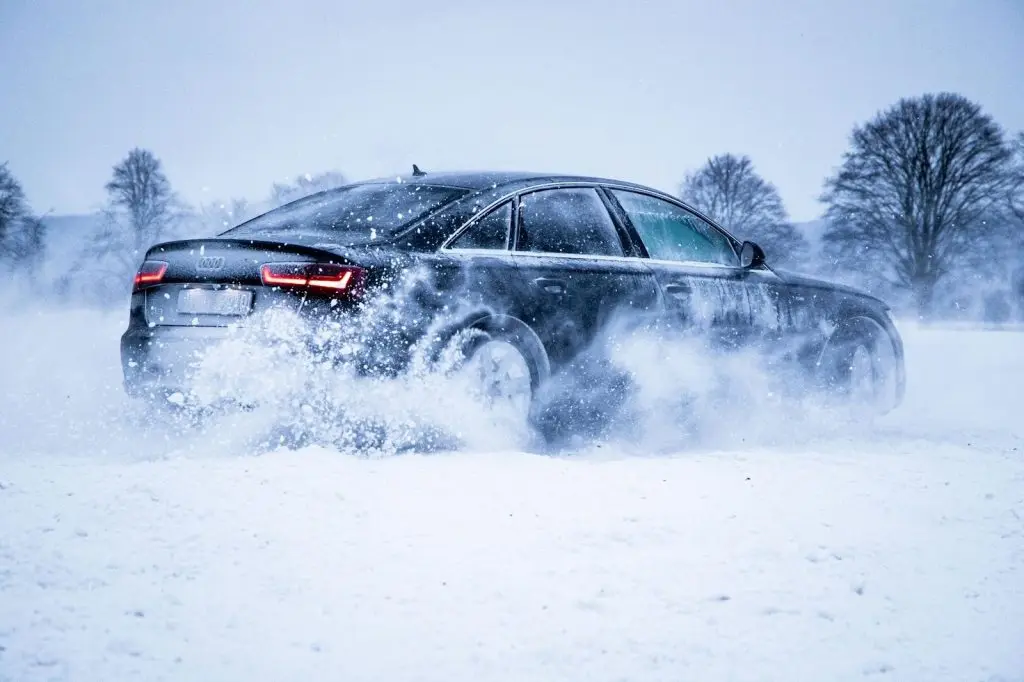
In the excitement of the moment, it is easy to make mistakes that result in snow damage. To keep your car in good condition, avoid the following.
- Spinning the tires forcefully: When tires spin at 60 mph while the vehicle is still, they produce enormous heat. This can melt the tire’s rubber or cause it to burst. More significantly, it turns the snow into a pane of glass, worsening your condition.
- Floor the accelerator: High RPMs without movement might cause your engine to overheat and destroy the gearbox fluid. Most car maintenance tips state that heat is the enemy of your vehicle’s longevity. Take it slowly and keep calm.
- Staying stuck for too long: Cold drains car batteries and saps your physical energy. If you’ve been trying for 20 minutes with no luck, stop. Exposure to the elements is a real risk, and a stalled car can become a target for other sliding vehicles on the road.
Safety and property care
The area around your car is just as dangerous as the road itself during a storm. You need to be aware of your surroundings to prevent accidents.
- Mind the tree branch safety: Look up before you start digging. Heavy, wet snow often leads to snapping limbs. Always practice tree branch safety by staying away from sagging trees. A falling branch can cause massive snow damage to your roof or, worse, hurt you.
- Avoiding snow damage to your vehicle: Using a metal shovel near your rims or fenders is a recipe for rust and scratches. Keep your tools focused on the snow, not the paint. Also, avoid using boiling water to melt ice on the glass; the temperature shock can shatter your windshield instantly.
What to do if your car won’t move
Sometimes the opening round is won by nature. It’s time to bring in reinforcements if the do-it-yourself methods aren’t working.
- Ask for assistance: That last push can come from a few people pushing from behind (when you are in Drive). Make sure they are pressing against the car’s solid metal components rather than the plastic bumpers or lights, which are prone to breaking in the cold.
- If a tow strap is available, use it: Use a special tow strap with hooks if a neighbor with a truck offers to pull you. Regular rope can break and turn into a hazardous projectile, so never use it. Make sure the tow point on the frame is where you are pulling from.
- Call for roadside assistance: You will want a winch if the vehicle is high-centered on a frozen bank. Expert tow drivers are able to remove you at an angle that prevents your bumper from being torn off. Avoiding a large repair price later makes the expense worthwhile.
Managing the rest of the winter
The work doesn’t end when you remove the car. Make sure your tools and driveway are prepared for the upcoming snowfall.
- Maintaining a clear driveway: It may be time to replace your home equipment if you frequently get trapped. The snow won’t ever pack down into ice if you clear the path with a strong electric snow thrower.
- Keeping your equipment in good condition: Love is also necessary for your tools. Cleaning the snow blower carburetor may be necessary to keep your gas blower operating smoothly if it is acting up. In the electric vs. gas snow blower debate, more men are switching to a lower-maintenance choice.
FAQs
Can spinning tires make things worse?
Of course. Snow melts as a result of the friction heat produced by spinning. You stop spinning, and that water turns back into glaze ice. Without a traction mat, this makes it almost hard for the rubber to acquire a grip.
Does turning the wheel help?
Occasionally. To help the tire’s side-tread bite into new snow, wiggle the steering wheel back and forth. To lessen the amount of snow the tires must push through, keep the wheels straight if you are truly buried.
What can I use for traction?
Sand or cat litter are the next best options after a traction mat. You can use your car’s floor mats (carpet side down) in an emergency, but be advised that the tires will probably spit out or chew them up.
When should I call for help?
You are probably stranded for good if you can see that the car’s structure is resting on a substantial bank of snow. Also, before you damage your transmission, call a tow truck if you’ve tried shaking the car five times and it hasn’t moved an inch.
Conclusion
Getting back on the road after being buried isn’t only a matter of luck; it’s about knowing how to get car unstuck from snow using the proper technique. You can master even the most difficult drifts if you keep your calm, use the correct equipment, and avoid the trap of aggressive tire spinning.
As we said earlier, planning is your best friend when the weather goes bad. Stay careful, prepare your emergency bag, and don’t let a little powder ruin your day!