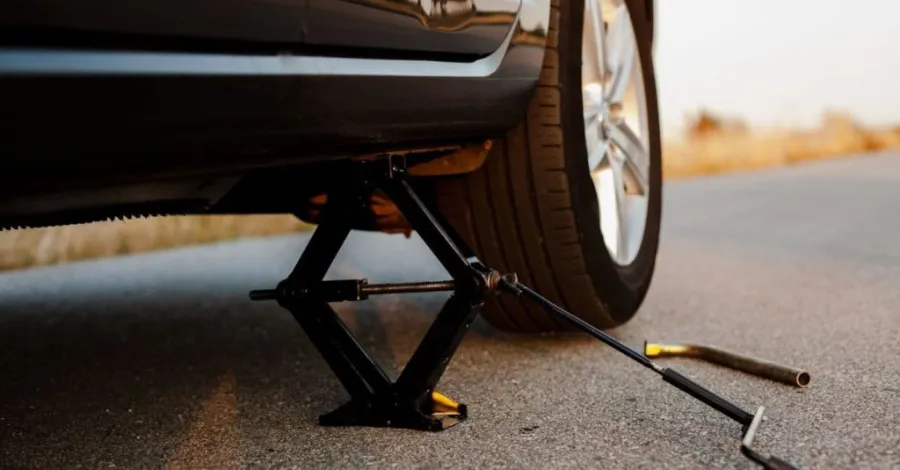
Ever had your car jack quit on you right when you needed it most? Don’t worry—learning how to fix a car jack doesn’t require expensive tools or a trip to the repair shop. With just a few basic tools and clear steps, you can get your hydraulic floor jack working again right at home. This guide will show you exactly what to do in a simple, beginner-friendly way. Safety always comes first, so work carefully and know your limits. And if any step feels tricky, don’t hesitate to ask a professional for help.
Safety and Preparation
Safety should be your first priority, even before you begin learning how to repair a car jack that cannot lift hydraulics. Hydraulic equipment means pressure, oil, and heavy loads; therefore, proper precautions can eliminate accidents and damage. Spending some additional minutes prior to the repair would make the process less hectic and dangerous.
Safety Guidelines Before Repair
When working on your jack, follow these safety measures to protect yourself and your workspace:
- Always work on a flat, solid surface to keep the jack from slipping.
- Wear gloves to protect your hands from sharp edges and oil.
- Use safety glasses to shield your eyes from oil splashes or flying parts.
- Never crawl under a car supported only by a jack—always use jack stands.
- Keep children and pets away from your work area.
If your hydraulic jack shows severe damage, like cracks in the frame, replacing it may be safer than attempting DIY car jack repair at home.
Tools You’ll Need
For most repairs, you won’t need expensive or specialized equipment. Here’s what to gather before starting your step-by-step guide to repairing a car jack:
- Wrenches—for loosening and tightening bolts and nuts.
- Screwdrivers—for removing screws.
- Pliers—for gripping and pulling parts.
- Clean rags—for wiping off oil and dirt.
- Hydraulic jack oil—for refilling your jack.
- Small container – for catching old oil.
- Flashlight—for seeing inside tight spaces.
If you’re planning to replace worn seals during DIY car jack repair at home, a seal kit may also be necessary. Always check your jack’s manual for any specific tools required.
How to Fix a Car Jack
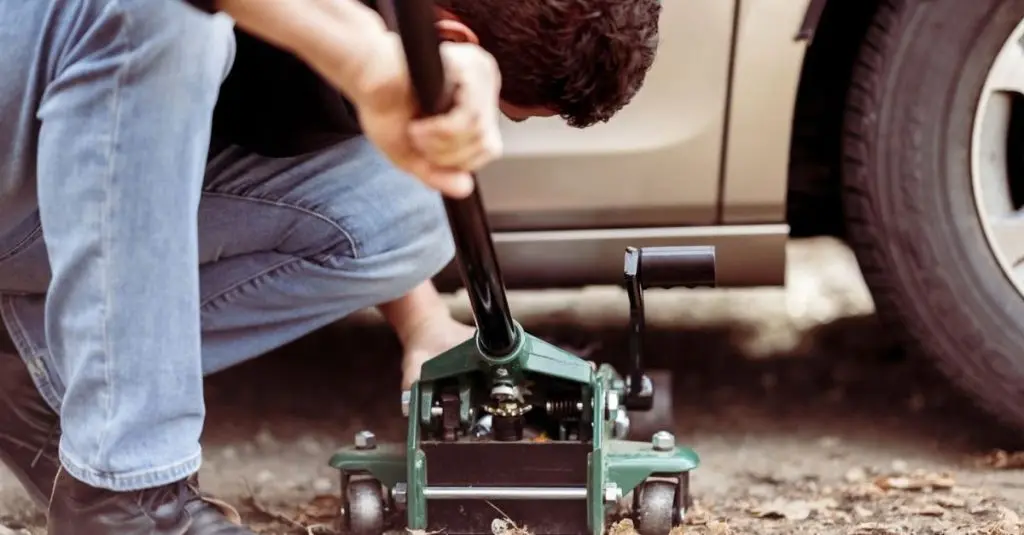
Learning how to fix a car jack starts with finding the problem before jumping into repairs. A proper inspection can save time and help you decide whether you can fix it or if replacement is safer. This step-by-step guide to repairing a car jack will take you from diagnosis to sealing and valve fixes so your equipment works like new.
Step 1: Diagnose the Problem
Before any repair, carefully inspect your jack for common issues. If your jack won’t lift, leaks oil, has a stiff handle, or lowers itself too quickly, these are signs of trouble. Examine the frame for cracks or bends—if there’s structural damage, replacement is safer than repair.
If the frame is intact, wipe away dirt and oil, check seals and valves for leaks, and test the handle’s movement. Sometimes, low hydraulic fluid is the only issue, so checking the oil level first is essential before rebuilding or replacing parts during DIY car jack repair at home.
Step 2: Bleed and Refill Jack Oil
One of the most common reasons a jack stops lifting is low or contaminated oil. Knowing how to bleed a hydraulic car jack can restore proper function. Start by lowering the jack completely, removing the oil fill plug, and draining old fluid into a container.
Refill with fresh hydraulic jack oil—never use brake fluid or motor oil—then pump the handle to push out trapped air. Top off as needed, replace the fill plug, and test the jack. If air remains, open the release valve, pump the handle several times, then close it. This process is also key to fixing a bottle jack that won’t lift.
Step 3: Replace Seals
Oil leaks are also a sign that the seals are damaged, and this is an important part of a successful repair. Take the handle and all covers off, then use pliers or a screwdriver to carefully pop old seals out. Carefully clean the sealing area, replace old seals with a new compatible seals kit, and reassemble parts stepwise.
Failure to do so will ensure that oil continues to spill, decreasing the lifting capacity of your jack. To ensure long life, always consider seal replacement in your DIY car jack repair jobs at home, particularly after a complete rebuild or fluid replacement.
Step 4: Valve and Leak Repair
If your jack fails to hold weight or loses pressure, the valve may be the cause. Knowing how to fix a hydraulic car jack that won’t lift often involves cleaning or replacing this part. Locate the release valve near the handle, unscrew it with a wrench, and check for dirt or worn components.
Clean it thoroughly or install a replacement if needed. For leaks, changing an O-ring or small seal can make a big difference. After repair, reassemble the valve, test the jack’s lifting ability, and ensure it holds steady—critical steps in any step-by-step guide to repairing a car jack.
Floor Jack Repair at Home
When your jack does not lift any more, it is better to know how to repair your hydraulic car jack. DIY car jack repair can be done at home with the correct tools and some patience. These step-by-step instructions will guide you to get your jack functioning and back in shape.
Fixing a Floor Jack
Preparation of a clean workspace is the first step toward repairing a floor jack. Dust will conceal errors and complicate fixing. Remove the handle and covers to look inside, then check the frame to see whether there are cracks or bends—in case they are present, it is safer to replace the jack.
Then, inspect the oil by draining the old and filling it with new hydraulic jack oil where necessary. Change tired seals with a seal kit to prevent leakage, and clean or change the release valve to get back the pressure. Align the parts back together properly, and everything should fit snugly together so that a rebuild is smooth and safe.
Testing After Repair
After you have the repairs done, testing helps you to verify that you were successful in your work. First, pump the handle a few times—the jack is supposed to be able to rise freely without drag. Check seals and the valve itself in terms of any leaks by wiping off any oil that may be present to identify drips. Jack up and down to test stability.
Place some small load on the jack and ensure that it does not fall. In case it does not work, go back to your steps in order to identify the problem. A final step in any step-by-step tutorial on car jack repair is proper testing, which is needed to ensure that the repaired device can be used safely in real situations.
Maintaining Your Hydraulic Floor Jack
Knowing how to fix a hydraulic car jack that won’t lift is important, but keeping it in good shape can prevent many of those problems in the first place. Regular inspections and proper storage will extend your jack’s lifespan and ensure it’s ready whenever you need it.
Regular Checks for Longevity
Inspecting your jack every few months helps catch issues early. Begin by wiping off dirt and oil so you can clearly see the surface. Then, follow these quick checks to keep it working efficiently:
- Check the oil level—low oil can affect lifting performance.
- Look for leaks—inspect seals and valves closely.
- Inspect the frame—watch for bends or cracks.
- Test the handle and release valve—ensure they move smoothly.
- Listen for unusual noises—strange sounds while pumping may signal trouble.
Addressing small leaks or wear right away will save you from bigger DIY car jack repairs at home later.
Storage Best Practices
Your store is nearly as important as your use of your jack. Never store the jack in the raised position; it relieves pressure on seals and wears the spots prematurely. In order to live longer, keep in mind:
- Keep it in a dry place to prevent rust.
- Wherever possible, keep it off the ground, on a mat or shelf.
- Wrap a piece of cloth or plastic to prevent the entry of dust.
- Heavy loads should not be left on the jack.
When you store it properly, you won’t have to remake your bottle jack as many times as possible, and will not have to learn how to repair a bottle jack failing to lift as early as possible.
Conclusion
Mastering how to fix a hydraulic car jack that won’t lift is a valuable skill for any car owner. By diagnosing problems, replacing seals, bleeding the system, and cleaning valves, you can restore your jack’s performance with confidence. Following this step-by-step guide to repairing a car jack not only saves money but also keeps your equipment reliable for years. Regular maintenance and proper storage will reduce breakdowns and make DIY car jack repair at home easier when needed. With patience, the right tools, and safe practices, you can keep your hydraulic jack lifting smoothly whenever the job calls.
FAQ
How can I tell that my car jack is safe to repair?
Check for cracks, bent components, or heavy rust. In case you notice such, you are safer to purchase a new jack. The fix can be done at home: “If your jack is only leaking oil or not lifting, you should be able to repair it.”
Does my hydraulic jack take just any oil?
No, that is not to be used; you should plant hydraulic jack oil. Motor oil or brake oil, among other oils, will ruin the seals and harm your jack.
What do I do when my jack refuses to go up despite oiling?
Look to see that there is air in the system.
To bleed the jack, put the release valve open, then pump the handle.
In case that fails, then look at seals that leak or are torn.
When should I inspect my car jack?
Make sure, though, to check your jack regularly after every few months. Check up on leaks, low oil, or damage. Routine inspections will allow you to prevent early and will allow you to maintain your jack working safely.