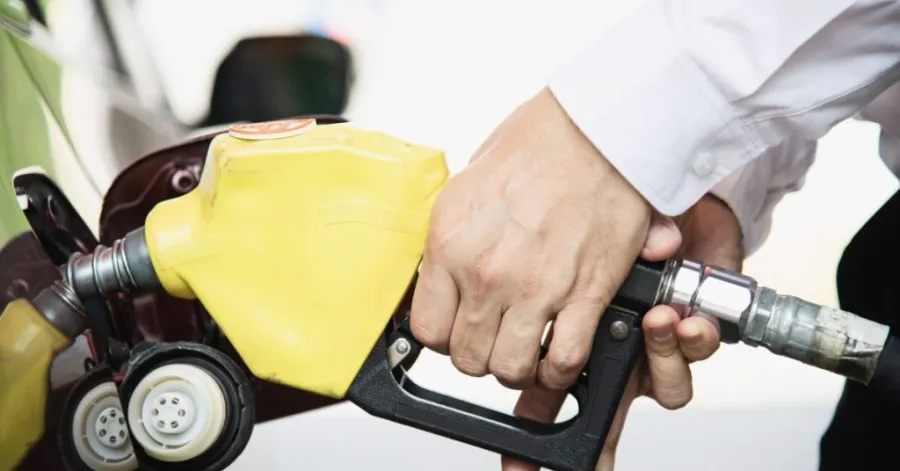
If you want to know how to empty a fuel tank safely, you need to start with the right tools and a clear plan. You might need to do this when you store your car, motorcycle, or lawn mower for a long time, or if you need to work on the fuel system. Always think about safety first. Gasoline is flammable and can harm the environment if you spill it. Wear gloves and goggles, work outside or in a well-ventilated space, and use approved containers like jerry cans. With careful steps, you can handle this job without stress.
Safety Precautions Before You Begin
Before starting the fuel tank emptying procedure, it’s important to create a safe environment. Gasoline is highly flammable and can be harmful if mishandled. Preparing your workspace properly will reduce risks and make the job easier. Let’s go through the safety measures you should take before learning how to safely empty a fuel tank.
Work in a Well-Ventilated Area
Always do this in an open or well-ventilated area when you are learning to empty the fuel tank without spillage. Vapors of the gasoline are vicious and may bring about dizziness or nausea when inhaled. They should be used outdoors or in a large garage with open doors and windows. You can also use a fan so that the air flow is maintained, and it prevents the collection of fumes. Never work in tight spaces where the vapors of fuel may accumulate. The current of fresh air protects you and prevents the occurrence of fire risks in the process.
Wear Protective Gear
Personal protection is essential when handling fuel. Put on gloves to protect your hands and safety goggles to shield your eyes from splashes. Old clothing is ideal since fuel can stain fabric easily. If gasoline fumes bother you, consider wearing a face mask or respirator for extra safety. Proper protective gear prevents direct contact with harmful chemicals and helps you stay focused on the task. Taking these simple precautions ensures that your experience with how to safely empty a fuel tank remains clean, safe, and comfortable.
Disconnect the Battery
Clear the battery in the vehicle before handling any fuel system component so that you do not cause any spark. First, use a wrench to loosen the negative terminal and move it out of the way so that it does not reconnect. That is the easiest way of preventing a fire caused by electrical sparks around fuel lines. It is among the safest methods of draining a fuel tank since it eradicates ignition problems. Always ensure that you check twice before resuming your fuel tank emptying process that the battery is not connected to anything.
Keep Fire Sources Away
Fuel vapors ignite easily, so it’s critical to remove all potential fire sources. Keep matches, lighters, power tools, or any electrical devices far from your workspace. Avoid smoking or using open flames near the vehicle. If you need lighting, use a lamp designed to stay cool while in use. Practicing caution with fire safety is key when you’re learning how to remove fuel from a car tank, as even a small spark can lead to dangerous consequences.
Use Proper Fuel Containers
When filling up your gas tank, always fill it with a gasoline-containing container. The walls of these containers are made thick and strong, and their lids are tight to ensure they do not leak or vapor escapes. Household bottles, jars, or buckets should not be used at all; they may melt, crack, or spill. Using an appropriate container, like a Jerry can, will assist you in the transportation and storage of fuel. It is also a significant component of the process of learning how to empty a fuel tank without spills, so that there is no mess or danger in the process or after it.
Tools and Materials You’ll Need Before Emptying a Fuel Tank
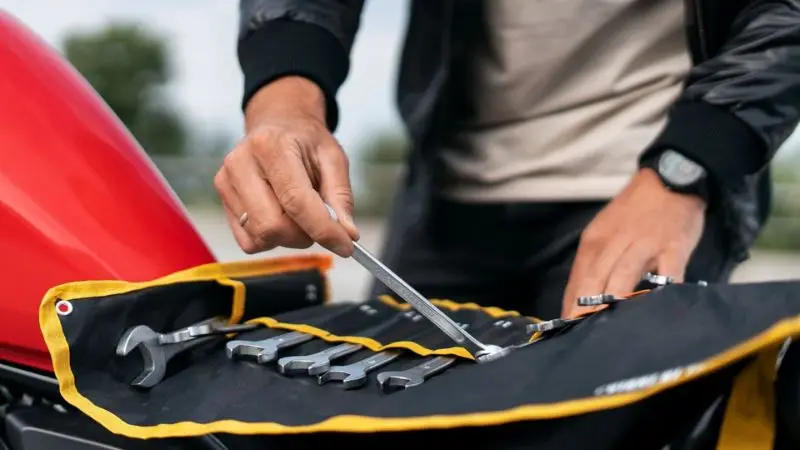
Before you begin the fuel tank emptying procedure, make sure you have the right tools and materials ready. Having everything prepared ahead of time helps you work safely and efficiently. Each tool plays an important role in helping you understand how to safely empty a fuel tank and avoid spills or damage. Let’s look at the essential items you’ll need before you start.
Fuel Siphon Pump or Hand Pump
One of the most vital tools that one should know when learning how to empty a fuel tank without spilling is the use of a fuel siphon pump or hand pump. This makes it easier to pour gasoline into a container without any spillage whatsoever. Pumps have squeeze bulbs or manual cranks; you can have either one, whichever one you find is comfortable to use. Never leave your pump dirty or damp; it is always better to run it completely clean and dry before it starts. Otherwise, your fuel or water will mix with the gasoline and lead to contamination. The safest and efficient means of draining a fuel tank is by the use of a good siphon pump.
Drain Pan or Approved Fuel Container
You’ll need a proper container to collect the drained fuel safely. The best way to drain a fuel tank is by using an approved fuel can or a sturdy drain pan. These containers are made from durable materials that prevent leaks, fumes, or accidental spills. Avoid using plastic bottles or household containers, as they can easily melt or crack. Approved fuel containers come with secure lids and handles, making them easy to move and store. Choosing the right container is essential when following how to safely empty a fuel tank without creating hazards.
Wrenches or Screwdrivers for Access
Wrenches or screwdrivers are helpful tools for loosening bolts, clamps, or small covers that protect the tank area. Depending on your vehicle or machine, you might need one or both to access the tank and remove hoses safely. Keeping these tools close at hand prevents unnecessary interruptions while you work. Using them properly helps ensure your fuel tank emptying procedure goes smoothly, without damaging any components. Before starting, check what type of fittings your car or mower uses so you can choose the correct tools for the job.
Jack and Stands for Vehicle Support
In case you are learning how to empty fuel out of a car tank, you might be required to push up the car so that you can easily access the tank. A hydraulic jack lifts the car, with strong stands holding the car in place in the course of the task. Always put the stands in position before working under them, using only a jack as a support. This added precaution will prevent accidents. In smaller machines such as motorcycles or lawn mowers, lifting is not typically needed, although, in this case, the machine must be stable. Never leave the vehicle or machine unattended; proceed with your fuel tank emptying procedure.
How to Empty a Fuel Tank — Step-by-Step Guide
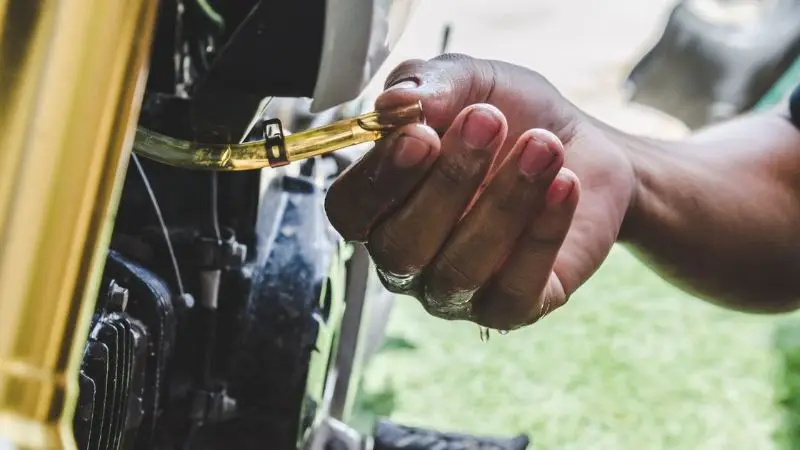
Knowing how to safely empty a fuel tank is important for maintenance, cleaning, or preparing a vehicle for storage. Whether it’s a car, motorcycle, or lawn mower, following a proper fuel tank emptying procedure prevents spills and fire hazards. Below are clear, simple steps to help you perform the job correctly and efficiently from start to finish.
Step 1: Locate the Fuel Tank
The first step in the fuel tank emptying procedure is to find where the tank is placed on your vehicle. Most cars have the fuel tank underneath the rear section near the trunk or back seat. Motorcycles usually keep it just in front of the seat, while lawn mowers have smaller tanks positioned close to the engine. If you’re unsure, refer to your owner’s manual for guidance. Knowing the exact location helps you plan how to remove fuel from a car tank safely and makes it easier to connect hoses or reach access points.
Step 2: Choose the Right Draining Method
Then determine the draining method that fits your car. How a fuel tank will be best emptied is usually determined by the design of the tank. Most vehicles and motorcycles use a siphon or hand pump via the filler neck , and it is safe and efficient. In some fuel tanks, a small drain plug is fitted at the bottom, which allows the fuel to be drained through a container. Select a technique that fits your equipment and level of comfort. Knowing the design of your car will ensure that you get through the process of filling up the tank of the vehicle without any complications or spillages.
Step 3: Drain the Fuel Safely
Now that your tools are ready, it’s time to start draining. Position your approved fuel container near the tank opening. Carefully insert the siphon hose or open the drain plug, allowing the fuel to flow out slowly. Pay close attention to any signs of leakage or spills. If you notice one, stop immediately and fix the issue before continuing. The key to learning how to empty a fuel tank without spilling is patience — move slowly and stay alert throughout the process. Safety and steady control matter most at this stage.
Step 4: Dispose of or Store the Fuel Properly
Once you’ve drained the tank, decide whether to keep or dispose of the fuel. If it’s clean and still usable, pour it into a sealed, approved fuel container for storage. Old or contaminated fuel should never be dumped on the ground or down a drain. Instead, take it to a recycling center, auto shop, or local hazardous waste collection site. Following these proper disposal steps is part of knowing how to safely empty a fuel tank responsibly, helping you protect both your health and the environment.
Step 5: Clean the Fuel Tank for Better Performance
It is optional and greatly recommended that the tank be cleaned once it is drained after being emptied. Clean the inside of the tank using a clean cloth to eliminate dirt, debris, or residue. To remove more stubborn buildup, add a little fresh fuel to it, stir it, and empty it once more. Always air-dry the tank and then reinstall or refill the tank. Having a clean tank will be helpful in eliminating the clogs and maintaining your fuel system in good operation. It is an intelligent last process when filling up the empty fuel tank during the long-term reliability process.
How to Empty a Fuel Tank for Different Vehicles
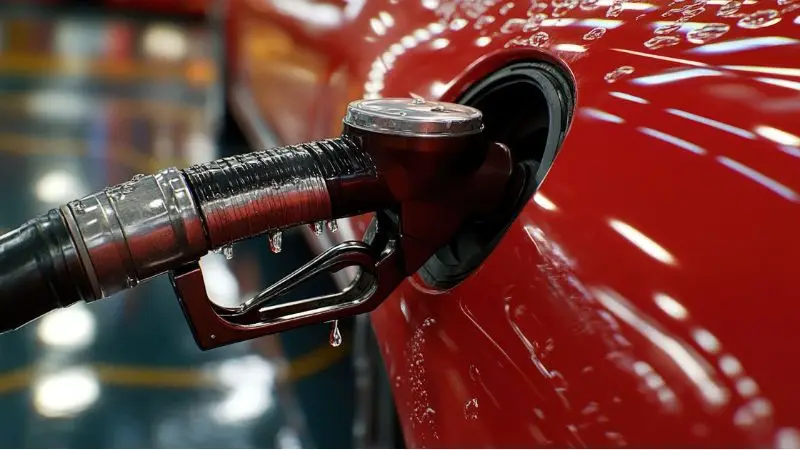
The fuel tank emptying procedure varies depending on the type of vehicle. While the overall steps remain similar, each machine has its own setup and safety points. Whether you’re draining a car, motorcycle, or lawn mower, it’s important to understand the right approach for each one. Here’s a simple breakdown to help you learn how to safely empty a fuel tank for different vehicles with ease.
How to Empty a Fuel Tank in Cars and Trucks
Cars and trucks usually take a bit more time because of their larger tanks and complex systems. Begin by parking on a flat, stable surface. If necessary, use a jack and stands for better access underneath. Most cars have the tank near the trunk or rear seat area. The best way to drain a fuel tank is often through the filler neck using a siphon pump. Some vehicles also include a drain plug at the bottom. Always check your owner’s manual for specific details, as some models have anti-siphon screens that may limit hose access during the process.
How to Empty a Fuel Tank in Motorcycles
It is normally easier to empty the fuel tank of a motorcycle. The tank is placed in front of the rider, which is easy to reach. Close the fuel valve before beginning so as to avoid spills. Take off the fuel line to a carburetor or injector and place your certified container under it. When it is prepared, open the valve and allow the fuel to pass out naturally. A siphon pump can also be used as an additional measure. When at work, hold the bike straight and firm. The technique guarantees that you use the correct way to drain the fuel tank without spilling and having a neat working place during the entire operation.
How to Empty a Fuel Tank in Lawn Mowers and Small Engines
Lawn mowers and small engines come with simple fuel systems, making the draining process quick. Always let the engine cool before starting to prevent burns. You can tilt the mower carefully and pour fuel into an approved jerry can or use a siphon pump for more precision. For a complete drain, detach the fuel line near the carburetor and allow any remaining fuel to flow out. This approach works best for learning how to remove fuel from a car tank or a small machine safely. Take your time and clean up any spills immediately after you’re done.
Common Mistakes to Avoid When Emptying the Fuel Tank
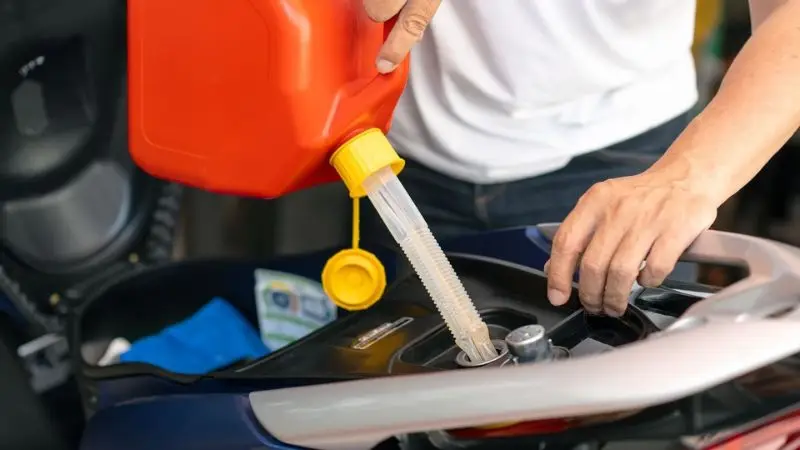
Even with careful steps, people often make a few repeated mistakes when they learn how to safely empty a fuel tank. Below are the most common errors, numbered so you can check them off as you work. Read each one and make a point to prevent it during your fuel tank emptying procedure.
Mistake 1 — Draining Near Open Flames or Sparks
It is unsafe to drain gasoline in the area of anything that may light a fire or cause a spark. Gasoline vapor is extremely flammable and can burn with the slightest spark; a cigarette, a power tool, or an electrical switch could trigger a fire. As a rule, clean up the working place of open fires and hot subjects before commencing work. Unless you have to turn on lights or devices, use battery-operated ones located at a considerable distance from the tank. Being strictly attentive to ignition sources is a simple principle when you get to know how to empty a fuel tank without spilling, and you wish to remain safe.
Mistake 2 — Using Non-Approved or Weak Containers
Putting drained fuel into bottles, milk jugs, or weak containers is risky. Household containers can crack, leak, or fail to seal, letting fumes escape or fuel spill during transport. Instead, use only approved fuel cans or a sturdy drain pan designed for gasoline. These containers have secure lids, thick walls, and safe pouring spouts. Keeping fuel in the right container reduces spills and helps you follow local rules for storage and disposal. Choosing the correct container is a key part of the best way to drain a fuel tank safely.
Mistake 3 — Forgetting to Depressurize or Isolate the Fuel System
It is common practice on many vehicles to maintain the fuel system pressure even when the engine is switched off. When you pull off a hose without defueling the fuel, it can go out of control and create splashes or injury. It is always necessary to switch off the engine, wait a few minutes, and open the filler cap, gradually releasing the pressure. Wear gloves and eye protection in the course of work. The habit is easy to use and avoids the accidental sprays, which is a significant measure in safe fuel tank emptying practices.
Mistake 4 — Mixing Old, Contaminated Fuel with Fresh Fuel
Combining old, moist, or thick fuel with new gasoline may damage engines. Old fuel usually caused clogging of filters and carburetors, and caused poor running or expensive repairs. Put used or doubtful fuel in containers marked clearly and store the fuel separately with fresh fuel. When the fuel appears hazy, smells unpleasant,or contains particles, treat it as waste- do not refund it to a clean tank. It is important to separate and label, which can assist you in understanding how to take the fuel out of the car tank in a responsible manner and prevent engine complications in future.
Wrap-Up
Learning how to empty a fuel tank is all about preparation, patience, and attention to detail. By following the correct fuel tank emptying procedure, using approved tools, and avoiding common mistakes, you can drain fuel from cars, motorcycles, or small engines safely and efficiently. Always prioritize safety, handle gasoline with care, and dispose of old fuel responsibly. Whether you’re cleaning your tank, performing maintenance, or storing a vehicle, knowing the best way to drain a fuel tank keeps both you and your equipment protected for future use.
FAQ
How frequently do you refill a fuel tank?
You do not have to fill up frequently. Do it prior to long-term storage, repairs, or when you have bad fuel. Consult the advice of your owner’s manual.
Can you reuse old gasoline?
Problems with engines can be a result of old gasoline. Do not use it if it produces a sour smell or a dark color. Take it to a recycling center. Label the fuel containers always.
What would you do in case of a spillage of fuel?
Clean up spills right away. See absorbent pads or kitty litter. Ventilate the area. Do not hose fuel in drains or soil.