You want to know how to drill a hole in a rock safely. Start by gathering the right tools and always wear safety gear like goggles and gloves. Use steady hands and work slowly. When you follow clear steps, you avoid injuries and get a clean hole. Many beginners ask how to drill a hole in a rock, but with care and patience, you can do it well. How to drill a hole in a rock without cracking it? Using the correct drill, choosing the right drill bit, and following proper safety steps will help you get the best results. Working slowly and keeping the drill bit cool can also prevent cracks and damage.
This beginner-friendly guide explains how to drill a hole in a rock step by step in simple language. You will also learn which tools to use, how to drill different types of rocks, common mistakes to avoid, and practical tips for solving problems. By following these steps, you can complete your project safely and with confidence.
Table of Contents
- Essential Tools and Safety Gear for Drilling a Hole in a Rock
- How to Drill a Hole in a Rock: Step-by-Step
- Drilling Techniques & Tips for Drilling Different Types of Rocks
- Common Mistakes to Avoid When Drilling a Hole in a Rock
- How Long Does It Take to Drill a Hole in a Rock?
- Troubleshooting Common Rock Drilling Problems
- Wrap Up
- FAQ
Essential Tools and Safety Gear for Drilling a Hole in a Rock
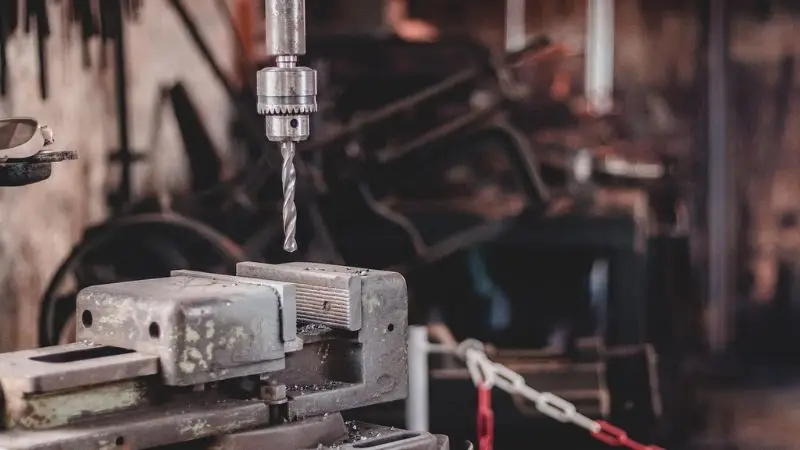
Before drilling a borehole in rock, make sure you have the right tools and safety equipment. The best results will be achieved on hard surfaces with a hammer drill and a carbide- or diamond-tipped bit. Wear protective goggles, gloves, a dust mask, and ear protection. Proper use of equipment renders rock drilling more accurate, easier, and safer.
Recommended For Your Project
Hammer Drill vs Regular Drill
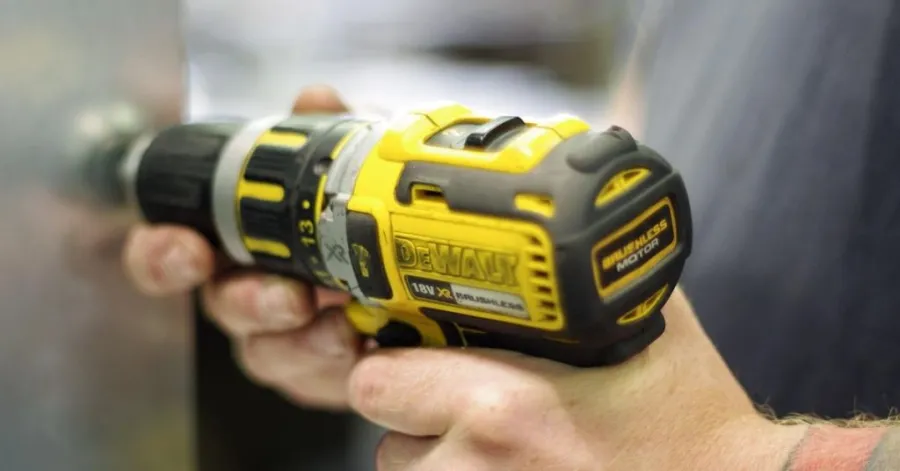
You may be wondering whether you can drill into any rocks with a common drill. Soft materials can be drilled with a regular drill, while rocks require more power. A hammer drill will provide you with the additional force. It quickly feeds the drill bit in and out, helping break through hard surfaces. How to make a hole in landscaping rock? Looking to add a hole in a rock? You should use a hammer drill! If you don’t have one, you can borrow one from the hardware store. The hammer drill eliminates the need to perform two actions at once. It rotates the drill bit while moving it forward and backward at a high rate of speed. As the drill bit spins, it breaks the hard surface into small pieces with this hammering motion. The hammer drill applies pressure to the bit and does much of the work for you, rather than forcing the bit through the rock. This means that drilling will take less time and less effort.
Best Drill Bits for Rock
Not all drill bits can handle rock. How to drill a hole in granite rock? A bit of hard material is required. Seek carbide-tipped or diamond-tipped drill bits. These bits are sharp and do not lose their edge easily. Carbide-tipped bits work for most rocks. For very hard stones, such as granite, use diamond-tipped bits. Replace the drill bit if it becomes dull or if it does not make any progress.
-
- Carbide-Tipped Drill Bit: Most rocks.
-
- Diamond-Tipped Drill Bit: Good for hard stones such as granite.
Safety Gear You Should Wear
Safety comes first. The rock is liable to fling small bits of rock when drilled. Don’t forgo safety equipment. It protects you and helps you to concentrate on your job. Given proper equipment and safety precautions, you can confidently drill a hole in a rock. How to drill a hole in a river rock? While the drill is boring into the rock, very small fragments may be ejected in various directions. These sharp particles may easily harm your eyes.
You should wear:
-
- Eye protection: safety goggles.
-
- Wear protective (work) gloves to protect hands
-
- A dust mask to avoid breathing in rock dust
-
- If your drill is loud, you’ll need ear protection.
How to Drill a Hole in a Rock: Step-by-Step
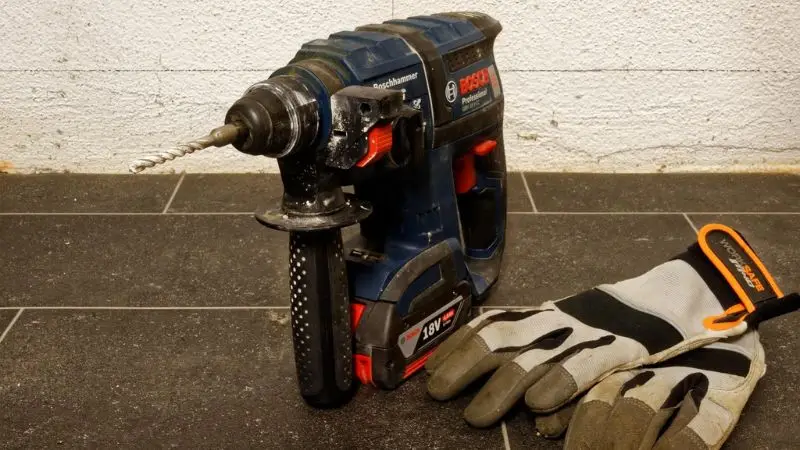
Drill a clean, correct hole in the rock using a step-by-step process. First, clean and secure the rock, then mark the drilling location and select the appropriate bit. Use low speed and pressure, and always keep water running to keep the bit cool and avoid overheating the tool. After the hole is done, clean it and smooth all edges for a professional, neat look.
Clean the Rock
Begin by cleaning the rock. Use a brush or a damp cloth to remove dirt and dust. Your drill bit will grip the rock better if the surface is clean. The area in which you wish to drill is also more visible. If the rock appears oily or slippery, rinse it with soap and water, then dry it with a clean cloth. The first advantage of rock cleaning is the ability to see the rock’s surface. How to drill a hole in quartz rock? Rocks will pick up dirt, sand, moss, or dust if left outside. These materials can mask cracks, unevenness, or the location of any hole to be drilled. Use a damp cloth or brush off any loose rock to easily see the surface and the best spot to make your hole. Cleaning the rock also helps you maintain the drill bit in the proper position. When the drill bit is dusty or slippery, it may slide during initial drilling.
Mark the Drilling Spot
Using a pencil or marker, make a small dot at the spot where you want the hole. You can use masking tape to help keep the drill bit from slipping. How to drill a hole in limestone? Cover with a small piece of tape and mark the center. This will provide you with a direction and aid in the drilling process. It also helps prevent the drill bit from slipping by marking the spot. The drill bit may glide across the smooth stone before it begins to cut when first placed on the rock. This may scratch the rock or make a hole in the wrong place. If the mark is visible and combined with masking tape, it will provide a better starting point and help the drill bit stay in place. The feature is particularly helpful for artistic endeavors.
Secure the Rock
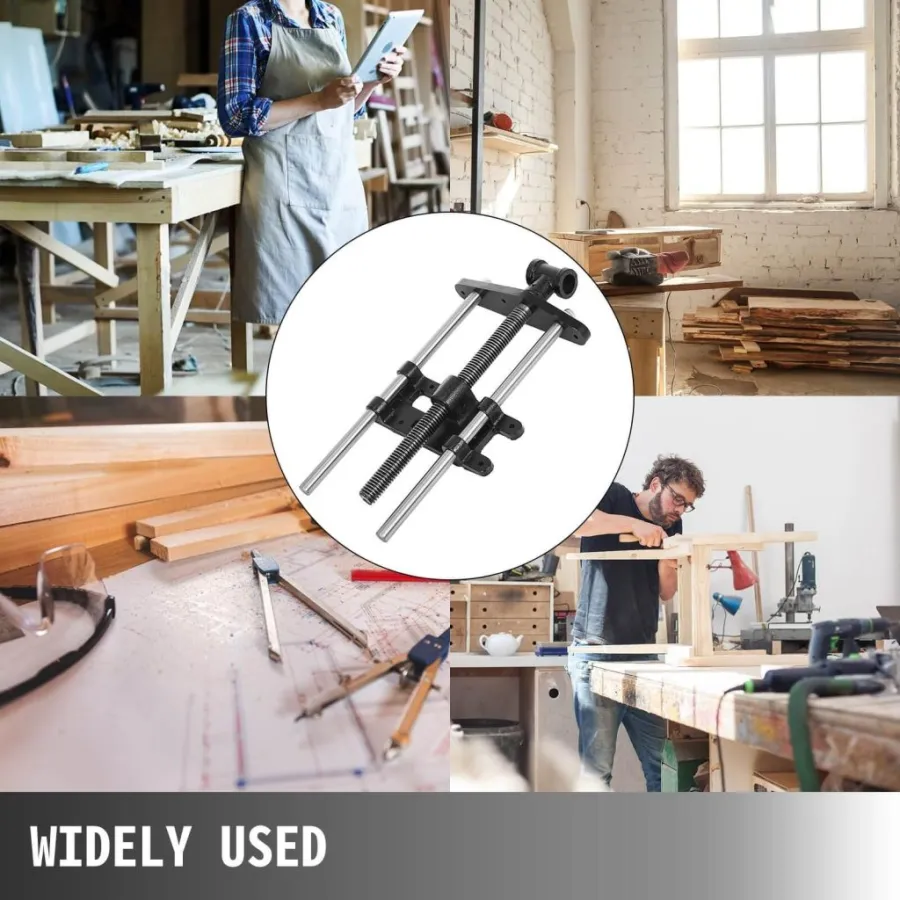
Position the rock on a solid surface. Use a clamp or a vice to hold it in place. When clamping a small rock, cover it with a towel to prevent scratching. A stable rock makes drilling a clean hole and minimizes the likelihood of accidents. How to drill a hole in a rock without cracking it? When drilling, a stable rock remains in place so that you can drill to your marking. When a hole is drilled in the wrong place or is not straight, it is caused by the rock shifting during drilling. This will ensure the rock stays in place and that a straight, clean hole is made with a professional finish. Rock security also facilitates easier drilling. If the rock does not move, there is no need to stop the activity to move it repeatedly. Instead of keeping the rock with one hand, you can concentrate on steering the drill.
Choose the Right Drill Bit
Select the appropriate drill bit for your rock. Carbide-tipped bits can be used in most rocks. Diamond-tipped bits are suitable for hard stones. Be sure the bit is sharp and fits your drill. Wood or metal drills are not built to drill into stone. They will get dull very soon, overheat, or may even break. Masonry bits (carbide-tipped or diamond-tipped) are much harder. They are designed to bore through tough materials without the material wearing out too quickly. For most rock drilling projects, carbide-tipped drill bits are a good option. They can be used on many common rocks and are durable enough and inexpensive enough for many applications. When drilling into extremely hard rocks, such as granite, a diamond-tipped drill bit is a better choice.
Start Drilling Slowly
Use a low speed for your drill. Keep the drill straight and apply gentle pressure. Give the drill a hand! Excessive torque can cause the bit to slip or crack. An important step in safely drilling a hole in a rock. So what can be done if you want to make a hole in sandstone? The drill bit may slide across the rock’s surface when it is first placed on it, and the drill is spinning too rapidly. This can leave marks on the rock or leave a hole in the wrong location. Working at a slow speed ensures the drill bit holds its place well. This is because, as the bit starts to bite into the rock, it becomes much easier to maintain the drill’s stability and continue drilling in the right direction. A lower speed helps the drill bit stay sharp longer and reduces heat buildup. When combined with cooling the bit using water, you can greatly extend the life of your drilling tools. Start with a small pilot hole. This will allow an easier, larger hole to be drilled later.
Keep the Drill Bit Cool
Drilling creates heat. Dip the bit in water every few seconds or spray water on the drilling site. A cold bit will not wear out as quickly and will help make a good hole. While drill bits can be used on hard materials, they also have their limits, particularly for carbide- and diamond-tipped drill bits. Excessive heat will soften the edge of the blade, and it will dull quickly. Spraying or dipping the drilling area every few seconds with water to keep the temperature down and the drill bit sharp for longer is a very effective technique. Another benefit is quick and seamless drilling. A cool drill bit will bore through rock more effectively than a hot one. This feature can show you how to drill a hole in landscaping rock.
Finish the Hole and Clean the Rock
Once you reach the desired depth, stop the drill and remove the bit. Brush away dust and rinse the rock. Check the hole for rough edges. If needed, use sandpaper to smooth them. Now you know how to drill a hole in a rock and finish with a clean result. Cleaning the rock also helps protect your tools and workspace. Rock dust can collect on your drill, workbench, and surrounding area during drilling. Wiping down your tools and cleaning the workspace after finishing helps keep everything in good condition. It also prevents dust from spreading to other projects or entering moving parts of your equipment. This final step is also a good opportunity to inspect the rock for cracks or damage.
Drilling Techniques & Tips for Drilling Different Types of Rocks
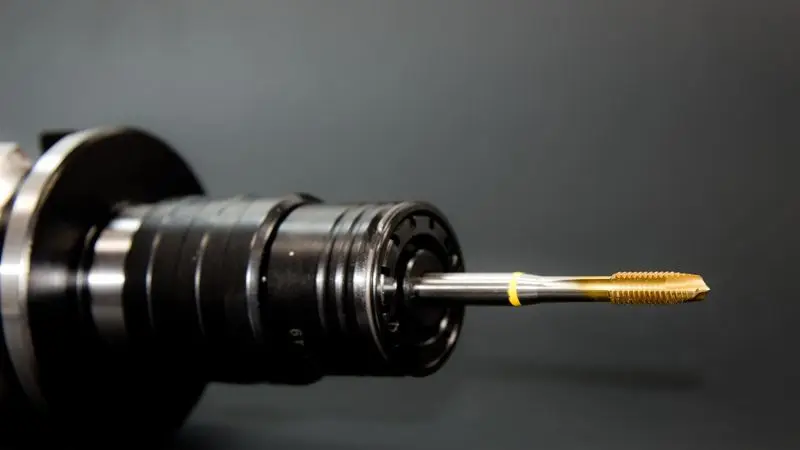
The various rock types require different drilling methods to achieve optimal results. For hard granite, a diamond-tipped bit is used, and a carbide-tipped bit is ideal for most river rocks and softer decorative stones. Use a slow speed when drilling and use water to keep the drill bit cool, so it does not overheat and crack the rock. Using the correct drill bit and drilling method will help you get a clean, accurate hole without any problems.
How to Drill Granite
Granite is a very hard rock to drill. You will require a diamond-tipped drill bit to do this. Use a low setting on the hammer drill. How to drill a hole in granite rock? Gently press the drill to stop it moving around. Keep the bit cool by spraying water on the drilling hole. If you see dust building up, stop and clean the area. Take your time. Rushing can crack the granite. This feature also provides a lesson in the need for low drill speed when using a hammer drill. Many beginners think that they can drill faster and complete the job sooner, but granite is a patient rock! By drilling slowly, you have more control, and it’s easier for the drill bit to cut through the stone slowly. It also helps to cool the granite and prevents damage to the bit and granite. Inspect the drill bit for wear. If the bit is dull, the task becomes more difficult and can damage the rock.
How to Drill River Rocks
River rocks tend to be smooth and round. If not properly fastened, they can work loose. Tie a rock in a towel and secure it well in the clamps. How to drill a hole in a river rock? For most river rocks, use a carbide-tipped bit. Begin with a pilot hole. Make a larger hole if required. Use water to cool the drill bit. Work slowly to prevent chipping of the rock.
-
- Wrap it with a towel, and use a clamp to hold it securely.
-
- Start the drilling: Start with a small hole.
-
- Chill the drill bit: Add water frequently to keep it cool.
How to Drill Decorative Stones
There are numerous styles and sizes of decorative stones available. Some are soft, and some are hard. Test the stone by scratching it with a nail. For easy scratch use a carbide-tipped bit. Use a diamond-tipped bit for harder stones. How to drill a hole in sandstone? Use tape to mark the drilling location to avoid slippage. Apply light pressure and hold it straight. If you desire to bore a hole in a stone for craft or jewelry projects, be sure to drill one in a discarded stone first. The feature unique to him is his ability to help you select the correct drill bit. Not all the stones used for decoration are alike. Some are easy to drill, and some are very hard. It is advisable to determine the stone’s hardness before starting. You can determine which drill bit to choose by doing a simple scratch test with a nail. If the stone is easily scratched, then a carbide-tipped drill bit will likely suffice. If your decorative stones are harder, you can use a diamond-tipped drill bit, which will give you better cutting performance and cleaner results.
Common Mistakes to Avoid When Drilling a Hole in a Rock
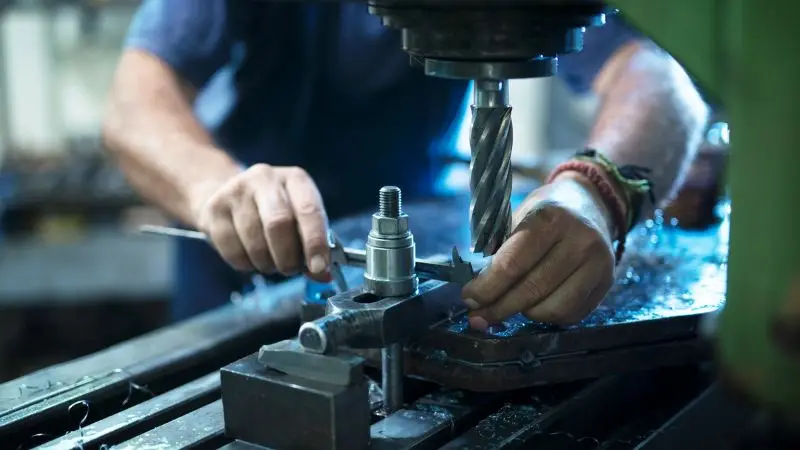
Preventing common drilling errors will help save your tools, rock, and your life. Always use the correct drill size and drill slowly and steadily, and wear the proper safety equipment while drilling. To prevent overheating and to avoid damage, keep the drill bit cool with water. These precautions will result in cleaner holes and improved drilling performance. This is what you need to avoid:
Using the Wrong Drill Bit
You must have the proper drill bit to perform the task. Many newbies pick up anything they come across in the tool shed. Rock does not approve of regular wood or metal bits. They can be easily broken or wear out. Use a carbide or diamond-tipped bit. These bits can cut through rocks and last longer. How to drill a hole in limestone? A rock drill bit will cut faster than a rock drill bit and help you get your job done in less time. Following the right drill bit for the job will also safeguard your drill. If a bit cannot enter the rock and cut through it effectively, the drill motor will need to run harder. This additional load may lead to overheating or premature wear and tear of the drill. Choosing the right drill bit helps to decrease the force on the drill and increase its efficiency. Before you begin, inspect the drill bit. Replace if it has a dull or chipped appearance.
Drilling Too Fast
It might seem like drilling at a higher speed would save time. In fact, high speed can cause the bit to overheat and crack the rock. Take your time and go slowly, and you will win. How to drill a hole in a rock without cracking it? Adjust the speed of your drill to a low setting. Apply gentle pressure. Allow the drill to do the work. Friction is generated when the drill bit is rotating against the hard rock. A higher drill speed equals more heat. Excessive heat could dull the drill bit, thereby reducing its cutting power. In certain instances, the drill bit could even break or become damaged.
-
- The higher the drill rate, the more heat is created.
-
- As more heat is added, the bit and rock will be damaged.
Skipping Safety Equipment
Some don’t wear protective equipment because they believe it’s unnecessary. A serious error was made. Rock dust can cause damage to the lungs. Flying chips may injure your eyes. Always wear goggles, gloves, and a dust mask. If your drill is noisy, ear protection is helpful. Wearing gloves will give you a better grip on the drill and help you maintain better control during drilling. Better control will also decrease the risk of the drill slipping during use. A dust mask is another essential piece of safety equipment. How to drill a hole in granite rock? Rock dust is extremely fine and is released into the air when the rock is being broken and drilled. Inhaling this dust can irritate your nose, throat, and lungs, particularly for extended projects or when working indoors. A dust mask will remove many of these particles and make it easier for you to breathe. It also helps make your workplace healthier by minimizing the amount of dust you inhale.
Not Cooling the Drill Bit
There’s a lot of heat generated when you drill. If not cooled, the bit can become dull or break. Often dip the bit in water or spray water on the drilling area. This makes the bit sharp and prevents the rock from cracking. To avoid these pitfalls, always operate correctly and achieve the best results. This feature prevents the drill bit from getting too hot. The drill bit continually rubs against the stone as the hard rock is cut.
-
- Wrong drill bit: The drill bit may be easily broken or wear out.
-
- Drilling too rapidly: Fast drilling can cause the drill bit to overheat, and rock may crack.
-
- Lack of any safety equipment: more risk of injuries.
-
- Failure to cool the drill bit: The bit may become dull, and the rock may crack.
How Long Does It Take to Drill a Hole in a Rock?
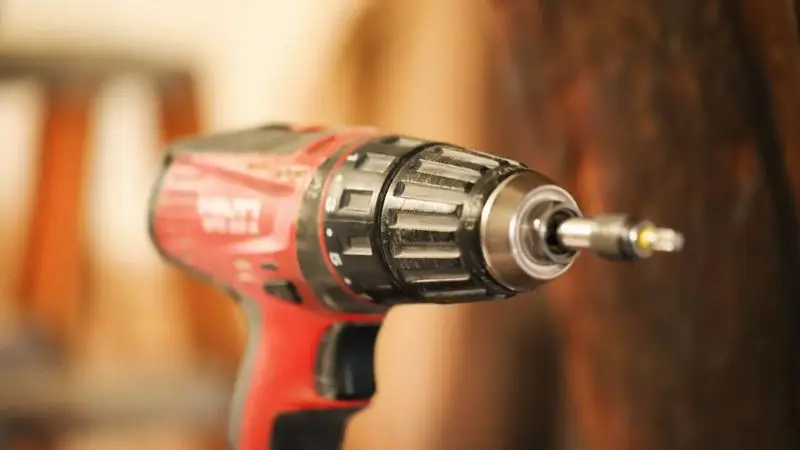
It may take several minutes or many hours to drill a hole in a rock. It is important to understand what will impact the time so you can plan your project. Some rocks are soft and are easy to drill. Others are harder and require more work. Accelerate the process by taking the proper steps.
Factors That Affect Drilling Time
The good news about knowing these factors is that you’ll be able to select the right tools. The hardness of rocks varies from one rock to another. The soft rocks, such as limestone or sandstone, are much easier to drill than hard rocks, such as granite. Once you know the type of rock you are working with, you’ll know how to drill a hole in a rock without cracking it. Several factors affect the time it takes to bore a hole through a rock:
-
- Drill Bit Quality: Sharp bits (diamond)cut faster. Fuzzy bits are time wasters.
-
- Drill Power: Hammer drills work more quickly than regular drills. The higher the power, the less you have to wait.
-
- Smaller holes: The smaller the holes, the quicker they’re done. Large holes will require more time.
-
- Cooling Method: The bit is cooled by the water. Without cooling, the breaks will need to be taken frequently.
-
- Rock Instability: When the rock is moving, it takes longer to fix it.
Tips to Drill Faster Without Damaging the Rock
You do not want to take too long to create your project, yet you need to shield the rock. How to drill a hole in landscaping rock? Keep in mind: You need to balance speed and safety when drilling a hole in a rock. You can break the rock or damage the tools by rushing. By using these steps, you can drill faster while maintaining the shape of your rock.
Try these tips:
-
- With hard rocks, use a hammer drill fitted with a diamond tip.
-
- Start with a small pilot hole. This will make it easier to guide the drill.
-
- Use water to cool the drill bit. Stop if you see smoke or dust.
-
- Grasp the drill firmly. Unsteady hands slow you down.
-
- Use a clamp or vice to hold the rock.
Troubleshooting Common Rock Drilling Problems
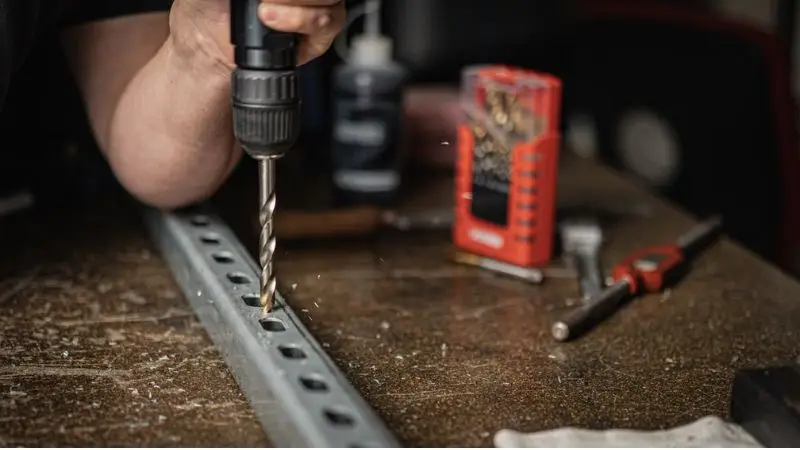
Many issues with rocks can be found and fixed so that you can finish your project safely and efficiently. Always use the proper drill bit, work slowly, and use water to cool the bit to prevent issues such as poor cutting, overheating, and cracking. Never force the drill bit out of the hole if it gets stuck; stop immediately. With patience, the right tools, and techniques, you can get clean and accurate results.
Drill Bit Won’t Cut Through the Rock
This feature helps you identify the actual problem. It is only natural to believe that you just have to press down harder on the drill. How to drill a hole in sandstone? But increasing the pressure is typically not the answer. The problem is commonly associated with the use of an incorrect or dull drill bit, an incorrect drilling speed, or an incorrect drilling technique. You can fight and solve the problem as soon as you know these common causes, so that you don’t make it worse. In some instances, your drill bit comes to a halt. This can occur due to several factors:
-
- You could be using the incorrect type of drill bit. Be sure to use a carbide or diamond-tipped bit.
-
- The bit can be flat or dull. Look for wear or chips at the tip of the tool.
-
- You can press too hard, or the speed is incorrect. Gently and slowly.
The Rock Starts to Crack
This feature is useful in identifying the warning signs early. Small cracks can appear around the hole before growing into larger cracks. How to drill a hole in the river rock? If you see these signs, stop drilling as soon as you can; you might be able to prevent the crack from spreading. It is more important to catch the problem early than to have the rock or the time that you have already spent on the project. A problem with the cracks can spoil your project. There are several steps you can take to avoid this:
-
- Use water to cool down the drill bit and the rock.
-
- Drill at a slow speed and do not push the drill.
-
- Lock the rock in place so that it will not shift.
The Drill Bit Gets Stuck
To learn how to drill a hole in a rock, you need to take care of these problems. When you follow each step, you can safely drill a hole in a rock. Use proper safety equipment and tools! Be patient and inspect your drill bit regularly. Be patient and know your tools for the best!
When a bit is stuck, it can be annoying. The following is a list of what you can do:
-
- Immediately stop the drill.
-
- When attempting to reverse the drill, try to remove the bit from the hole.
-
- If the bit does not move, try moving it lightly by hand.
Don’t forget to take time and attention to learn how to drill a hole in a rock. If you focus on it, you will be able to get a clean result.
Wrap Up
With the right tools, proper procedure, and patience, drilling a hole in a rock can be very easy. A hammer drill, the right drill bit, and safety equipment make it possible to do the job safely and accurately. Always clean and secure the rock, drill slowly, and keep the drill bit cool with water to prevent cracks and overheating. How to drill a hole in granite rock? Several methods will need to be used for different types of rocks, as each method should be appropriate to the rock in question. Understand common issues that can arise, such as using the wrong drill bit or not taking the time to finish the job correctly, and how to troubleshoot any issues. Even if you’re new to the game, you can drill beautiful holes in rock with the right preparation and these rock drilling tips. With the right technique, patience, and safety, the best results are always guaranteed.
FAQ
What do you do to keep the rock from cracking as it is being drilled?
Keep the speed slow, and cool the bit with water. Tie the rock snugly. Use gentle pressure. Stop and inspect if you see cracks.
Will a normal drill bore a hole in a rock?
Regular drilling applies to soft rocks. A hammer drill is required for hard rocks. The power advantage of hammer drills and the ease of use make the job easier.
Which size drill bit do you use for jewelry projects?
Jewelry requires a small drill bit (typically 1/16 to 1/8 inch). Use a pilot hole. Make larger if necessary.
How to remove dust from the hole?
Use compressed air or a small brush to clean off dust. You can also rinse the rock with water. Be sure that there is no obstruction in the hole before closing it.
Should children be allowed to bore holes into rocks?
Children may be used to assist adults in their supervision. Always wear safety equipment. PLEASE have an adult do the drill. Teach kids about safety before starting.