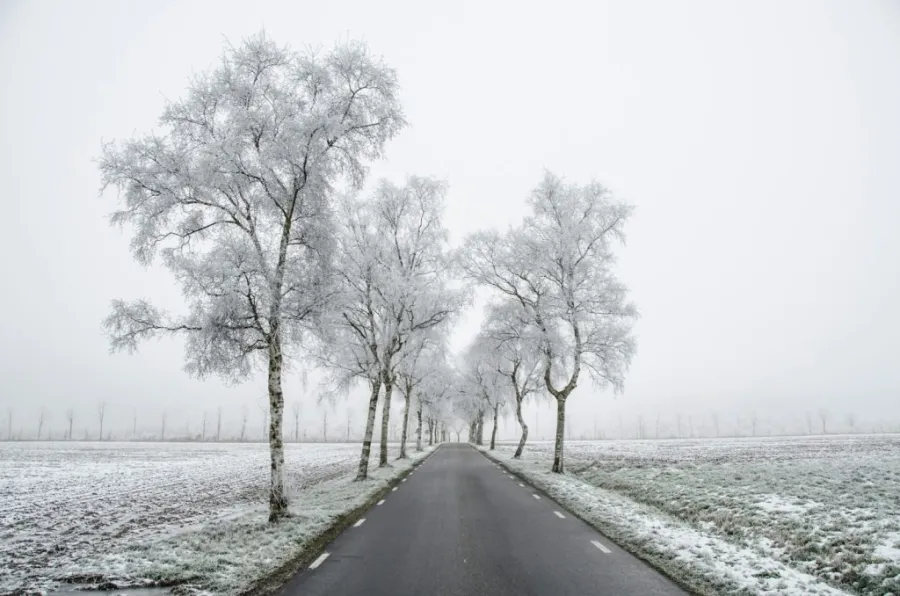
Snow covering the roads seems beautiful, but as you head towards your car, you feel how difficult it is to get there. Ice and piled-up snow can be dangerous for aged people or those with limited mobility. It increases the risks of accidents and pedestrian falls. But how to remove ice from roads? If you live in an area with extreme cold weather, learning how to de-ice a road properly is a necessary safety skill for every homeowner and community leader.
This guide will help you understand what materials like snow shovel and others to use and how to apply them safely so that everyone can move easily without any risks. Let’s explore!
When should you de-ice a road?
Understanding the correct time to take action is a necessary part of learning how to de-ice a road effectively. If you wait for hours, the ice will bond tightly to the pavement and become difficult to remove. You should start de-icing when:
- Snow starts forming on the road surfaces
- When black ice formation is suspected
- When temperatures are expected to remain below 32°C
- Compact snow turns into ice due to vehicle pressure
- Repeating freeze-thaw cycles during the day or night
- Snow is expected or in the forecast
- Shaded or sloped areas remain icy for a long time
- High traffic areas become slippery due to ice accumulation
Black ice is dangerous because it is invisible. It forms when melted snow refreezes overnight or when the temperature drops suddenly. You have to look carefully if the pavement is shiny or wet-looking; otherwise, it can risk lives.
Another sign is compact snow. When vehicles drive over snow, it compresses and forms a thick layer that hardens to form ice. Taking action earlier can stop ice formation and make it easier to learn how to de-ice a road easily.
Freeze-thaw signs are extremely dangerous as it becomes difficult to recognise visually. It can cause serious slippery accidents. Shaded and slope areas need special attention because they receive less sunlight. They stay icy for longer as compared to flat areas.
The key takeaway is that taking actions early is an important principle in mastering the skill effectively.
Common materials used to de-ice roads
Before going into the details of how to de-ice a road, let’s understand the materials you need. You will have different options for variable situations and conditions.
Rock salt
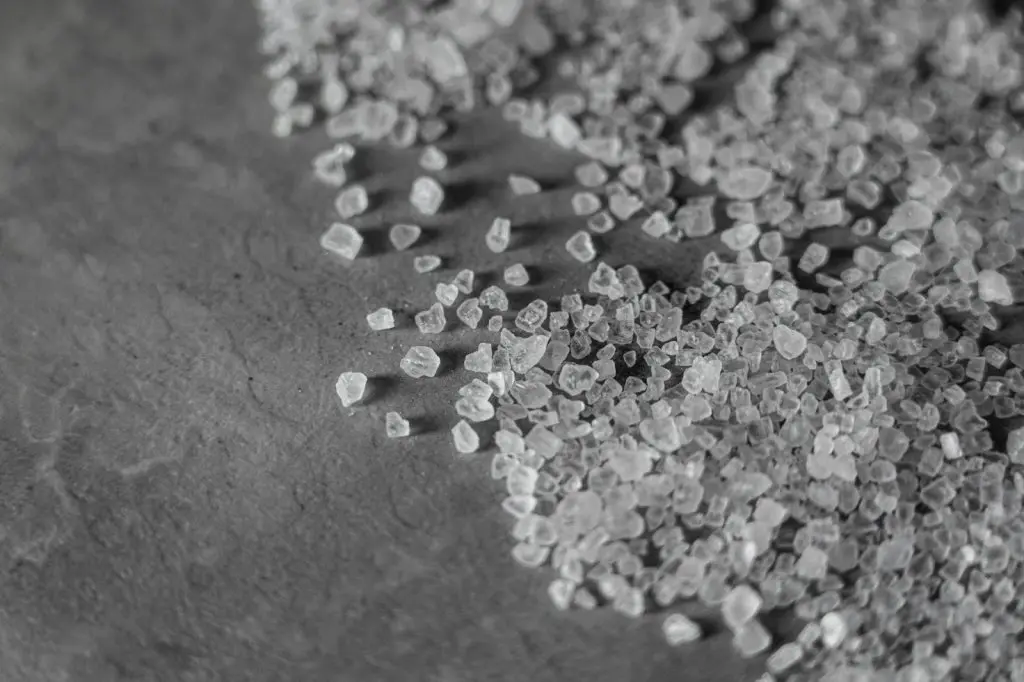
Rock salt is the most commonly used de-icer. For people who don’t know how to melt ice quickly, it helps ice melt at temperatures lower than about 15°F. It is easy on the pocket and available easily, therefore it becomes the first choice for driveways and neighbourhood roads. But it is not very effective in extreme cold weather.
Calcium chloride
Calcium chloride works well even in low temperatures below -20°F to -29°F. When you spread it on snow, it releases heat and helps ice melt quickly. This option is more powerful than rock salt but is more costly.
Magnesium chloride
Magnesium chloride is eco-friendly compared to traditional salt. It works well in low temperatures as well and causes less damage to plants. It is used in those areas where environmental protection is a major concern.
Sand for traction
Sand provides traction, and it does not melt ice. It can be used in areas that are too cold for salt to melt ice. Sand just improves grip that’s why it is mixed with chemical de-icers.
How to de-ice a road in 5 simple steps
After knowing the tools and chemicals, let’s break down how to de-ice a road safely using a five-step method.
Clear loose snow first
Remove as much snow as possible with the help of a shovel before applying any de-icer. De-icing products work best when they come in direct contact with snow.
By clearing snow, waste is reduced, and effectiveness is enhanced. You can also use wam water to melt stubborn ice. This step is crucial in understanding how to de ice a road with water and do it properly without using chemicals.
Apply de-icer evenly
Spread the de-icers that you have chosen and apply evenly on the surface. Use a broadcast spreader for better coverage. It also prevents excessive salt use.
If the distribution of chemicals is even, it reduces pavement damage and improves efficiency. This step is one of the important parts of how to de-ice a road properly.
Focus on high-risk areas
Different areas need special attention, such as:
- Intersections
- Slopes and curves
- Entryways and exits
- Shaded parts of the road
These areas freeze rapidly and stay icy for a long time. Treatment of particular areas improves safety and prevents accidents. Understanding this step is helpful for knowing how to de-ice a road safely.
Allow time for melting
After applying de-icer, wait for some time to work. The work depends on the temperature and product type. Ice may take 30-45 minutes to start melting. Patience is the main key to understanding how to de-ice a road properly.
Break up the remaining ice patches

With the help of a shovel, break the ice patches once the ice begins to melt. This final step removes ice and stops refreezing.
Cleaning remaining slush also helps reduce the chances of the formation of black ice. This final step ensures you have completely handled how to de-ice a road safely.
Safety precautions during de-icing
Safety comes first when learning how to de-ice a road. It may seem simple to remove ice, but it requires careful handling when working on ice and slippery surfaces.
Wear slip-resistant footwear
When you intend to remove ice from the surface, it means you have to walk on the slippery pavements. Wear slip-resistant footwear and insulated boots with strong traction. They help you to have a firm grip on walking and provide stability, and reduce the chances of accidents.
Use of gloves when handling chemicals
Many de-icing products have chemical compounds and salts that can harm the skin. Direct contact can cause dryness of skin, mild chemical burns, or cracking.
Waterproof gloves protect your hands and keep them warm in cold temperatures. This small precautionary step makes a big difference when understanding how to de-ice a road safely.
Avoid over application
Over-application of chemicals does not mean good results. It can damage pavement, corrode vehicles, and harm vegetation. Spread products evenly and follow manufacturers guidelines. Proper application prevents environmental damage.
Don’t forget pets and plants
De-icing can be harmful for plants and animals. Salt exposure can harm pets’ paws and also harm plants. Salt runoff can damage grass, shrubs, and soil with time.
Choose environmentally friendly products. After de-icing, wash the surface to reduce salt buildup. Keeping in mind pets and animals ensures you care for them.
Eco-friendly de-icing options
Road salts can damage plants and animals. They also corrode vehicles. Have a look at these alternatives.
Sand and grit
Sand and grit provide traction without reacting with chemicals. They are used in areas with extremely low temperatures. But they require cleaning after de-icing, as they are harmful for plants and animals and also create dust in dry conditions.
Alternative ice melt products
Some natural products, like potassium acetate or beet juice blends, are used to reduce environmental pollution. They are costly but are eco-friendly. Selecting greener methods is also a smart approach in considering how to de-ice a road safely.
Preventative anti-icing before storms
Removing ice is difficult work, but prevention is easier than removal. Anti-icing prevents ice from bonding tightly to the pavement.
You apply anti-icing brine before a storm hits, and this preventive measure is an advanced strategy to understand how to de-ice a road with minimal impact.
FAQs
What is the fastest way to melt road ice?
Generally, calcium chloride works the fastest because it generates heat. It can melt ice quickly even when the temperature is low.
Does salt work in extremely cold temperatures?
Rock salt does not work properly below 15°F. In severe colds, calcium chloride or magnesium chloride works better.
Can too much salt damage pavement?
Yes, excessive salt can weaken concrete and asphalt with time. It can corrode vehicles and also damage nearby vegetation. Therefore, it is required to apply the correct quantity of the de-icers.
Is sand better than salt?
Sand does not help in melting ice, but it provides traction for walking on snow. Salt melts ice but does not provide traction. You can use a mixture of both depending on the weather conditions.
Conclusion
Safety on the snowy roads depends on some factors like timing, preparation, and proper strategies. Therefore, learning how to de-ice a road ensures safety for drivers and pedestrians.
Following the techniques we have discussed above of clearing snow first, applying de-icers adequately, waiting for the ice to melt, and breaking the ice helps you manage icy conditions effectively. Always consider environmentally friendly options and work with planning for manageable results.