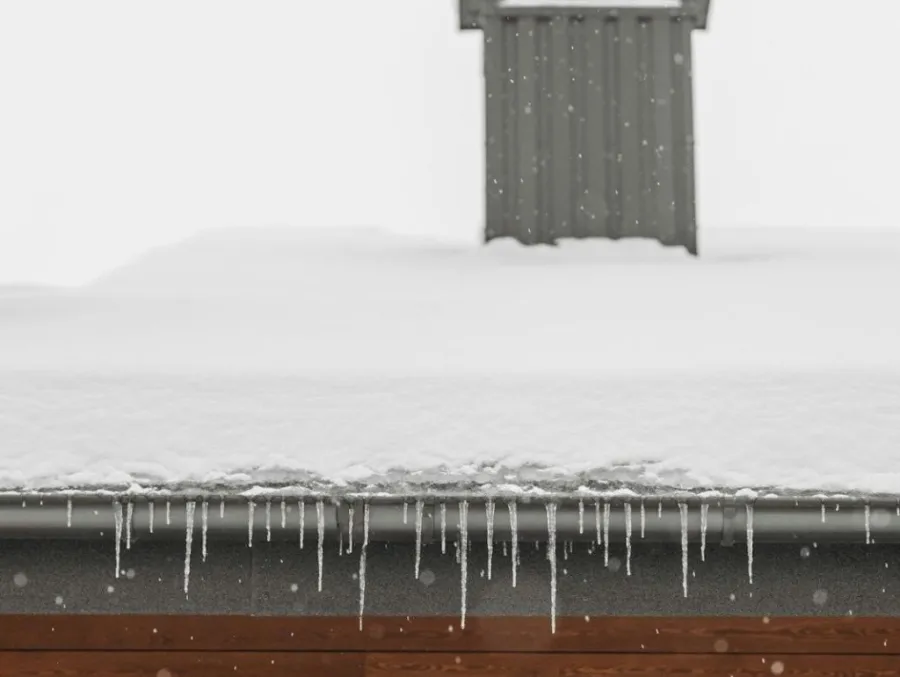
Every year, cold weather comes with unlimited joy, but with many problems for home heating systems. One of the main issues is ice formation around the furnace exhaust vent. In this, the furnace stops working or shuts down completely for safety purposes. Therefore, learning how to clear ice from a furnace exhaust can help you prevent many problems.
In cold weather, furnaces release moist air through exhaust pipes. This moist air, when it meets freezing air, turns into ice. If this ice blocks the vent can cause the furnace to operate improperly. This guide explains the signs of a frozen vent, its reasons, and how to clear ice from a furnace exhaust with the help of accessible tools like shovel.
Signs your furnace exhaust may be blocked by ice
Identifying the signs early can help you fix the issues quickly and prevent the furnace from shutting down completely. These are the signs that help you indicate the issues:
- One of the common signs is the furnace shutting off suddenly. Modern systems have safety sensors that stop the furnace if the exhaust is blocked. It helps prevent dangerous air from coming back into homes.
- The second sign is error codes displayed on the thermostat. These codes are due to the air pressure issues caused by blocked vents. Checking it manually can help you understand the alerts.
- Sometimes there is weak airflow from vents. The furnace reduces heat efficiency when the exhaust is restricted. This causes the furnace to function improperly.
- When you check the outside vent, you see visible ice buildup around the exterior. This is also a sign to take action.
These symptoms show that you have to learn how to clear ice from a furnace exhaust before restarting the system.
Why furnace exhaust pipes freeze in winter
There are several factors that cause furnace exhaust to freeze in winter. These reasons are:
- High efficiency furnaces producing condensation: In these systems, more heat is extracted from combustion gases that creates moisture. When the moisture hits cold air, it freezes.
- Cold outdoor temperature: When the temperature drops below freezing point, condensation freezes near the vent.
- Blocked airflow: Snow accumulation or debris can trap moisture and speed up ice formation.
- Poor vent slope and drainage: If there is no proper drainage, moisture may collect and freeze inside the pipe, blocking the airflow.
These causes help homeowners understand why learning how to clear ice from a furnace exhaust is crucial in cold weather.
How to clear ice from a furnace exhaust in 5 steps
Are you having trouble due to snow buildup around your furnace vent? Follow these steps to ensure proper airflow.
Turn off the furnace before inspecting
The first step in learning how to clear ice from a furnace exhaust is turning off the furnace when inspecting it. Turning it off also protects the internal components. It also prevents gas buildup while the vent is blocked.
Locate the exterior exhaust vent
Go outside and locate the furnace exhaust pipe that is a PVC pipe extending out from the side wall. Furnaces with high efficiency have two pipes in which one is for intake and other is for exhaust. The exhaust pipe releases hot air from the furnace.
Recognizing the correct vent is crucial when learning how to clear ice from a furnace exhaust safely.
Remove loose snow and visible ice
After locating the vent, remove snow around it with the help of a shovel and your hands. You can also take the help of a brush. Do not use sharp tools that can damage the vent pipe.
Clearing snow restores airflow and prevents freezing. It is an important step to resolve minor blockages when knowing how to clear ice from a furnace exhaust safely.
Gently melt ice buildup with warm water
If you are unable to remove thick ice, pour warm water over the buildup. This should not be hot water because it can damage the pipe. Warm water helps to melt the ice quickly.
Slowly pour the water and wait for the ice to loosen. This is one of the safest ways when learning how to clear ice from a furnace exhaust safely.
Check for proper airflow before restarting
After removing ice, carefully check inside the pipe for any opening to confirm there is no remaining hurdle. If everything is clear, restart the furnace and check its performance. Airflow is proper and the furnace is operating normally.
These steps ensure now you understand how to clear ice from a furnace exhaust and know how to protect the heating system of your house.
How to prevent furnace exhaust freezing again
Clearing snow from the furnace is the solution to the problem, but to prevent it from coming again, consider these few important steps:
Keep the vent area clear of snow
Check the area around the exhaust pipe after a snowfall. Snow accumulation blocks the air path. Keeping the surrounding area clean with a snow brush improves airflow and reduces moisture.
Improve vent pipe slope
Check the vent pipe slope if it is proper. Proper slope allows condensation to drain back towards the furnace instead of collecting inside. If the slope is incorrect, water stores and freezes near the outer vent.
Insulate exposed sections
In extremely cold weather, insulated exposed vent pipes help reduce freezing. It helps keep condensation from freezing quickly.
Schedule regular furnace maintenance
Do routine vent inspections to identify problems initially. Expert HVAC technicians check vent slopes, airflow performance, and condensation drains.
Regular maintenance makes sure your system works properly throughout the weather.
When to call a professional
Not every time can you solve the vent issues yourself. Sometimes you have to call professionals for certain situations, like:
- When you are facing repeating freezing issues as repeating freezing issues may indicate a deeper issue
- Finding cracked or damaged vent pipes, as they can leak gases and cause improper ventilation
- If the furnace is not restarting after clearing snow, it means the system may have triggered a safety shutdown
- If you see signs of carbon monoxide risk, such as odors or alarms from detectors
These are signs when you should call a professional for help. They can fix the root cause and restore the safety of your house.
FAQs
Is it safe to pour hot water on the vent?
Yes, it is safe to use warm water to melt snow. Very hot water can harm or crack the PVC pipe, especially when the temperature is low. Warm water melts ice gradually and it is recommended when practising how to clear ice from a furnace exhaust safely.
Why does my high-efficiency furnace create ice?
Furnaces with high efficiency produce condensation because they extract more heat from combustion. This excess moisture when meets the outer pipe, turns into ice.
Can a blocked exhaust be dangerous?
Yes, a blocked exhaust can prevent combustion gases from going outside. This can be very dangerous for health and also damage the furnace to shut down. That is why understanding how to clear ice from a furnace exhaust is important.
How often should I check the vent in winter?
It is recommended to regularly inspect the furnace in a very few days, especially when the temperature is too low. Routine check up prevents ice building from serious blockage and helps monitor minor issues before it causes much damage.
Conclusion
Living in an extremely cold region brings some challenging problems every year. Among these is removing ice from the furnace if ignored for a long time. Understanding the causes of snow accumulation in vents, regular inspection, and following the correct process can help you learn how to clear ice from furnace exhaust. Noting down the preventive measures like clearing snow, insulating pipes, improving slopes, and regular checkups can help avoid future ice freezing around vents.